Artwork
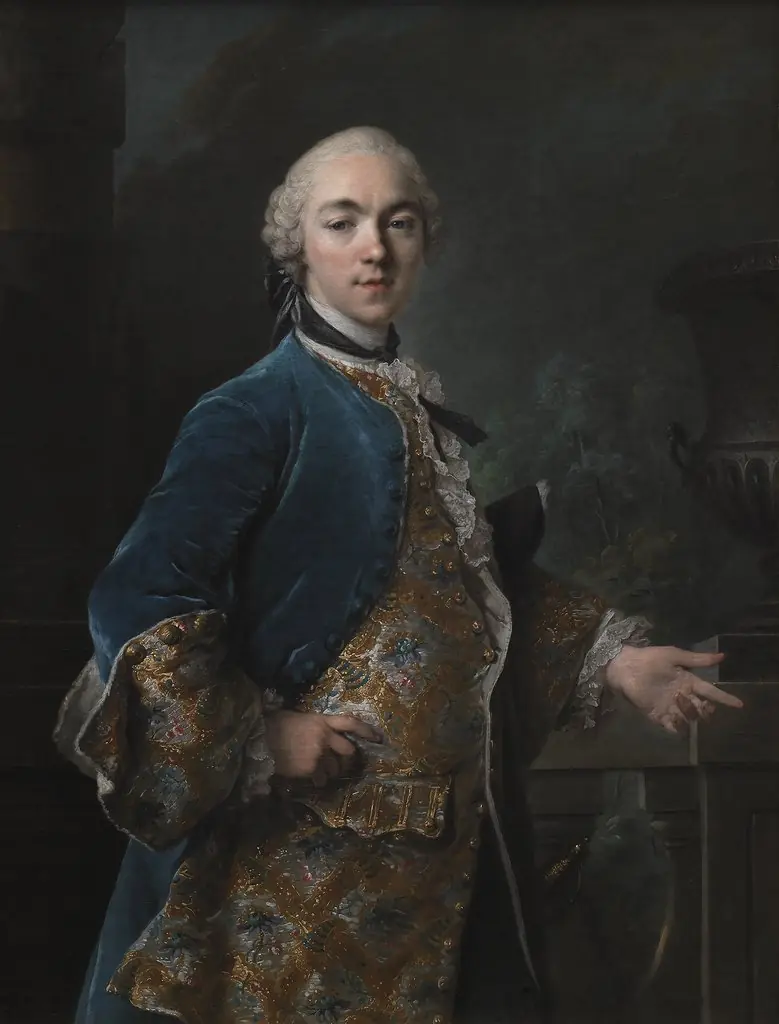
Portrait of Frederik Christian Krag (1726-1763)
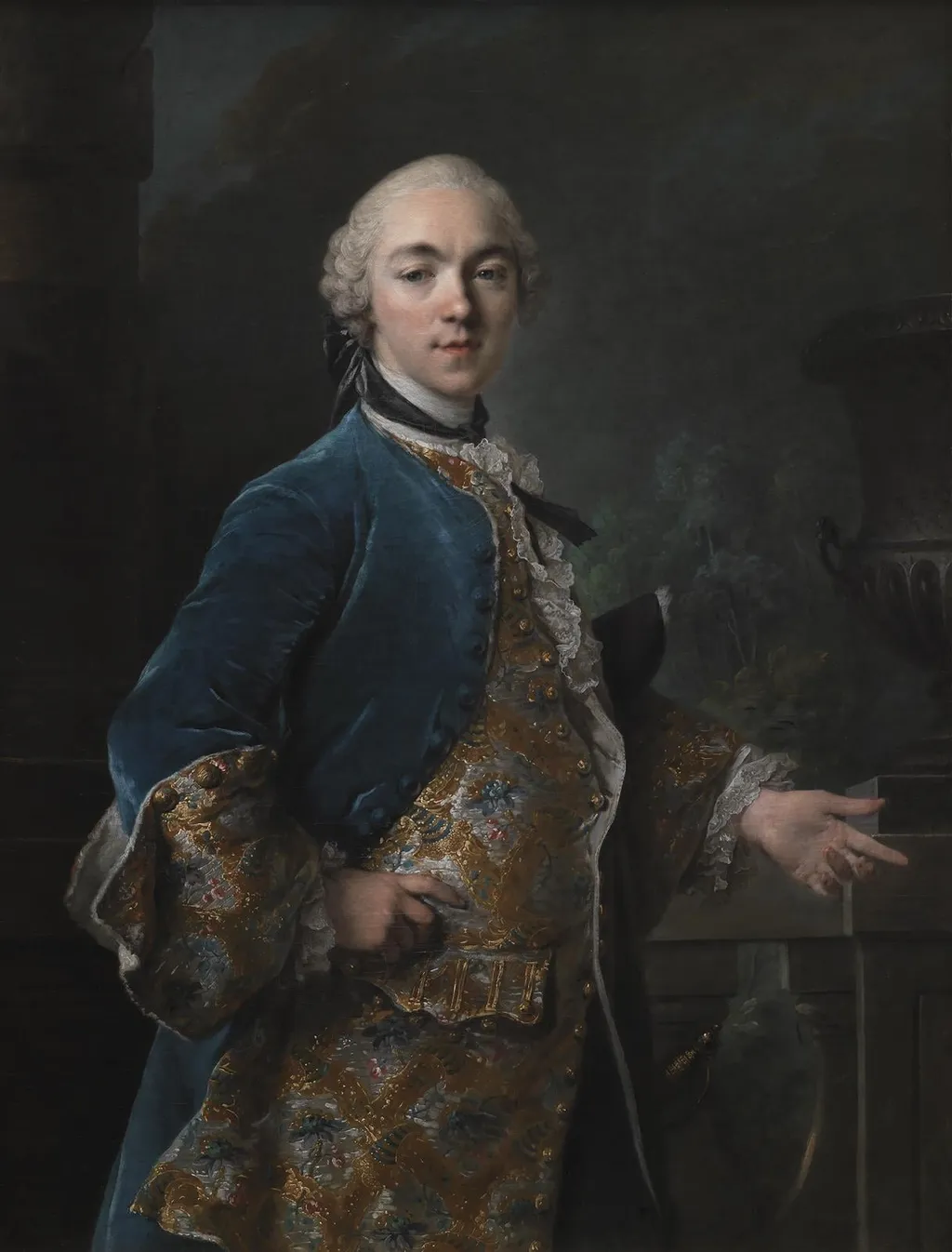
Portrait of Frederik Christian Krag (1726-1763) is an unspecified painting by the Rococo painting artist Unknown. It dates from 1761 and is held in the collection of the Statens Museum for Kunst. Painted in 1761, this portrait depicts Frederik Christian Krag, a Danish nobleman born in 1726.
About this work
Overview
Painted in 1761, this portrait depicts Frederik Christian Krag, a Danish nobleman born in 1726. The work is attributed to an artist active in the mid-18th century, though the creator’s identity remains unconfirmed. It is currently housed in the Museum of Ethnography, where it is displayed as part of a collection documenting European aristocratic portraiture of the period.
Subject & Meaning
Krag is portrayed in formal attire, signaling his social standing. The blue coat with gold embroidery, crisp white cravat, and composed demeanor reflect the values of decorum and restraint common among Danish elites. The inclusion of a potted plant on the table suggests a quiet appreciation for nature, subtly personalizing the image without undermining its ceremonial tone.
Technique & Style
The artist employs chiaroscuro to define the contours of Krag’s garments, emphasizing the texture of silk and metallic thread through controlled contrasts. Dark, unmodeled background isolates the figure, directing focus to the intricate details of his clothing. Brushwork is precise but not overly ornate, favoring clarity and dignity over theatricality.
History & Provenance
The portrait entered the Museum of Ethnography’s collection in the late 19th or early 20th century, likely through acquisition from a private Danish estate. Its presence in an ethnographic institution, rather than a fine arts museum, reflects historical collecting practices that treated aristocratic portraiture as cultural artifact rather than purely aesthetic object.
Context
Created during the height of Enlightenment ideals in Scandinavia, the portrait aligns with a broader trend of dignified, restrained representation among Nordic nobility. Unlike flamboyant French or Italian court portraits, this work favors understated elegance, mirroring Danish cultural preferences for modesty and order in public image.
Legacy
The portrait remains a representative example of mid-18th-century Danish elite portraiture. While not widely reproduced, it contributes to scholarly understanding of how social status was visually encoded in Nordic societies. Its preservation in an ethnographic context underscores evolving attitudes toward the cultural significance of personal imagery.
Artist & collection

 Domestic Scene
 Giacomo and Cardinal Marco, investing Andrea, Abbot of San Zeno, with his Benefice
 The Nymph of Fontainebleau
 Portrait of a Woman
 Madonna and Child with Saints in the Enclosed Garden
 Venus and Minerva
 Family Group of Four on Sofa
 Wall painting from Room H of the Villa of P. Fannius Synistor at Boscoreale
 Portrait of Isaac van Rijneveld
 Portrait of Frederik Berregaard
 Portrait of Frederik Berregaard
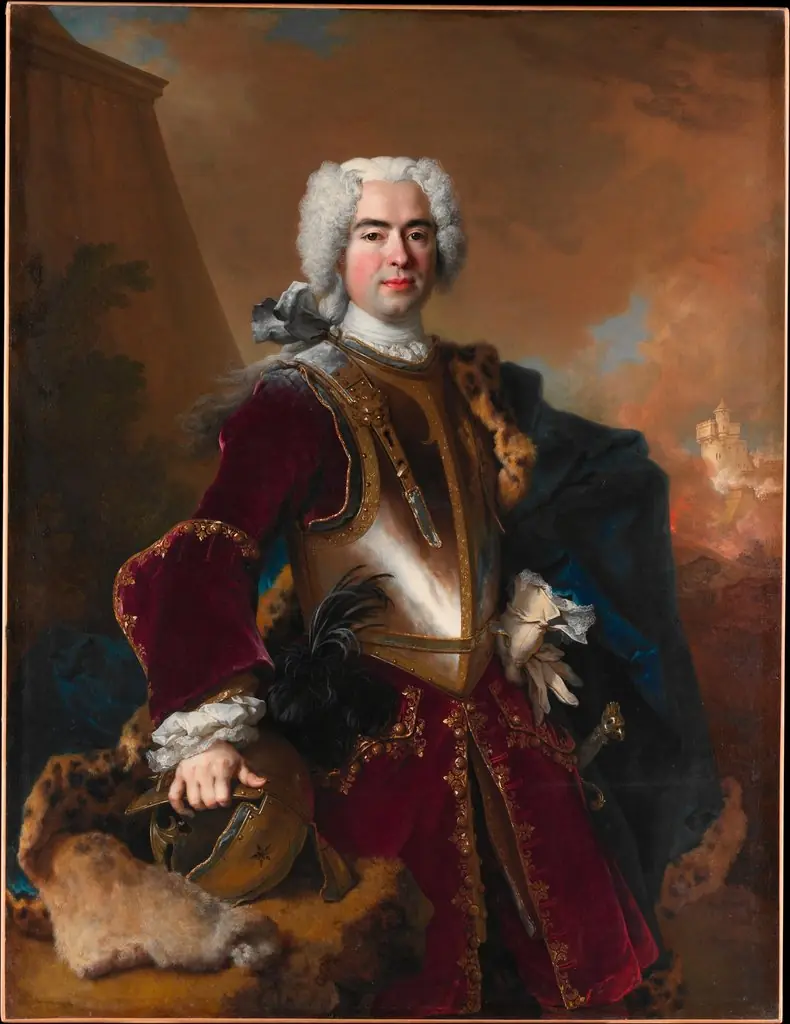 André François Alloys de Theys d'Herculais (1692–1779)
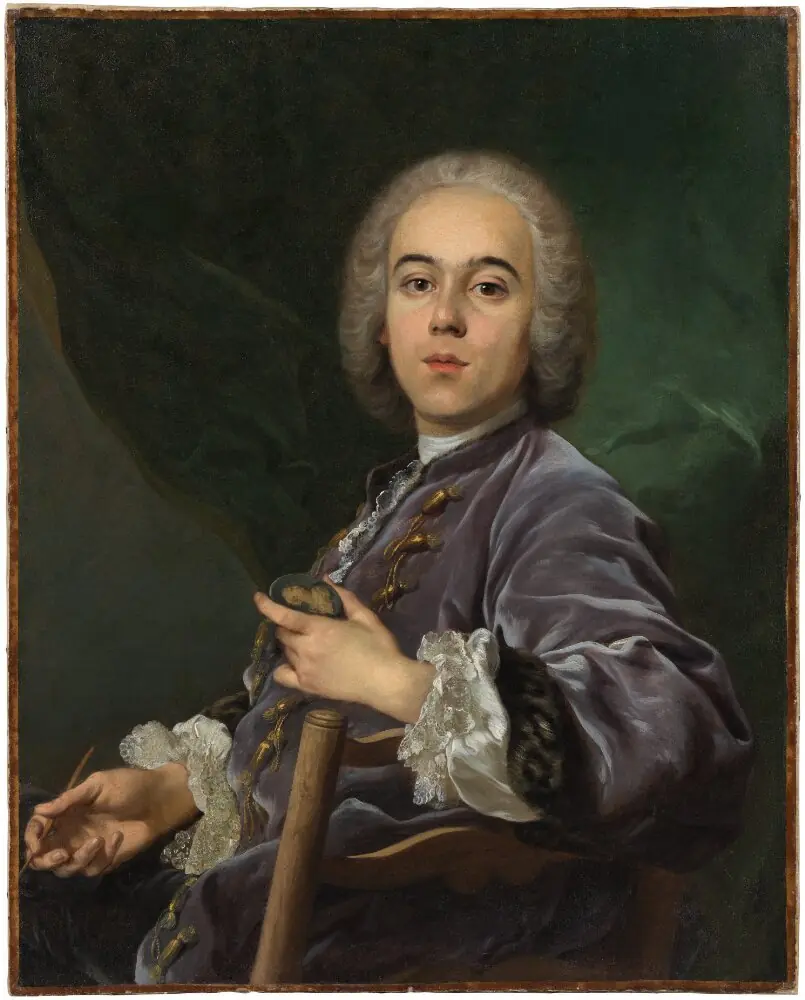 The Engraver and Goldsmith Jacques Roettiers
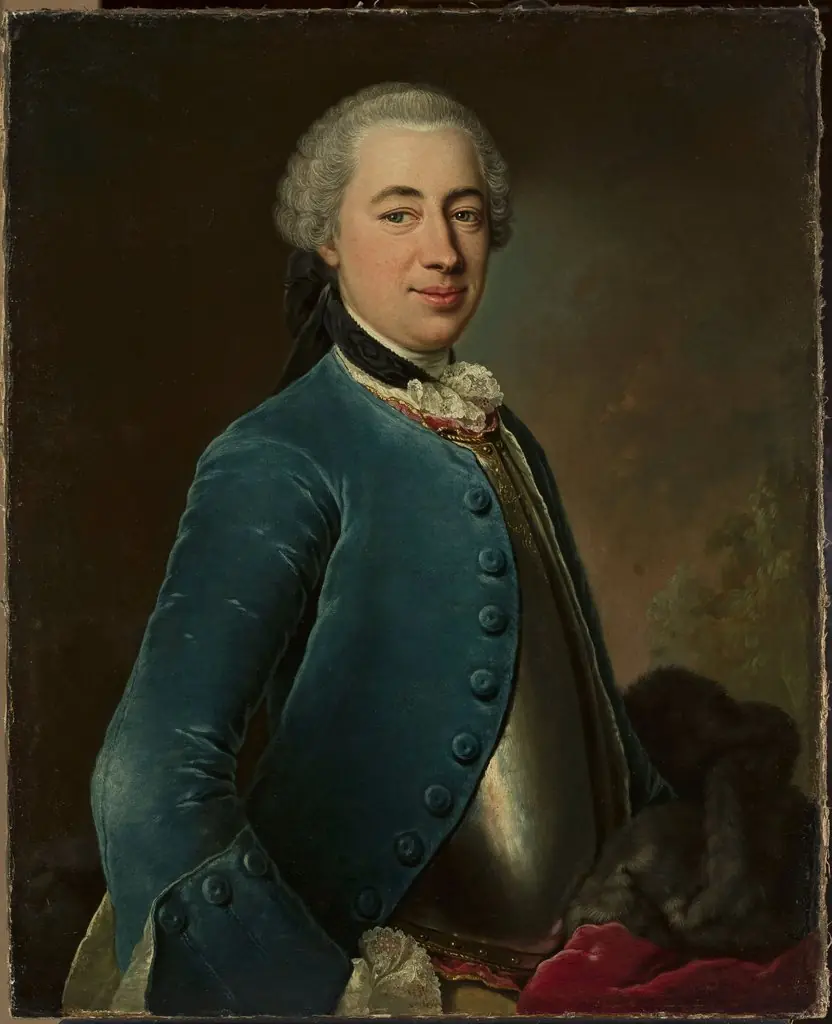 Portrait of a man in armour
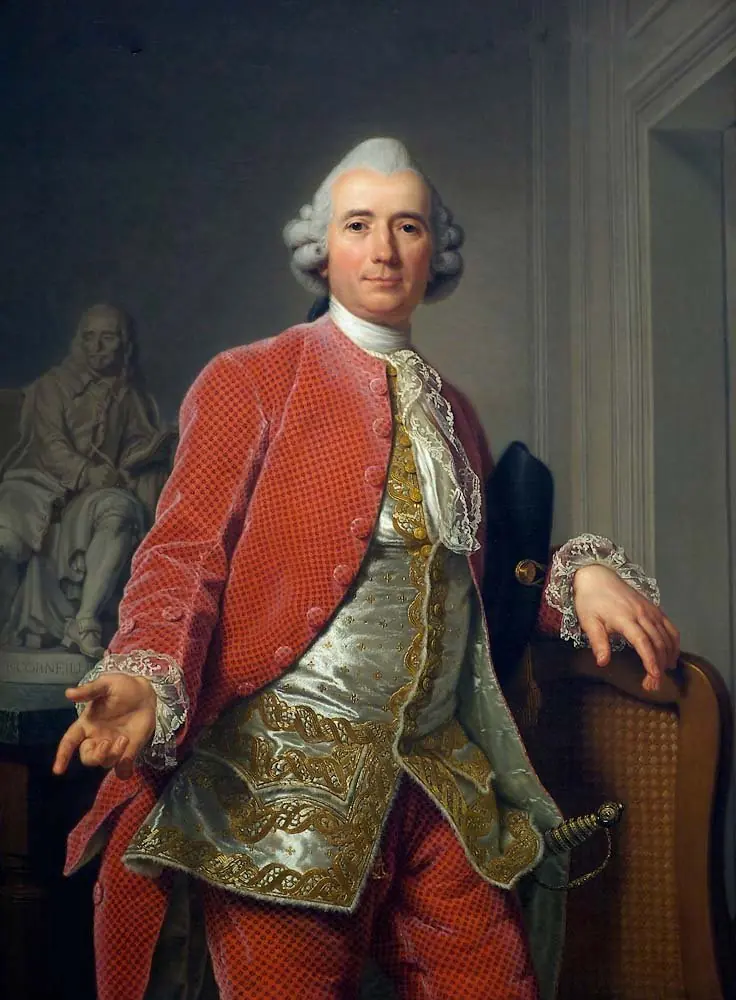 Jean-Jacques Caffieri
 Portrait of Charles-Claude Flahaut de la Billarderie comte d'Angiviller (1730-1809)
 Portrait of Arnoldus van Rijneveld
 Nuori ylimys
 Joseph Bonnier de la Mosson
 Portrait of Frederik Christian Krag (1726-1763)