Artwork
Hilly Landscape
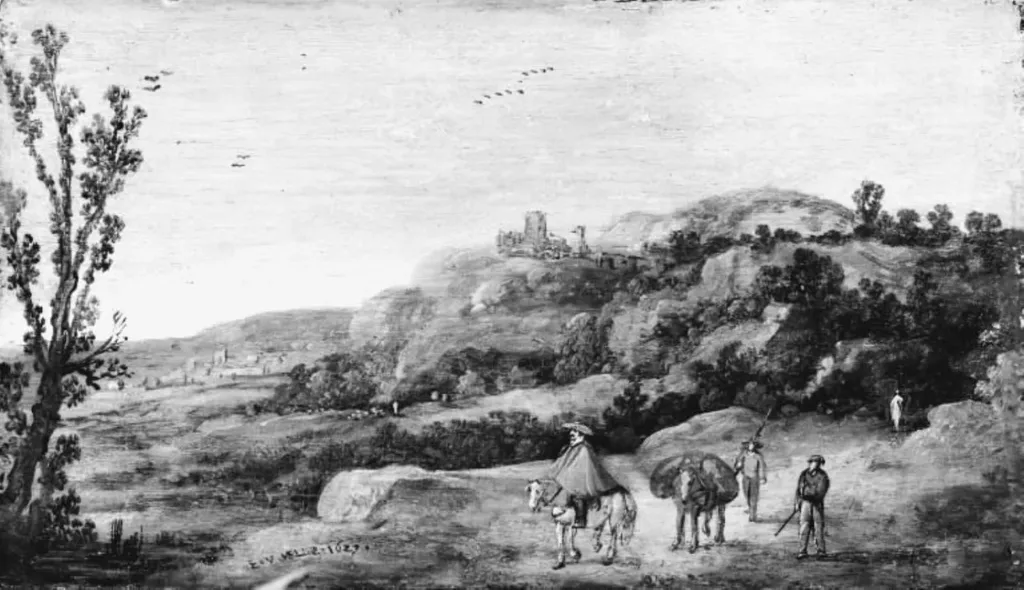
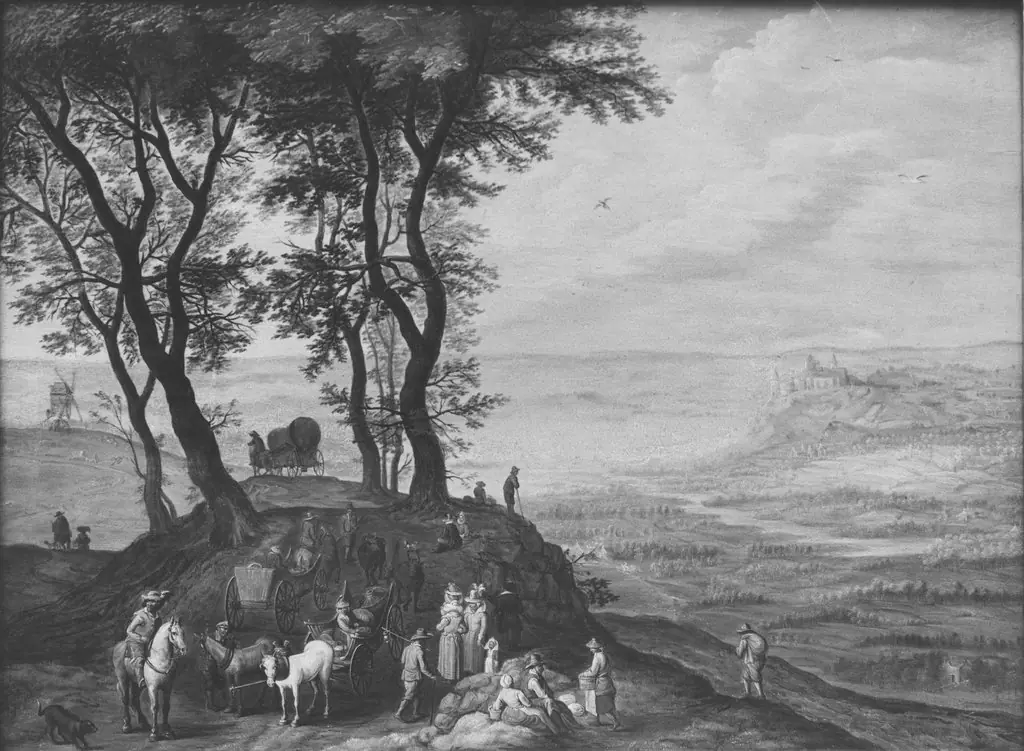
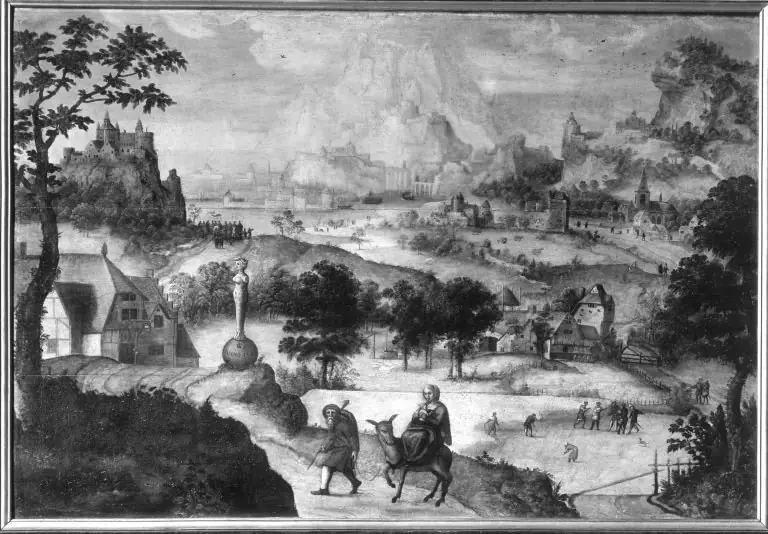
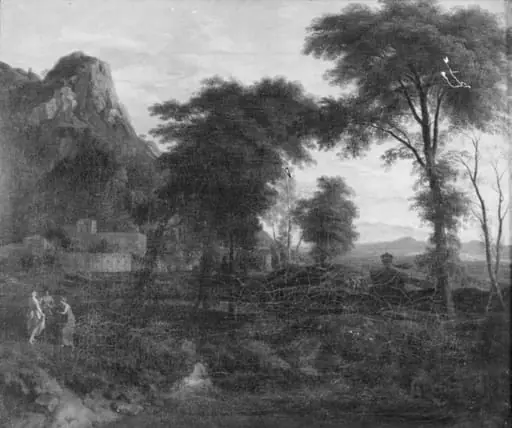
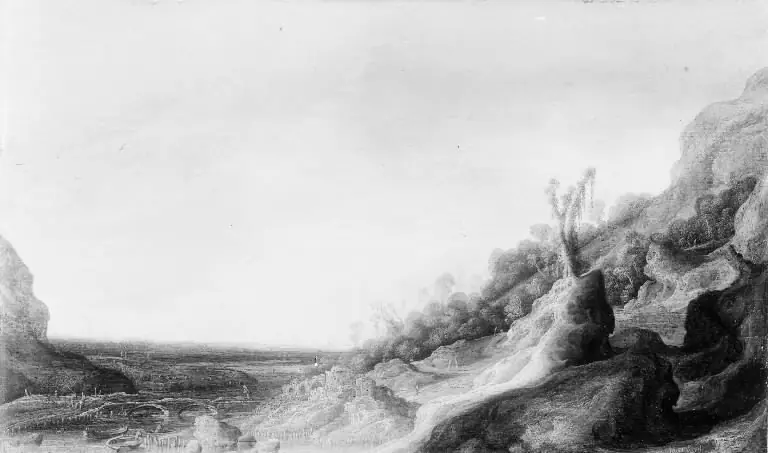
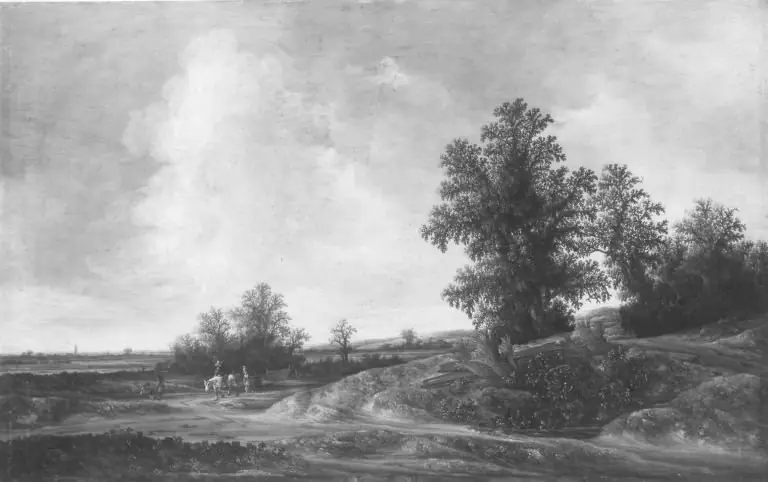
Hilly Landscape is an unspecified painting by the Baroque artist Unknown. It dates from 1627 and is held in the collection of the Statens Museum for Kunst. This landscape painting, dated 1627, depicts a quiet rural scene with undulating hills, scattered trees, and an open sky.
About this work
Overview
This landscape painting, dated 1627, depicts a quiet rural scene with undulating hills, scattered trees, and an open sky. It is attributed to an artist active in the early 17th century, though their identity remains uncertain. The work is part of the collection at the Museum of Ethnography, where it is preserved as an example of regional landscape representation from the Baroque period.
Subject & Meaning
A lone rider on horseback, accompanied by two figures—one carrying a staff—travels through a tranquil countryside. The figures appear engaged in quiet movement, suggesting travel or pastoral routine rather than narrative drama. The absence of architectural or symbolic elements implies a focus on everyday life in the landscape, emphasizing harmony between people and nature.
Technique & Style
Soft transitions between light and shadow define the contours of the terrain and the figures, while muted greens and earth tones dominate the palette.
The artist employs chiaroscuro to model forms and suggest spatial depth, particularly in the rendering of hills and foliage. Soft transitions between light and shadow define the contours of the terrain and the figures, while muted greens and earth tones dominate the palette. Brushwork is restrained, favoring atmospheric cohesion over fine detail, consistent with regional landscape traditions of the period.
History & Provenance
The painting entered the Museum of Ethnography’s collection in the late 19th century, though its earlier ownership is undocumented. Its attribution to a specific artist remains tentative, as no signed works or contemporary records definitively link it to a known hand. It has been consistently cataloged as a 17th-century landscape since its acquisition.
Context
Created during the height of the Baroque era, this work reflects a quieter, more observational strand of landscape painting that coexisted with grander religious or mythological scenes. Unlike Italian or Flemish counterparts, it lacks dramatic tension or allegory, instead offering a subdued vision of rural life that may reflect local aesthetic preferences or patron tastes in Northern Europe.
Legacy
Though not widely reproduced or studied, the painting contributes to understanding the diversity of landscape practices in early 17th-century Europe. It stands as a modest but carefully composed example of how everyday scenery was rendered with sensitivity to light and spatial structure, offering insight into non-elite visual culture of the time.
Artist & collection

 Domestic Scene
 Giacomo and Cardinal Marco, investing Andrea, Abbot of San Zeno, with his Benefice
 The Nymph of Fontainebleau
 Portrait of a Woman
 Madonna and Child with Saints in the Enclosed Garden
 Venus and Minerva
 Family Group of Four on Sofa
 Wall painting from Room H of the Villa of P. Fannius Synistor at Boscoreale