Artwork
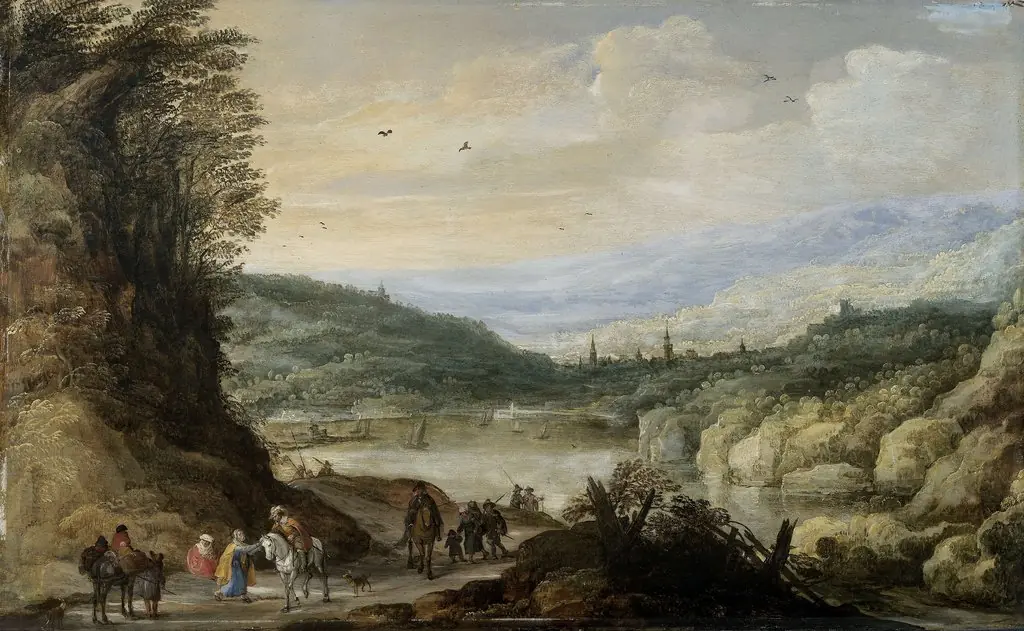
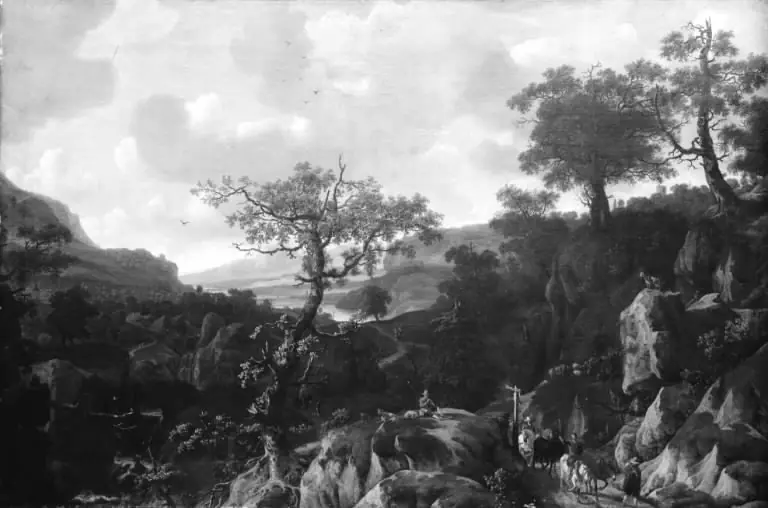
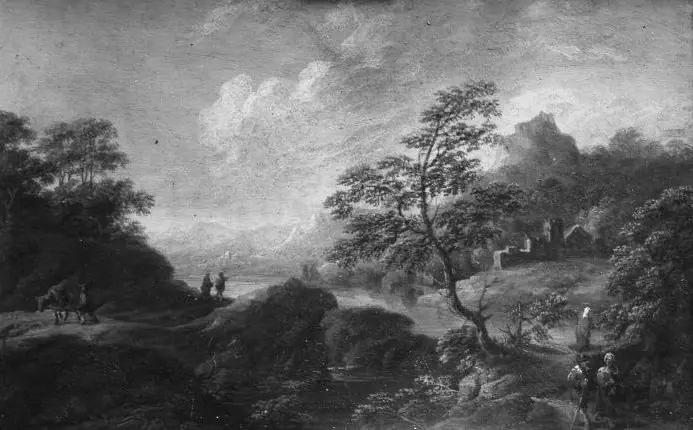
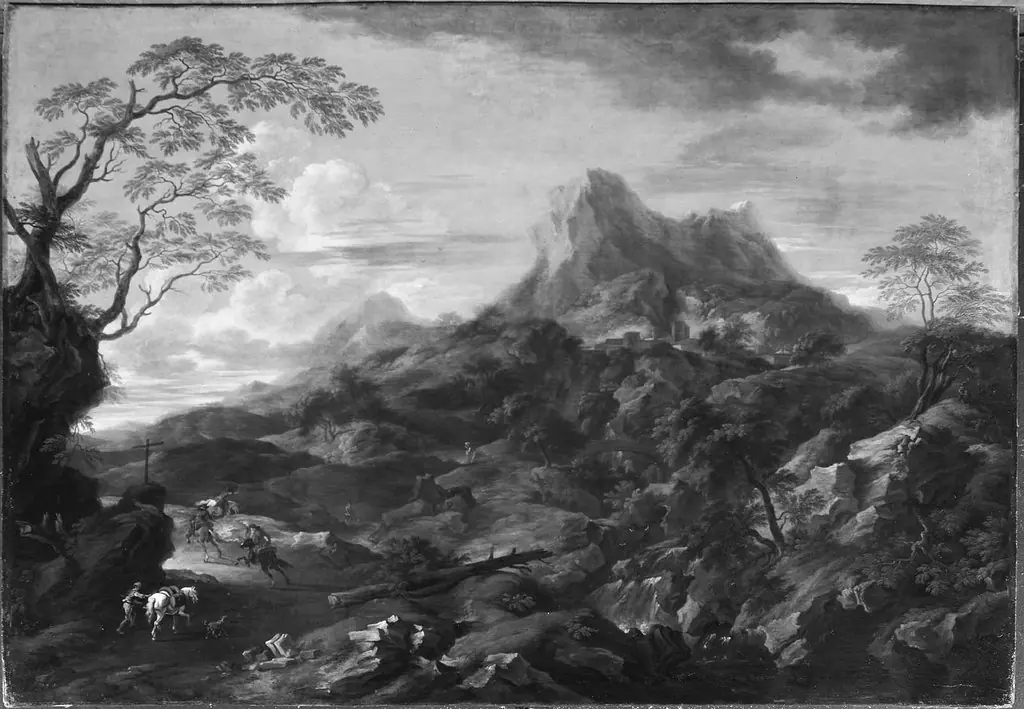
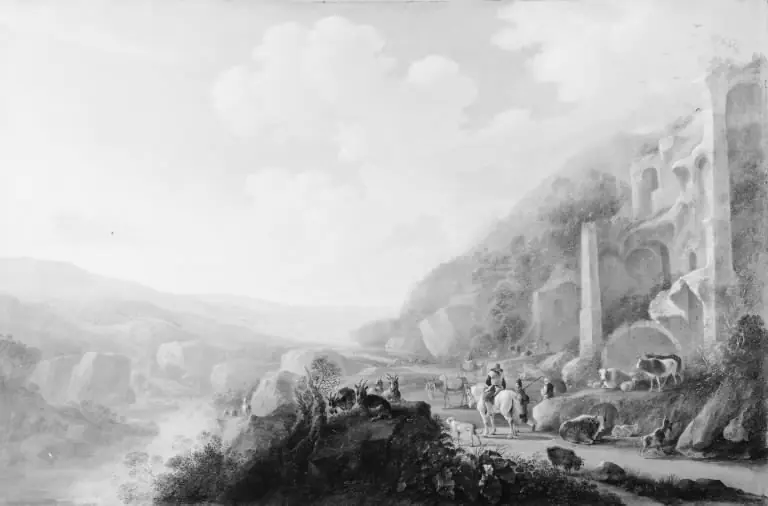
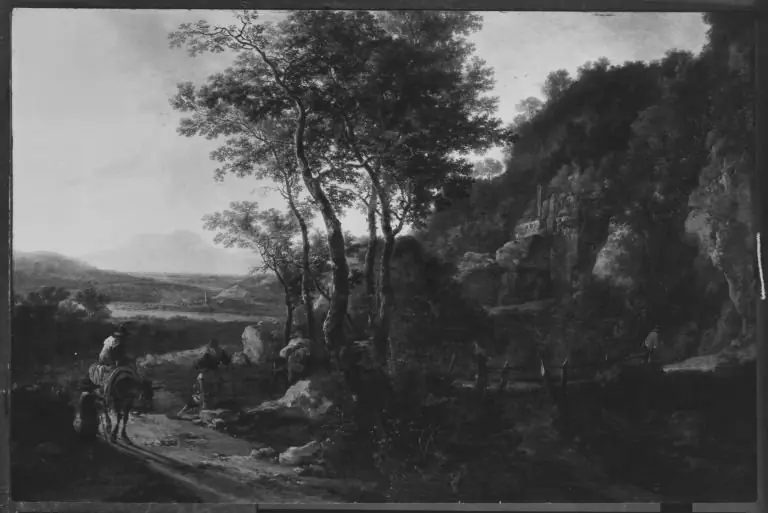
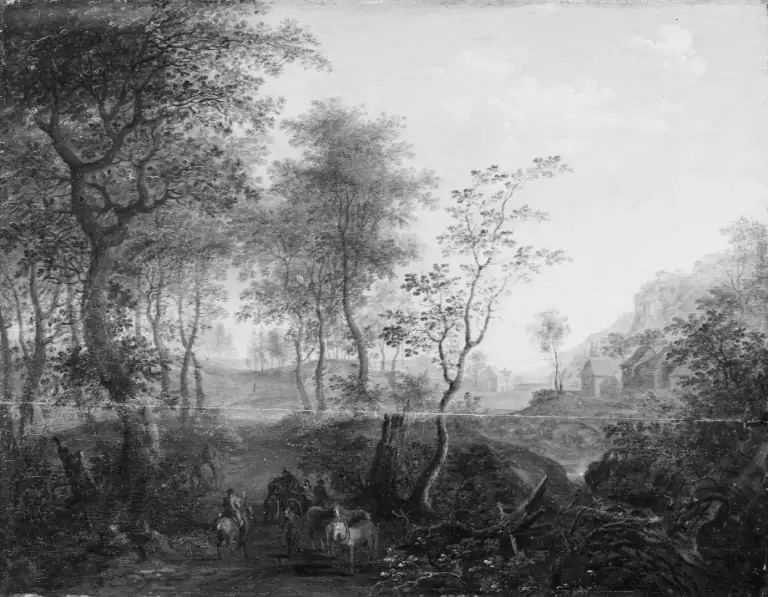
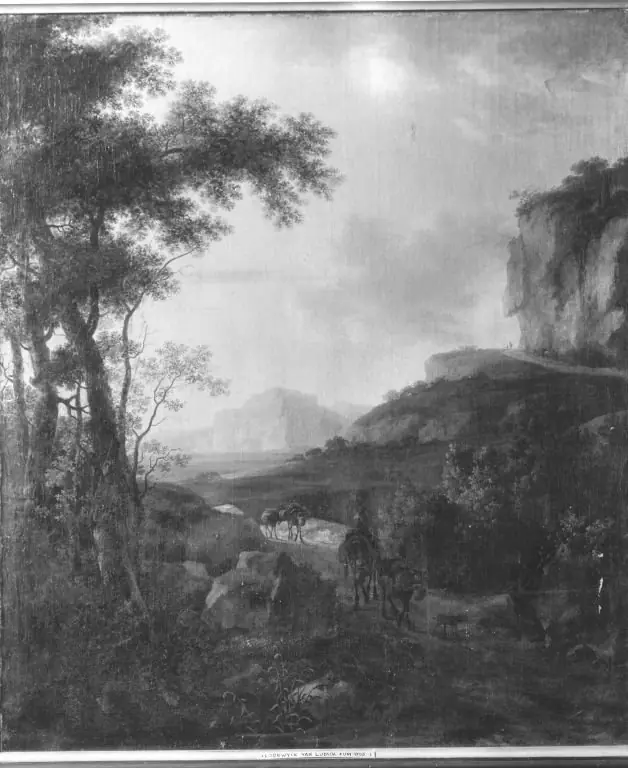
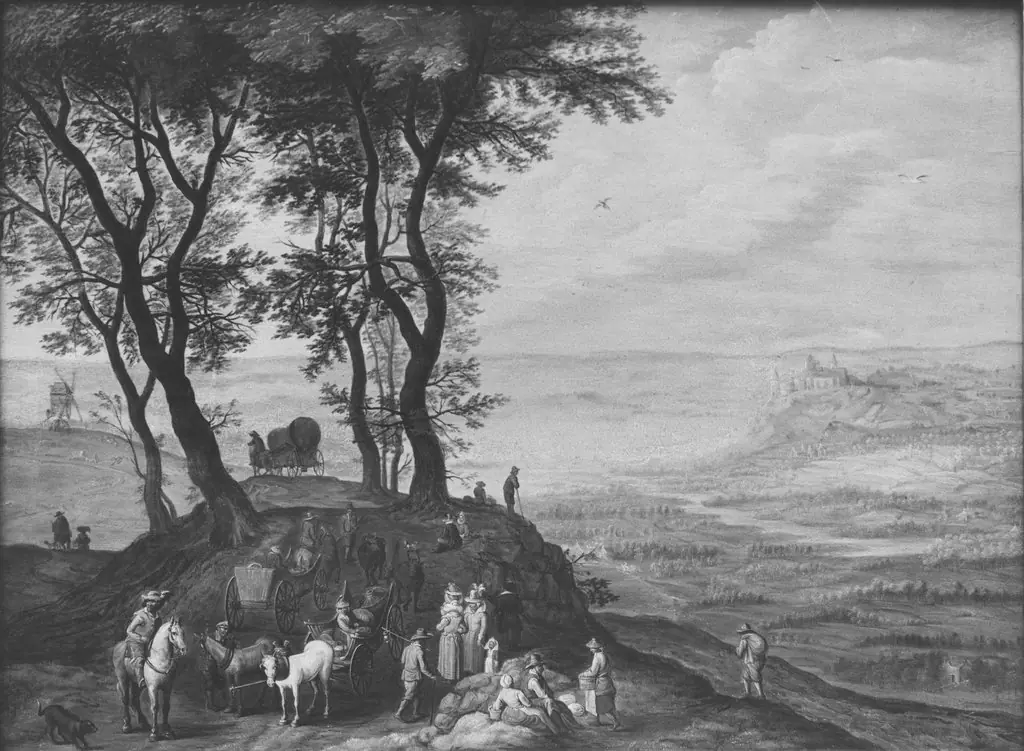
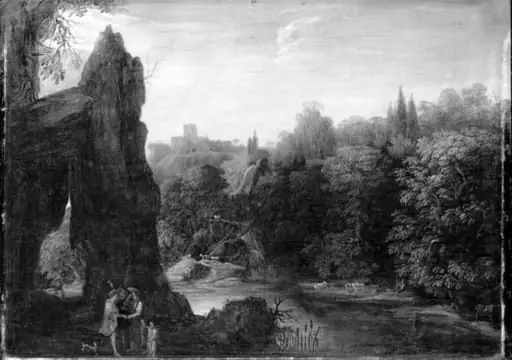
Mountain landscape with three riders
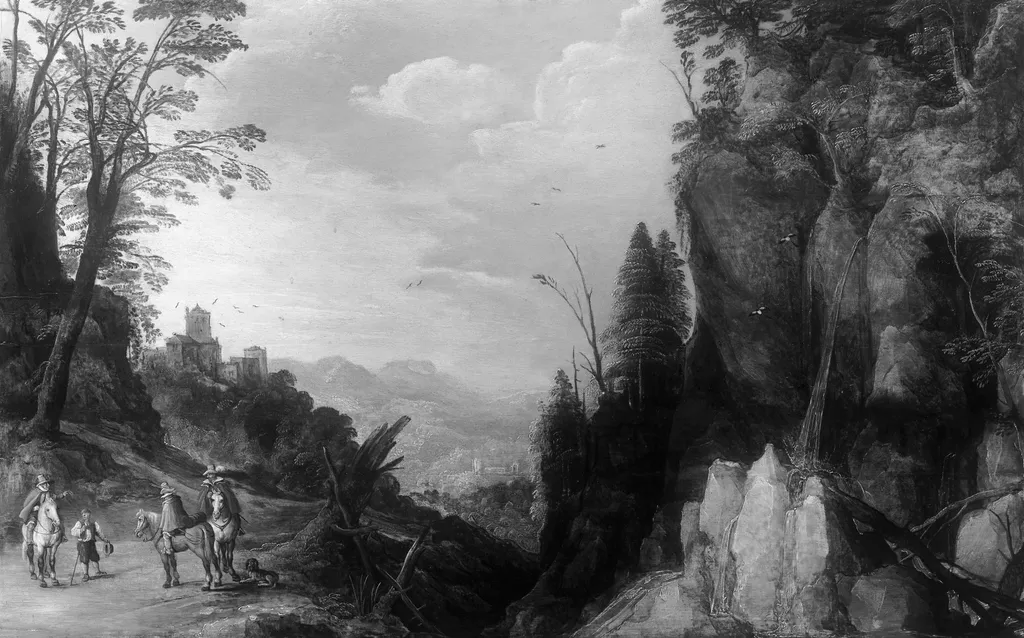
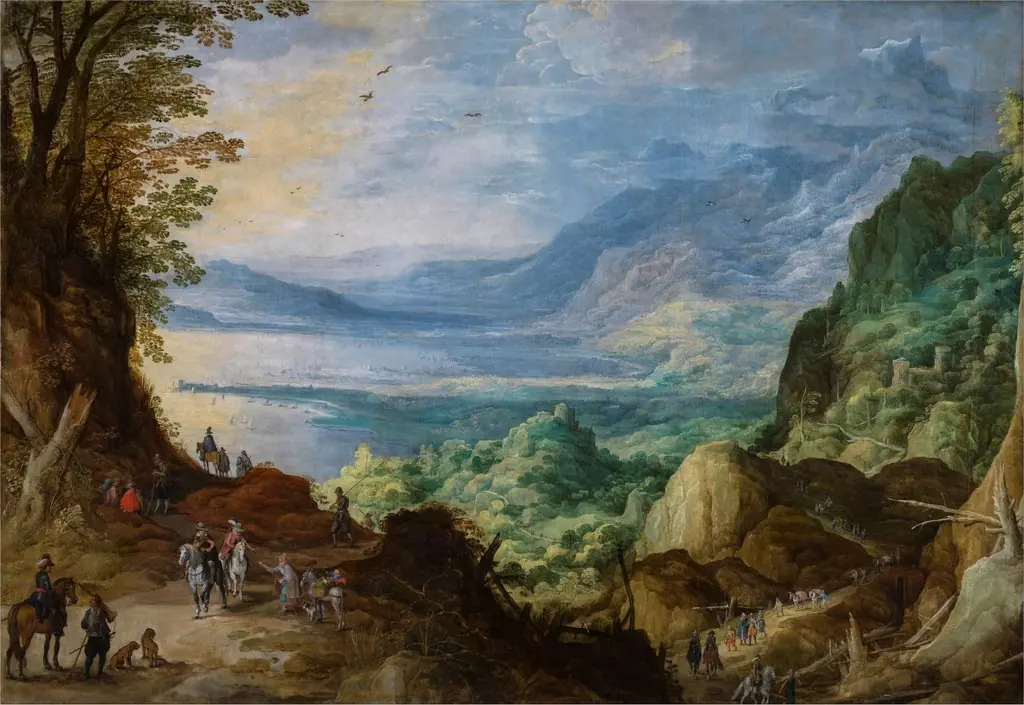
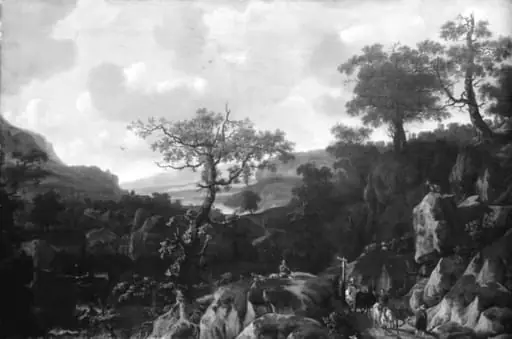
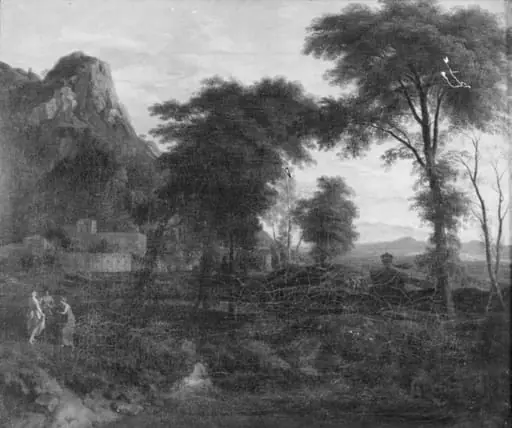
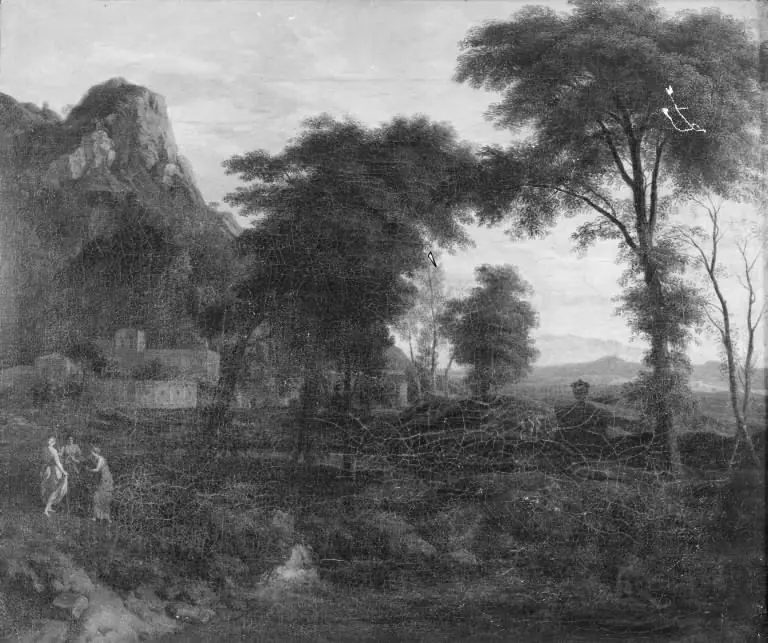
Mountain landscape with three riders is a paint painting by the Flemish Baroque painting artist Joos de Momper the Younger. It dates from 1608 and is held in the collection of the Gemäldegalerie Berlin.
About this work
Overview
Executed in oil, the work exemplifies the transitional phase in Flemish painting between Mannerist stylization and the emerging naturalism of the Baroque.
Painted in 1608 by Joos de Momper the Younger, this landscape depicts a rugged mountain terrain traversed by three horseback riders. Executed in oil, the work exemplifies the transitional phase in Flemish painting between Mannerist stylization and the emerging naturalism of the Baroque. De Momper, based in Antwerp, synthesized observational detail with atmospheric perspective to create a sense of vast, lived-in space.
Subject & Meaning
The three riders, dressed in contemporary 17th-century attire, move along a winding mountain path, their presence subtle against the expansive terrain. A fortified structure crowns a distant hill, suggesting human habitation amid nature’s grandeur. The scene avoids narrative drama, instead evoking quiet travel and the quiet dominance of the natural world, consistent with Flemish traditions that valued landscape as an end in itself.
Technique & Style
De Momper employed fine brushwork to render intricate details—rock formations, foliage, and distant architecture—with precision. Chiaroscuro modulates light across the slopes, enhancing spatial depth and volume. The cloudy sky and airborne birds introduce movement and atmospheric tension, while the composition’s layered recession reflects a growing interest in naturalistic space over the artificial hierarchies of earlier Mannerist landscapes.
History & Provenance
The painting has been part of the Gemäldegalerie Berlin’s collection since the 19th century. Its documented history traces back to early 17th-century Antwerp, where de Momper was active among a circle of landscape specialists. While no earlier ownership records are widely known, its inclusion in major public collections confirms its recognition as a representative work of Flemish Baroque landscape painting.
Context
De Momper worked in the wake of Pieter Bruegel the Elder’s influence, adopting his expansive vistas and attention to topographical variety. Yet his style evolved toward greater atmospheric cohesion and tonal subtlety, aligning with broader shifts in Northern European art toward empirical observation. This painting reflects a moment when landscape ceased to be merely a backdrop and became a subject worthy of sustained study.
Legacy
Though less celebrated than contemporaries like Rubens, de Momper’s landscapes contributed to the development of a distinctly Flemish tradition of naturalistic scenery. His integration of detailed terrain with atmospheric effects influenced later Dutch and Flemish painters who prioritized landscape as a genre. This work remains a quiet testament to the growing autonomy of nature as a subject in early 17th-century art.
Own this work as a print
Artist & collection
Artist
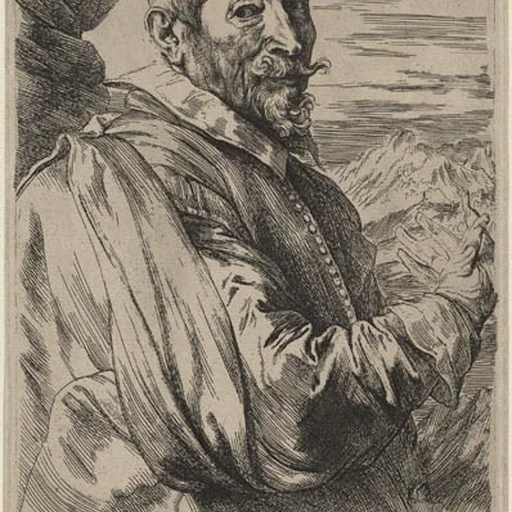
Joos de Momper the Younger or Joost de Momper the Younger (c. 1564 – 5 February 1635) was a Flemish landscape painter active in Antwerp between the late 16th century and the early 17th century. Brueghel's influence is…