Artwork
Portrait of a Lady
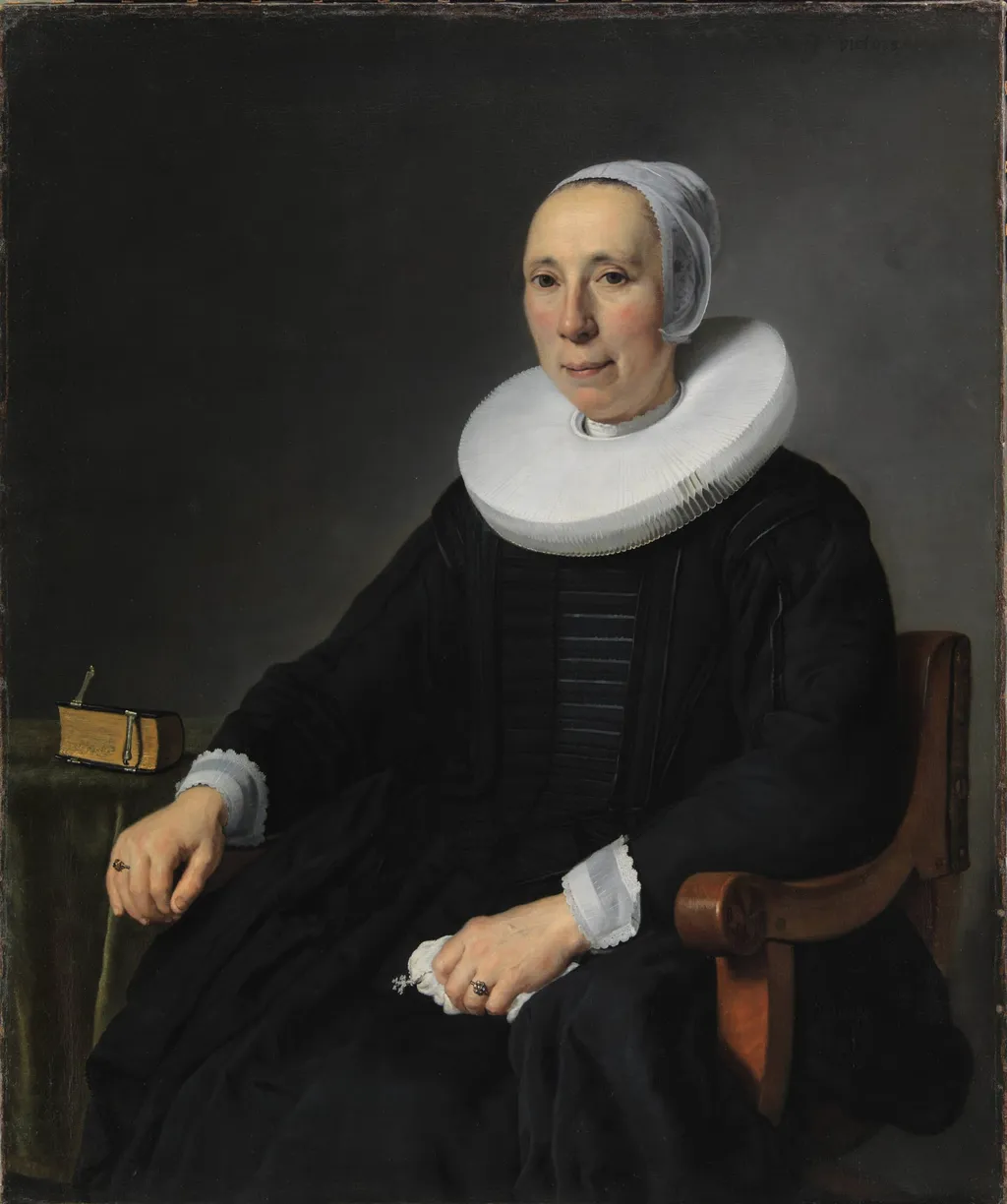
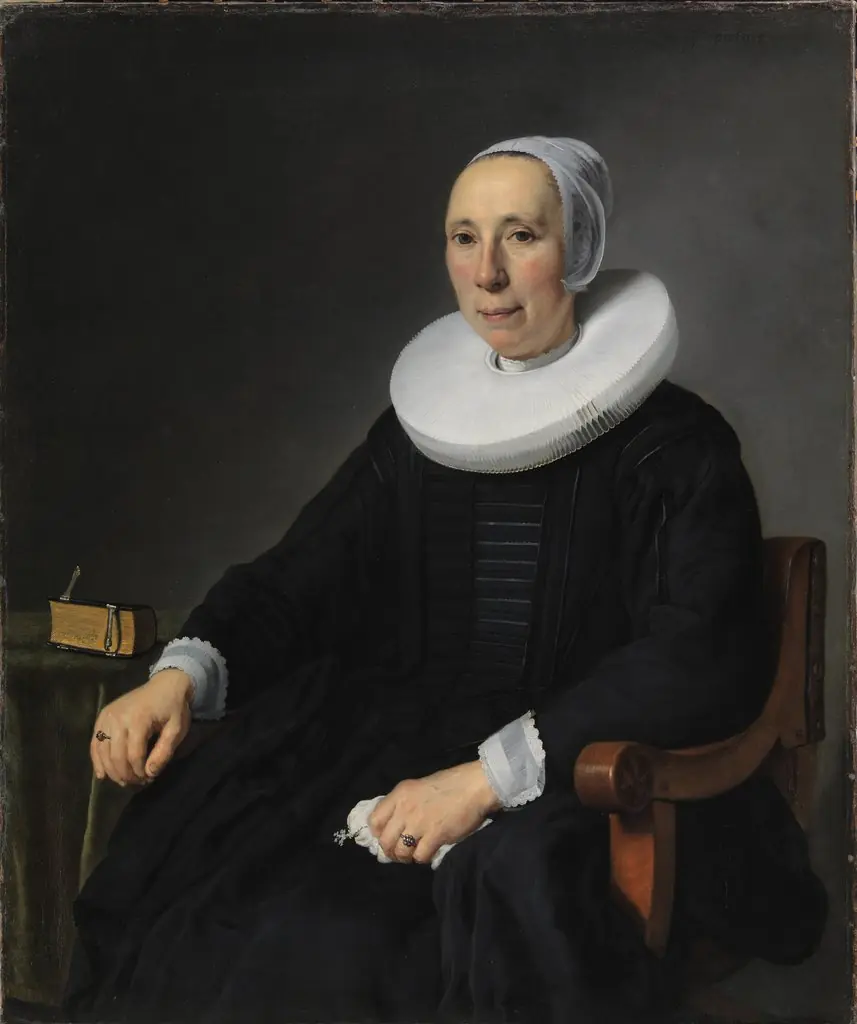
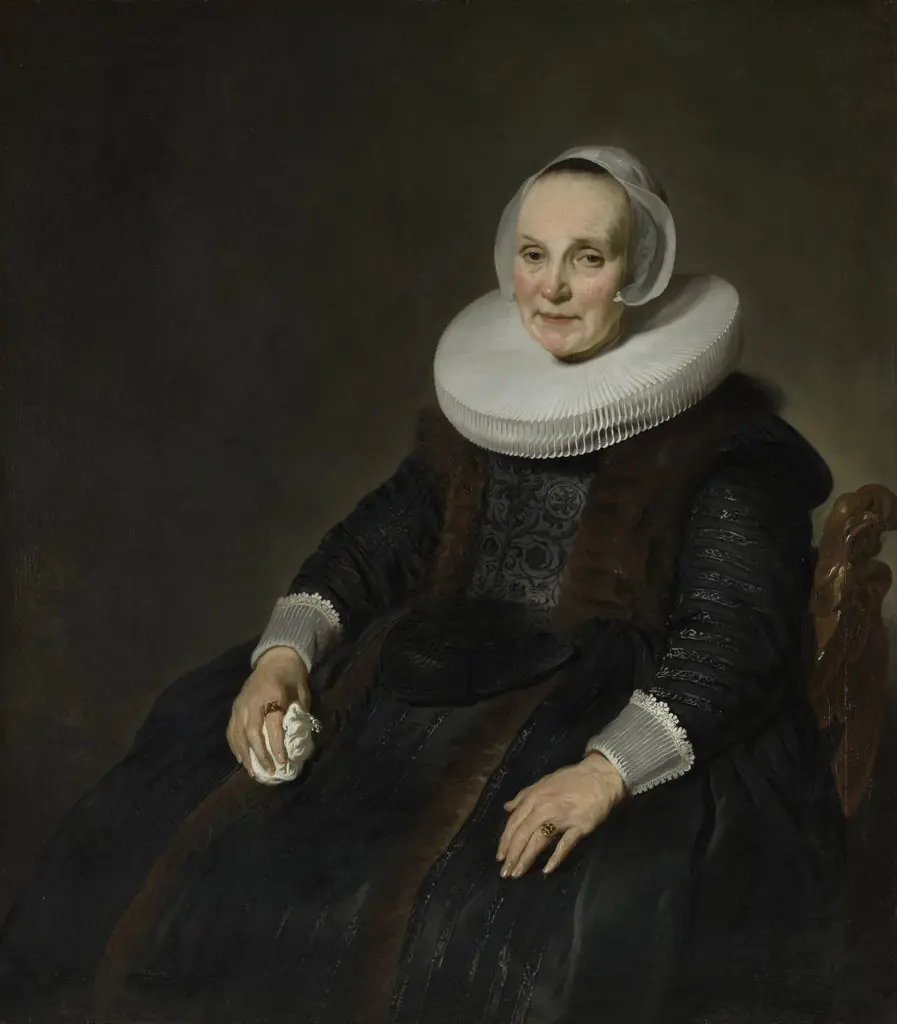
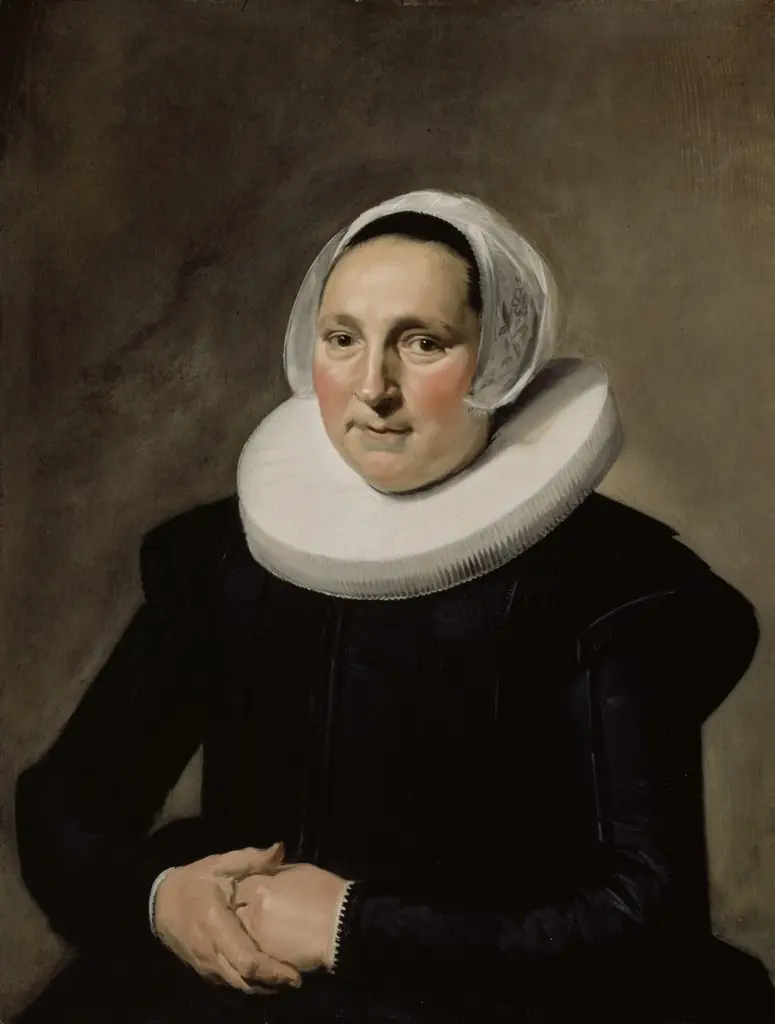
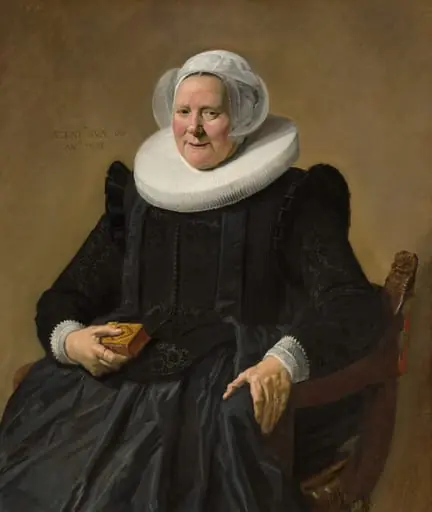
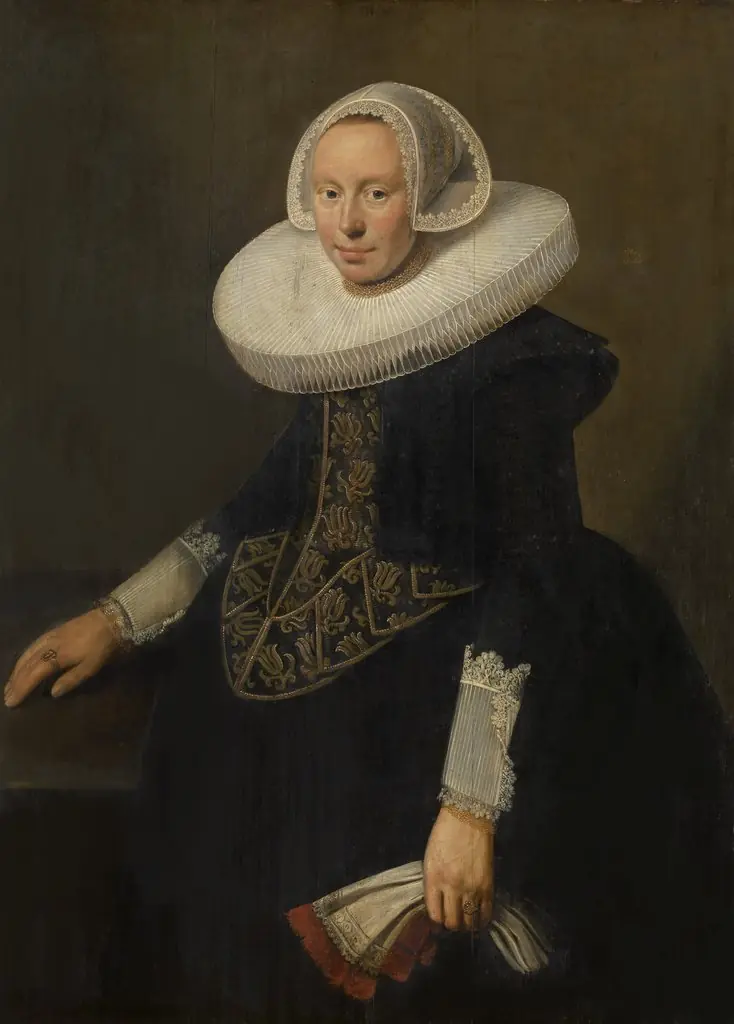
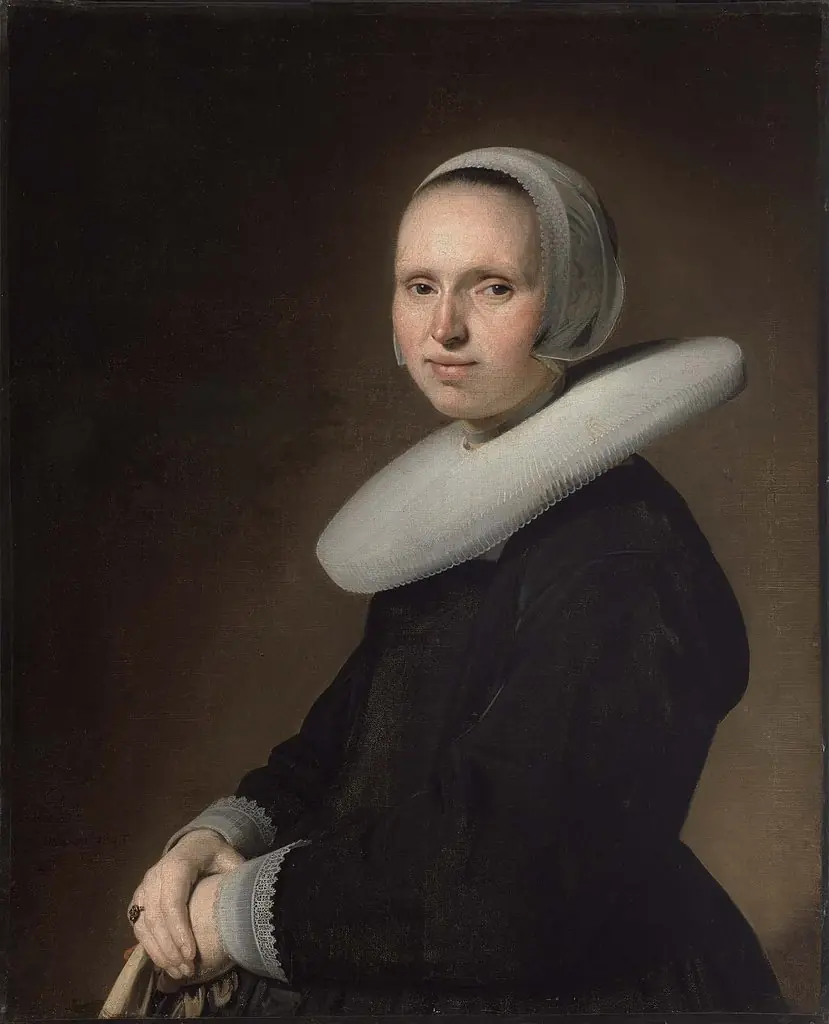
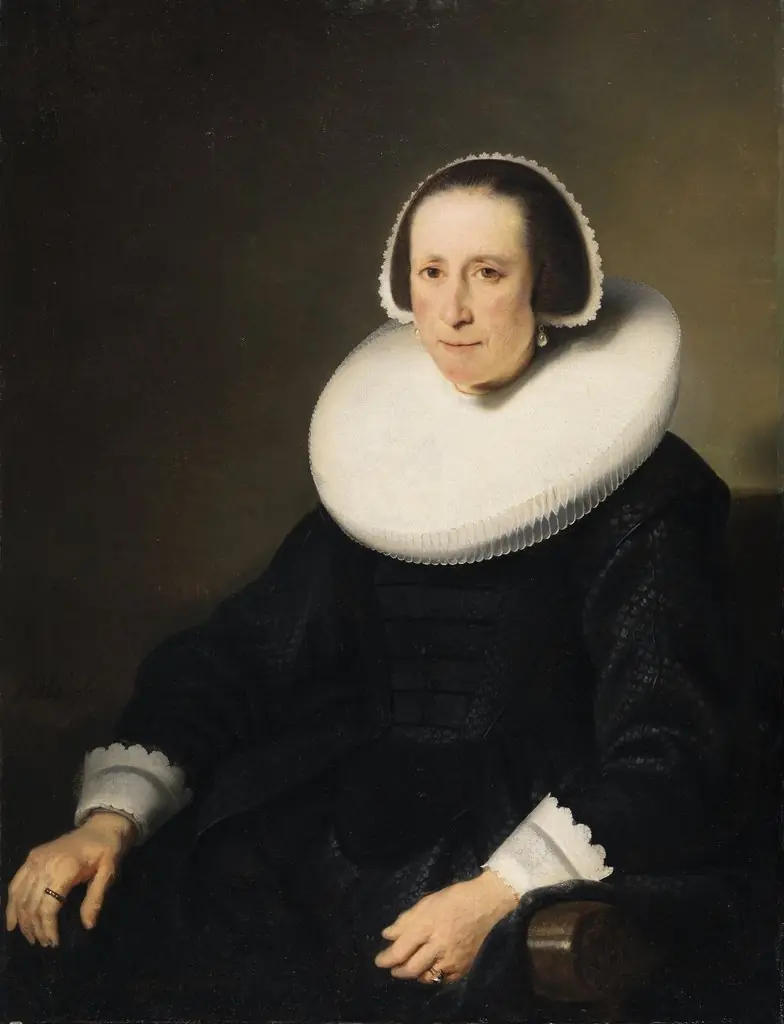
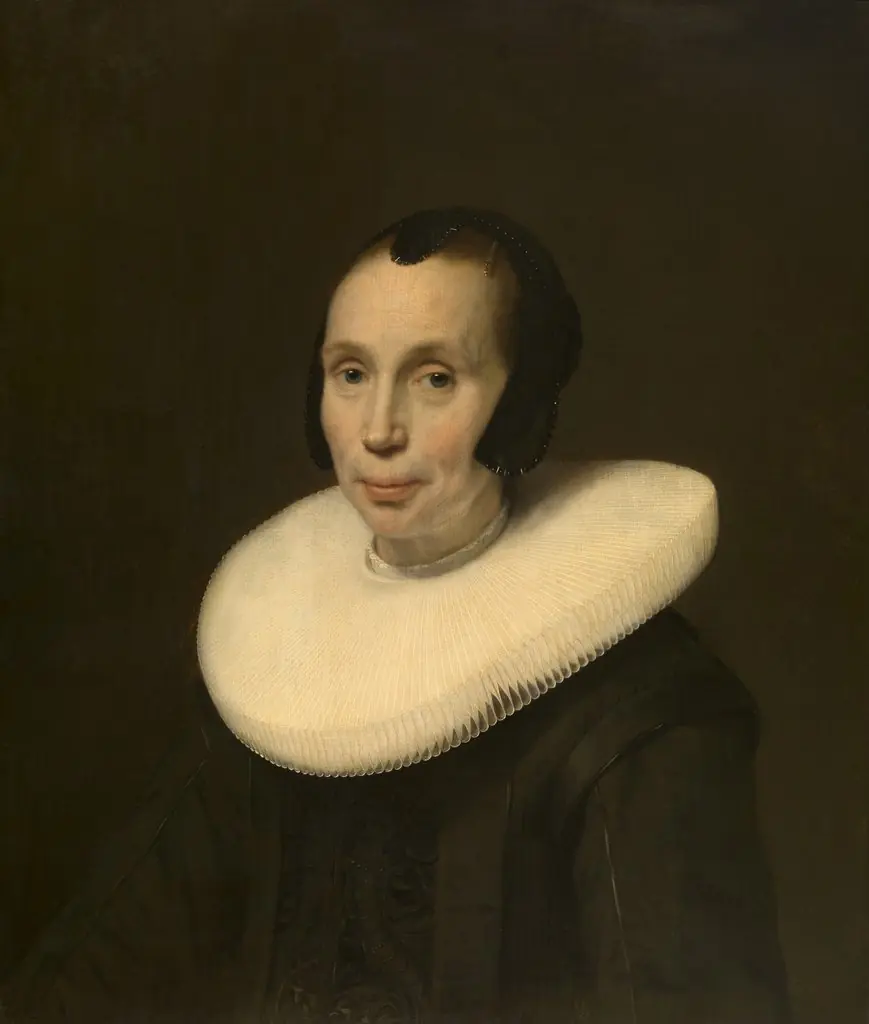
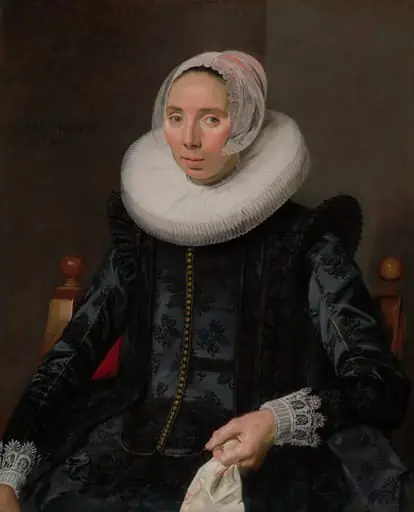
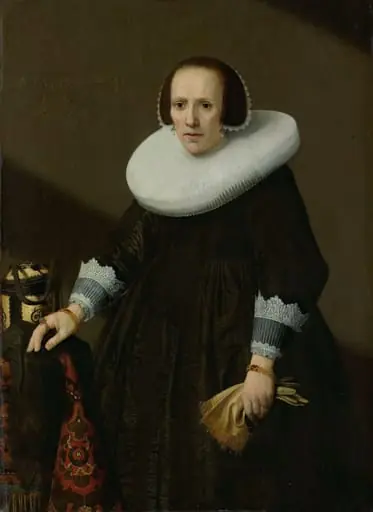
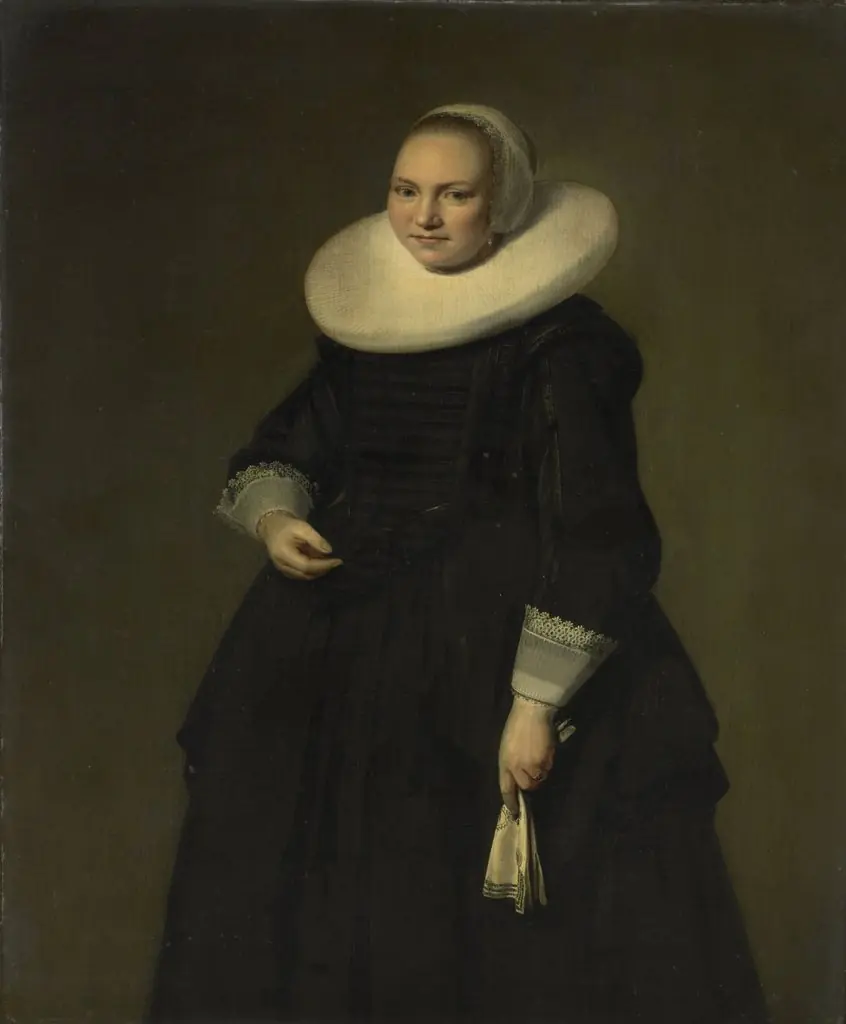
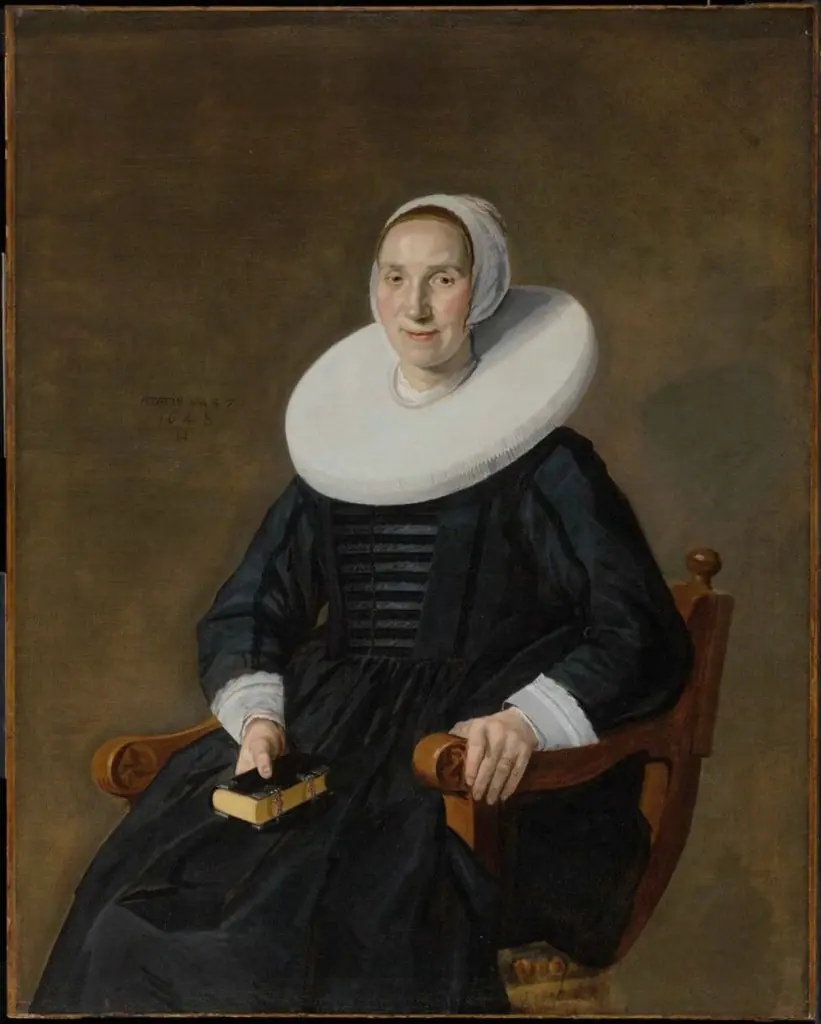
Portrait of a Lady is an unspecified painting by the Baroque artist Unknown. It dates from 1657 and is held in the collection of the Statens Museum for Kunst. Painted in 1657, this portrait depicts an unidentified woman in a quiet, intimate setting.
About this work
Overview
The composition emphasizes stillness and restraint, with the subject positioned centrally against a deep, unmodulated background.
Painted in 1657, this portrait depicts an unidentified woman in a quiet, intimate setting. Executed in oil on panel, the work is part of the Museum of Ethnography’s collection. The composition emphasizes stillness and restraint, with the subject positioned centrally against a deep, unmodulated background. Her attire and gestures suggest a life of modest means and private devotion, typical of Dutch domestic portraiture of the period.
Subject & Meaning
The woman’s attire—a black dress with white lace collar and cuffs, paired with a close-fitting cap—indicates piety and social modesty. The book and quill imply literacy and contemplative habits, possibly hinting at religious or scholarly engagement. The small white object in her gloved hands may be a prayer bead or a folded note, reinforcing themes of inner reflection. Her gentle smile and calm gaze convey quiet dignity rather than outward display.
Technique & Style
The artist employs chiaroscuro to model the face and hands with subtle gradations of light, drawing focus to the textures of fabric and skin. The dark background isolates the figure, enhancing the sense of intimacy. Brushwork is precise yet unobtrusive, particularly in the rendering of lace and the soft transitions of shadow. The palette is restrained, dominated by blacks, whites, and muted earth tones, reinforcing the portrait’s solemn tone.
History & Provenance
The painting entered the Museum of Ethnography’s holdings in the early 20th century, though its earlier ownership remains undocumented. It was likely commissioned by a local family in the Dutch Republic, possibly for private veneration or familial remembrance. No records of exhibition or sale prior to its museum acquisition have been found, suggesting it remained within a single lineage until the modern era.
Context
Created during the Dutch Golden Age, this portrait reflects a cultural shift toward individualized, non-noble portraiture. Unlike grand aristocratic images, it captures a private, middle-class woman in a domestic setting, aligned with Protestant values of humility and introspection. Similar works by contemporaries emphasize quiet virtue over ornamentation, making this piece part of a broader trend in Northern European painting.
Legacy
Though unsigned and unattributed to a known master, the portrait is studied for its sensitive rendering of interiority and its adherence to regional conventions. It contributes to scholarly understanding of how ordinary women were visually represented in 17th-century Holland—not as symbols of status, but as individuals of quiet moral presence. Its preservation in a museum of ethnography underscores its value as a cultural artifact beyond artistic merit.
Artist & collection

 Domestic Scene
 Giacomo and Cardinal Marco, investing Andrea, Abbot of San Zeno, with his Benefice
 The Nymph of Fontainebleau
 Portrait of a Woman
 Madonna and Child with Saints in the Enclosed Garden
 Venus and Minerva
 Family Group of Four on Sofa
 Wall painting from Room H of the Villa of P. Fannius Synistor at Boscoreale