Artwork
Portrait of a Lady
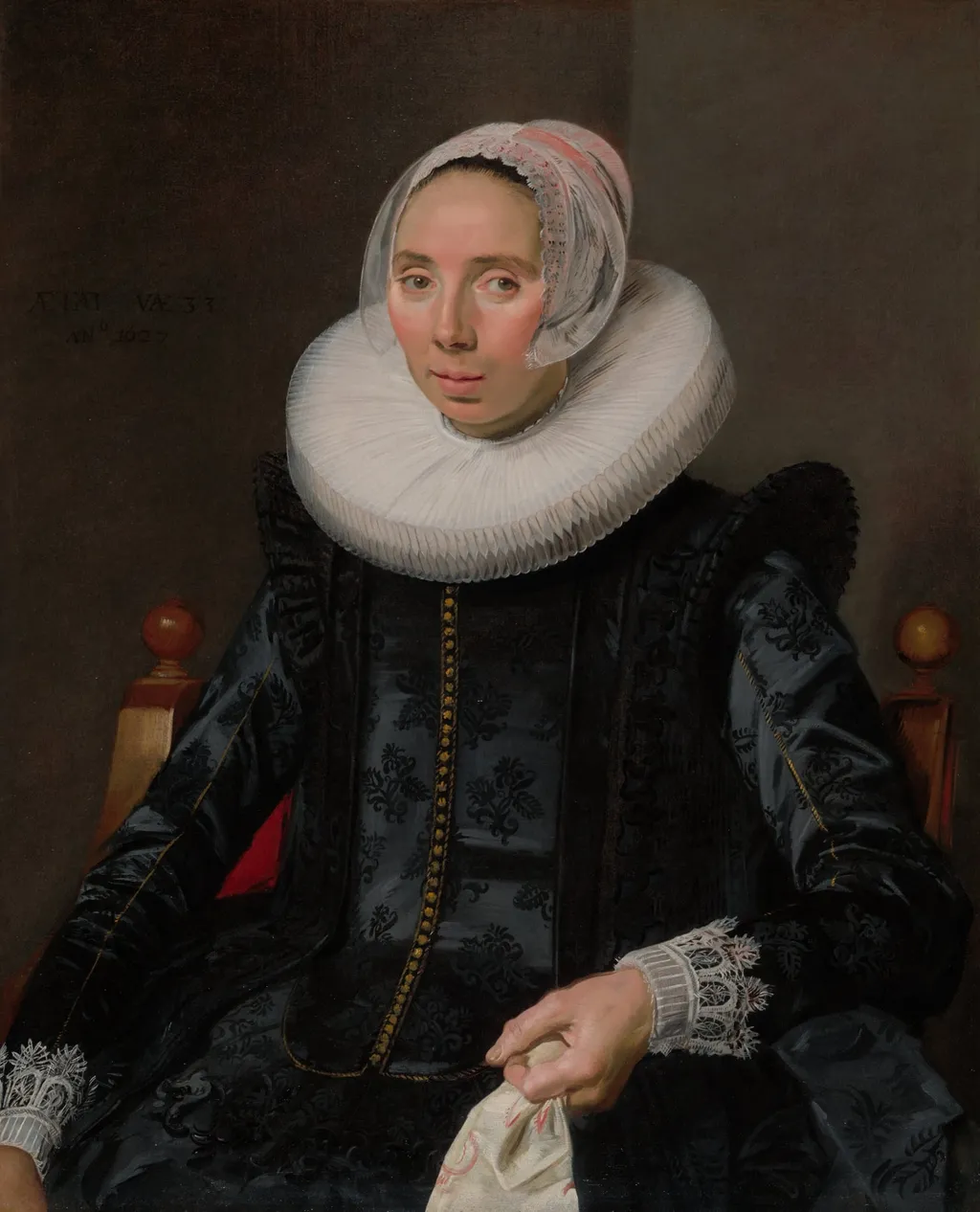
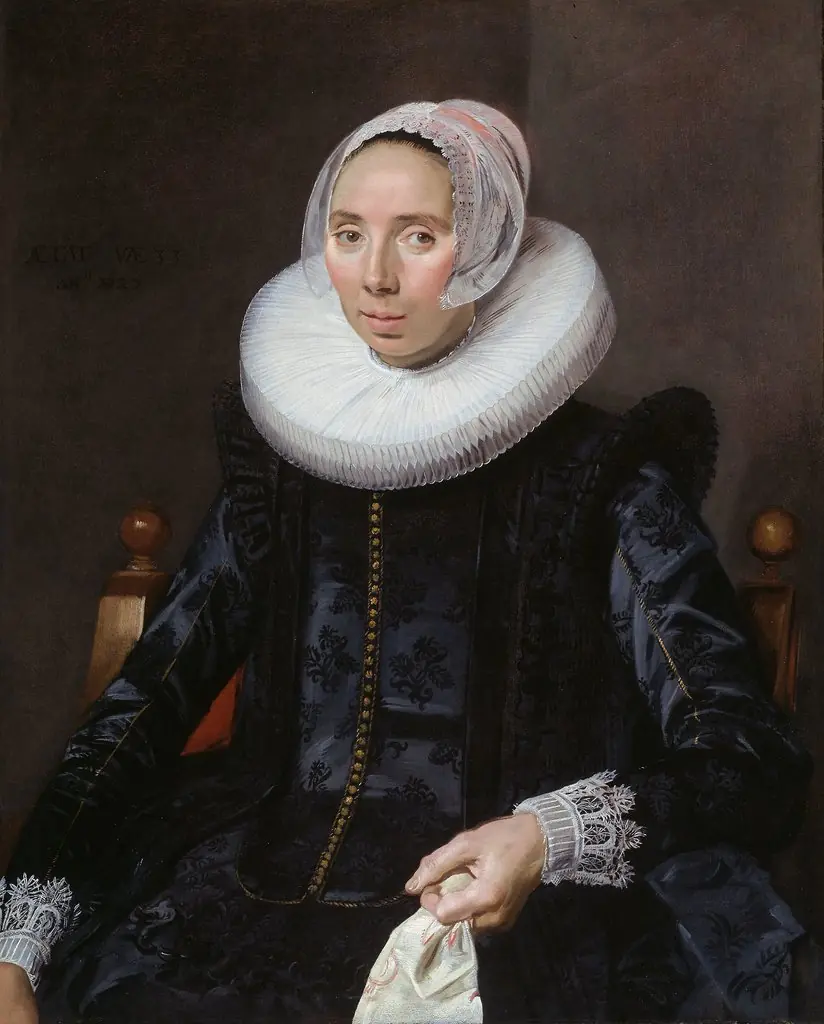
Portrait of a Lady is an oil painting by the Baroque artist Frans Hals. It dates from 1627 and is held in the collection of the Art Institute of Chicago.
About this work
Overview
This oil on canvas portrait, attributed to Frans Hals, depicts a woman of modest aristocratic bearing. Executed with characteristic immediacy, the work reflects Hals’s mastery in capturing transient expression and textile texture through rapid, visible brushwork. The plain background, inscribed with the sitter’s age and the year of execution, directs focus entirely to her presence and attire.
Subject & Meaning
The sitter, aged thirty-three, is portrayed without narrative context or symbolic props, emphasizing her social standing through dress rather than allegory. Her lace cap and brocaded bodice signal wealth and refinement, while her composed gaze suggests quiet dignity. Hals avoids idealization, presenting her as a real individual within the conventions of Dutch portraiture of the era.
Technique & Style
Hals employed loose, energetic brushstrokes to suggest the sheen of satin and the intricate weave of lace, avoiding meticulous detail in favor of optical suggestion. Highlights on the bodice and cap are rendered with swift, confident strokes, creating luminosity through contrast rather than blending. This method conveys texture and movement while preserving a sense of spontaneity.
History & Provenance
The painting is dated and inscribed with the sitter’s age, a practice common in Hals’s portraits to authenticate and contextualize the work. Its early provenance remains undocumented, but its stylistic consistency with Hals’s mid-career output places it firmly in the 1630s. It has remained in private and institutional collections since at least the 19th century.
Context
Hals worked within a Dutch tradition that valued individuality and restrained elegance in portraiture. Unlike court painters who favored elaborate settings, he favored minimal backgrounds to heighten psychological presence. His approach diverged from the more formal compositions of contemporaries like Paulus Moreelse, prioritizing vitality over decorum.
Legacy
This portrait exemplifies Hals’s influence on later generations of painters who valued expressive brushwork over polished finish. His ability to convey character through gesture and texture became a touchstone for 19th-century realists and impressionists. The work remains a key reference in studies of Dutch portraiture’s evolution toward immediacy and psychological depth.
Own this work as a print
Artist & collection
Artist
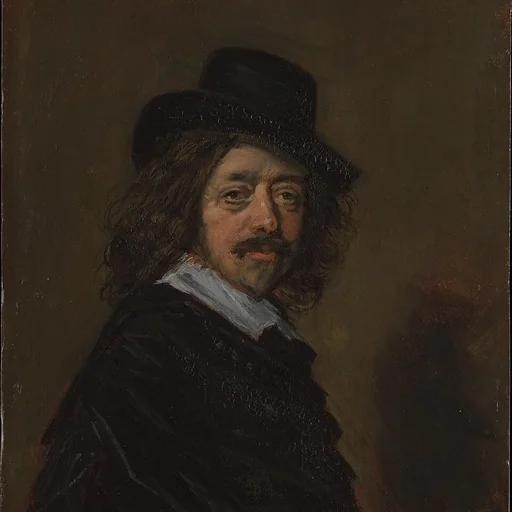
Frans Hals the Elder (UK: , US: ; Dutch: ; c. 1582 – 26 August 1666) was a Dutch Golden Age painter. He lived and worked in Haarlem, a city in which the local authority of the day frowned on religious painting in places…

 Portrait of a Lady
 Portrait of a woman
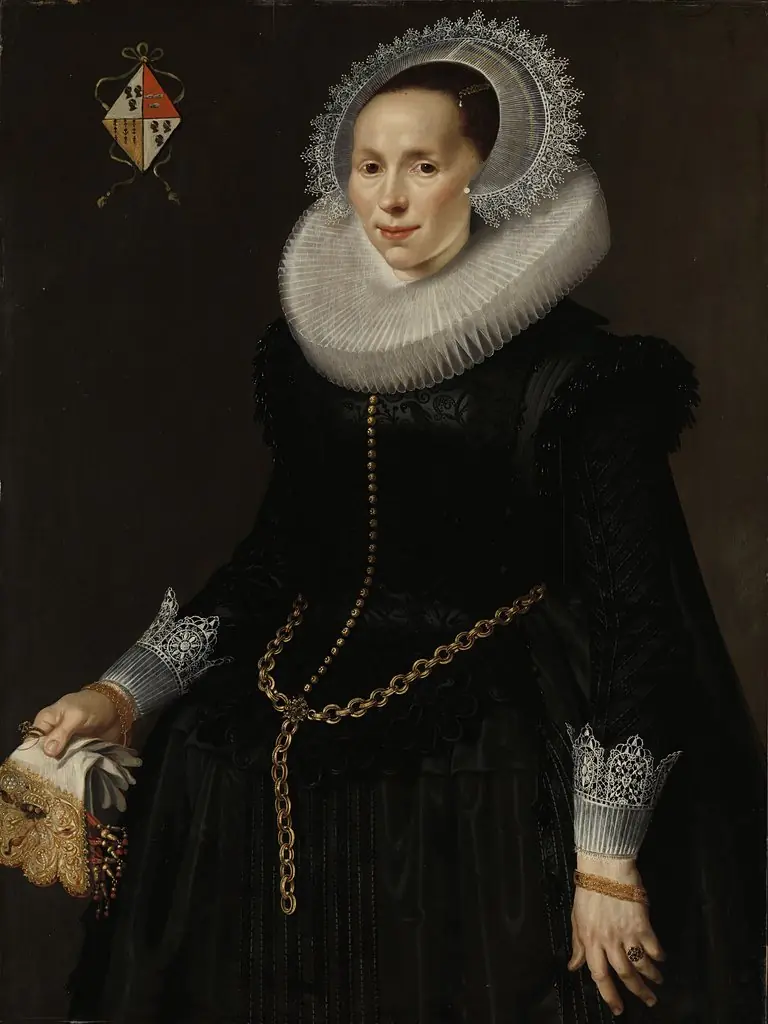 Portrait of Johanna Le Maire (c. 1601-60)
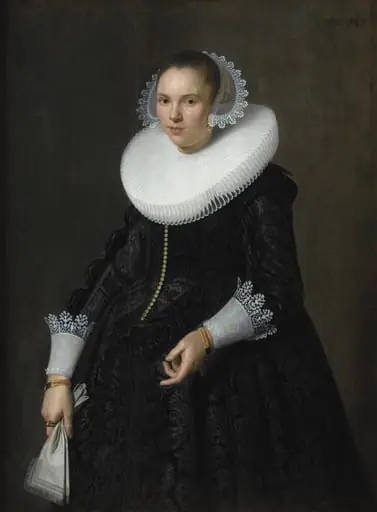 Portrait of a Lady
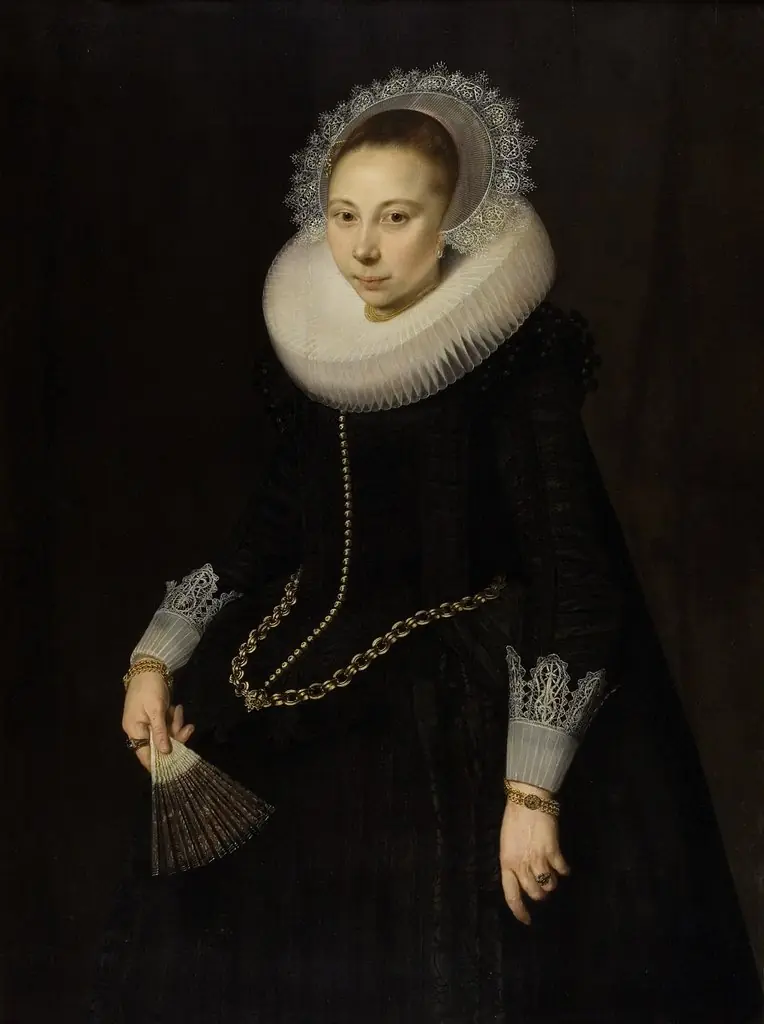 Portrait of Maria Overrijn van Schoterbosch (1599/1600-1638)
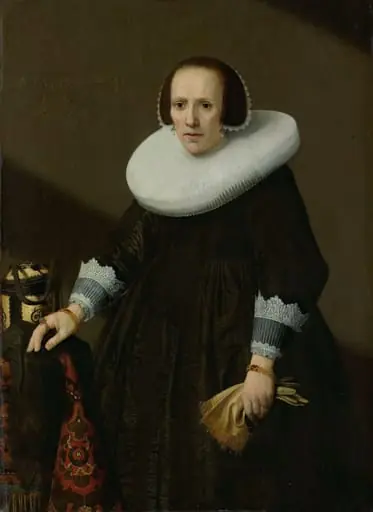 Untitled
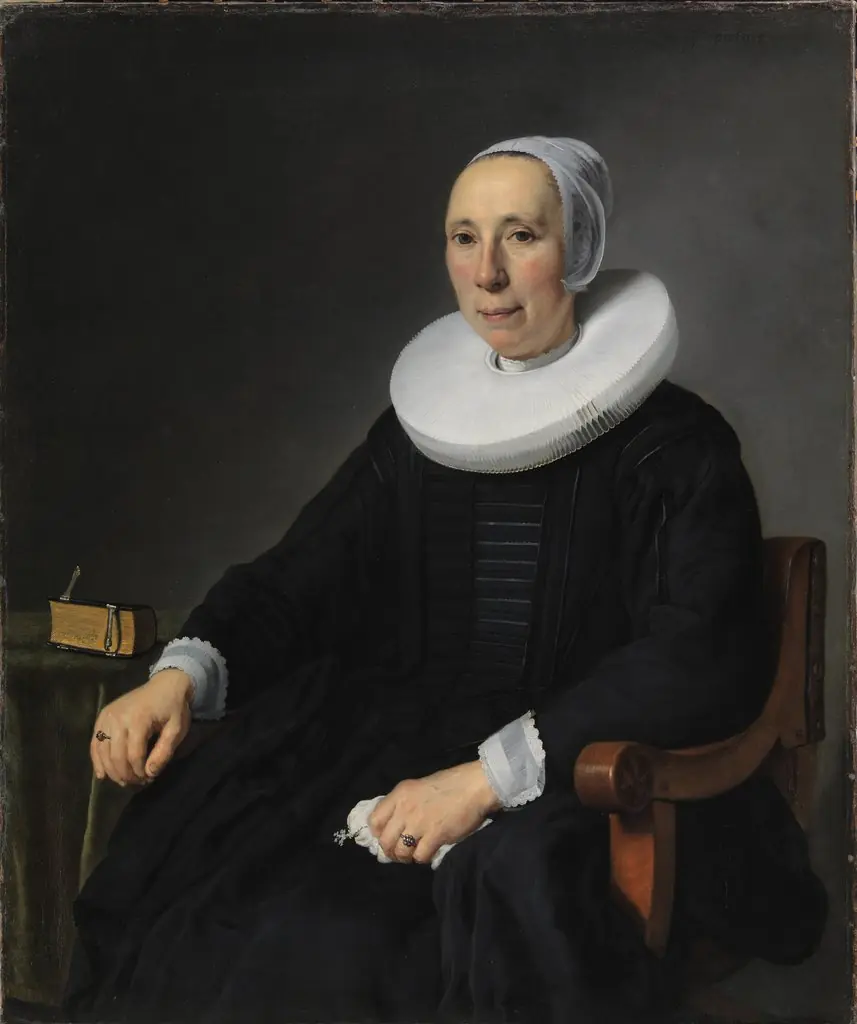 Portrait of a Lady
 Portrait of a Lady
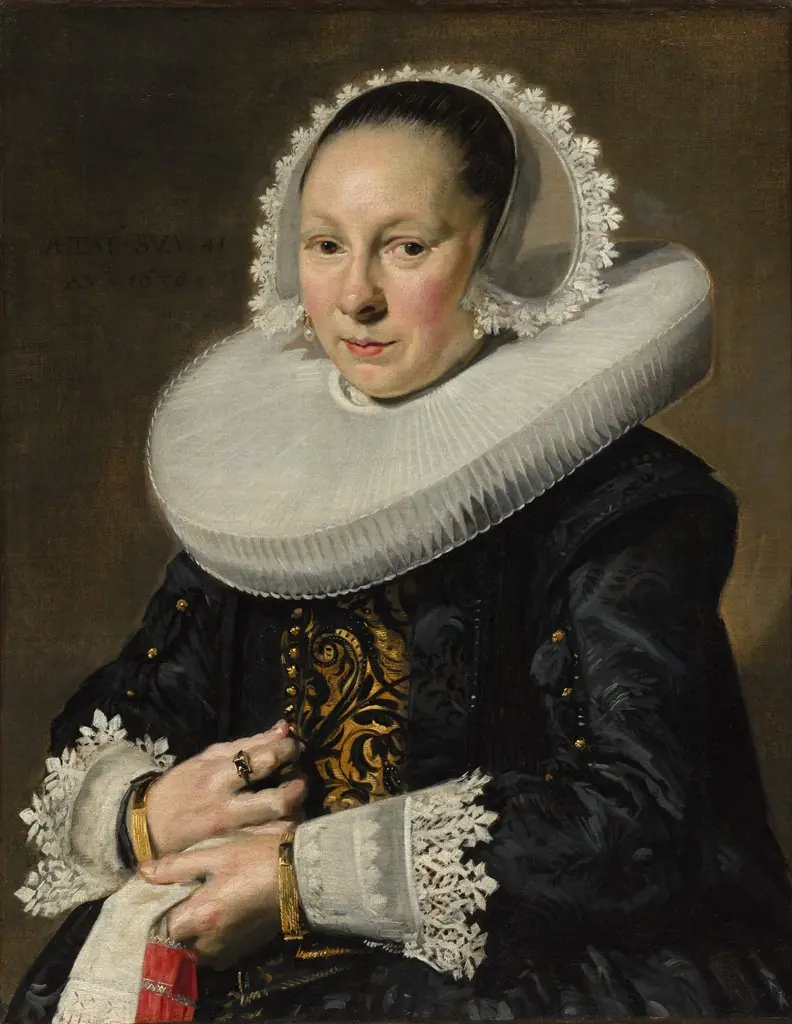 Portrait of a Woman, probably Aeltje Dircksdr. Pater
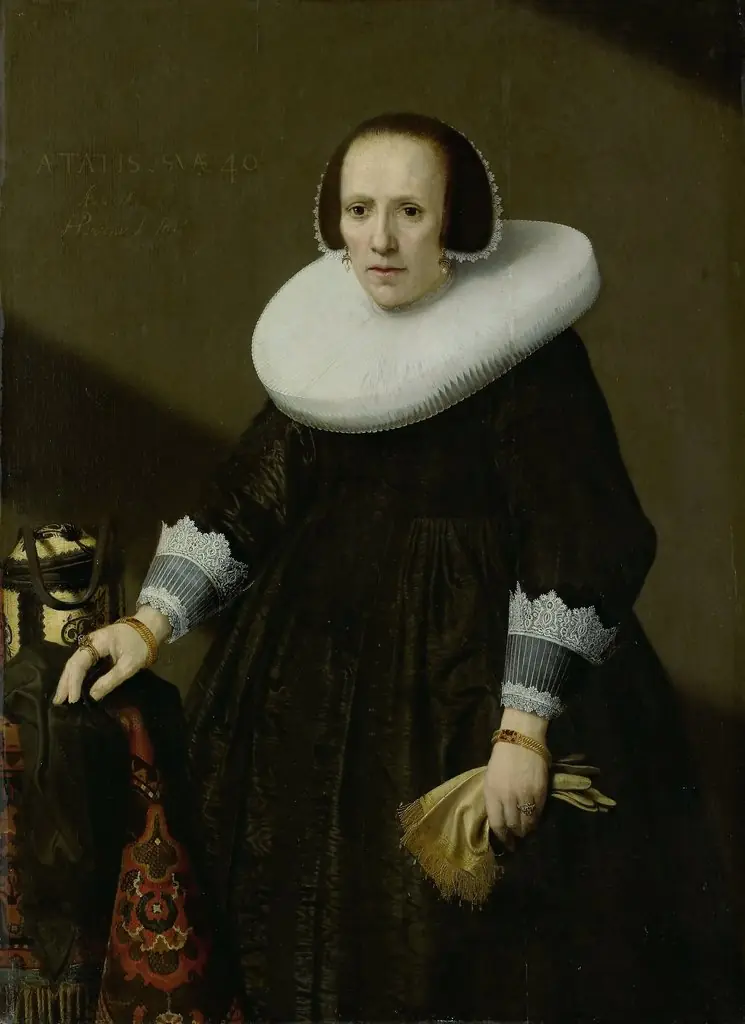 Portrait of Geertruyd Reael (1600-52)
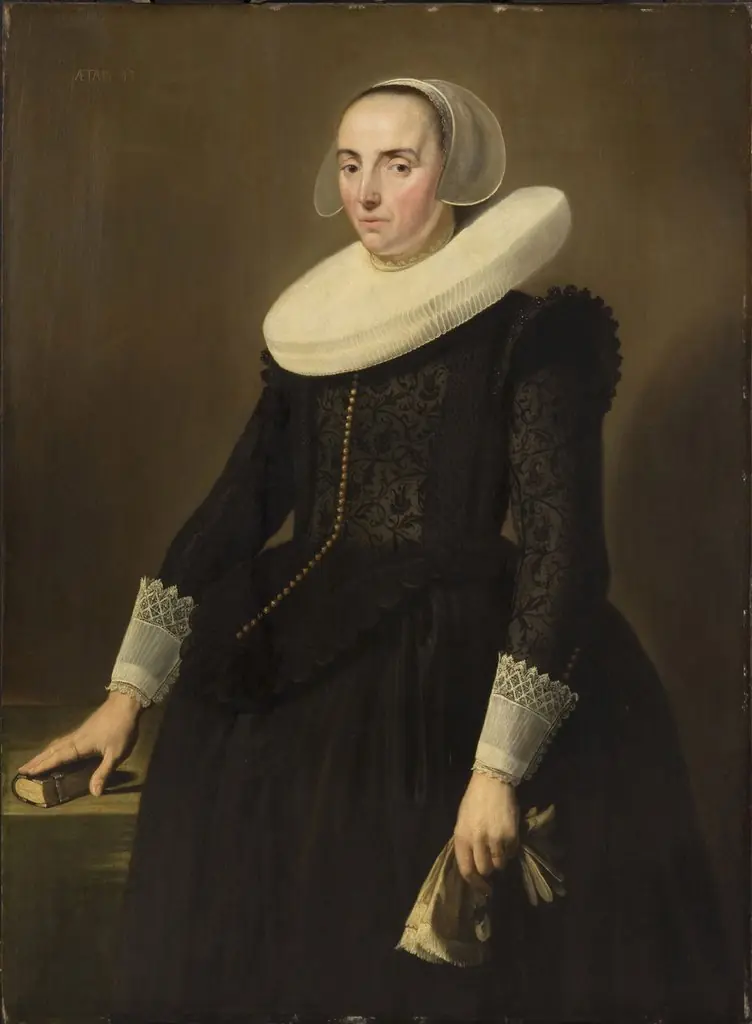 Portrait of Jeanne de Planque
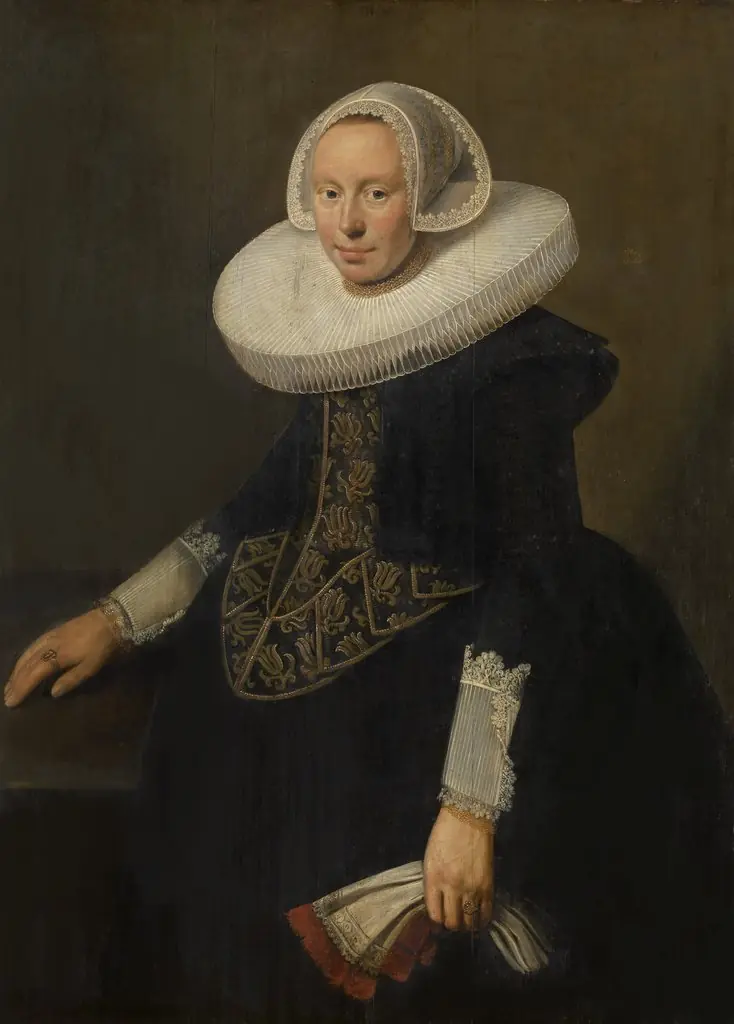 Portrait of a Woman