Artwork
A Peasant Party
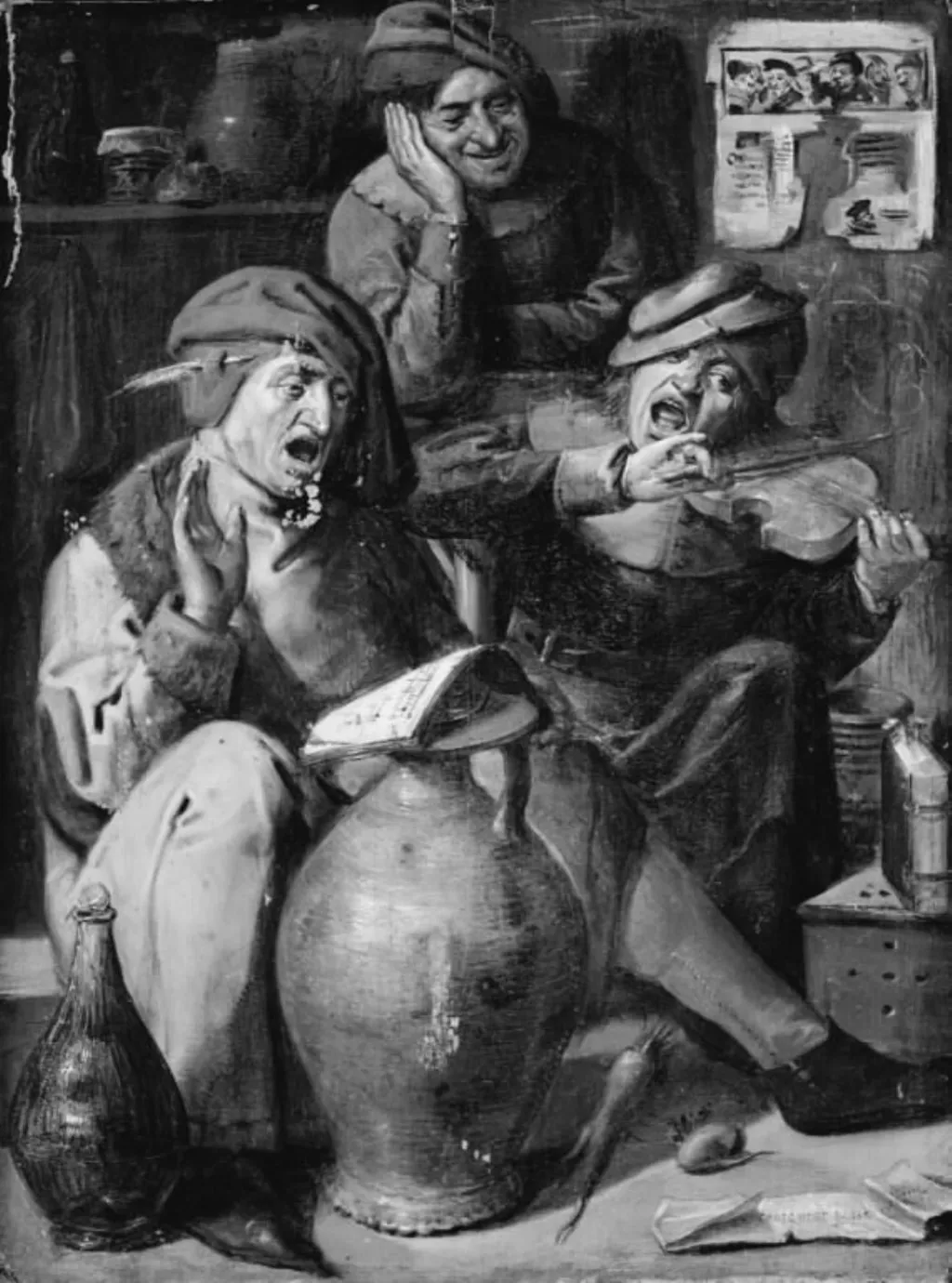
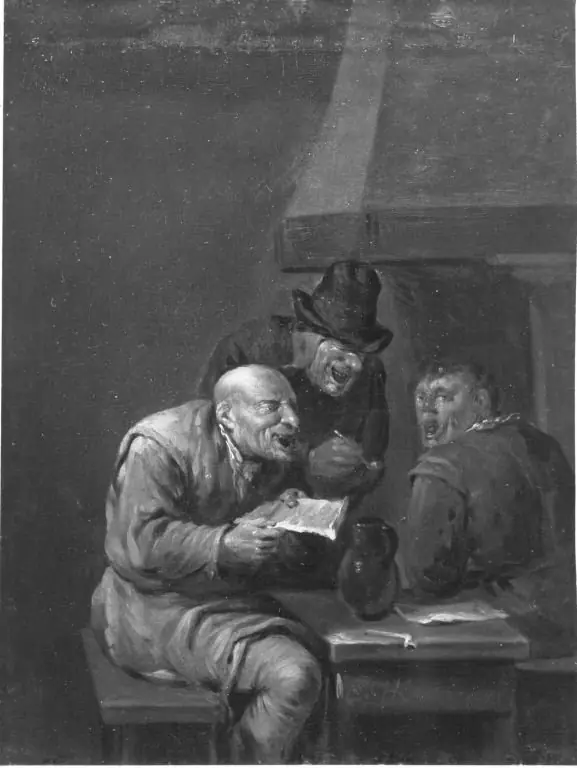
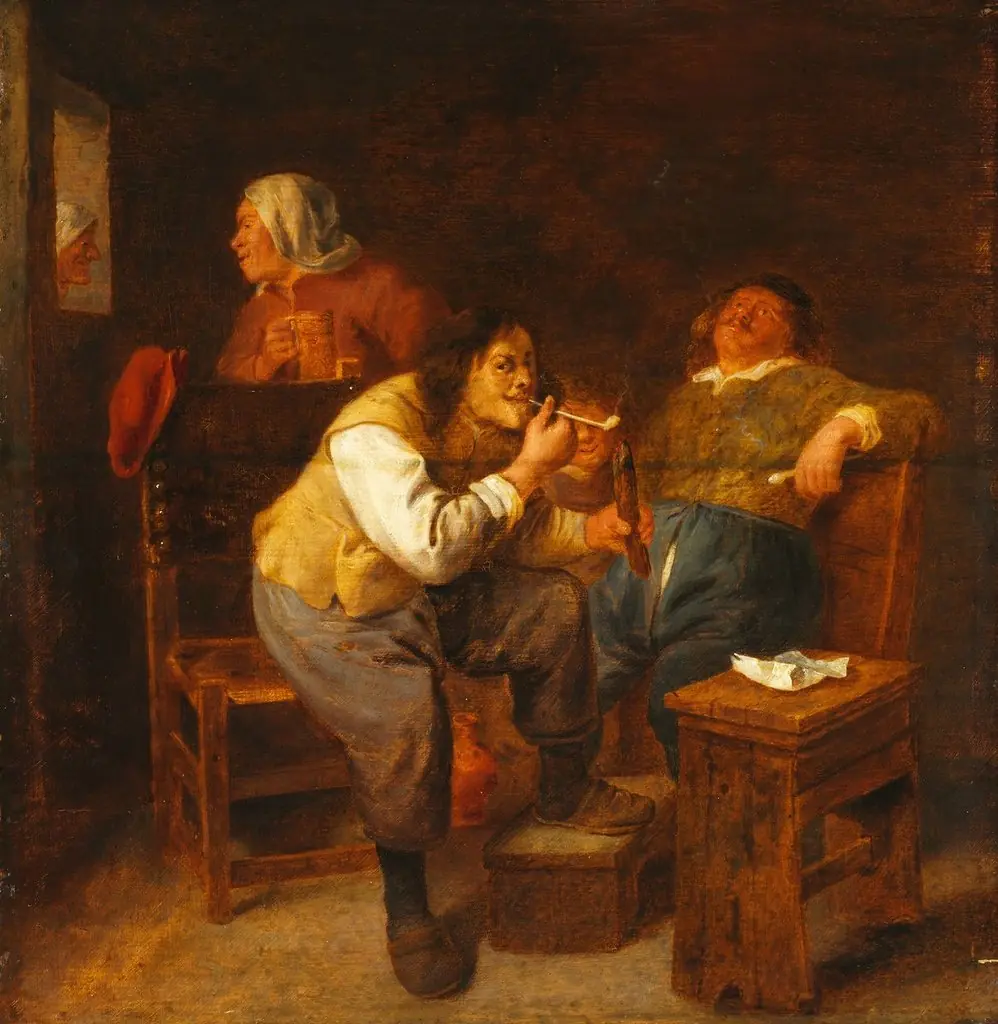
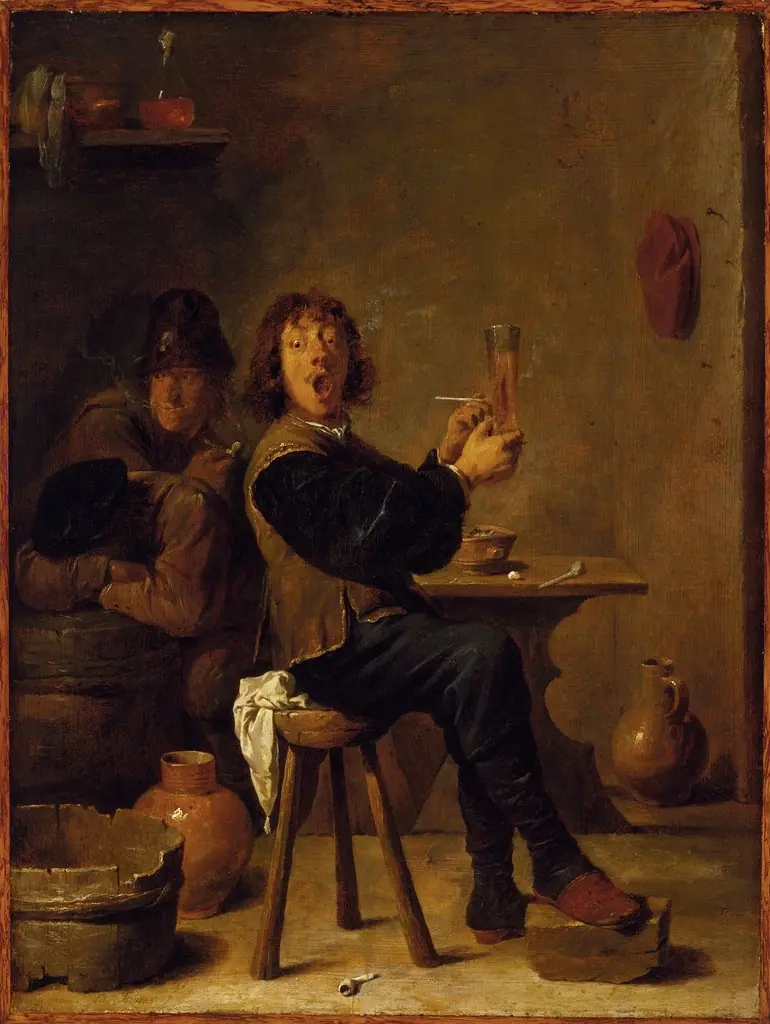
A Peasant Party is a photography by Unknown. It dates from 1607 and is held in the collection of the Statens Museum for Kunst. Created around 1607, this painting depicts a quiet domestic gathering of three peasant men in an intimate interior.
About this work
Overview
Created around 1607, this painting depicts a quiet domestic gathering of three peasant men in an intimate interior. The scene captures a moment of informal camaraderie, centered on music and shared enjoyment. It is preserved in the Museum of Ethnography, where it serves as a record of rural social life in early 17th-century Europe.
Subject & Meaning
The three figures engage in a spontaneous musical exchange: one plays violin, another sings, and the third claps in rhythm. Their attire and surroundings suggest modest means, yet their expressions convey warmth and contentment. The scene avoids idealization, presenting leisure as a natural part of peasant life, rooted in community rather than spectacle.
Technique & Style
The composition relies on muted tones and restrained lighting to emphasize the figures’ gestures and facial expressions. Background elements—scattered papers, a large jug—are rendered with minimal detail, focusing attention on the trio. Brushwork is direct and unembellished, reflecting a documentary impulse rather than theatrical flair.
History & Provenance
The painting’s early history is undocumented, but it entered the Museum of Ethnography’s collection in the late 19th century as part of a broader effort to preserve vernacular cultural artifacts. Its attribution to 2106_person remains tentative, based on stylistic comparisons with regional works of the period.
Context
In early 1600s Europe, depictions of peasant life were rare outside genre scenes by Northern artists. This work aligns with a growing interest in everyday subjects, though it lacks the moralizing or satirical tone common in contemporaneous paintings. Its focus on music and joy reflects local traditions of communal celebration in rural communities.
Legacy
Though not widely known, the painting contributes to the visual record of non-elite social practices in early modern Europe. It offers insight into how music functioned as a daily, unpolished form of expression among rural populations, distinct from courtly or ecclesiastical traditions.
Artist & collection

 Domestic Scene
 Giacomo and Cardinal Marco, investing Andrea, Abbot of San Zeno, with his Benefice
 The Nymph of Fontainebleau
 Portrait of a Woman
 Madonna and Child with Saints in the Enclosed Garden
 Venus and Minerva
 Family Group of Four on Sofa
 Wall painting from Room H of the Villa of P. Fannius Synistor at Boscoreale