Artwork
Landscape with the Good Samaritan
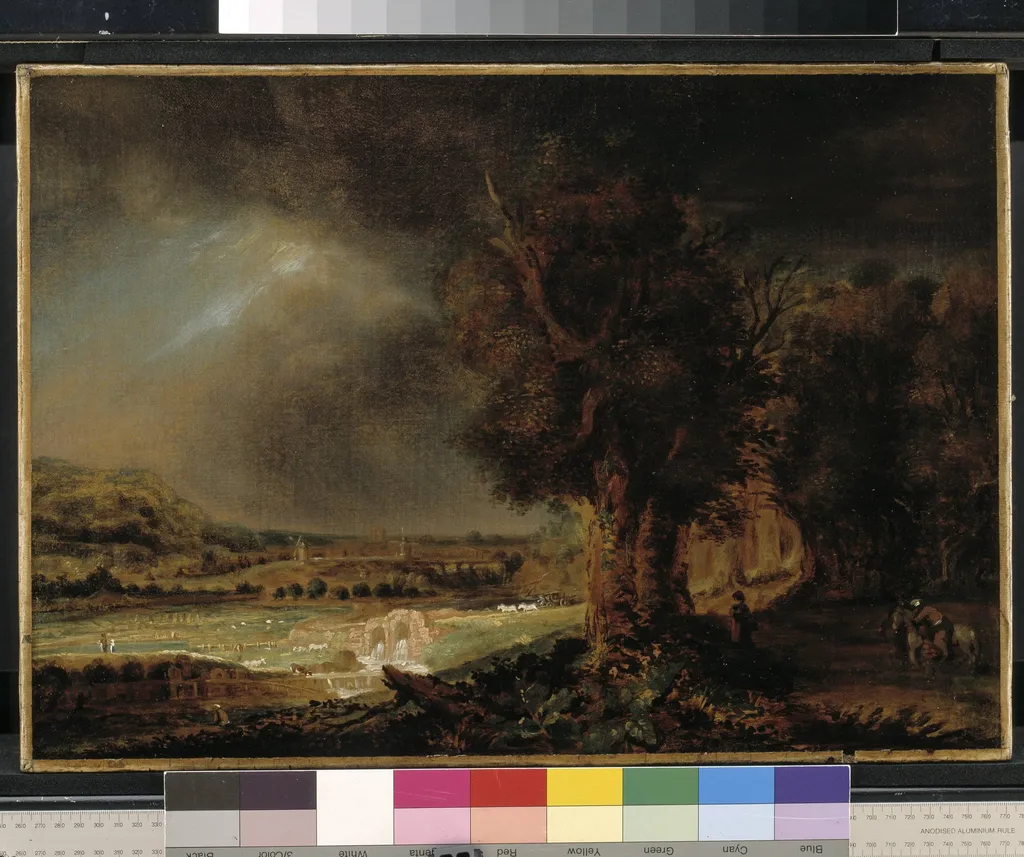
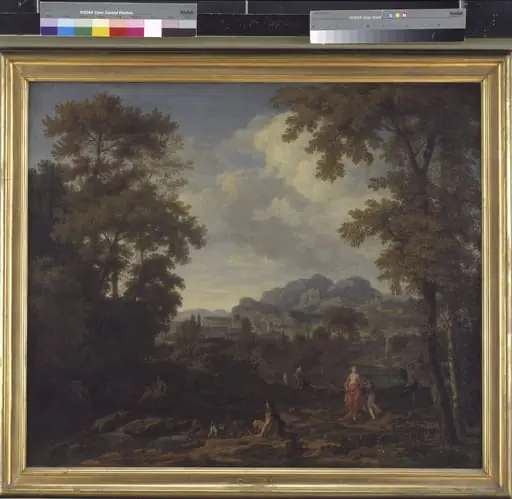
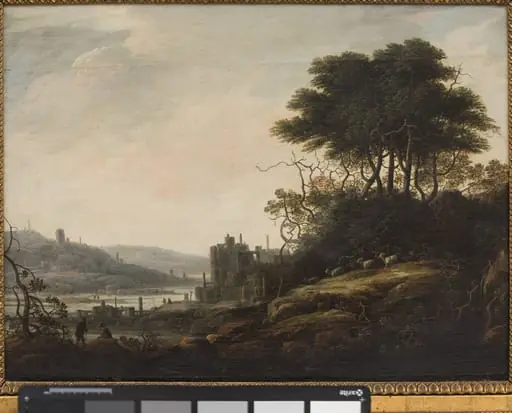
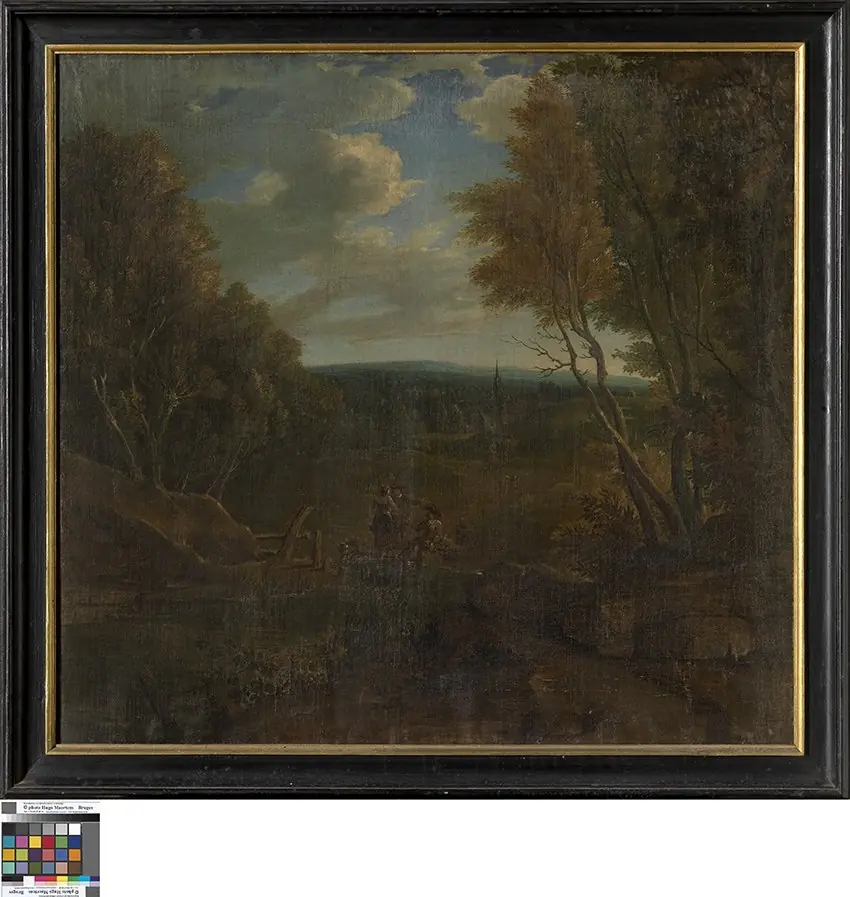
Landscape with the Good Samaritan is an unspecified painting by Unknown. It dates from 1750 and is held in the collection of the Statens Museum for Kunst. Painted around 1750, this landscape depicts a tranquil rural scene with subtle narrative elements.
About this work
Overview
Painted around 1750, this landscape depicts a tranquil rural scene with subtle narrative elements. Though attributed to 21970_person, little is known about the artist’s life. The work is currently held by the Museum of Ethnography, where it is displayed as part of a collection emphasizing regional visual traditions rather than religious iconography.
Subject & Meaning
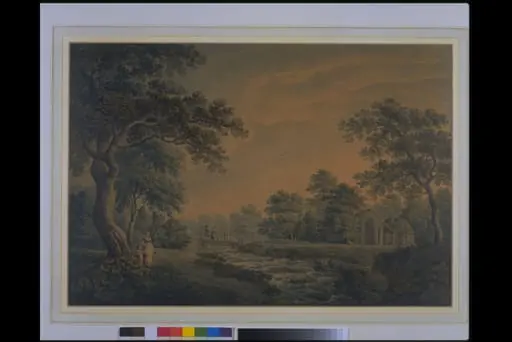
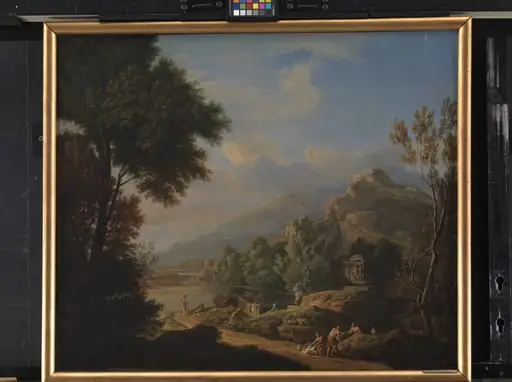
The scene includes a figure aiding another beside a river, referencing the biblical parable of the Good Samaritan. Yet the narrative is understated, integrated into the broader landscape rather than emphasized. The quiet interaction suggests moral reflection embedded in daily life, aligning with 18th-century tendencies to ground spiritual themes in natural settings.
Technique & Style
The artist employs soft tonal transitions and muted hues to evoke stillness. Light enters from the upper left, gently illuminating clouds while leaving the foreground in subdued shadow. Brushwork is blended, avoiding sharp contours, which enhances the sense of atmospheric depth and quiet mystery. The composition favors horizontal balance over dramatic focal points.
History & Provenance
The painting entered the Museum of Ethnography’s collection in the late 19th century, likely acquired during a period of expanded ethnographic and regional art documentation. Its attribution to 21970_person remains tentative, based on stylistic comparison with other works from the same region and era. No earlier ownership records have been verified.
Context
Created during a time when landscape painting increasingly prioritized mood over narrative, this work reflects a broader European shift toward naturalism. Religious references were often embedded subtly, appealing to viewers familiar with biblical stories without requiring overt symbolism. Regional artists frequently blended local topography with familiar moral tales.
Legacy
Though not widely reproduced or studied, the painting contributes to understanding how rural European artists interpreted religious themes through everyday scenery. Its quiet composition influenced later regional painters who favored atmospheric harmony over dramatic storytelling, preserving a quiet, contemplative strand of 18th-century landscape tradition.
Artist & collection

 Domestic Scene
 Giacomo and Cardinal Marco, investing Andrea, Abbot of San Zeno, with his Benefice
 The Nymph of Fontainebleau
 Portrait of a Woman
 Madonna and Child with Saints in the Enclosed Garden
 Venus and Minerva
 Family Group of Four on Sofa
 Wall painting from Room H of the Villa of P. Fannius Synistor at Boscoreale