Artwork
Adam and Eve with Cain and Abel
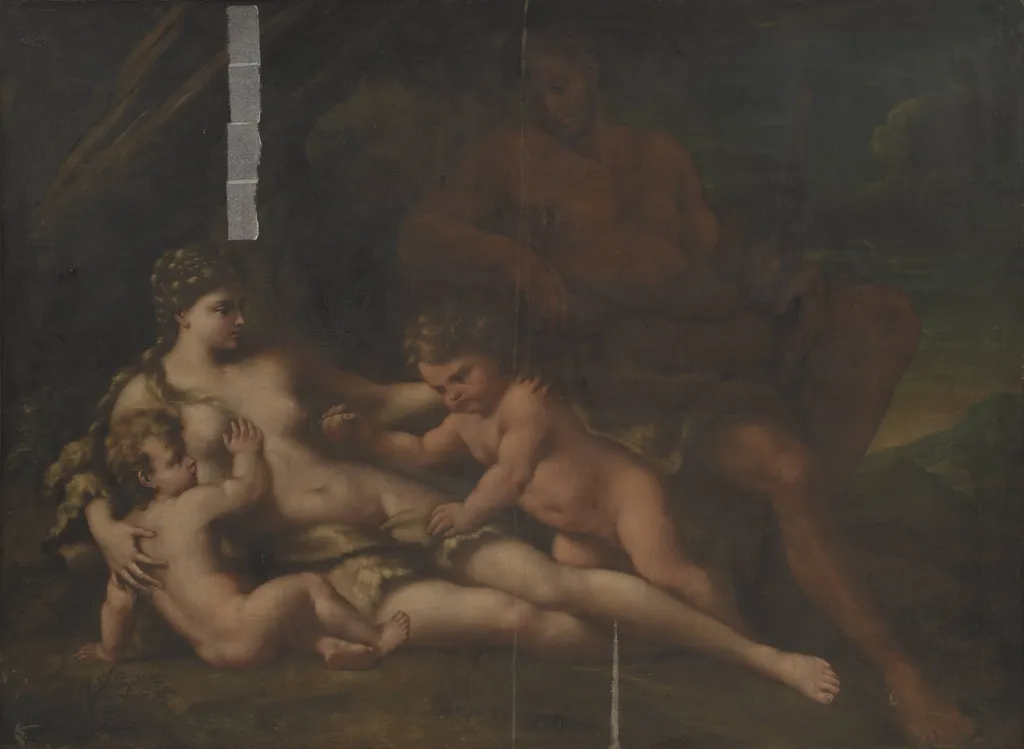
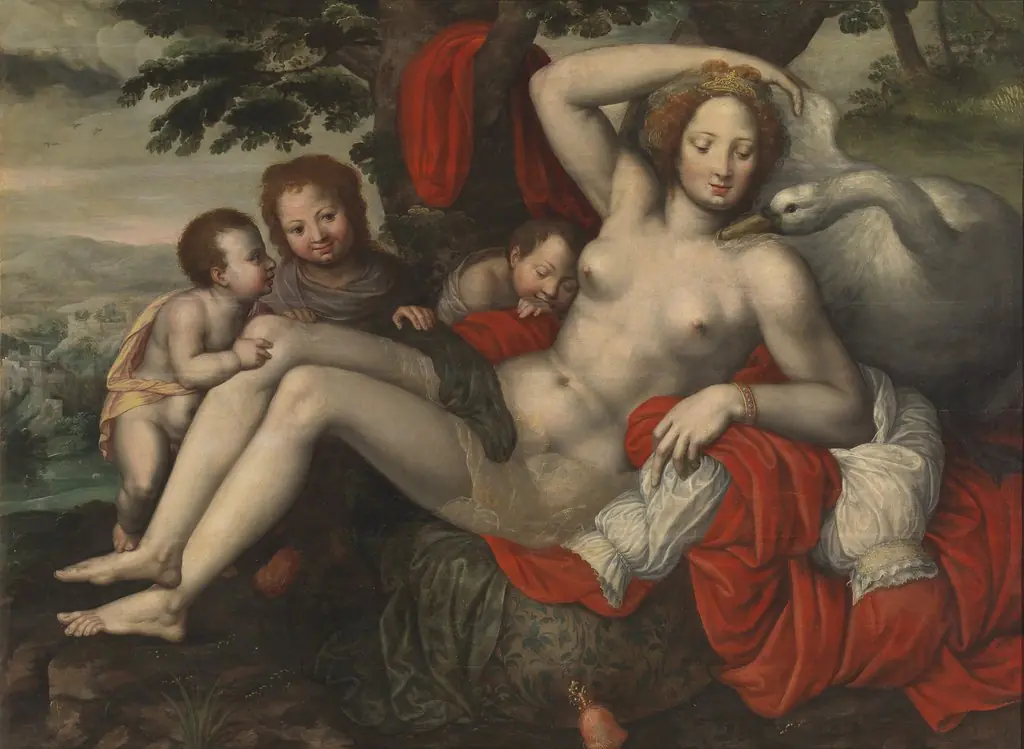
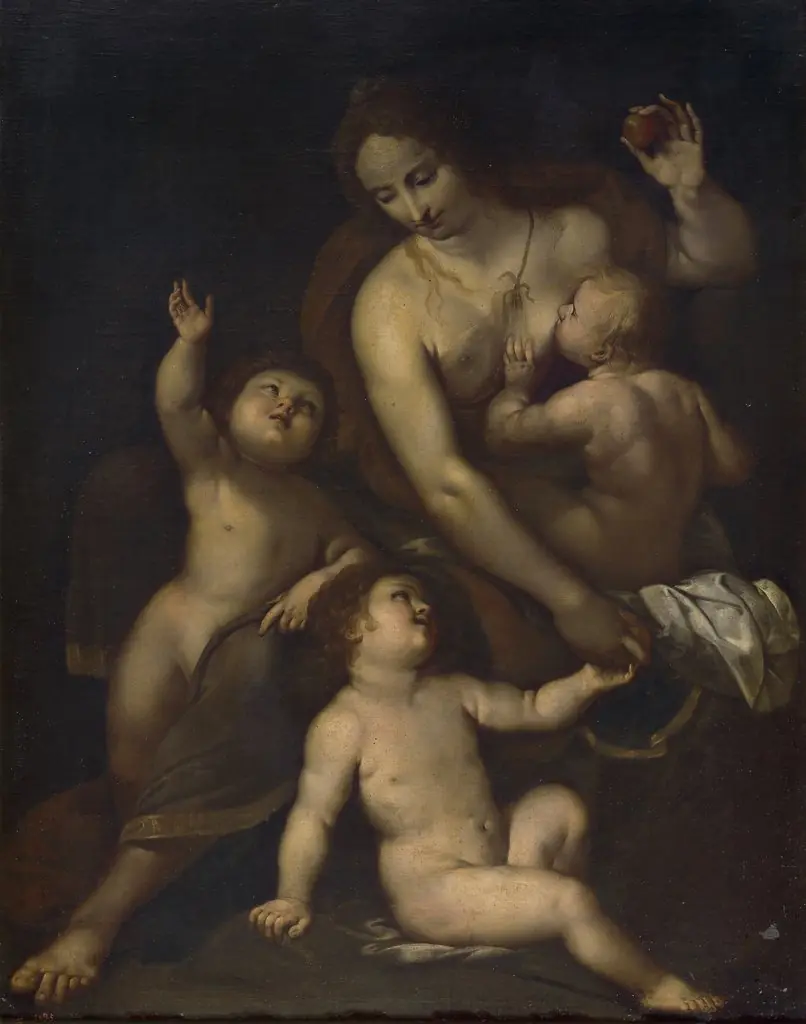
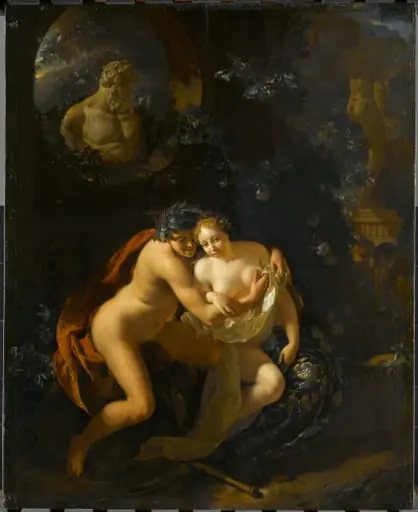
Adam and Eve with Cain and Abel is a photography by Unknown. It dates from 1750 and is held in the collection of the Statens Museum for Kunst. Created around 1750, this image depicts the biblical figures Adam and Eve alongside their sons Cain and Abel in a somber, enclosed setting.
About this work
Overview
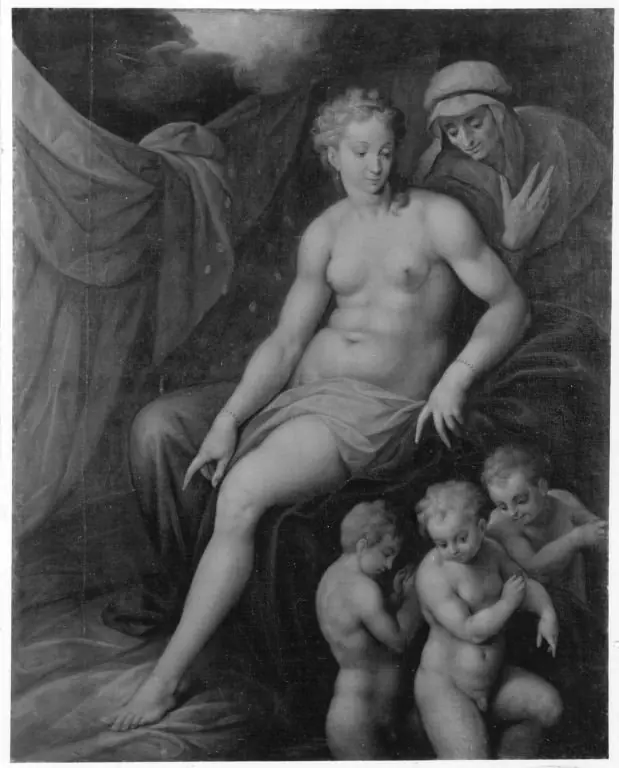
Its composition centers on the maternal figure, surrounded by her children in a moment of stillness, suggesting narrative weight without explicit action.
Created around 1750, this image depicts the biblical figures Adam and Eve alongside their sons Cain and Abel in a somber, enclosed setting. The work is held in the collection of the Museum of Ethnography and is rendered with a quiet, intimate tone. Its composition centers on the maternal figure, surrounded by her children in a moment of stillness, suggesting narrative weight without explicit action.
Subject & Meaning
The scene references the Genesis story, portraying Eve with her two eldest sons, though not explicitly naming Adam. The grouping implies familial bonds and the weight of lineage, with the children’s postures hinting at dependence, tension, or impending division. The absence of overt violence or divine intervention shifts focus to domestic intimacy, inviting contemplation of human relationships within sacred narrative.
Technique & Style
The figures are rendered with soft contours and muted tones, emphasizing volume over detail. A pronounced use of chiaroscuro creates depth, with light falling selectively on skin and fabric while the background recedes into shadow. This contrast enhances the emotional gravity of the scene, grounding the biblical subject in a tactile, human scale rather than grandeur.
History & Provenance
The work’s creator remains unidentified, though it dates to the mid-18th century. It entered the Museum of Ethnography’s collection as part of a broader assemblage of religious and folk imagery, likely collected for its cultural resonance rather than artistic pedigree. Its origins may lie in regional devotional art, possibly from a workshop or itinerant artist working outside academic traditions.
Context
In the 18th century, biblical scenes were commonly depicted in domestic and devotional contexts, often adapted for local audiences. This image reflects a trend toward intimate, emotionally grounded portrayals of sacred stories, distinct from the grandeur of church altarpieces. Its ethnographic preservation suggests it was valued as a cultural artifact, capturing how religious narratives were visualized beyond official institutions.
Legacy
Though not widely known in art historical circles, the work contributes to understanding how biblical stories were internalized in vernacular visual culture. Its quiet composition and emotional subtlety offer a counterpoint to more dramatic interpretations, preserving a mode of storytelling that prioritized personal connection over spectacle. It remains a quiet witness to the persistence of sacred imagery in everyday life.
Artist & collection

 Domestic Scene
 Giacomo and Cardinal Marco, investing Andrea, Abbot of San Zeno, with his Benefice
 The Nymph of Fontainebleau
 Portrait of a Woman
 Madonna and Child with Saints in the Enclosed Garden
 Venus and Minerva
 Family Group of Four on Sofa
 Wall painting from Room H of the Villa of P. Fannius Synistor at Boscoreale