Artwork
Historian and Prime Minister Ove Malling
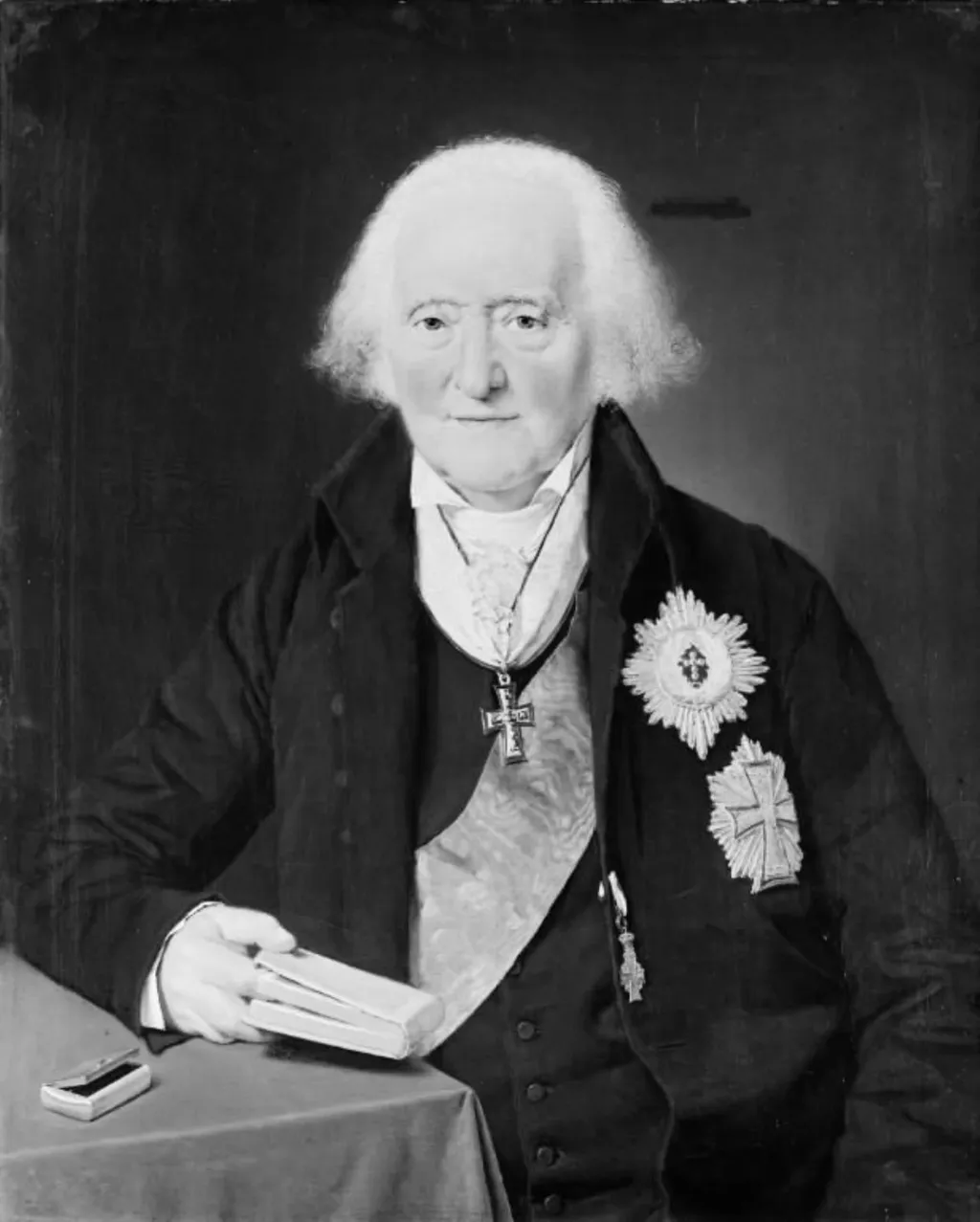
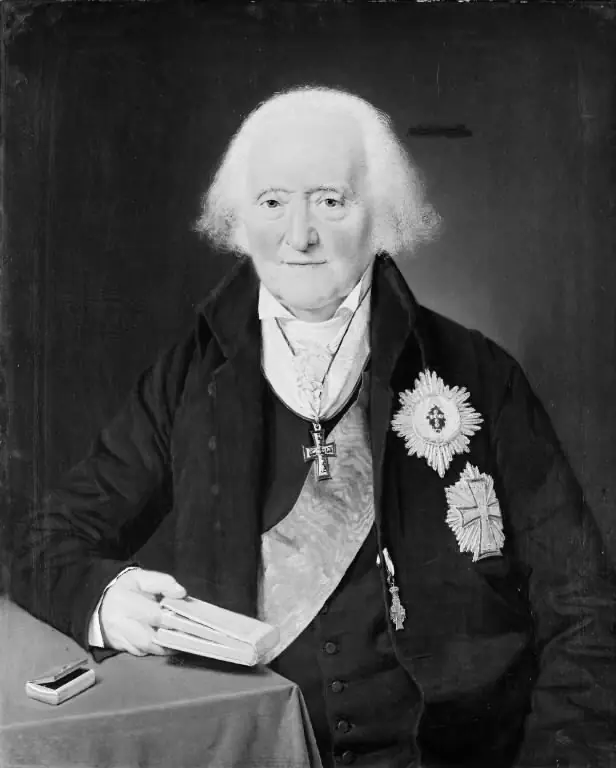
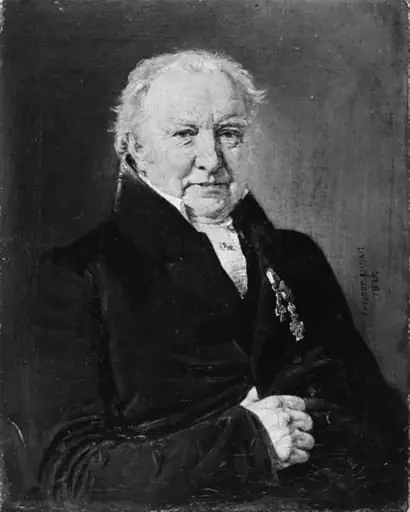
Historian and Prime Minister Ove Malling is a photography by Unknown. It dates from 1850 and is held in the collection of the Statens Museum for Kunst. This black-and-white portrait depicts Ove Malling, a Danish historian and former prime minister, created around 1850.
About this work
Overview
This black-and-white portrait depicts Ove Malling, a Danish historian and former prime minister, created around 1850.
This black-and-white portrait depicts Ove Malling, a Danish historian and former prime minister, created around 1850. The image is a studio photograph, typical of mid-19th-century formal portraiture. It presents Malling in full dress, with precise lighting and a dark, unadorned background to emphasize his presence. The composition reflects the conventions of the era, prioritizing dignity and social status over artistic flourish.
Subject & Meaning
Ove Malling is portrayed with the accoutrements of public service: a medal on a ribbon, two lapel pins, and a formal cravat. His white, curly hair and serious expression convey age and gravitas. The small object in his left hand may signify scholarly engagement, reinforcing his identity as a historian. The image functions as a visual record of civic authority, aligning his personal appearance with institutional legitimacy.
Technique & Style
The photograph employs controlled studio lighting to model the contours of Malling’s face and attire, a hallmark of early photographic portraiture. The dark background isolates the subject, while the sharp focus on his clothing and facial features suggests the use of a long exposure. The medium’s limitations are evident in the lack of tonal range, yet the detail in textures—fabric, hair, metal—demonstrates technical precision.
History & Provenance
The portrait was likely commissioned during or shortly after Malling’s tenure in public office. It entered the collection of the Museum of Ethnography, an institution more commonly associated with cultural artifacts than political figures. Its presence there suggests an interest in documenting Danish societal leadership as part of broader cultural history.
Context
In the 1850s, photography was emerging as a tool for documenting public figures, replacing painted portraits among the educated elite. Malling’s image reflects this transition, capturing a statesman in a new medium that emphasized authenticity over idealization. His attire and insignia align with European norms of official representation, signaling both national identity and personal achievement.
Legacy
The portrait endures as a primary visual source for understanding Malling’s public persona. While not widely exhibited, it contributes to archival efforts to preserve the visual culture of 19th-century Danish governance. Its preservation in an ethnographic context underscores the evolving role of photography in documenting social and political life beyond mere aesthetics.
Artist & collection

 Domestic Scene
 Giacomo and Cardinal Marco, investing Andrea, Abbot of San Zeno, with his Benefice
 The Nymph of Fontainebleau
 Portrait of a Woman
 Madonna and Child with Saints in the Enclosed Garden
 Venus and Minerva
 Family Group of Four on Sofa
 Wall painting from Room H of the Villa of P. Fannius Synistor at Boscoreale
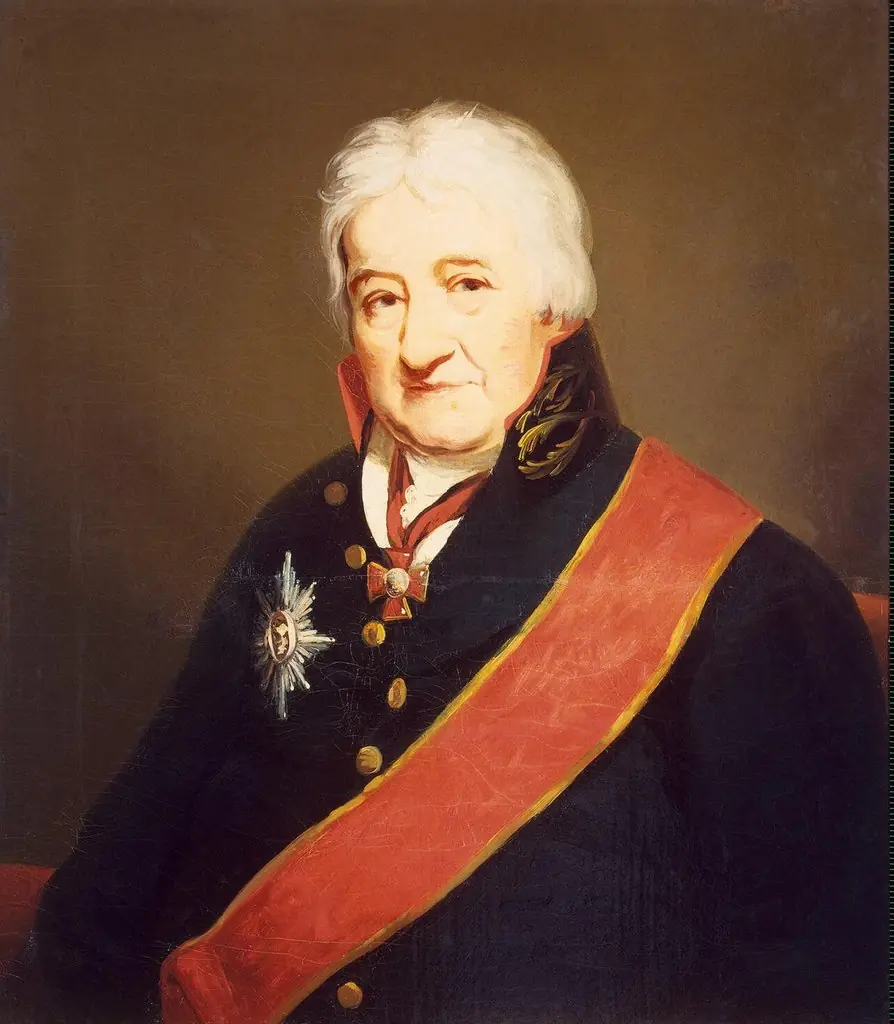 Portrait of Charles Gascoigne (1739-1806)
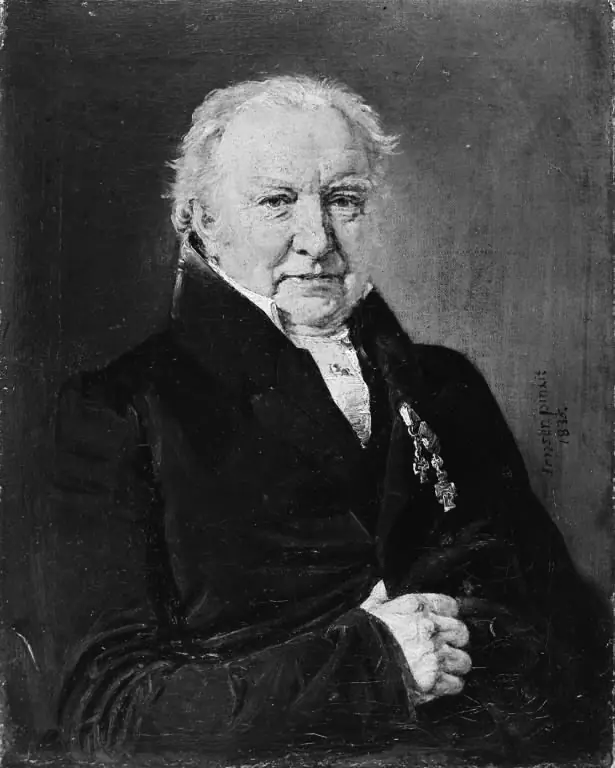 Professor dr. med. J.D. Herholdt
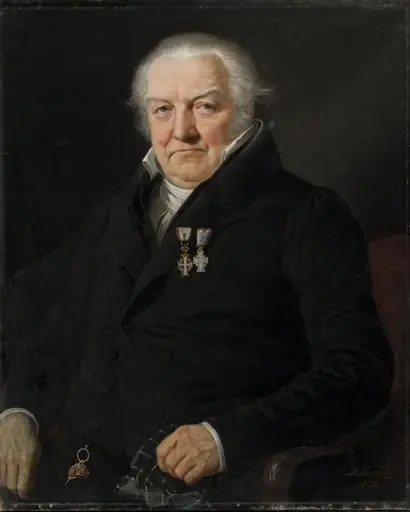 Professor, dr. med. J.D. Herholdt
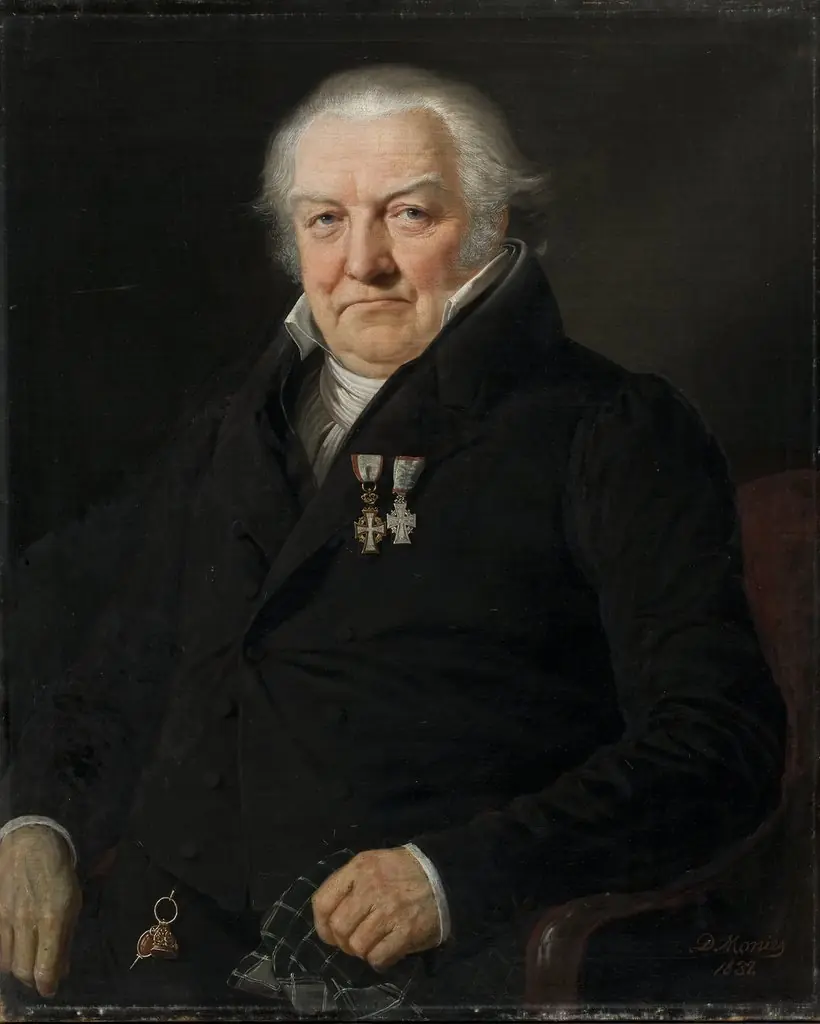 Professor, dr. med. J.D. Herholdt
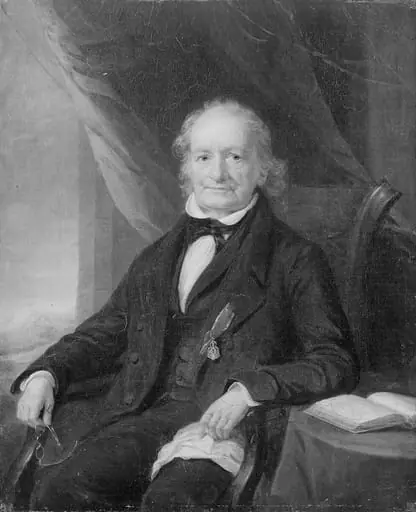 William Popham
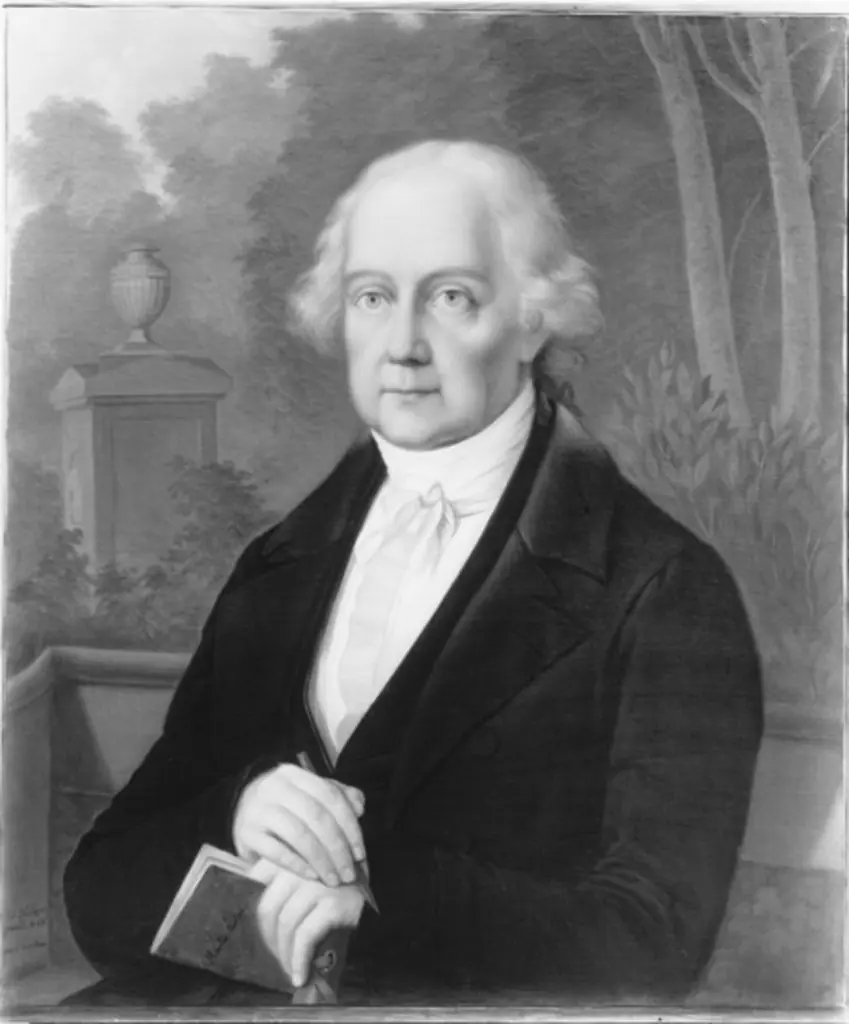 Bildnis des ersten Präsidenten der Zürcher Künstlergesellschaft, Johann Martin Usteri (1763-1827), im Hintergrund das Denkmal für Salomon Gessner auf dem Platzspitz
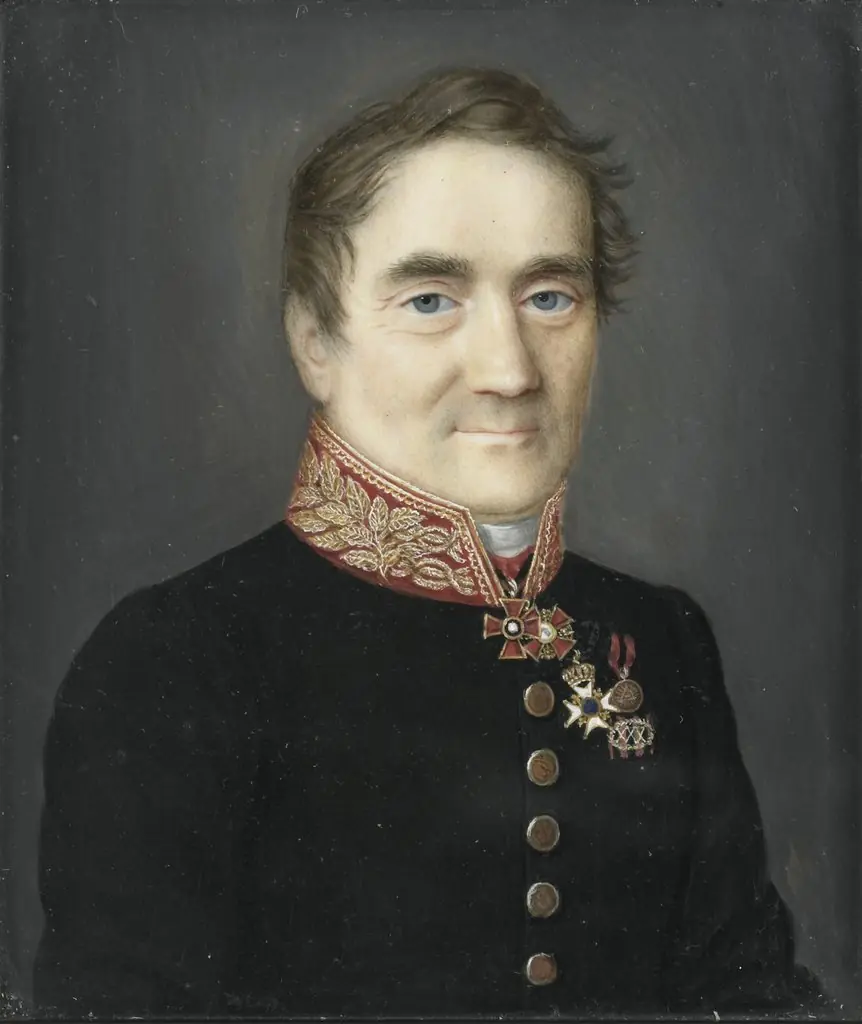 Portrait of Jean Casimir de Brunet ( -1861)
 Kauppaneuvos Johan Sederholm (1722-1805)
 William Richard Hamilton (1777-1859)
 Lewis Gwynne, aged 74
 Historian and Prime Minister Ove Malling
 Professor dr. med. J.D. Herholdt