Artwork
Portrait of Charles Gascoigne (1739-1806)
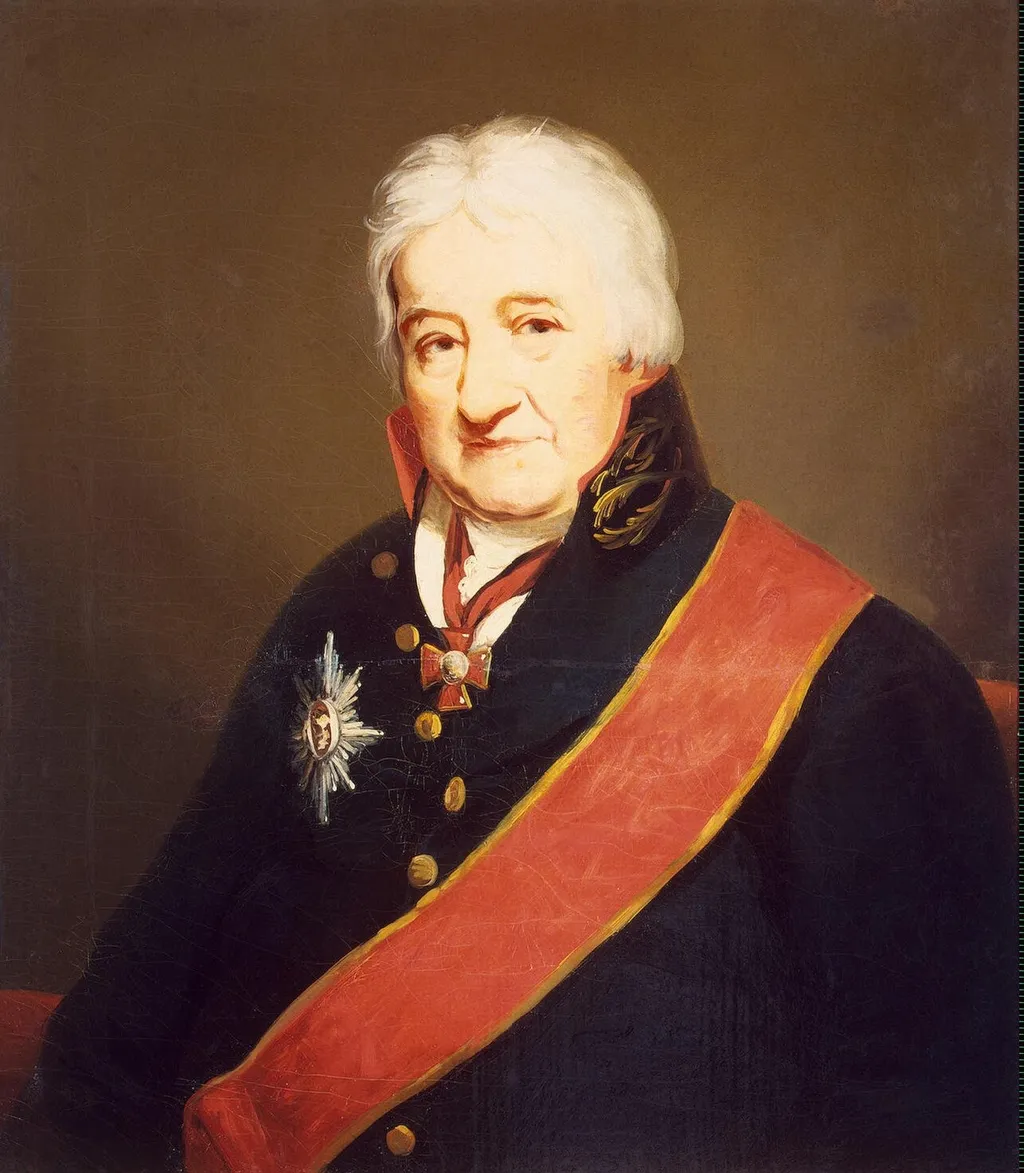
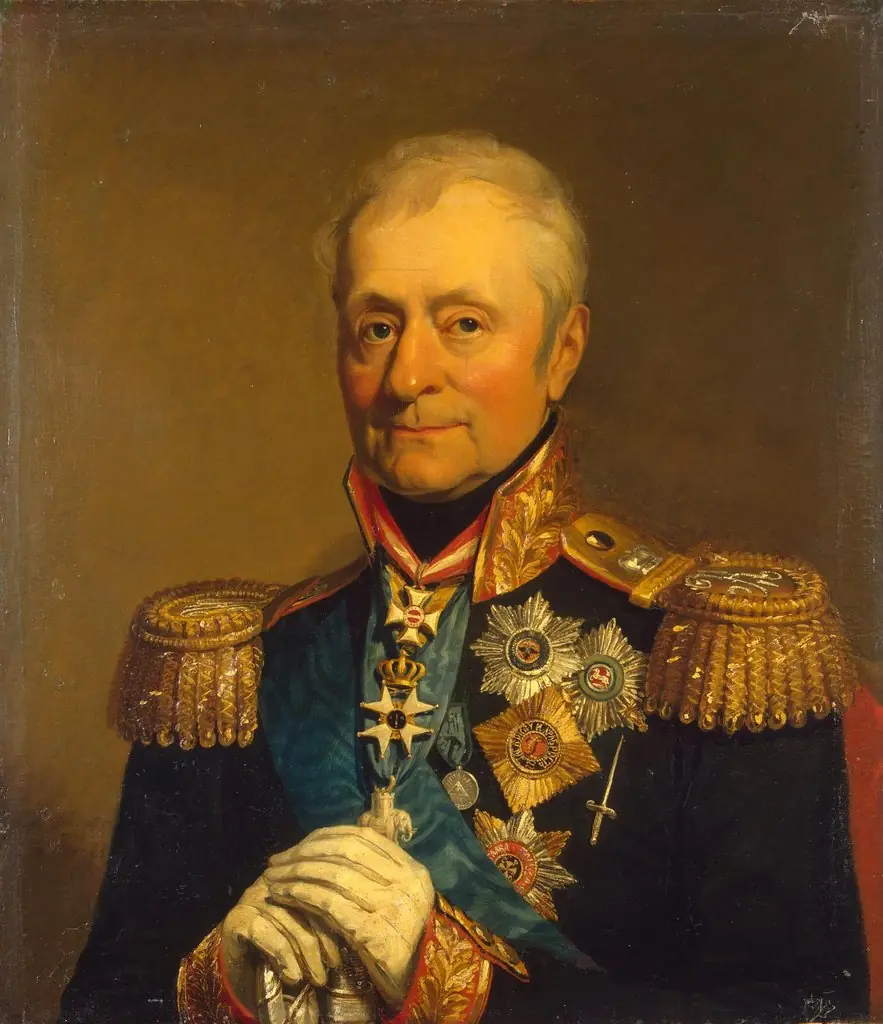
Portrait of Charles Gascoigne (1739-1806) is an oil painting by the Neoclassicist artist James Saxon. It dates from 1804 and is held in the collection of the Hermitage Museum.
About this work
Overview
James Saxon’s 1804 oil portrait presents Charles Gascoigne, a prominent figure of the late eighteenth century. The work, now part of the State Hermitage Museum’s collection, captures the subject in a three‑quarter view against a muted brown backdrop, emphasizing his dignified bearing.
Subject & Meaning
Gascoigne is shown with silver‑gray hair, wearing a black coat trimmed with gold buttons and a vivid red sash. A silver medal with a radiating starburst is affixed to his left chest, complemented by a red ribbon at his throat, suggesting recognition of a distinguished service or award.
Technique & Style
Saxon employs chiaroscuro, contrasting the illuminated face and decorative elements with the darker tones of the coat and background. This modeling creates a three‑dimensional presence, while the careful rendering of textures—fabric, metal, and skin—demonstrates the artist’s skill in oil painting.
History & Provenance
Executed in 1804, the portrait entered the State Hermitage Museum’s holdings during the nineteenth‑century expansion of its European art collection. Its provenance traces back to the period shortly after Gascoigne’s death in 1806, reflecting the continued interest in commemorating his legacy.
Context
Charles Gascoigne was a Scottish industrialist and military supplier who played a key role in the development of British armaments. The portrait’s formal attire and medal align with the conventions of early‑nineteenth‑century portraiture, which often highlighted the subject’s public achievements and social standing.
Artist & collection

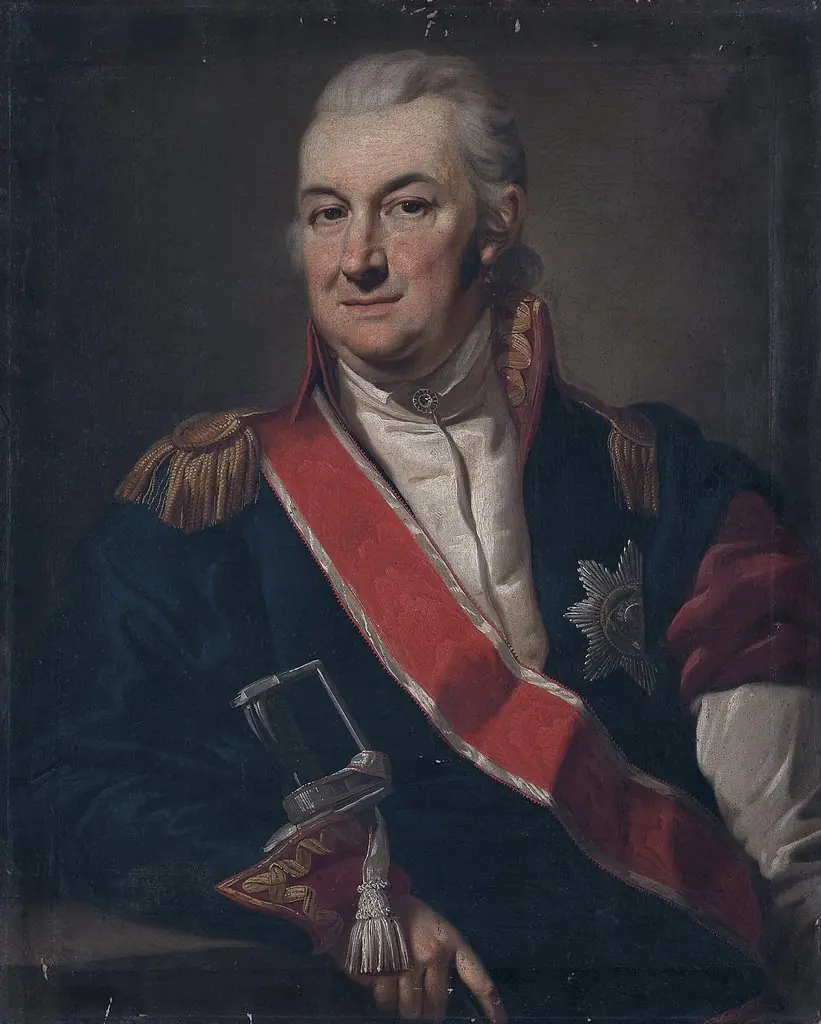 Portrait of general Mikołaj Morawski
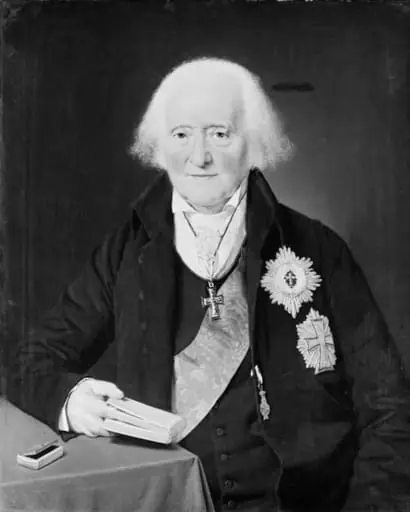 Historian and Prime Minister Ove Malling
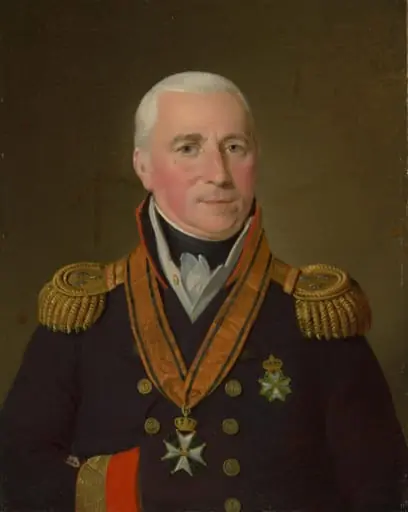 Portrait of Gerrit Verdooren (1757-1824), Vice-admiral
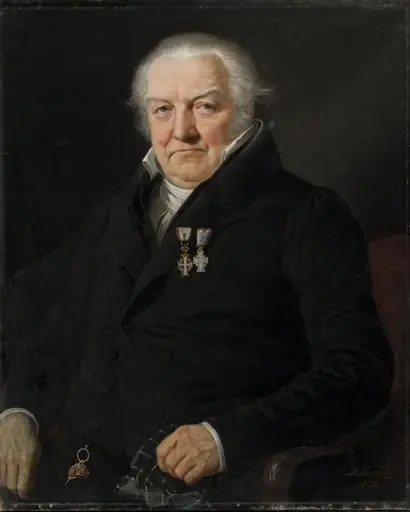 Professor, dr. med. J.D. Herholdt
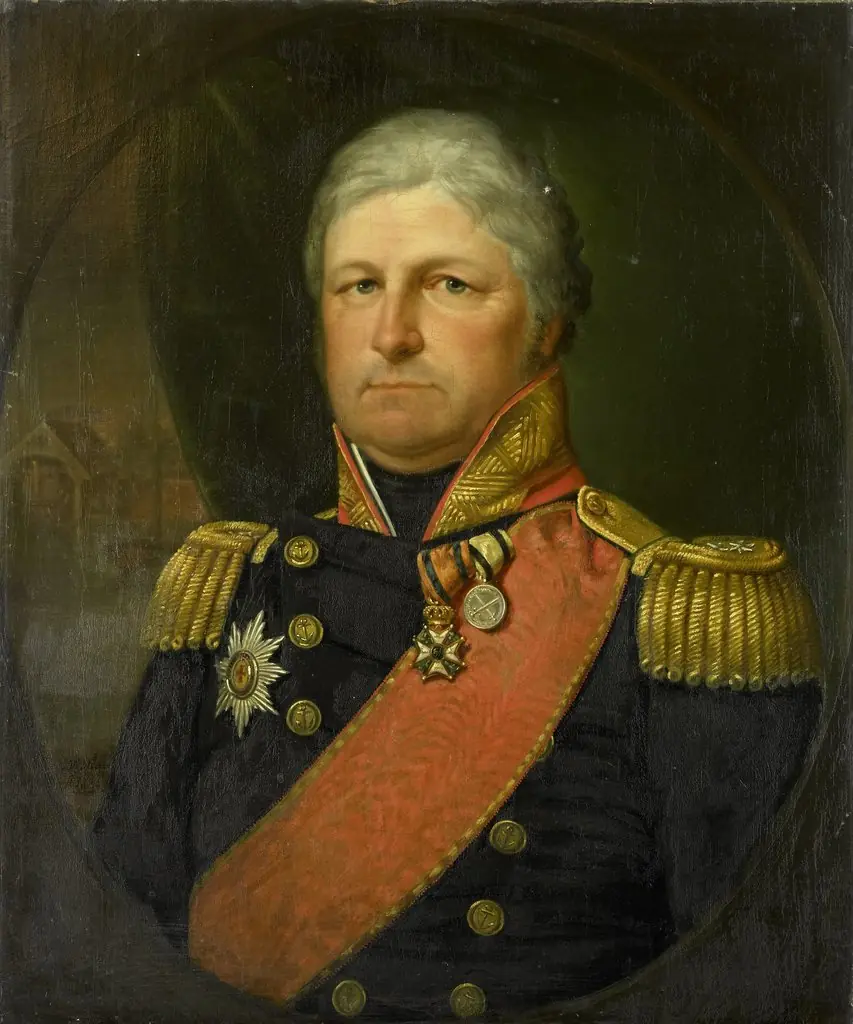 Portrait of Rear-Admiral Job Seaburne May
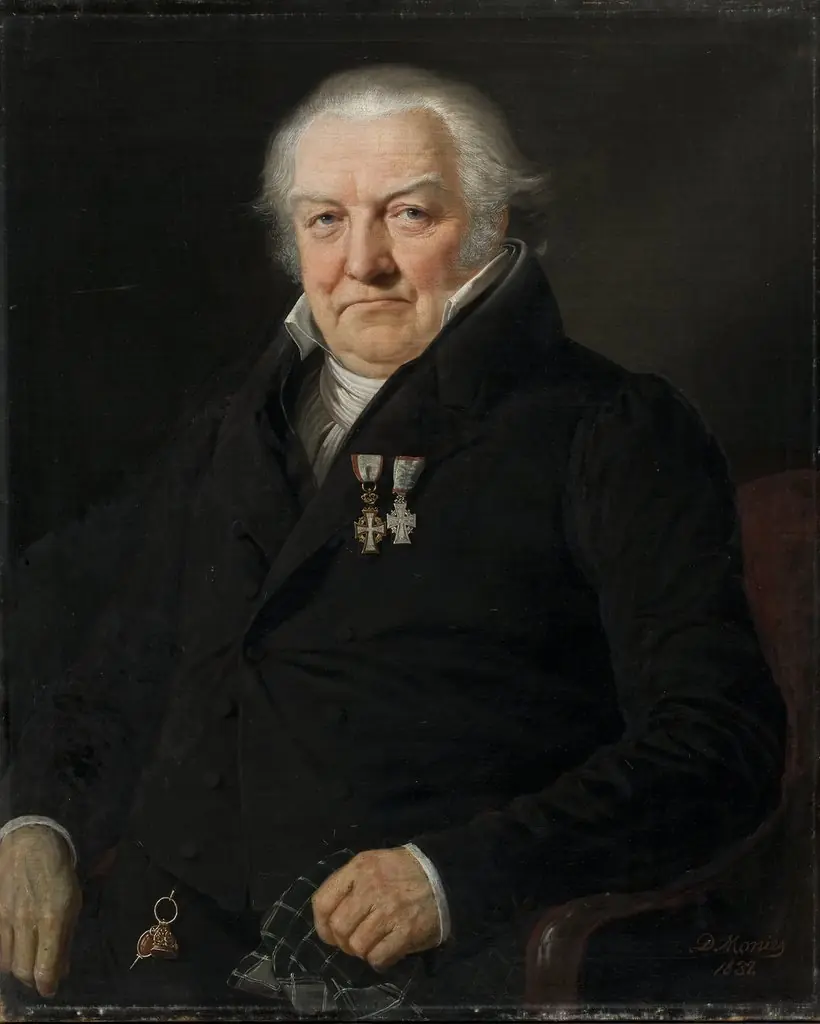 Professor, dr. med. J.D. Herholdt
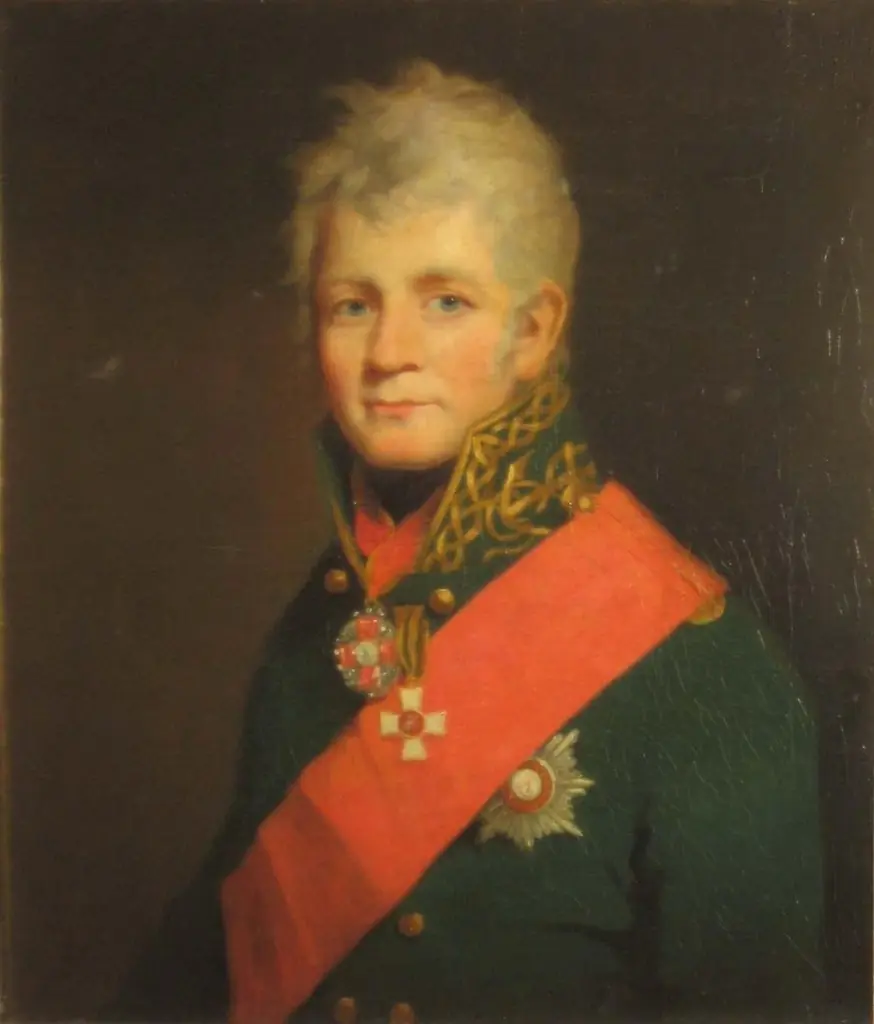 "Portrait of Admiral Pavel Chichagov" (copy)
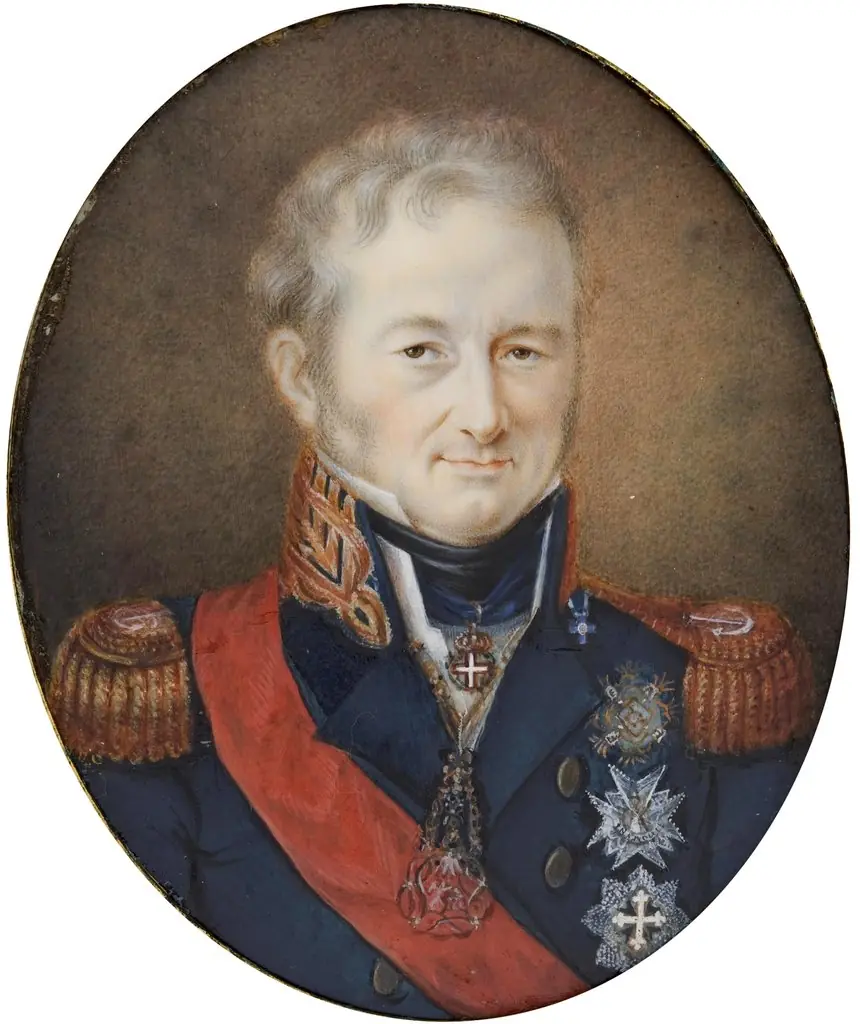 So-called portrait of Charles Felix of Savoy, King of Sardinia
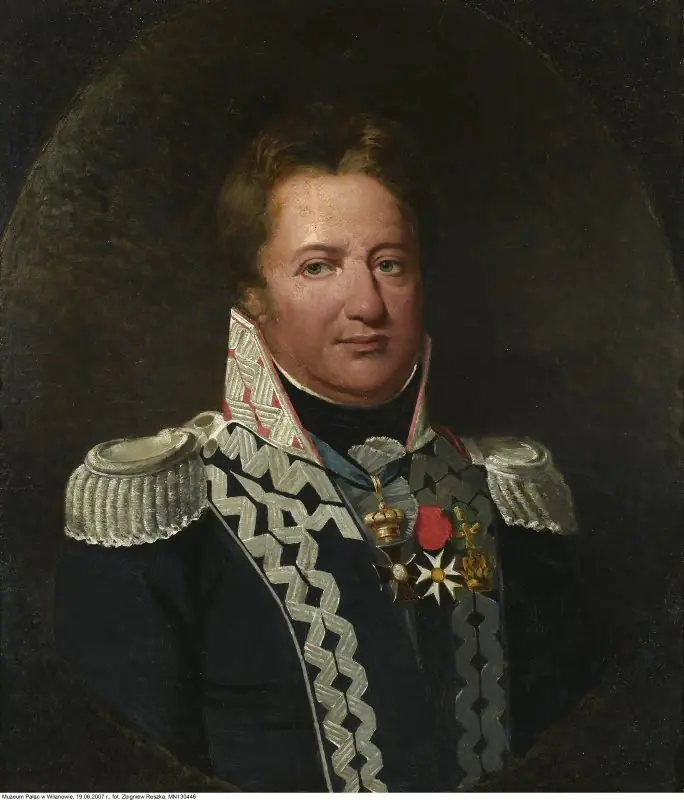 Portrait of general Jan Henryk Dąbrowski
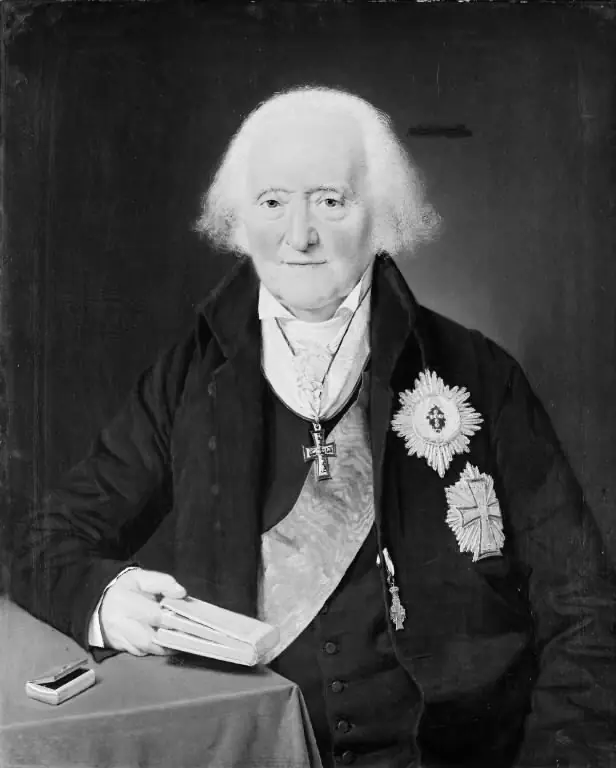 Historian and Prime Minister Ove Malling
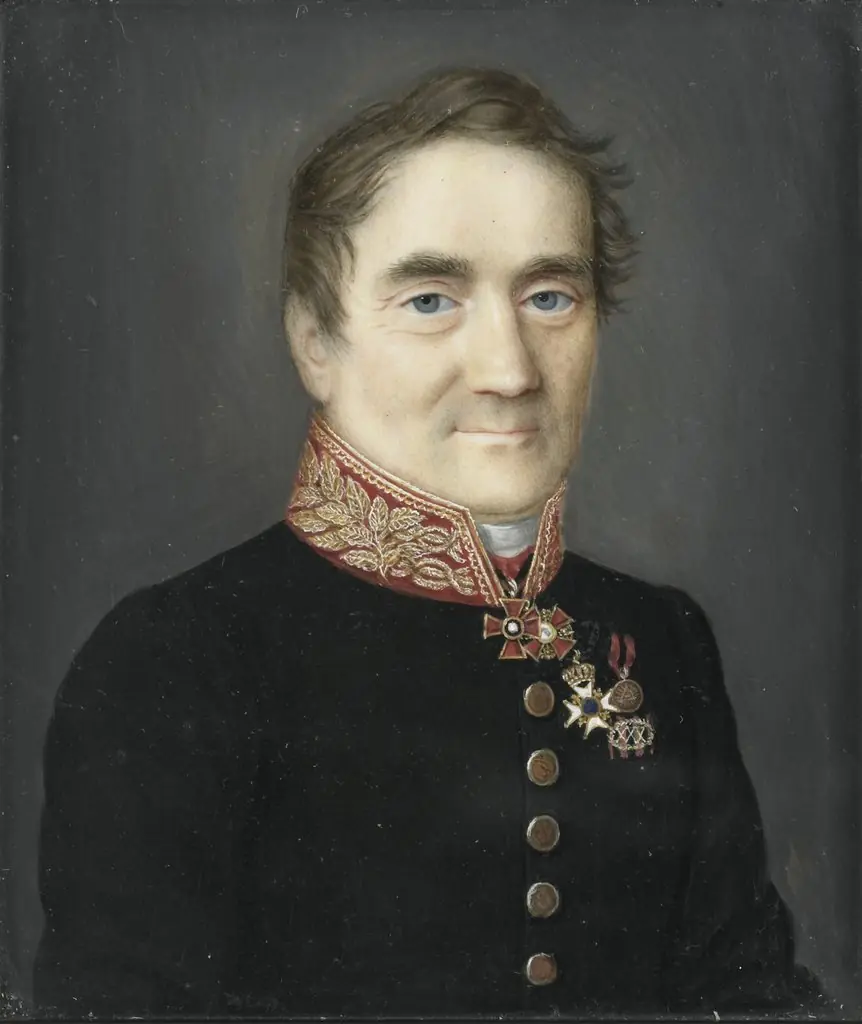 Portrait of Jean Casimir de Brunet ( -1861)
 Portrait of Leonty L. Bennigsen (Levin) (1745-1826)