Artwork
Lieutenant Colonel Johan Philip Weilbach, Maker of Sails, Flags and Compasses
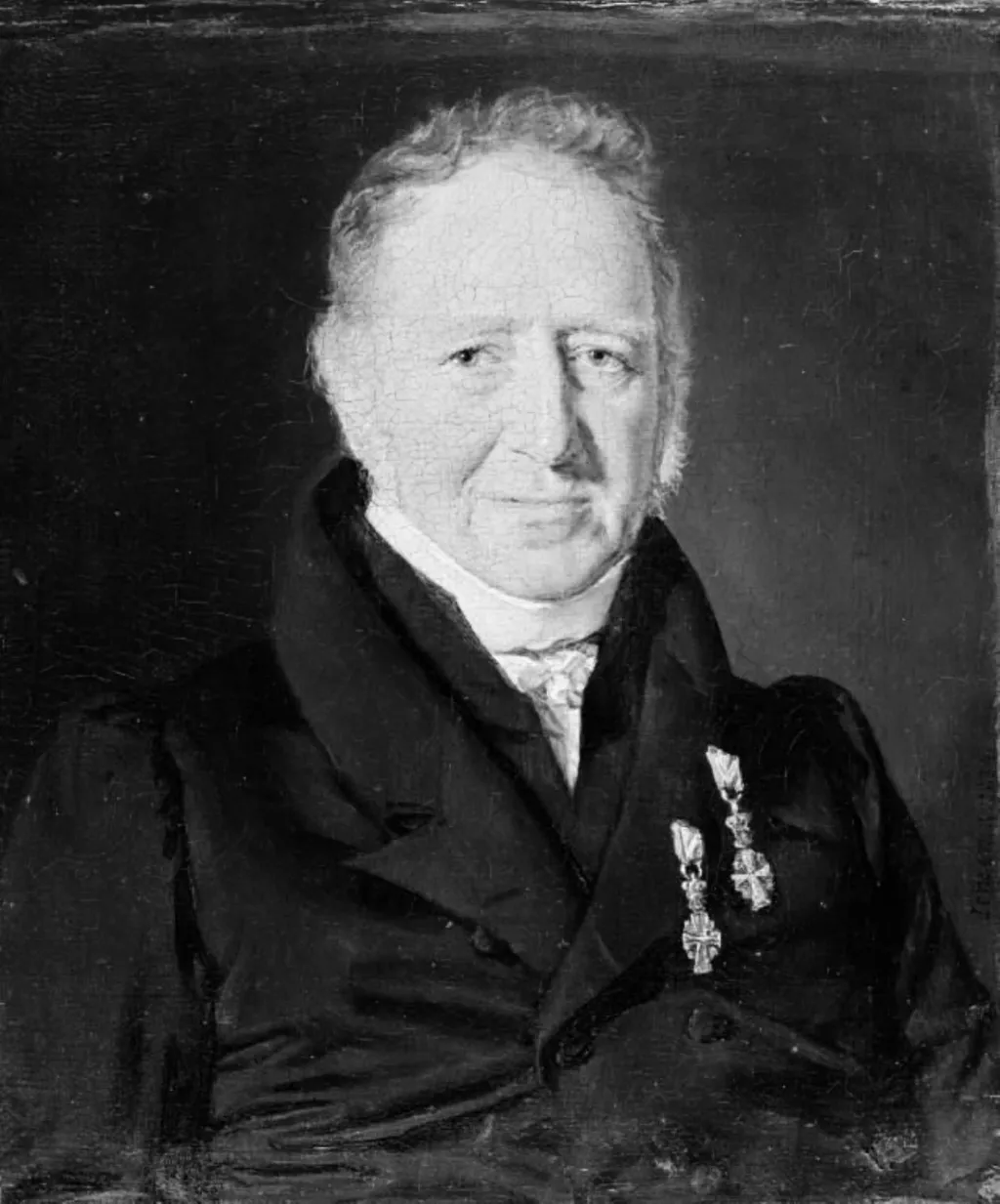
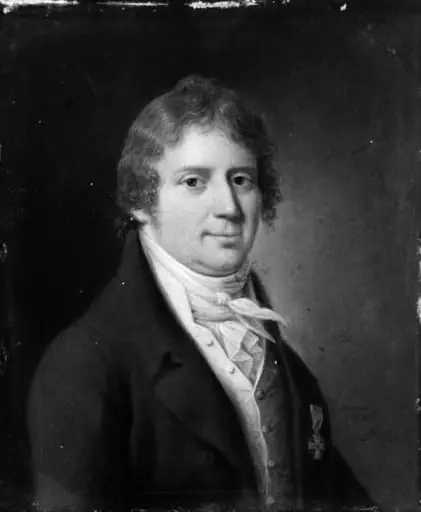
Lieutenant Colonel Johan Philip Weilbach, Maker of Sails, Flags and Compasses is a photography by the Romanticist artist Unknown. It dates from 1834 and is held in the collection of the Statens Museum for Kunst. This 1834 portrait depicts Johan Philip Weilbach, a Danish military officer and manufacturer of navigational instruments.
About this work
Overview
The composition emphasizes his dignified presence through restrained lighting and minimal background, directing attention to his facial expression and attire.
This 1834 portrait depicts Johan Philip Weilbach, a Danish military officer and manufacturer of navigational instruments. Rendered in monochrome, the image captures him in formal attire, seated with composed posture. The composition emphasizes his dignified presence through restrained lighting and minimal background, directing attention to his facial expression and attire. The work is part of the Museum of Ethnography’s collection, reflecting its documentary rather than purely artistic intent.
Subject & Meaning
Weilbach held the rank of lieutenant colonel and was known for producing sails, flags, and compasses—essential tools for naval and exploratory missions. The medal on his chest signifies state recognition of his service. His serious demeanor and precise grooming suggest a man defined by duty and technical precision. The portrait functions as a visual record of a civilian-official whose work supported Denmark’s maritime infrastructure during a period of active naval expansion.
Technique & Style
The image employs subtle chiaroscuro to model the contours of the face and fabric, enhancing volume without theatricality. The monochrome palette and plain backdrop eliminate distraction, focusing on texture—the weave of his coat, the crispness of the cravat, the sheen of the medal. Brushwork or engraving lines are controlled and deliberate, conveying realism over emotional expression, aligning with 19th-century portraiture used for institutional documentation.
History & Provenance
Created in 1834, the portrait likely served an official or institutional purpose, possibly commissioned by a naval or governmental body. It entered the Museum of Ethnography’s holdings at an unknown date, where it remains as part of a broader collection documenting material culture and professional identities. Its preservation suggests recognition of Weilbach’s role in Denmark’s maritime history, though no record of prior private ownership is documented.
Context
In the early 1830s, Denmark maintained a significant naval presence and relied on skilled artisans to supply equipment for its fleet. Weilbach’s work bridged military service and craftsmanship, a common role among mid-level officers with technical expertise. Portraits like this were not uncommon among state-connected professionals, serving as both personal commemoration and institutional archive in an era before photography became widespread.
Legacy
The portrait endures as a quiet testament to the intersection of military service and artisanal production in 19th-century Denmark. While Weilbach is not widely known outside specialized histories, this image preserves the visual identity of a figure instrumental in supporting naval operations. It contributes to understanding how technical professions were formally recognized and visually represented in pre-industrial bureaucracies.
Artist & collection

 Domestic Scene
 Giacomo and Cardinal Marco, investing Andrea, Abbot of San Zeno, with his Benefice
 The Nymph of Fontainebleau
 Portrait of a Woman
 Madonna and Child with Saints in the Enclosed Garden
 Venus and Minerva
 Family Group of Four on Sofa
 Wall painting from Room H of the Villa of P. Fannius Synistor at Boscoreale
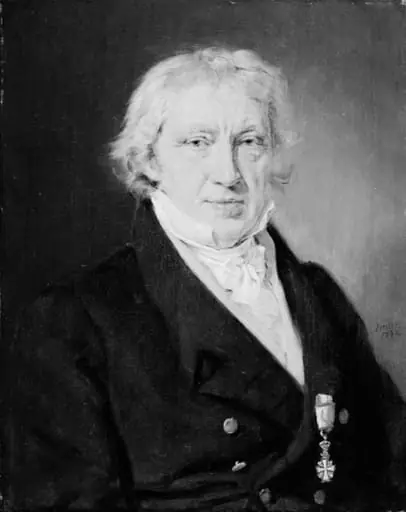 Portræait of Søren Nicolaus Johan Bloch, Headmaster at Roskilde Cathedral School
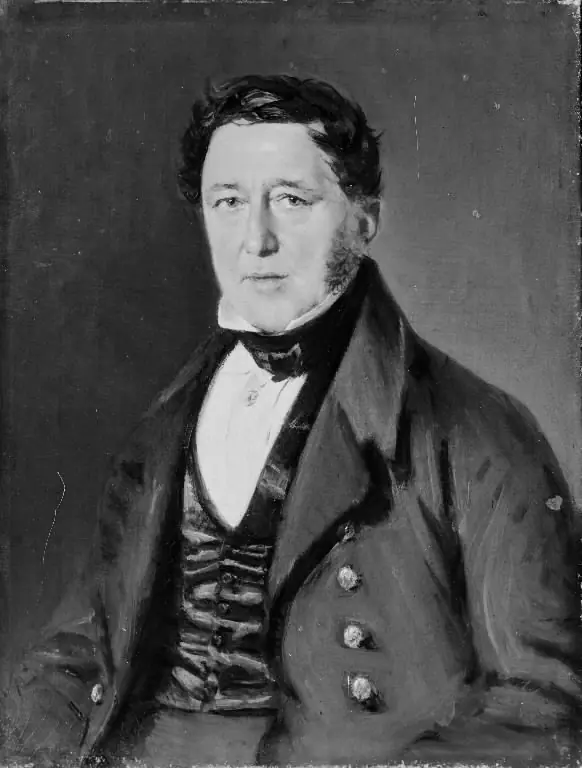 Peter Hiort Lorenzen, slesvigsk stænderdeputeret, kunstnerens svoger
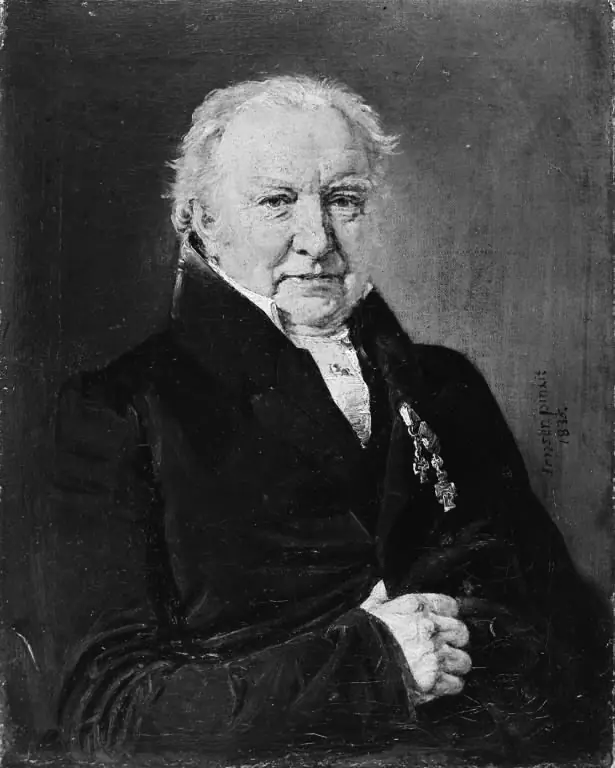 Professor dr. med. J.D. Herholdt
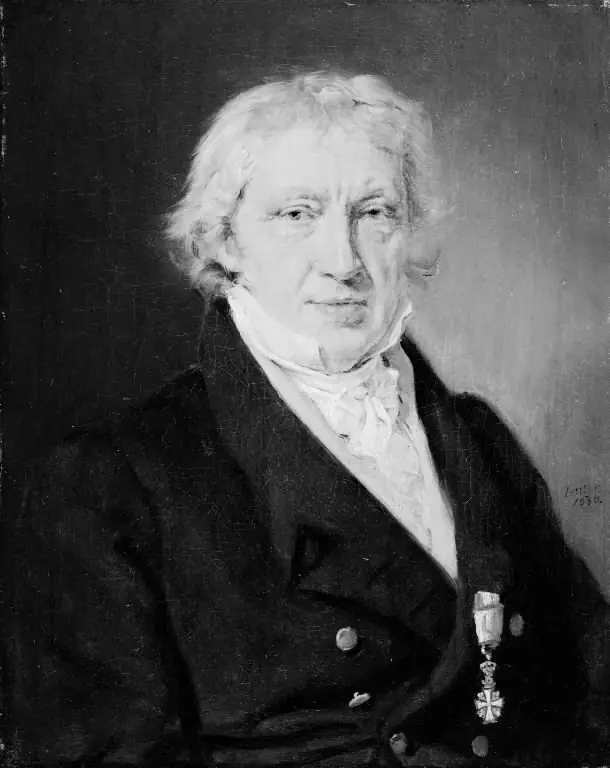 Portræt af Søren Nicolaus Johan Bloch, rektor ved Roskilde Kathedralskole
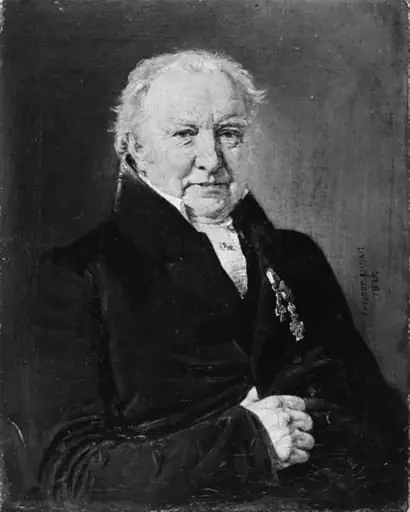 Professor dr. med. J.D. Herholdt
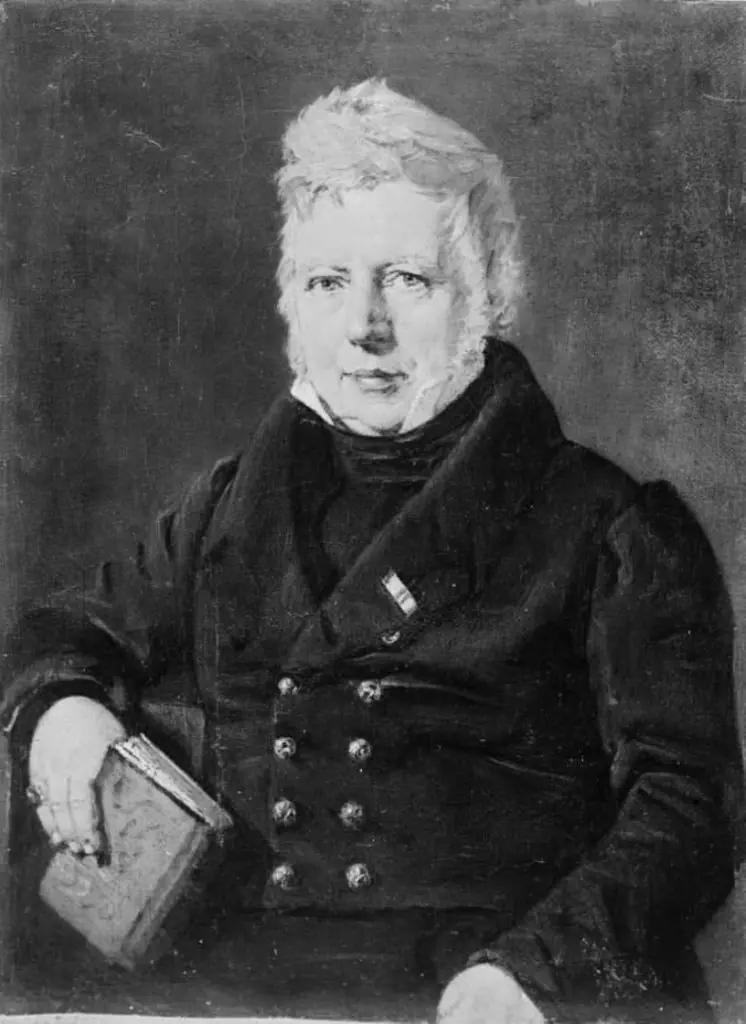 The Archaeologist P.O. Brøndsted
 The Archaeologist P.O. Brøndsted
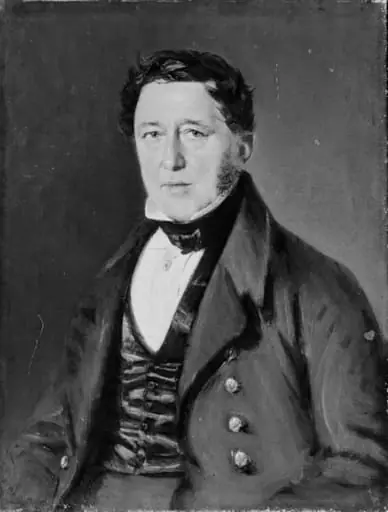 Peter Hiort Lorenzen, slesvigsk stænderdeputeret, kunstnerens svoger
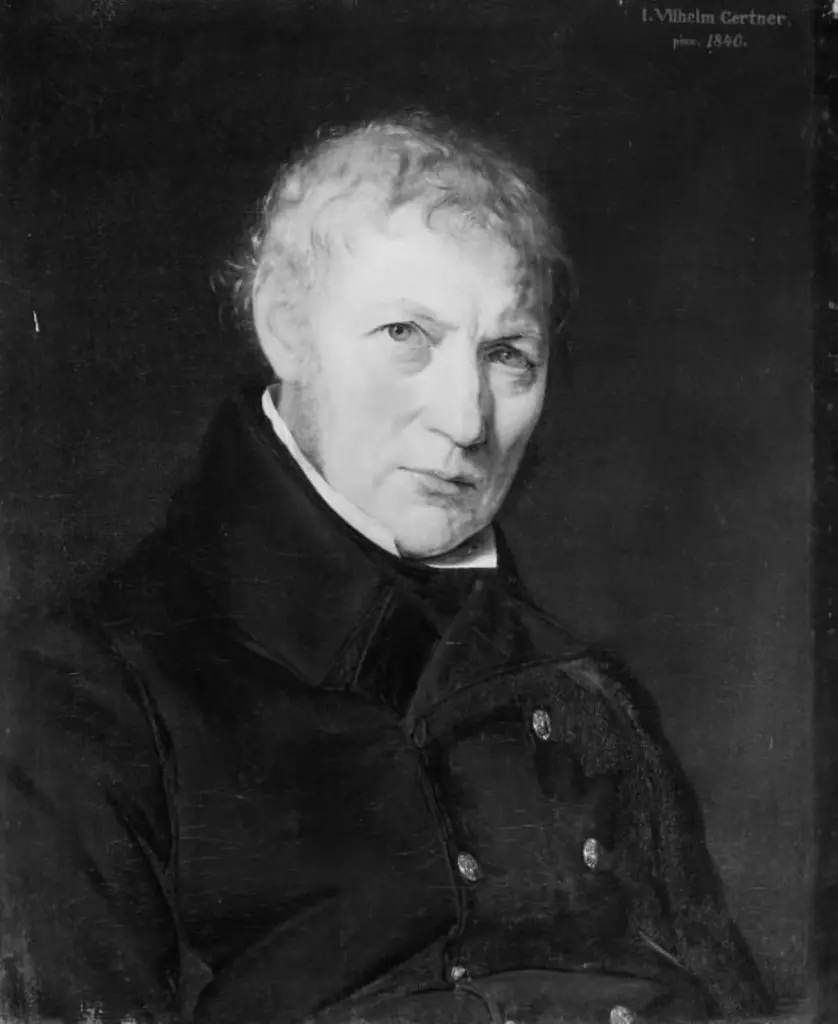 Blokkedrejer ved Holmen Johan Vilhelm Gertner, kunstnerens fader
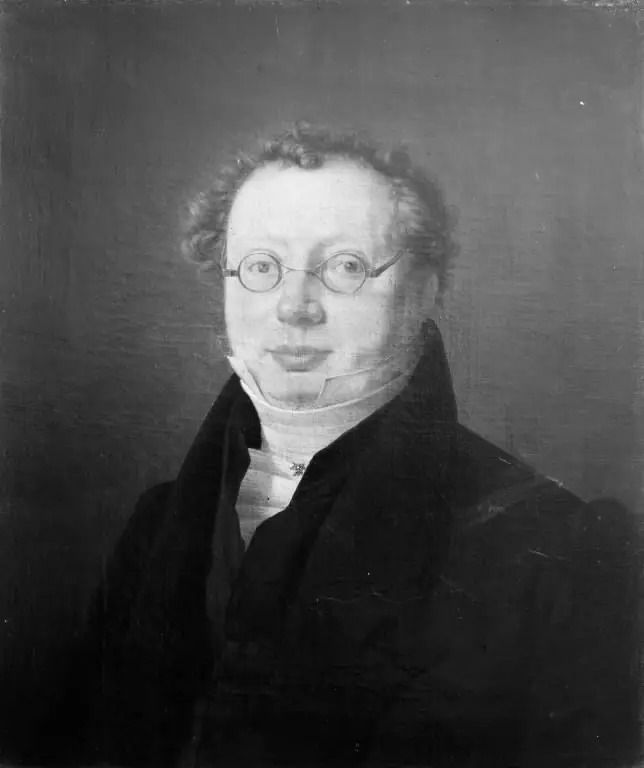 Grosserer Isaac Unna
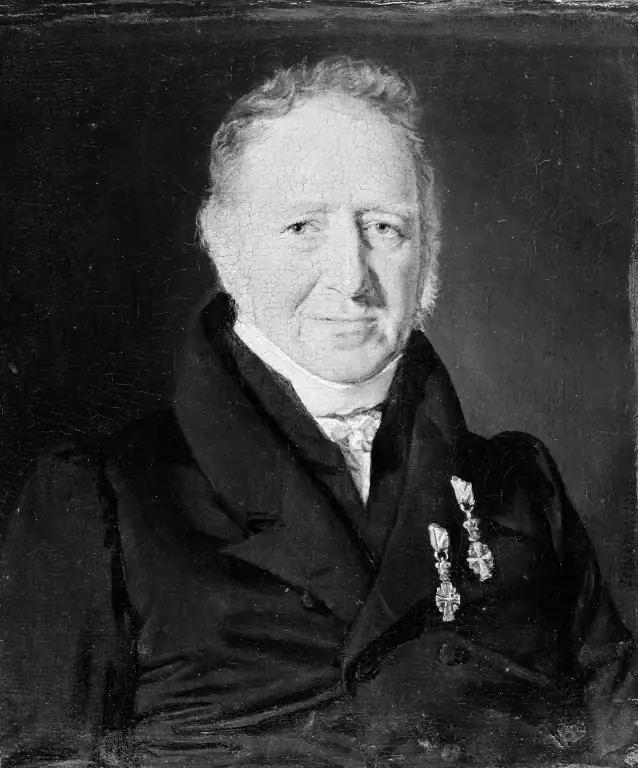 Sejl-, flag- og kompasmager, oberstløjtnant Johan Philip Weilbach
 Lensgreve Adam Wilhelm Moltke til Bregentved