Artwork
Grosserer Isaac Unna
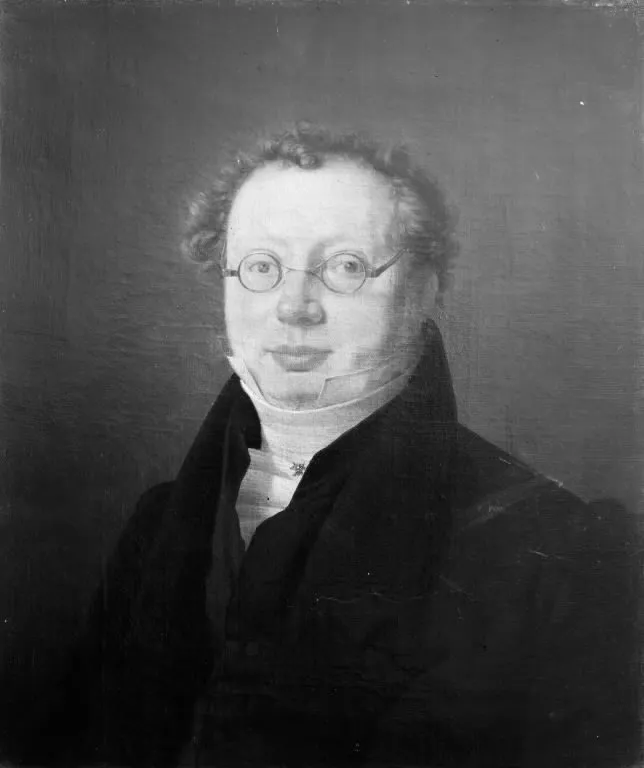
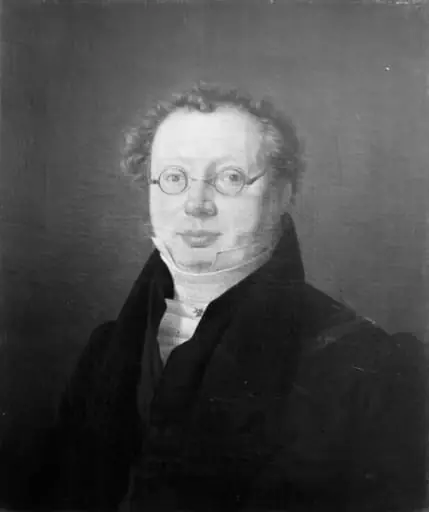
Grosserer Isaac Unna is an oil painting by Albert Küchler. It dates from 1853 and is held in the collection of the Statens Museum for Kunst.
About this work
Overview
Painted around 1853 by Danish artist Albert Küchler, this oil portrait depicts Isaac Unna, a merchant known in Copenhagen as a prominent figure in the city’s commercial circles. The work reflects Küchler’s shift from genre scenes to more intimate portraiture during the later phase of his career, before his religious conversion and departure from secular life.
Subject & Meaning
Isaac Unna, a Jewish wholesale merchant, is portrayed with quiet dignity, his direct gaze and composed posture suggesting authority and introspection.
Isaac Unna, a Jewish wholesale merchant, is portrayed with quiet dignity, his direct gaze and composed posture suggesting authority and introspection. His round spectacles and neatly curled hair convey a sense of intellectual presence, while the plain dark background isolates him, emphasizing his individuality rather than his social role. The portrait avoids ornamentation, focusing instead on character.
Technique & Style
Küchler employs a restrained, realist approach with subtle tonal variations in the dark jacket and crisp rendering of the white shirt collar. Oil paint is applied with precision, capturing the texture of fabric and the sheen of glass lenses without theatrical lighting. The brushwork is controlled, avoiding dramatic contrasts to maintain a sense of quiet observation.
History & Provenance
The painting entered the collection of Statens Museum for Kunst in Copenhagen, where it remains today. It was likely acquired during or shortly after Küchler’s active years in Denmark, before his 1857 conversion to Catholicism and move to Rome. Its preservation reflects its status as a representative work of mid-19th-century Danish portraiture.
Context
Created during the waning years of the Danish Golden Age, the portrait aligns with a broader cultural interest in individual identity and civic figures. While many artists of the period idealized subjects, Küchler’s approach here is unembellished, mirroring a growing trend toward psychological realism in Danish art, particularly among those depicting non-noble patrons.
Legacy
Though Küchler is better known for his early genre scenes, this portrait stands as a significant example of his mature style. It contributes to the understanding of Jewish merchants’ visibility in Danish society and illustrates how portraiture served as a medium for documenting personal presence beyond aristocratic or mythological themes.
Artist & collection
Artist
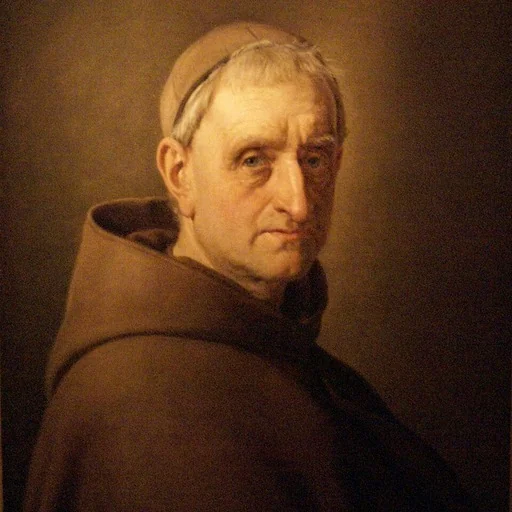
Albert Küchler, O.F.M. (Danish pronunciation: ; 2 May 1803 – 16 February 1886), also known as Peter of Copenhagen, was a Danish painter associated with the Danish Golden Age. He mainly painted genre works and portraits.…

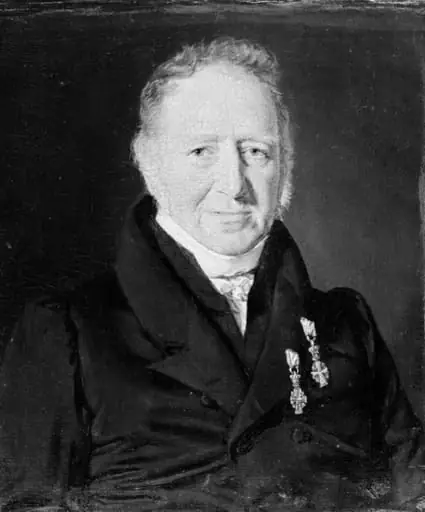 Lieutenant Colonel Johan Philip Weilbach, Maker of Sails, Flags and Compasses
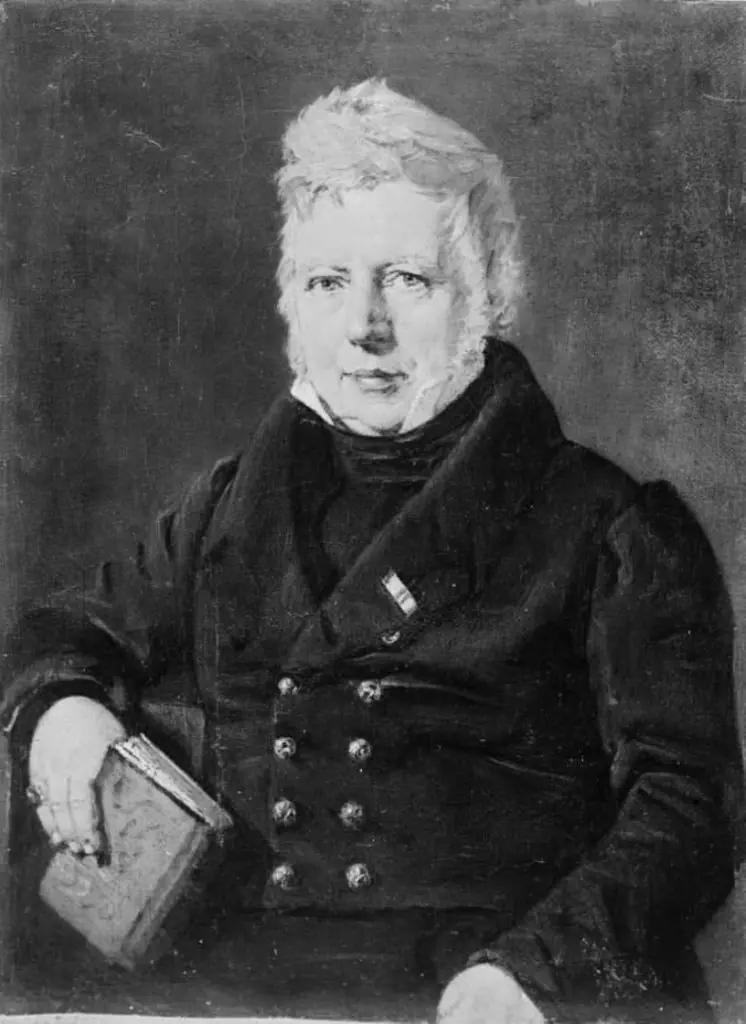 The Archaeologist P.O. Brøndsted
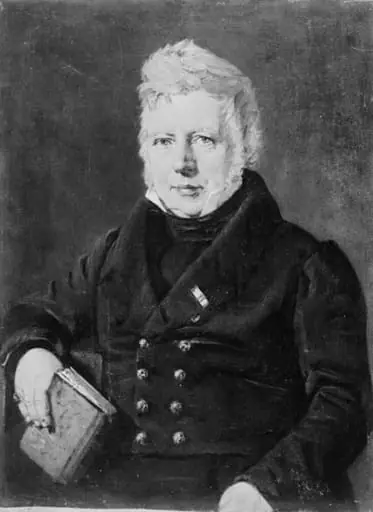 The Archaeologist P.O. Brøndsted
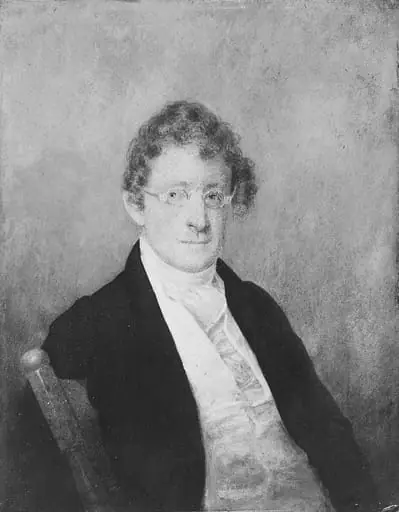 Thomas Macdonough
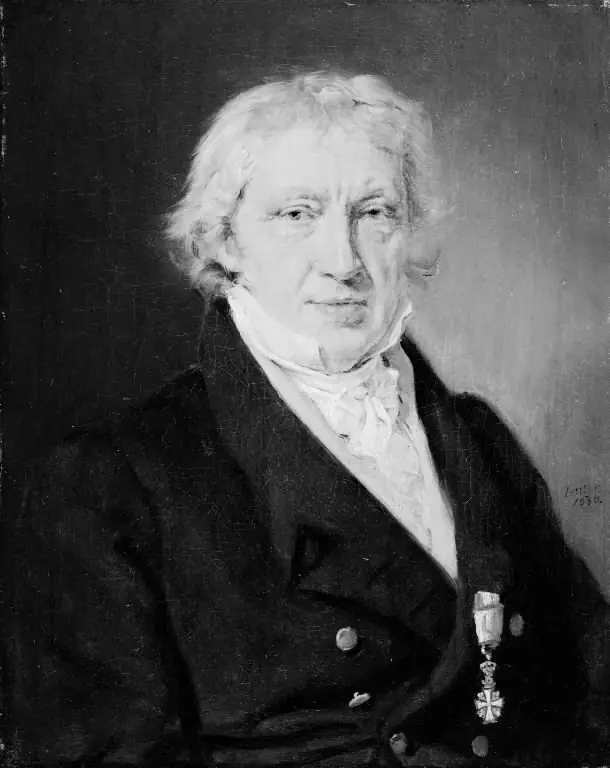 Portræt af Søren Nicolaus Johan Bloch, rektor ved Roskilde Kathedralskole
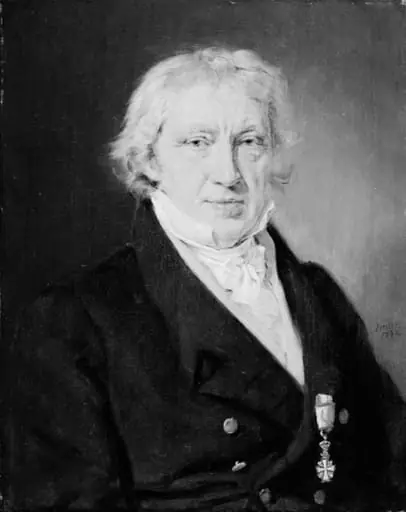 Portræait of Søren Nicolaus Johan Bloch, Headmaster at Roskilde Cathedral School
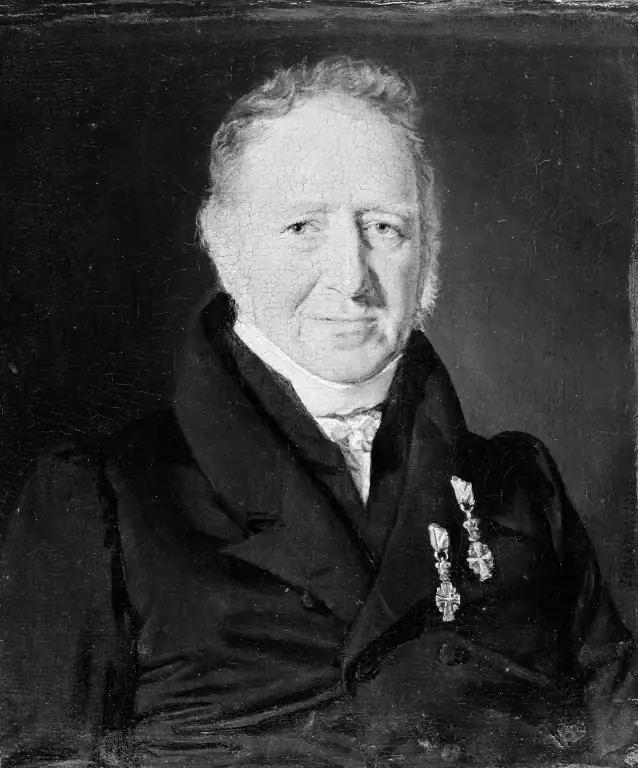 Sejl-, flag- og kompasmager, oberstløjtnant Johan Philip Weilbach
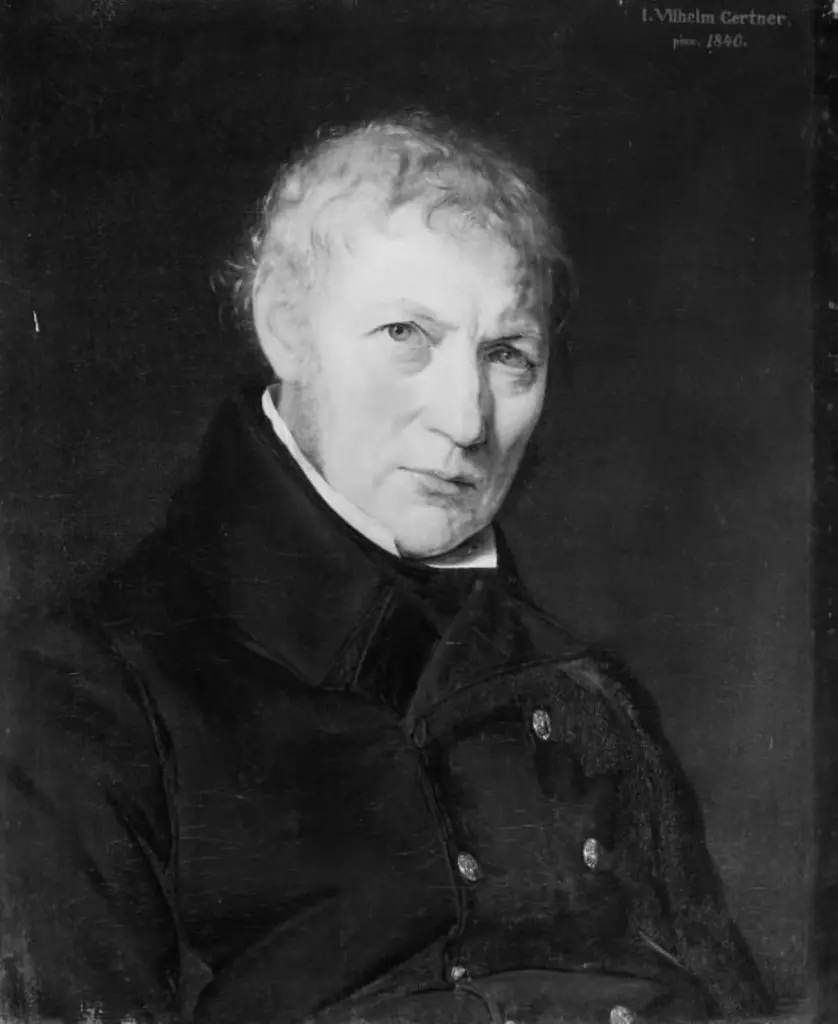 Blokkedrejer ved Holmen Johan Vilhelm Gertner, kunstnerens fader
 Blokkedrejer ved Holmen Johan Vilhelm Gertner, kunstnerens fader
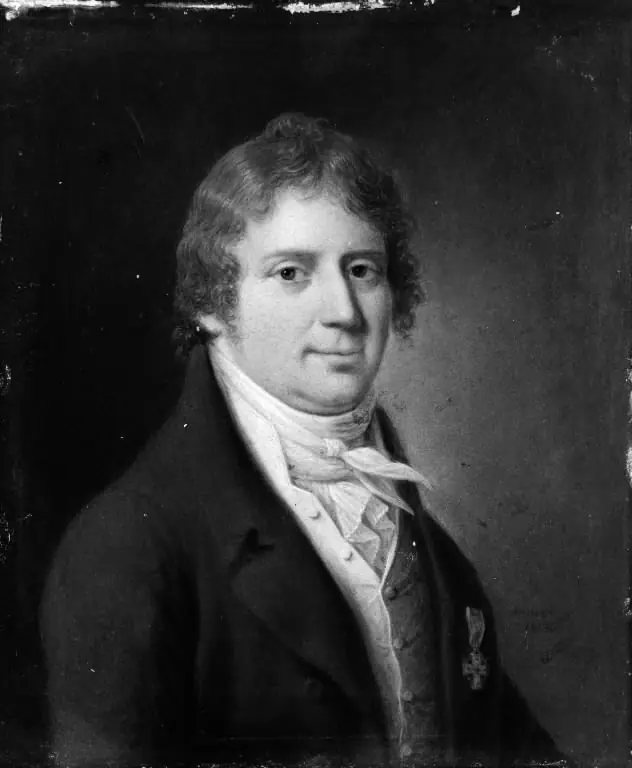 Lensgreve Adam Wilhelm Moltke til Bregentved
 Felix Constant de Boisgerard
 Grosserer Isaac Unna