Artwork
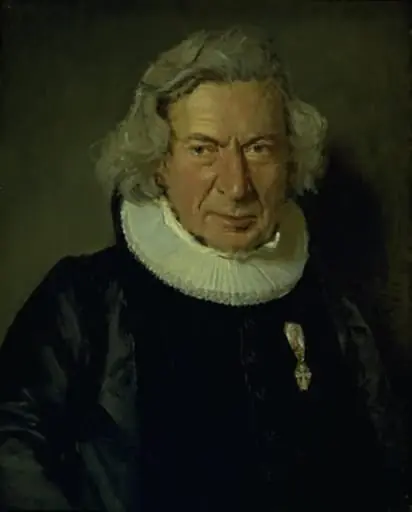
Professor of Divinity Andreas Christian Krog
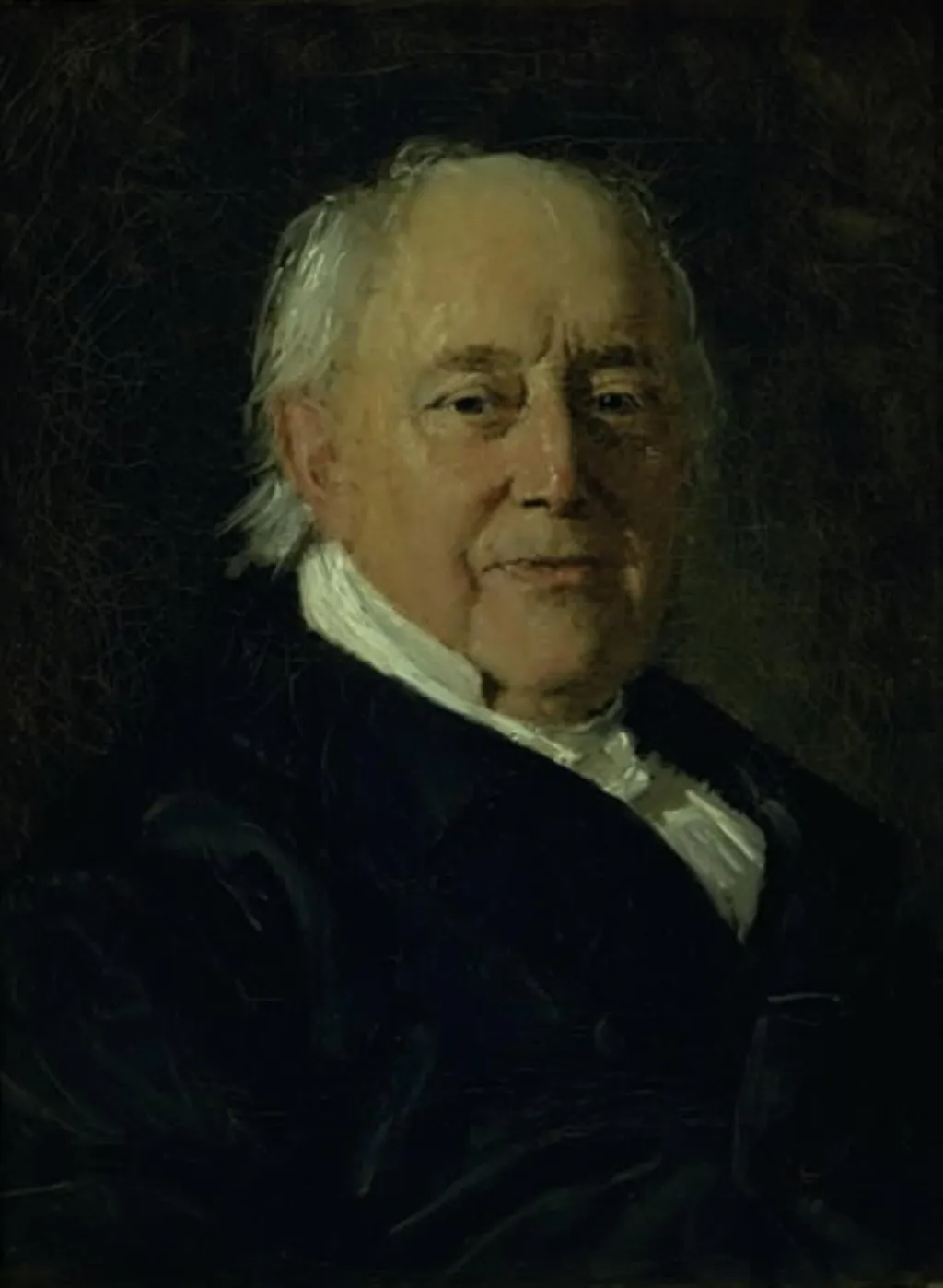
Professor of Divinity Andreas Christian Krog is a photography by the Impressionist artist Unknown. It dates from 1854 and is held in the collection of the Statens Museum for Kunst. Andreas Christian Krog, Professor of Divinity, is the subject of an 1854 photograph, part of the Museum of Ethnography's collection.
About this work
This is a black-and-white portrait of an older man with pale hair and a neatly trimmed beard.
This is a black-and-white portrait of an older man with pale hair and a neatly trimmed beard. He’s wearing a high-collared shirt, looking slightly to the side with a calm expression. The background is plain and dark, keeping all focus on his face.
The soft lighting makes his skin look smooth, almost glowing against the shadows. This isn’t a painting—it’s an early photograph, which was rare and new in 1854.
Next, check out chiaroscuro to see how artists used light and shadow like this.
Overview
Andreas Christian Krog, Professor of Divinity, is the subject of an 1854 photograph, part of the Museum of Ethnography's collection. This early black-and-white portrait captures the professor in a contemplative pose.
Subject & Meaning
The photograph portrays Professor Krog as an older man with pale hair and a neatly trimmed beard, dressed in a high-collared shirt. His calm, slightly sideward gaze conveys a sense of serenity and intellectual gravity, fitting for a scholar of divinity.
Technique & Style
Employing soft lighting against a plain, dark background, the photograph achieves a pronounced chiaroscuro effect, drawing attention to Krog's face and imbuing his skin with a smooth, luminous quality. Notably, this is an early example of photography, a novel medium at the time of its creation.
History & Provenance
Created in 1854 by an unidentified photographer (referenced as 231_person), the work is housed at the Museum of Ethnography, with no detailed provenance provided beyond its current institutional holding.
Context
Produced during the infancy of photography, this portrait demonstrates the medium's early adoption for capturing likenesses of esteemed individuals, leveraging techniques reminiscent of traditional art to convey depth and character.
Artist & collection

 Domestic Scene
 Giacomo and Cardinal Marco, investing Andrea, Abbot of San Zeno, with his Benefice
 The Nymph of Fontainebleau
 Portrait of a Woman
 Madonna and Child with Saints in the Enclosed Garden
 Venus and Minerva
 Family Group of Four on Sofa
 Wall painting from Room H of the Villa of P. Fannius Synistor at Boscoreale
 Untitled
 Portrait of Pieter Arnold Diederichs (1804-74), bookseller and founder AD in 1828
 Portrait of Joseph Antoine Monticelli
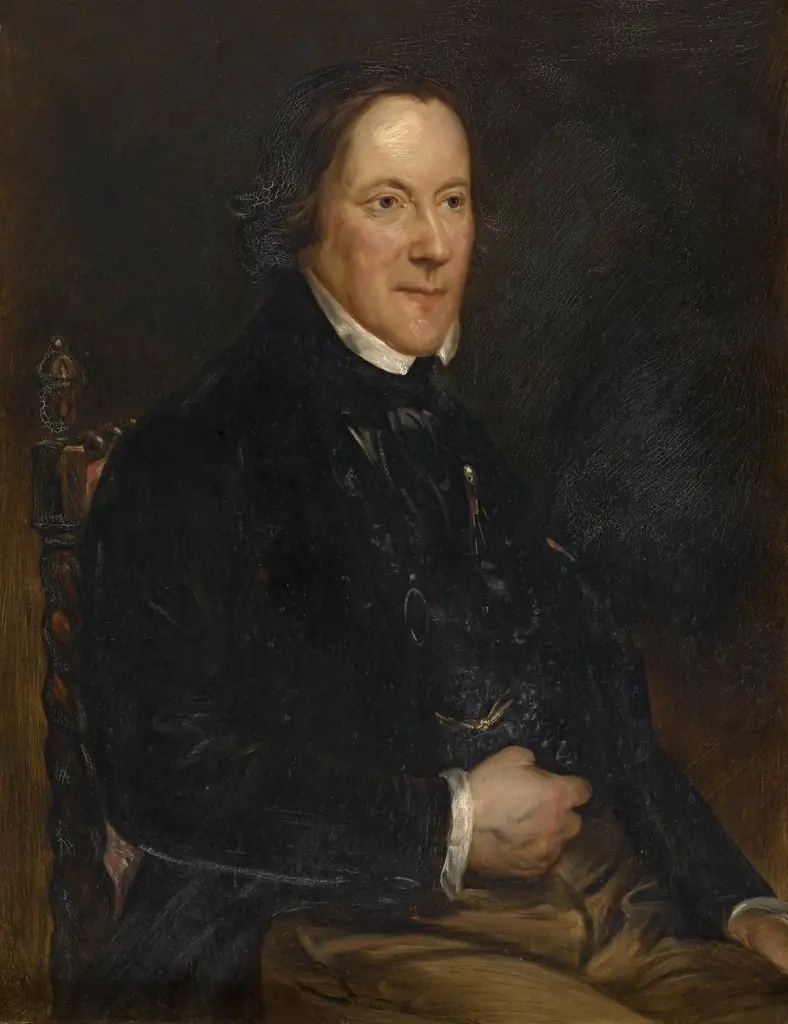 Constant van den Nest, Secretary of the Royal Academy of Fine Arts Antwerp
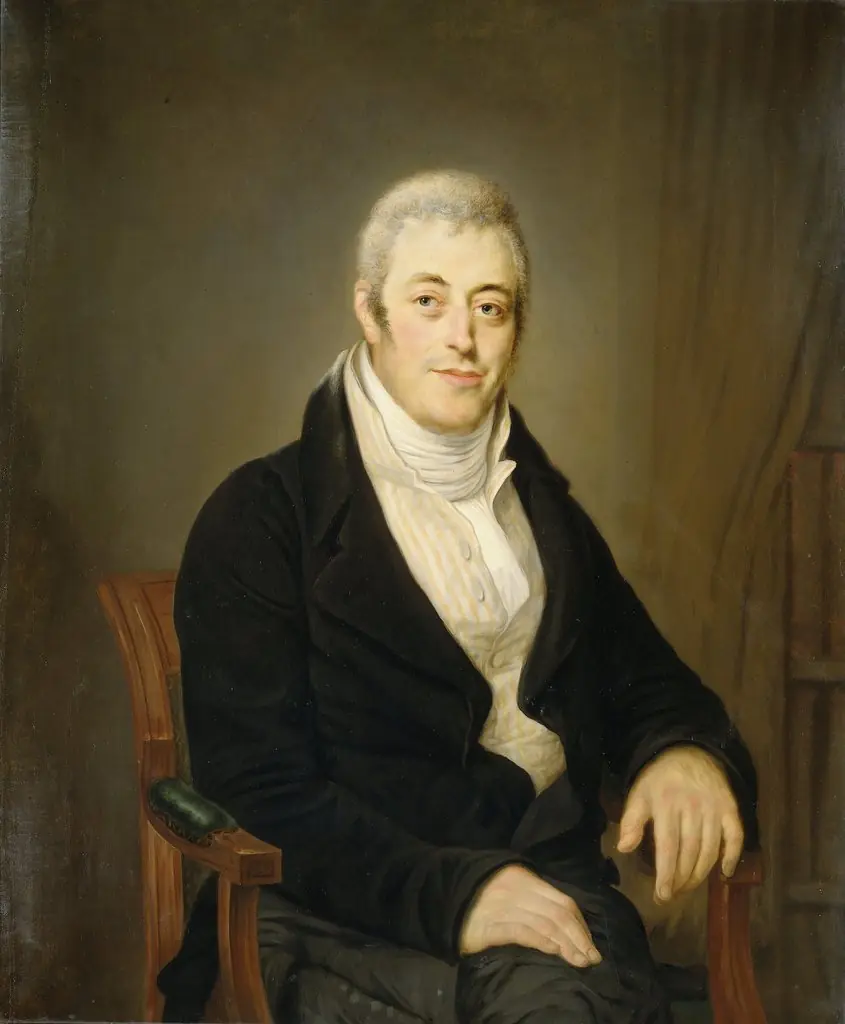 Portrait of Jonas Daniel Meijer, Lawyer
 Adam-François-Jules-Armand (1771-1848), Count van der Duyn van Maasdam
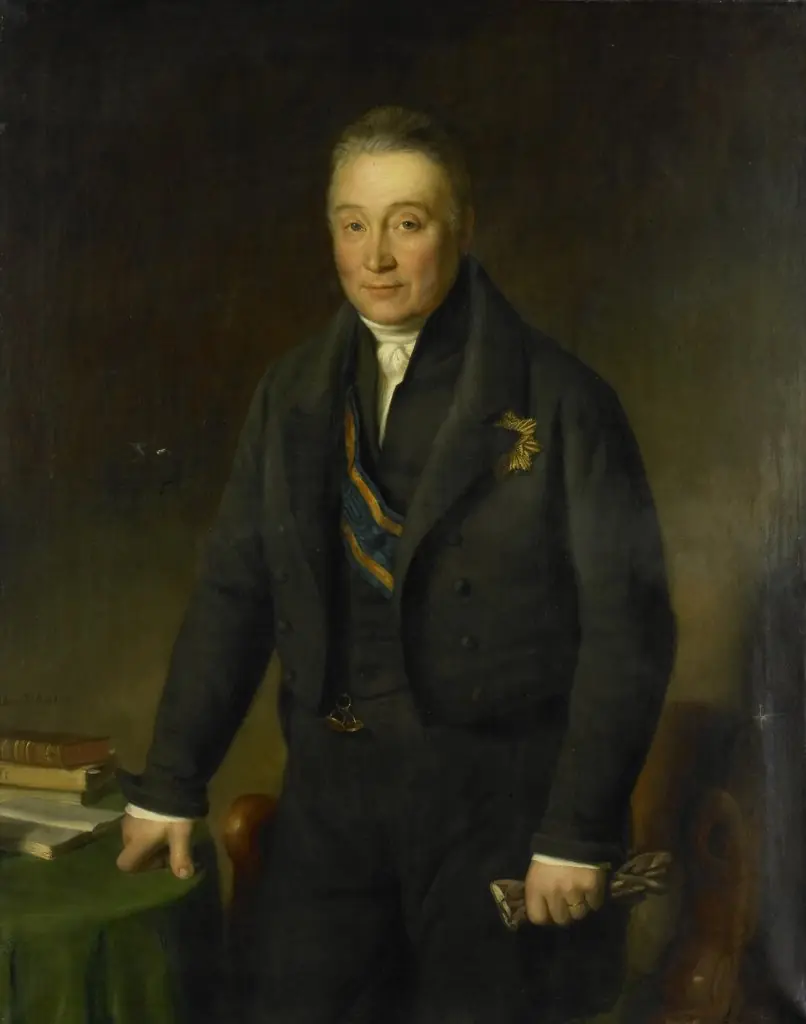 Portrait of Count Adam-François-Jules-Armand van der Duyn van Maasdam
 Rev. Thomas Davies
 Portrait of Nicolas Demimuid
 Professor dr. med. J.D. Herholdt
 Professor of Divinity Andreas Christian Krog
 The Theologian Andreas Gottlob Rudelbach