Artwork
Adam-François-Jules-Armand (1771-1848), Count van der Duyn van Maasdam
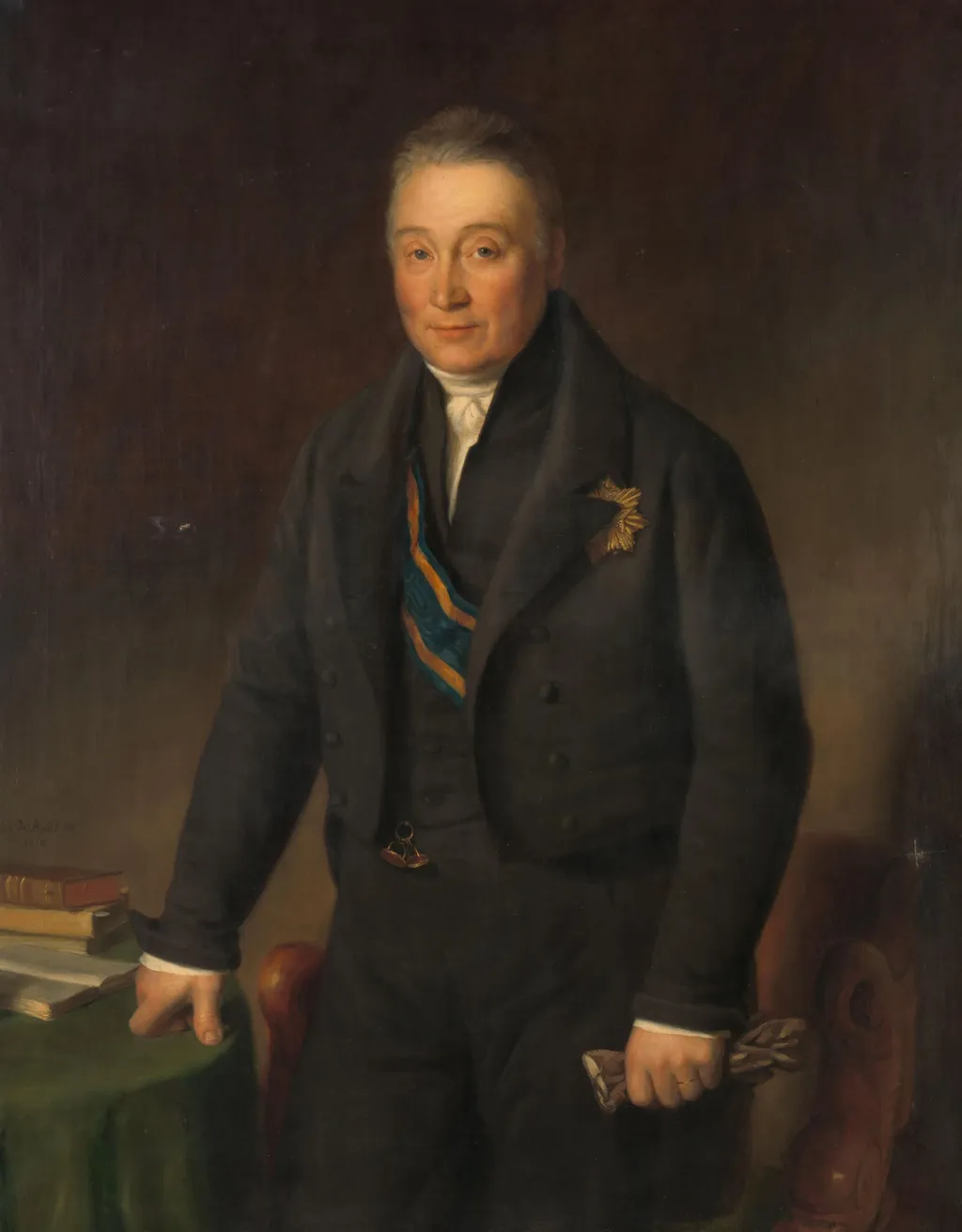
Adam-François-Jules-Armand (1771-1848), Count van der Duyn van Maasdam is an unspecified painting by the Biedermeier artist Jan Baptist van der Hulst. It dates from 1839 and is held in the collection of the Rijksmuseum.
About this work
Overview
This half‑length portrait depicts Adam‑François‑Jules‑Armand, Count van der Duyn van Maasdam (1771–1848), a Dutch nobleman active in the early nineteenth‑century political scene. He stands before a plain, dark backdrop, dressed in a dark coat. His right hand rests on a small table that holds a stack of books, while his left hand holds a pair of gloves.
Subject & Meaning
The count’s pose combines authority with intellectual pursuit: the books suggest a commitment to learning and governance, whereas the gloves signal aristocratic status and decorum. Together they convey a figure who balances public power with personal refinement, reflecting the role of the Dutch elite in shaping the nation after the Napoleonic era.
Technique & Style
Rendered in a careful, formal manner, the work employs a restrained palette and smooth brushwork that emphasize the sitter’s dignified bearing. The composition resembles early photographic portraiture, with a neutral background that isolates the figure and directs focus to his attire and the symbolic objects he holds.
History & Provenance
The artist remains unidentified, and the painting’s provenance traces back to the count’s family collection before entering public holdings. It now forms part of the Rijksmuseum’s portrait series, illustrating the visual culture of Dutch aristocracy in the post‑1795 period.
Own this work as a print
Artist & collection
Artist
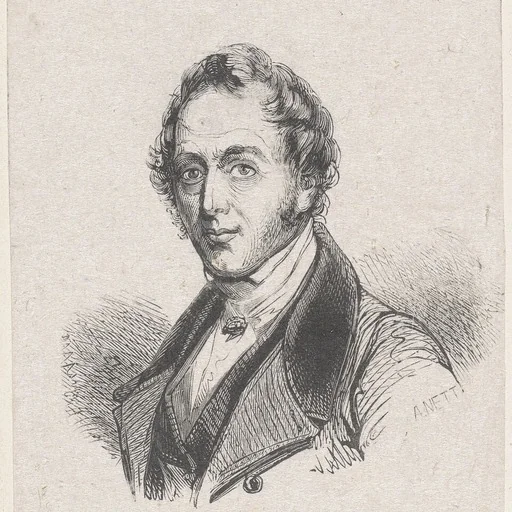
Jan Baptist van der Hulst (2 March 1790 – 16 May 1862) was a Flemish painter and lithographer. He painted numerous members of the royal family of the Netherlands, and was known for his work in history painting as well.

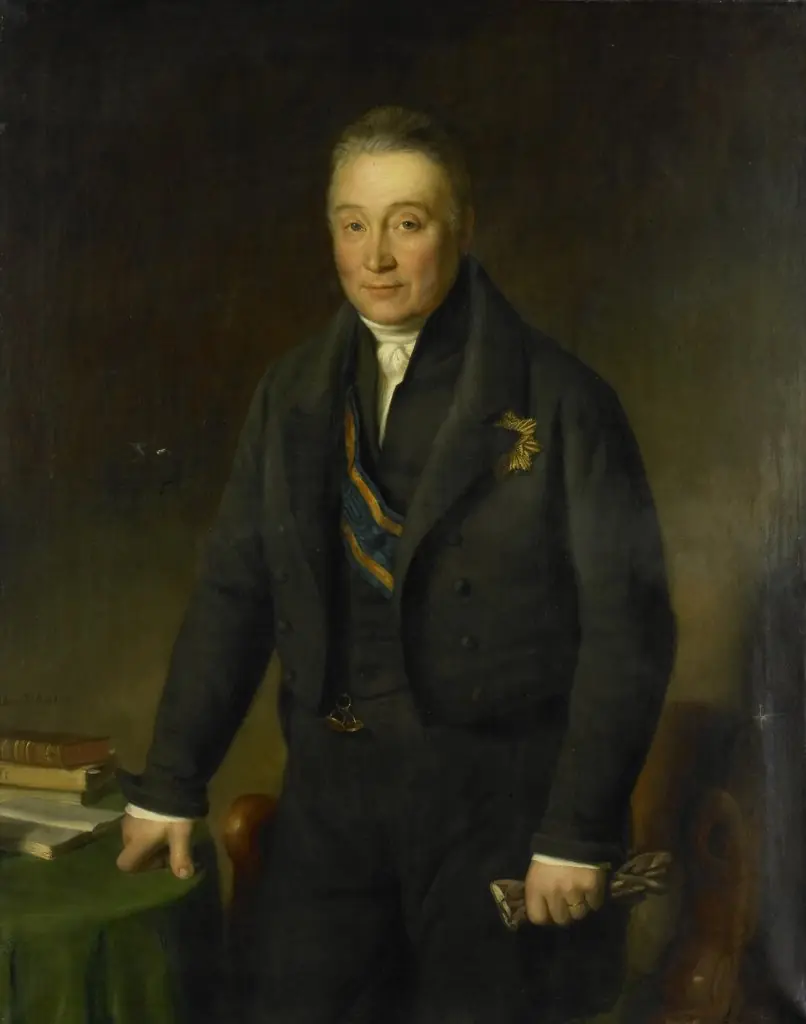 Portrait of Count Adam-François-Jules-Armand van der Duyn van Maasdam
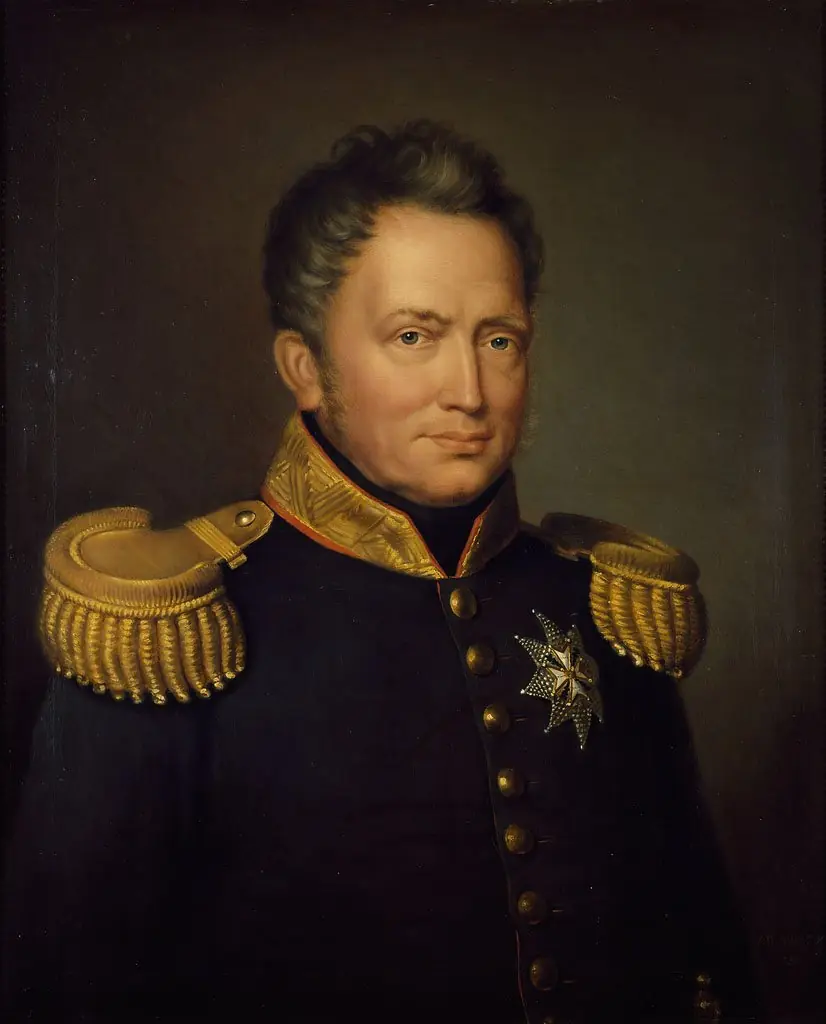 Portrait of Willem I (1772-1843). King of the Nederlands
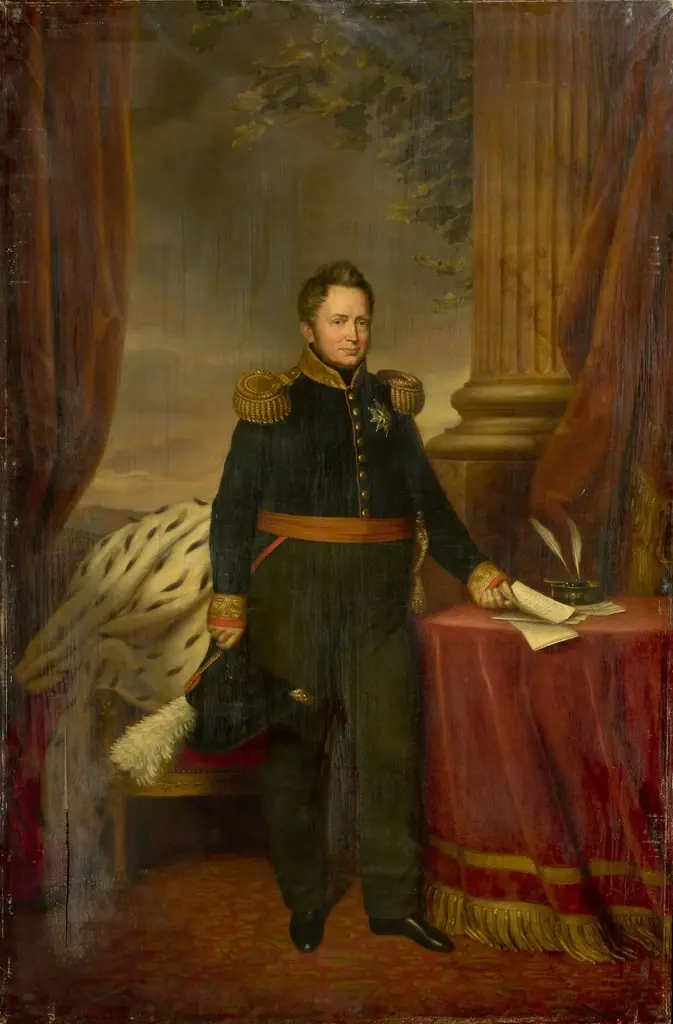 Portrait of William I, king of Netherlands
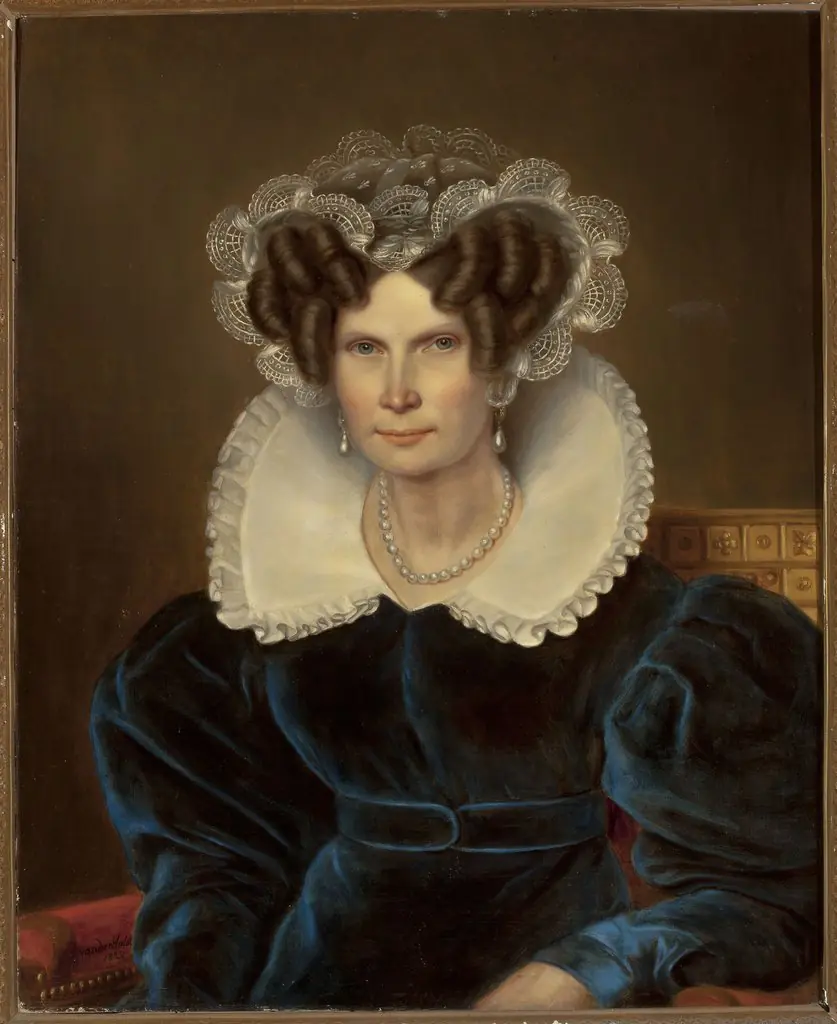 Portrait of Wilhelmine, queen of the Netherlands
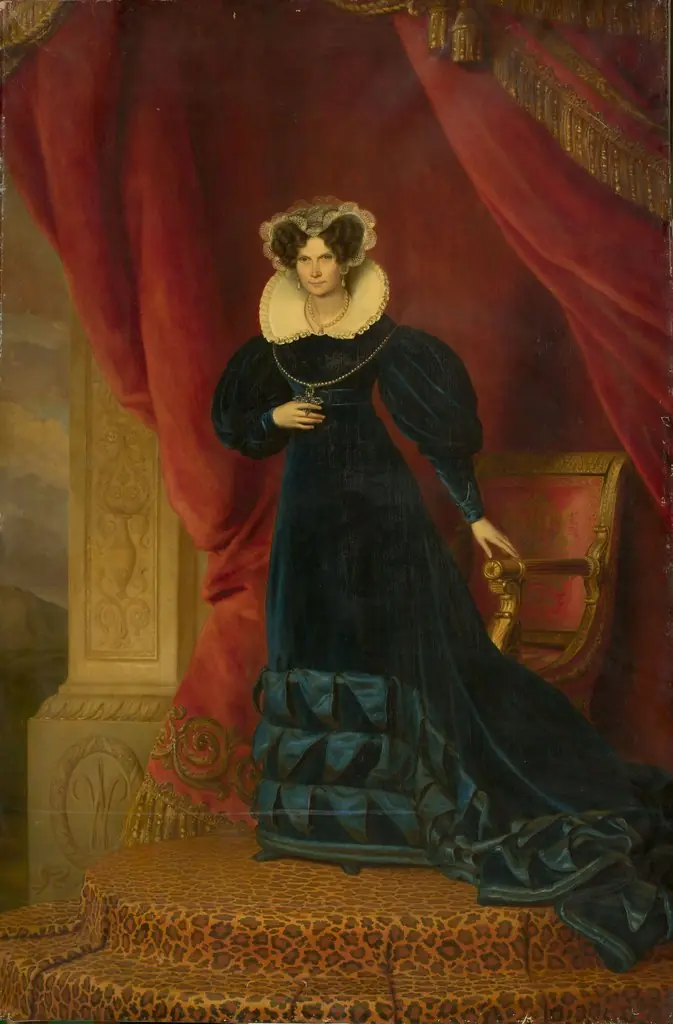 Portrait of Luise Wilhelmine of Prussia, queen of the Netherlands, wife of William I
 Portrait of Queen Wilhelmina, princess of Prussia (1774-1837)
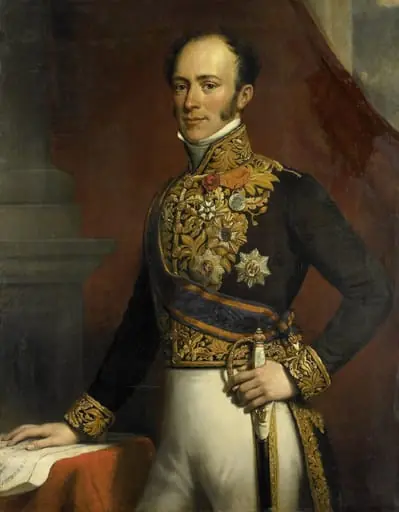 Portrait of Jan Jacob Rochussen, Governor-General of the Dutch East Indies
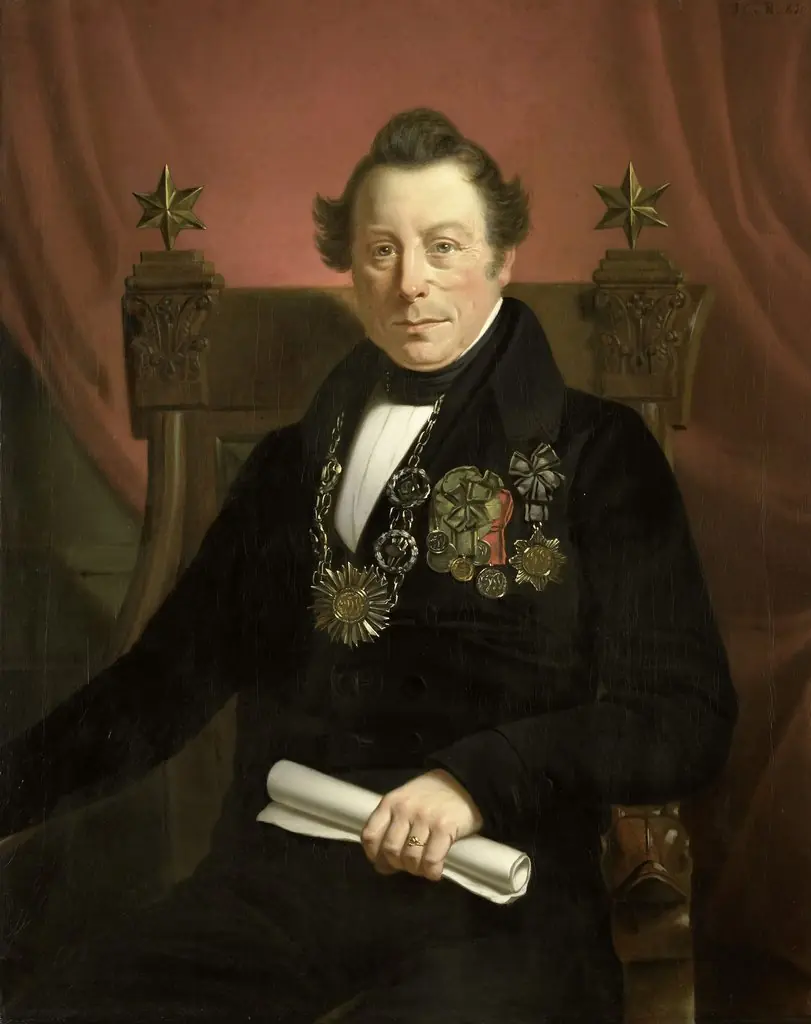 Portrait of Coenraad van Hulst, Actor, as President of the Arts-Promoting Company VW in Amsterdam (so named after the founders Casper Vreedenberg and Jan van Well)
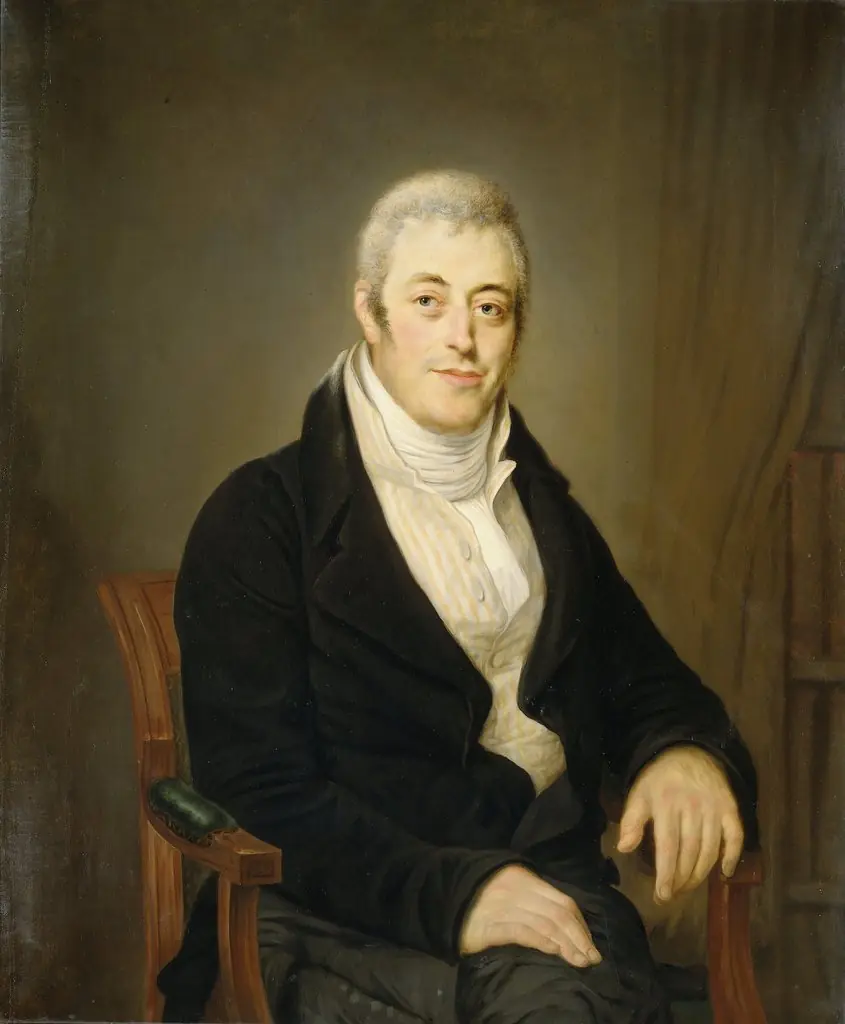 Portrait of Jonas Daniel Meijer, Lawyer
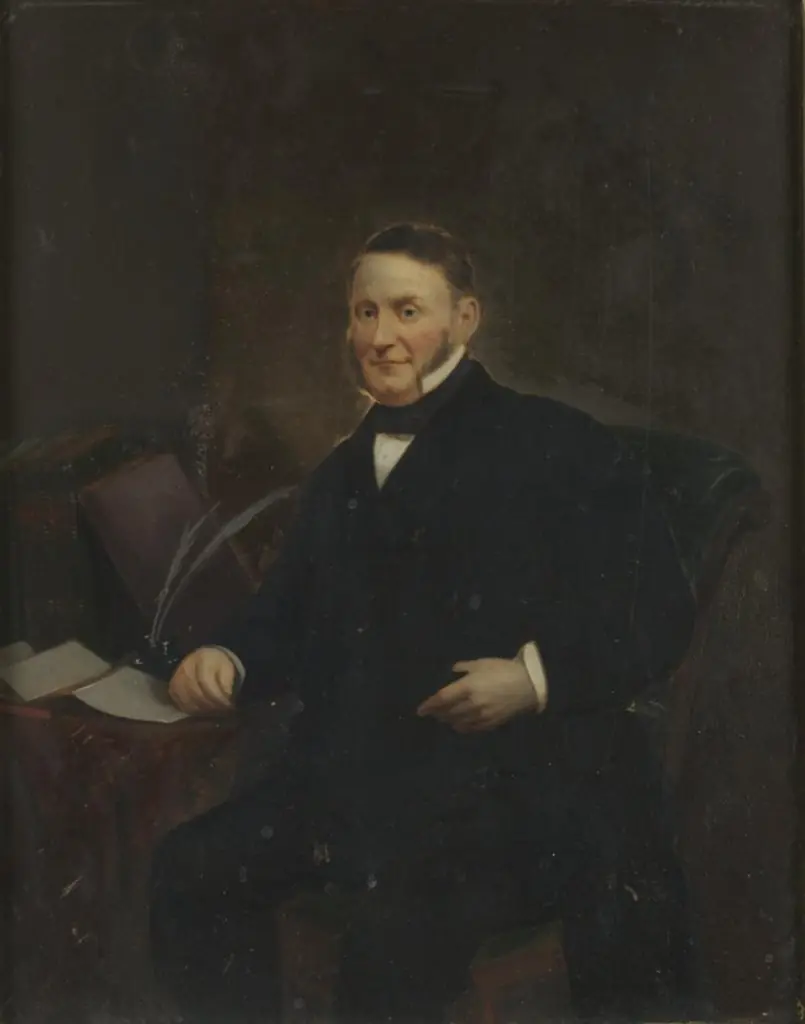 Ebenezer Cooper, Llangollen
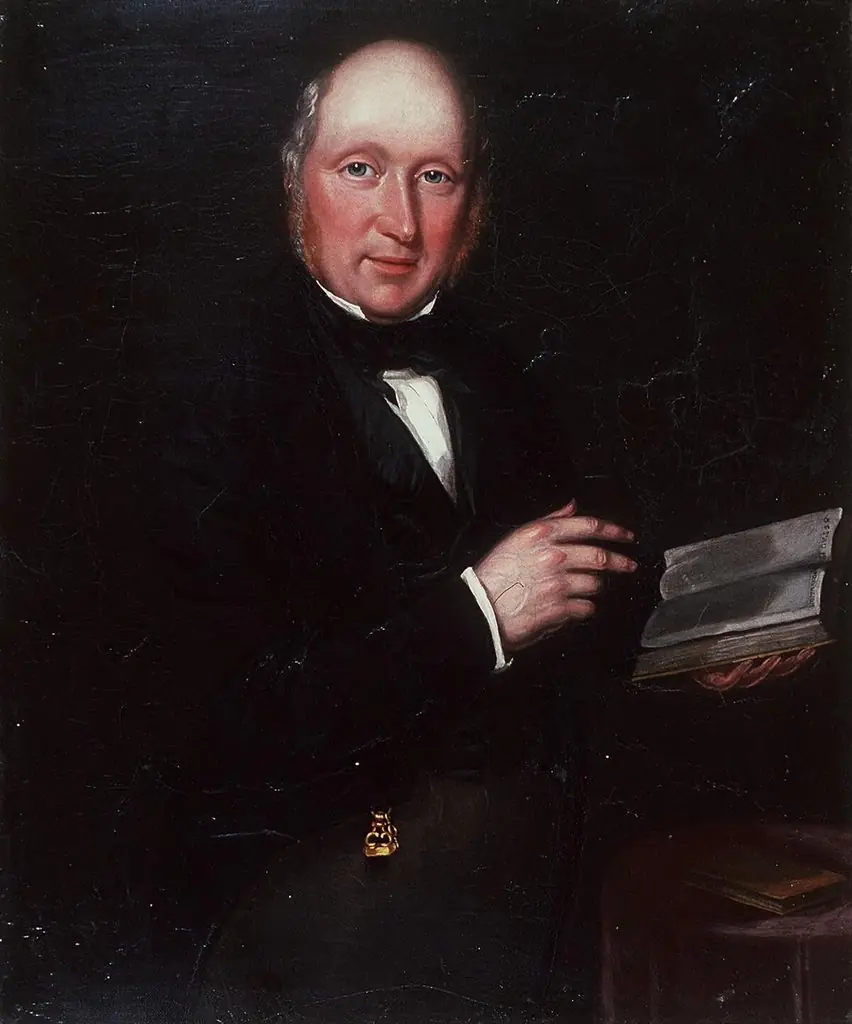 Portrait of an unidentified cleric
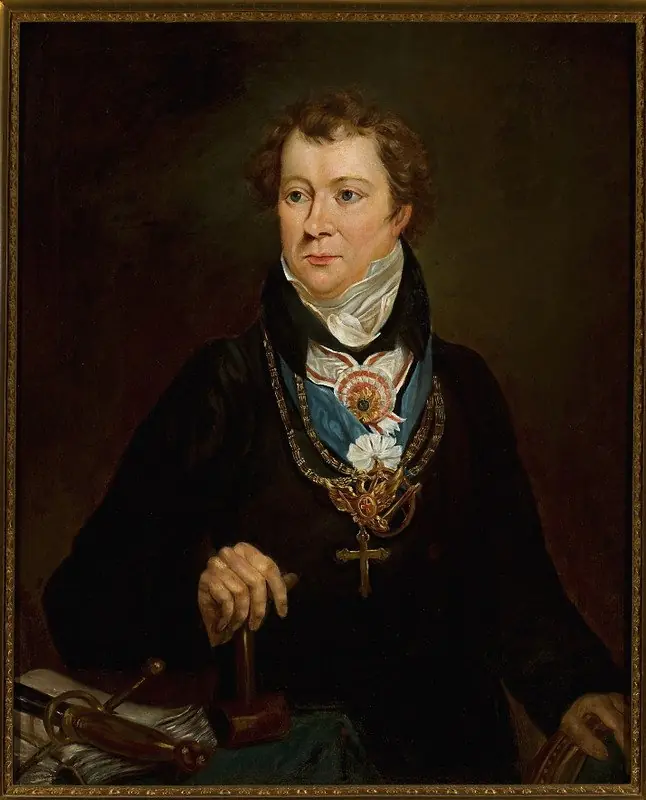 Portrait of Ludwik Osiński in Freemason's dress
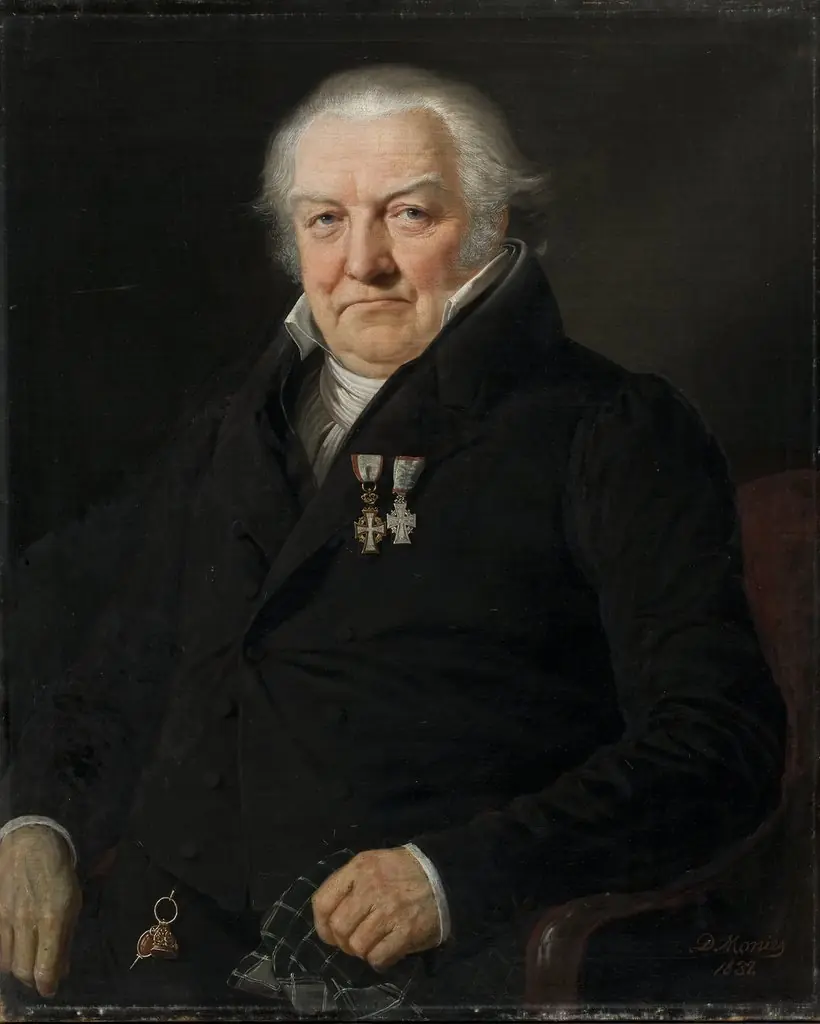 Professor, dr. med. J.D. Herholdt