Artwork
The Sculptor Jens Adolf Jerichau, the Artist's Husband
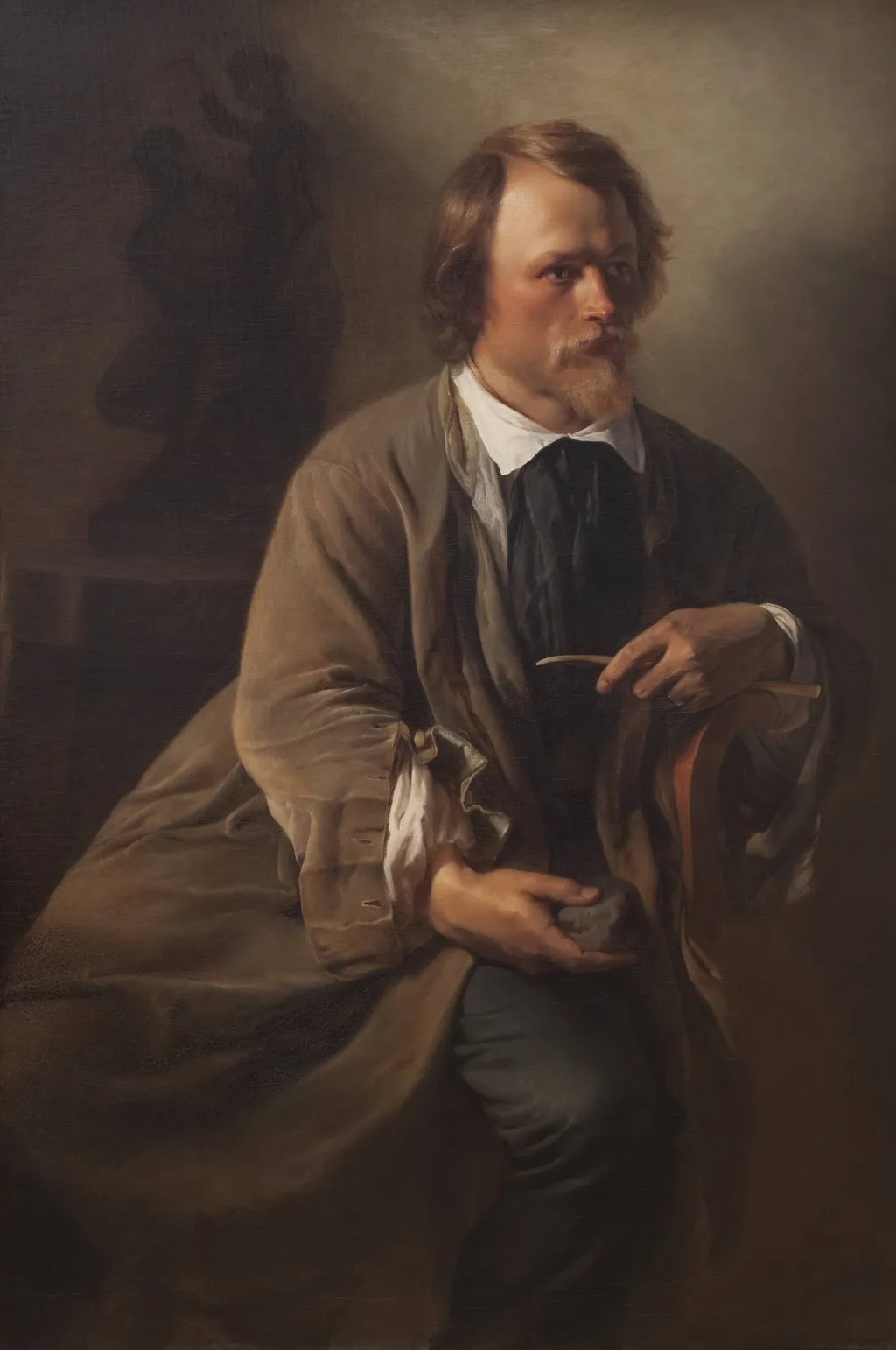
The Sculptor Jens Adolf Jerichau, the Artist's Husband is a photography by the Romanticist artist Unknown. It dates from 1846 and is held in the collection of the Statens Museum for Kunst. Painted in 1846, this portrait depicts Jens Adolf Jerichau, a Danish sculptor and the husband of the artist.
About this work
Overview
The work is a straightforward representation of the sitter, emphasizing his presence through careful attention to posture and expression.
Painted in 1846, this portrait depicts Jens Adolf Jerichau, a Danish sculptor and the husband of the artist. The work is a straightforward representation of the sitter, emphasizing his presence through careful attention to posture and expression. It resides in the Museum of Ethnography, though its subject is not an ethnographic figure, suggesting the collection’s broader historical scope beyond cultural artifacts.
Subject & Meaning
Jerichau is portrayed not as a public figure but as a private individual—calm, contemplative, and grounded. His relaxed pose and the small object in his hand hint at his identity as a maker, perhaps a model or tool related to his sculptural practice. The absence of symbolic props or grandeur shifts focus to his character, reflecting an intimate, domestic view of an artist’s life.
Technique & Style
The artist employs chiaroscuro to model the face and hands with soft, directional light, creating subtle gradations between shadow and highlight. The dark, indistinct background isolates the figure, enhancing the three-dimensionality of his form. The brushwork is restrained, favoring smooth transitions in skin tones and fabric texture, consistent with mid-19th-century academic portraiture.
History & Provenance
The painting entered the Museum of Ethnography’s collection in the 19th century, likely through the artist’s family or Danish cultural networks. Its placement among ethnographic materials may reflect early museum practices that grouped personal artifacts with cultural objects. Its provenance remains tied to Danish artistic circles, though its specific acquisition path is not fully documented.
Context
In 1840s Denmark, portraiture often served to document personal and professional identities within a growing middle class. Jerichau’s depiction aligns with this trend, presenting the artist as a thoughtful, composed individual rather than a heroic figure. The work reflects a shift toward psychological realism and domestic intimacy in Nordic art during this period.
Legacy
Though not widely exhibited outside Denmark, the portrait remains a quiet testament to the intersection of personal and professional life among 19th-century artists. It offers insight into how artists portrayed their spouses—not as muses, but as fellow creators. Its preservation in an ethnographic museum underscores evolving ideas about what constitutes cultural heritage.
Artist & collection

 Domestic Scene
 Giacomo and Cardinal Marco, investing Andrea, Abbot of San Zeno, with his Benefice
 The Nymph of Fontainebleau
 Portrait of a Woman
 Madonna and Child with Saints in the Enclosed Garden
 Venus and Minerva
 Family Group of Four on Sofa
 Wall painting from Room H of the Villa of P. Fannius Synistor at Boscoreale
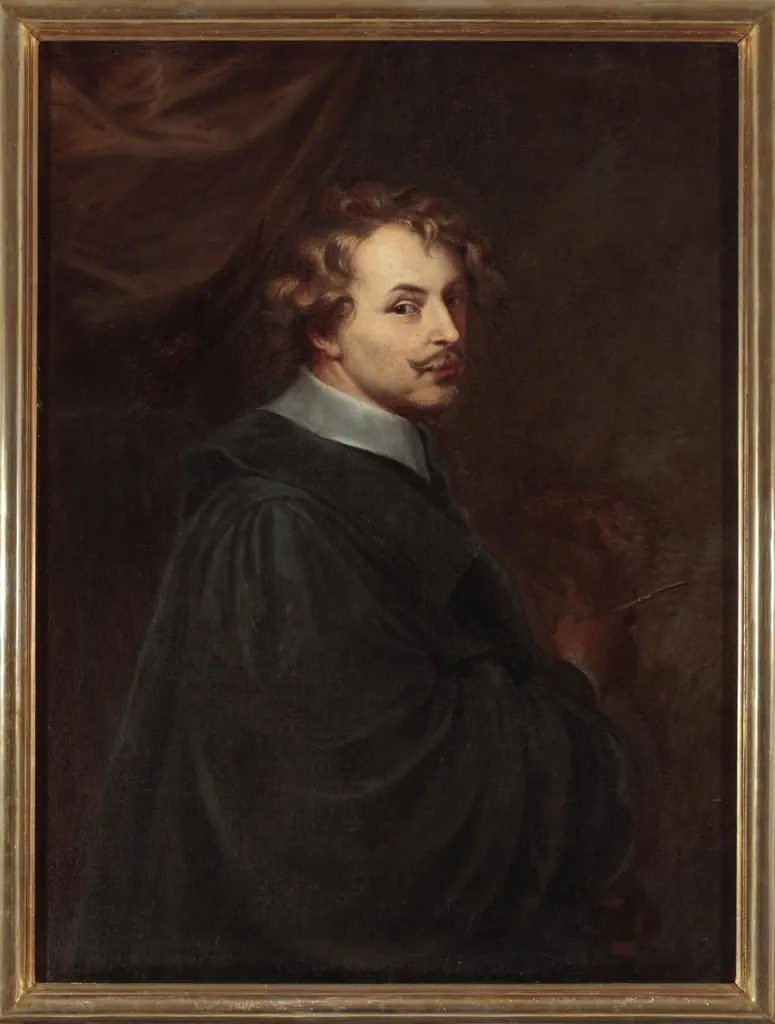 Portrait of Anthony van Dyck (1599–1641)
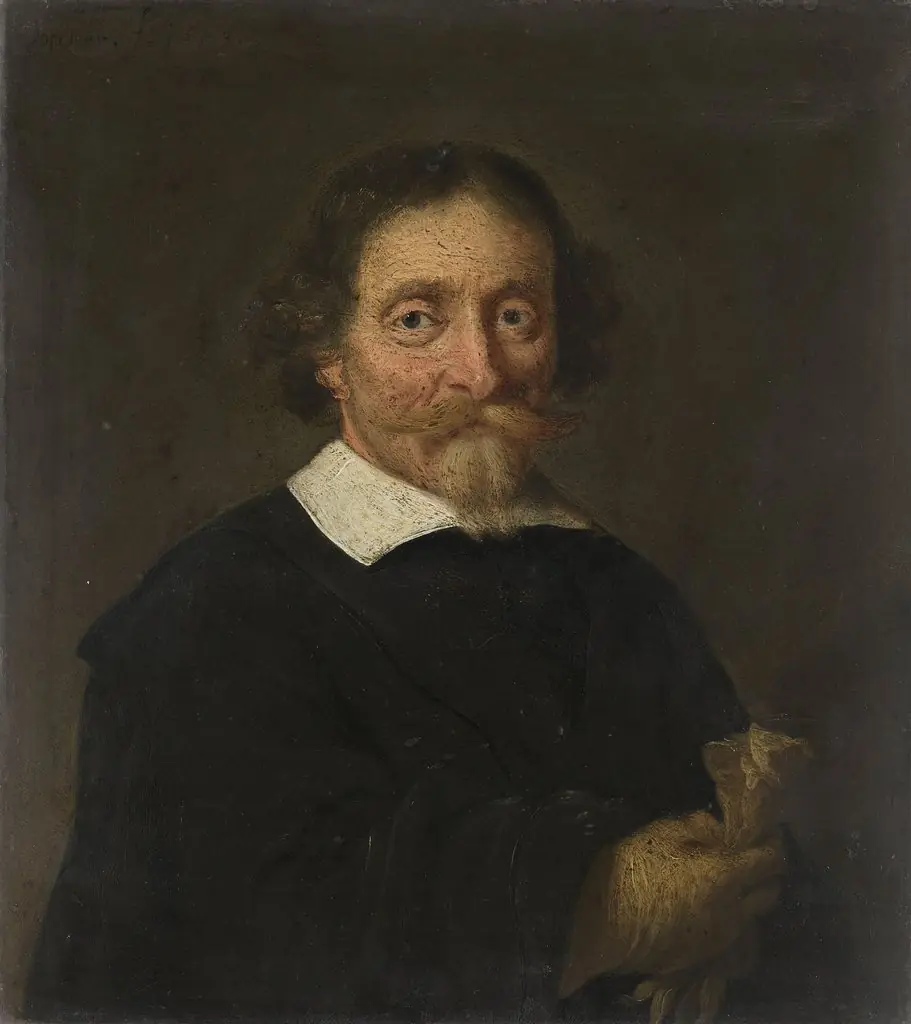 Portrait of a man
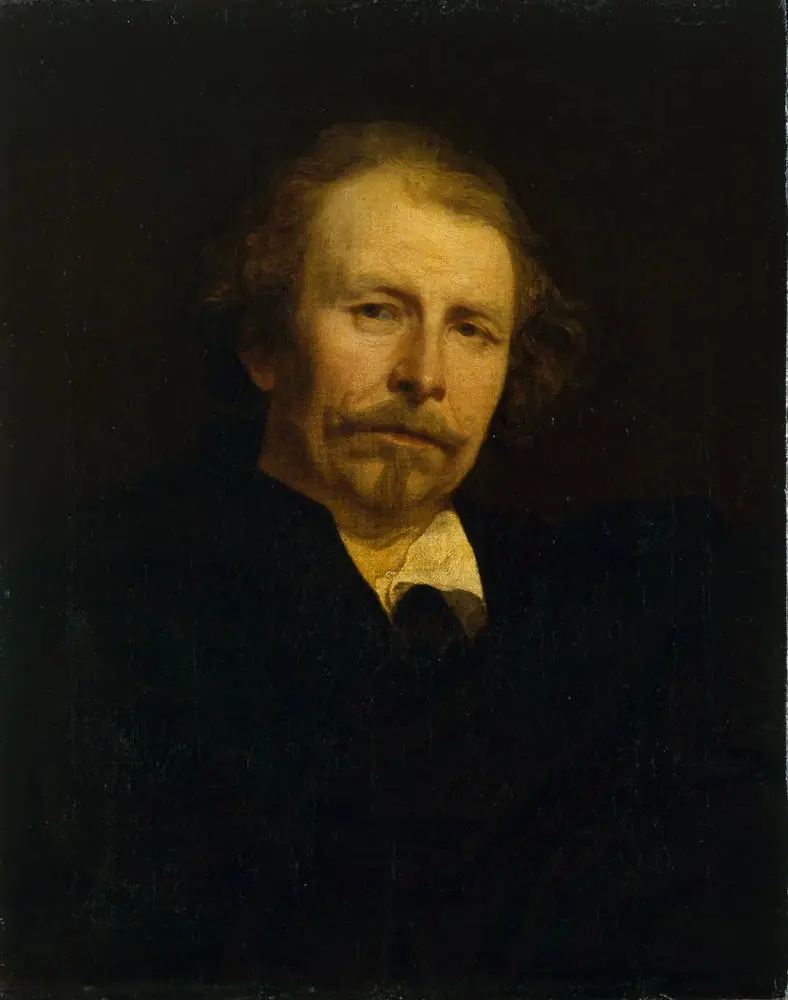 Portrait of a Blond Gentleman
 Portrait of a Gentleman with a Tall Hat and Gloves
 Male portrait
 Portrait of a Man
 Portrait of a young gentleman, formerly believed to be a self-portrait
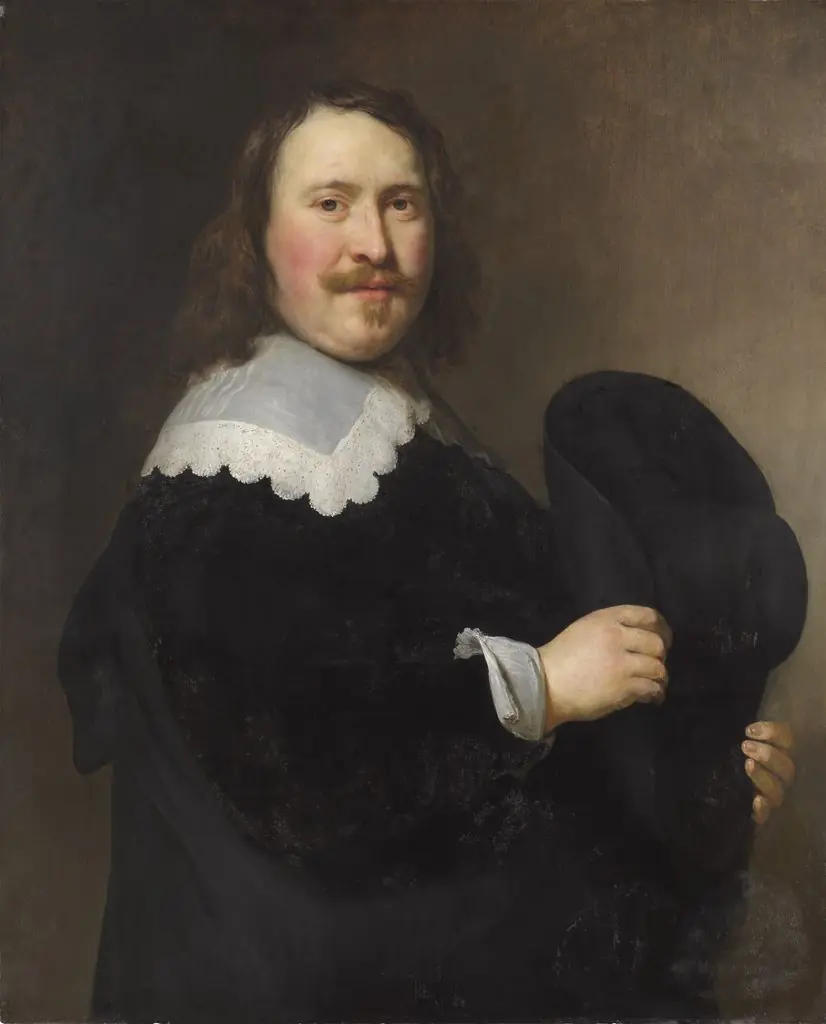 Portrait of a Man with a Hat
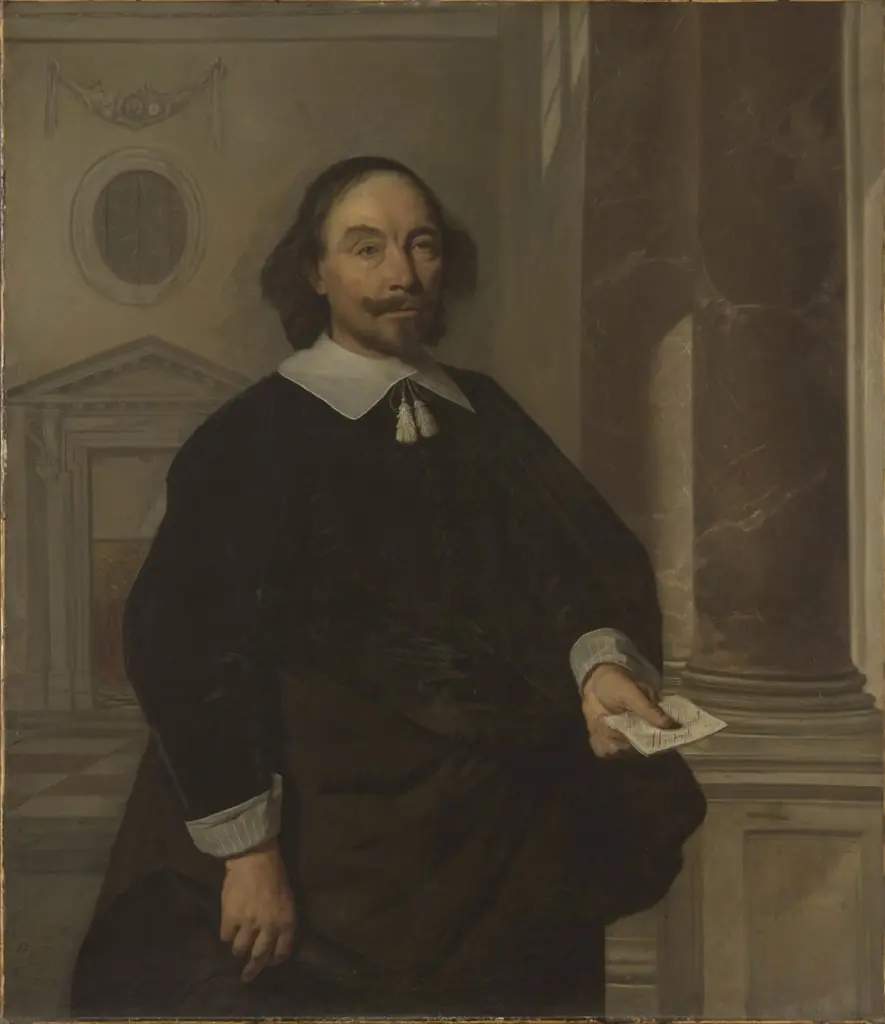 Portrait of Michiel Heusch
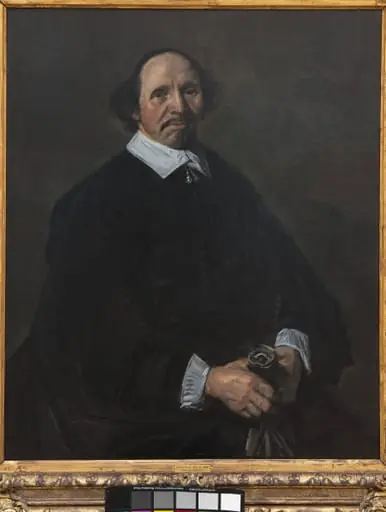 Portrait of a Man