Artwork
Portrait of a Man
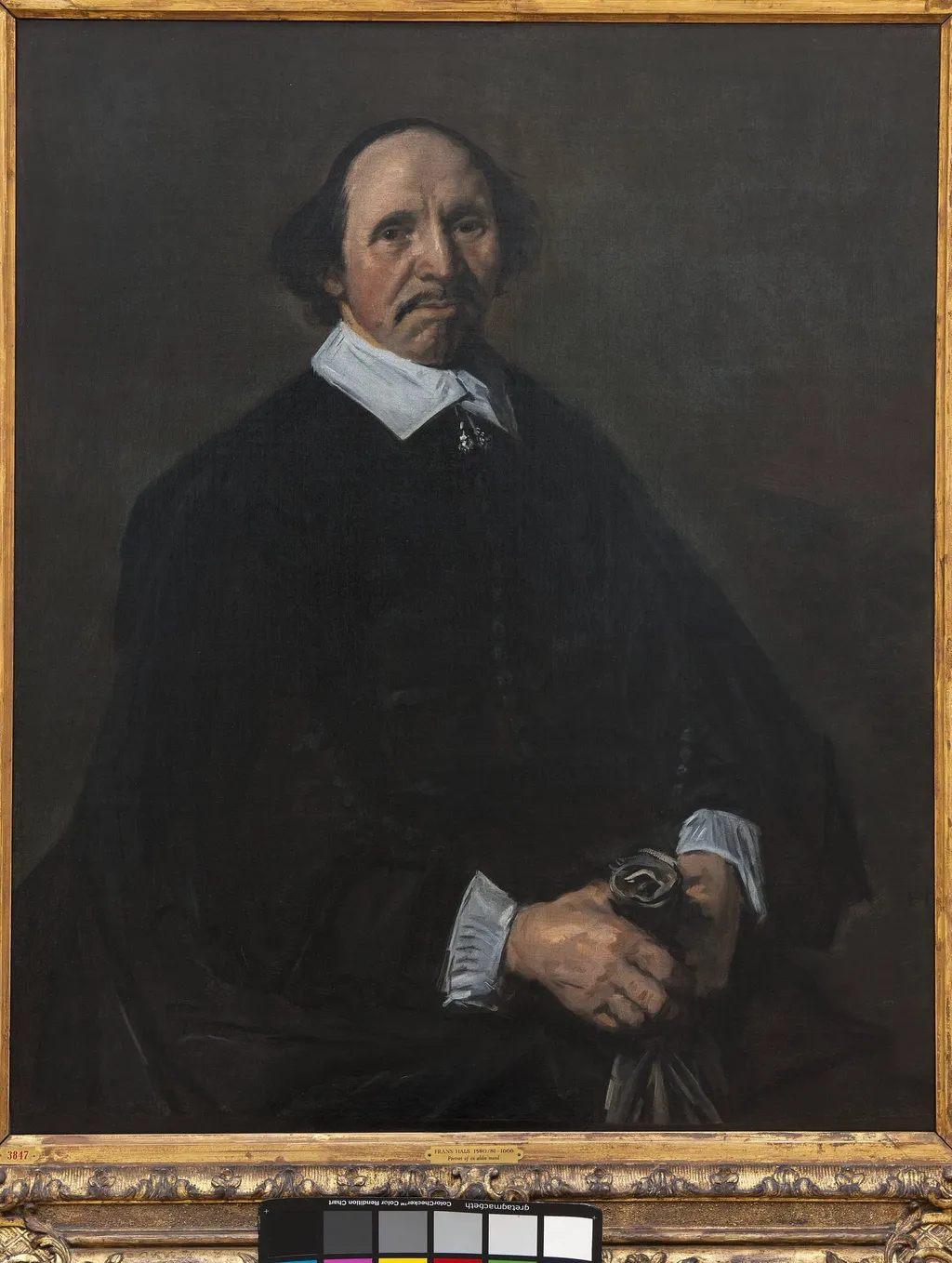
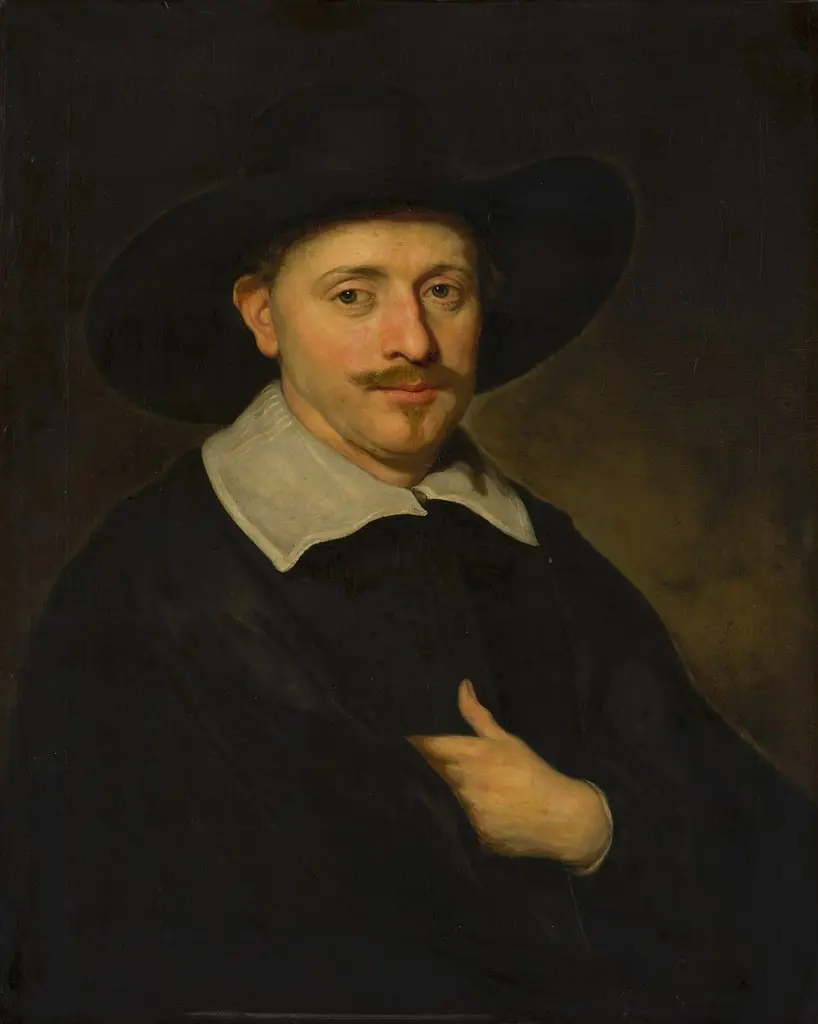
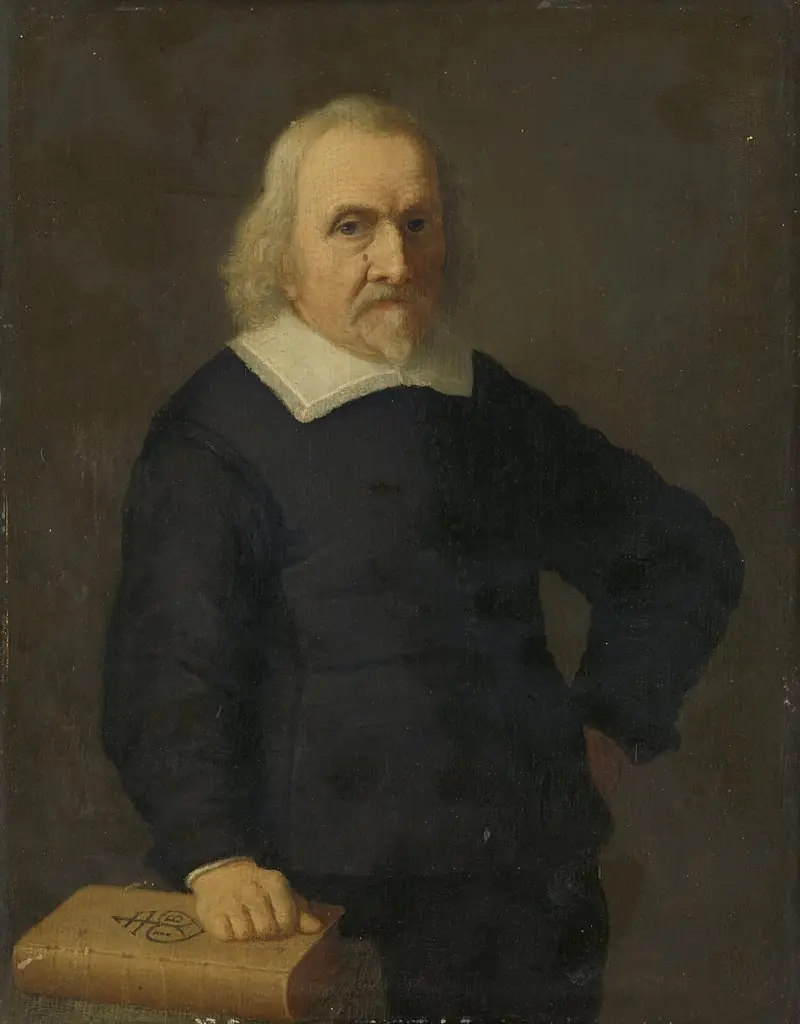
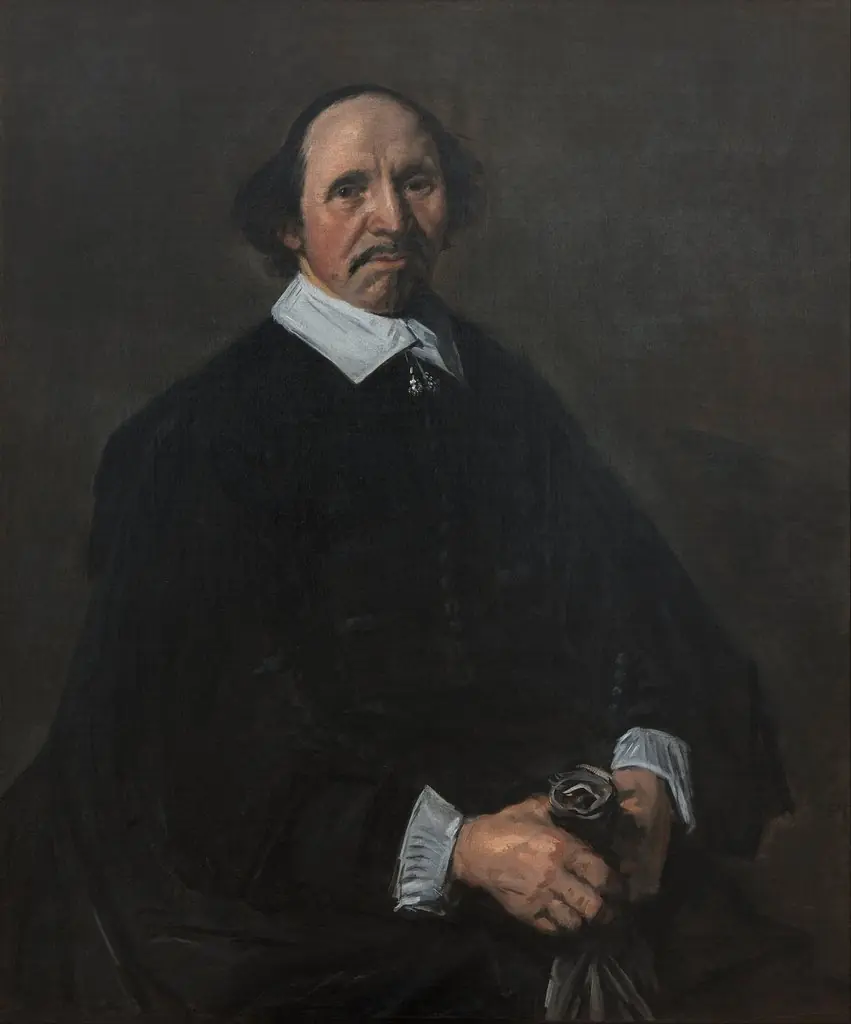
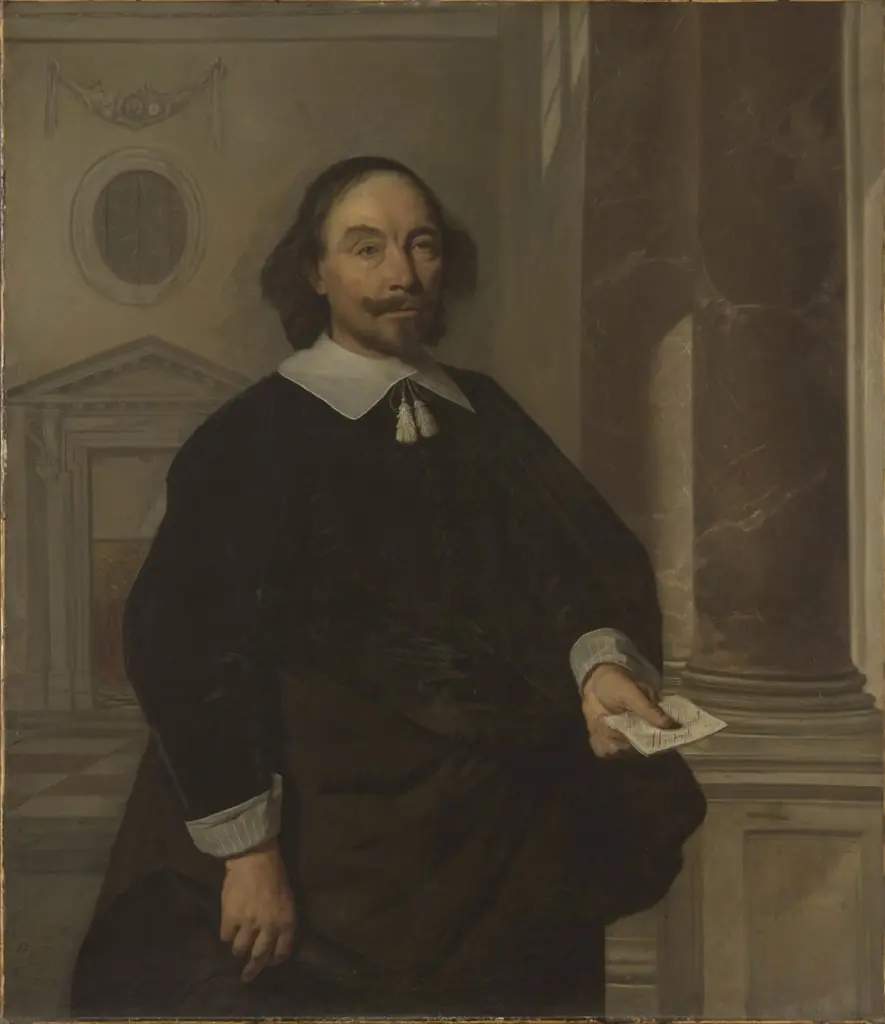
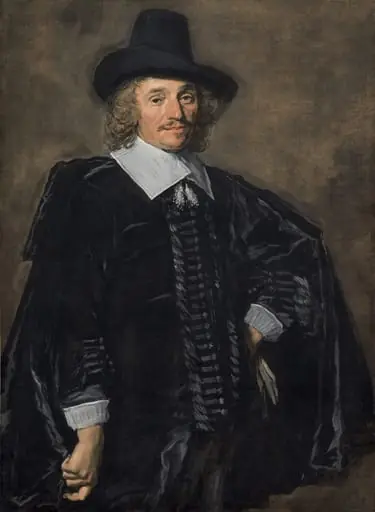
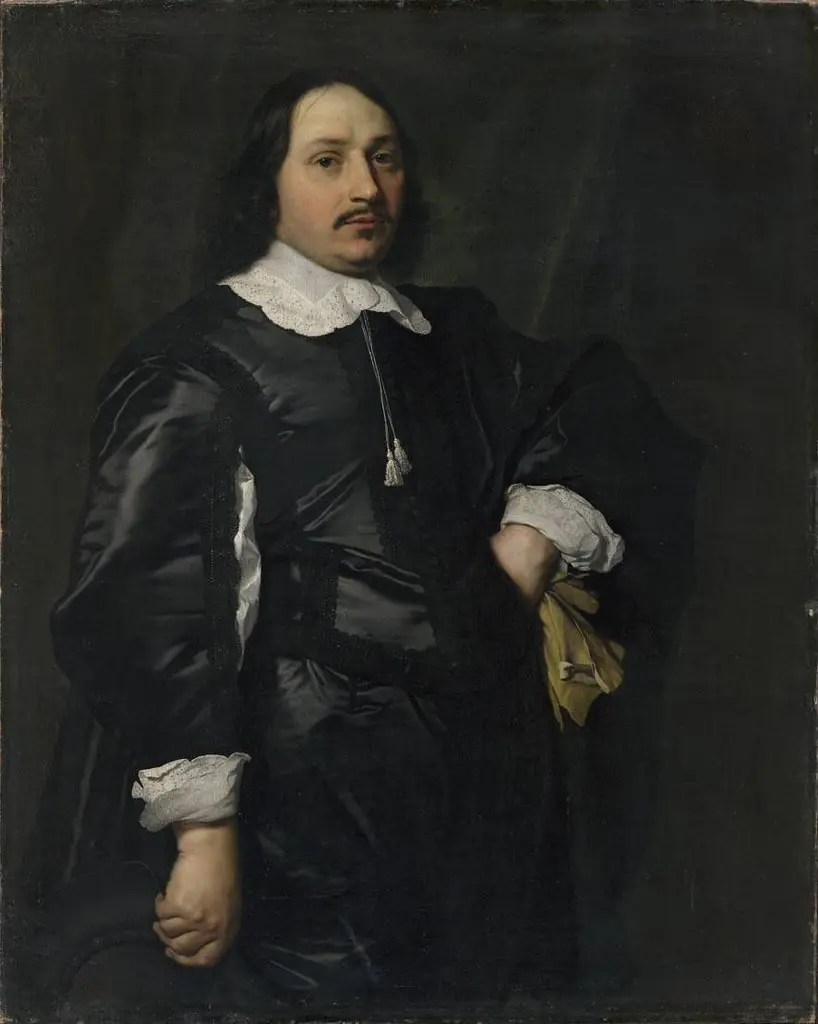
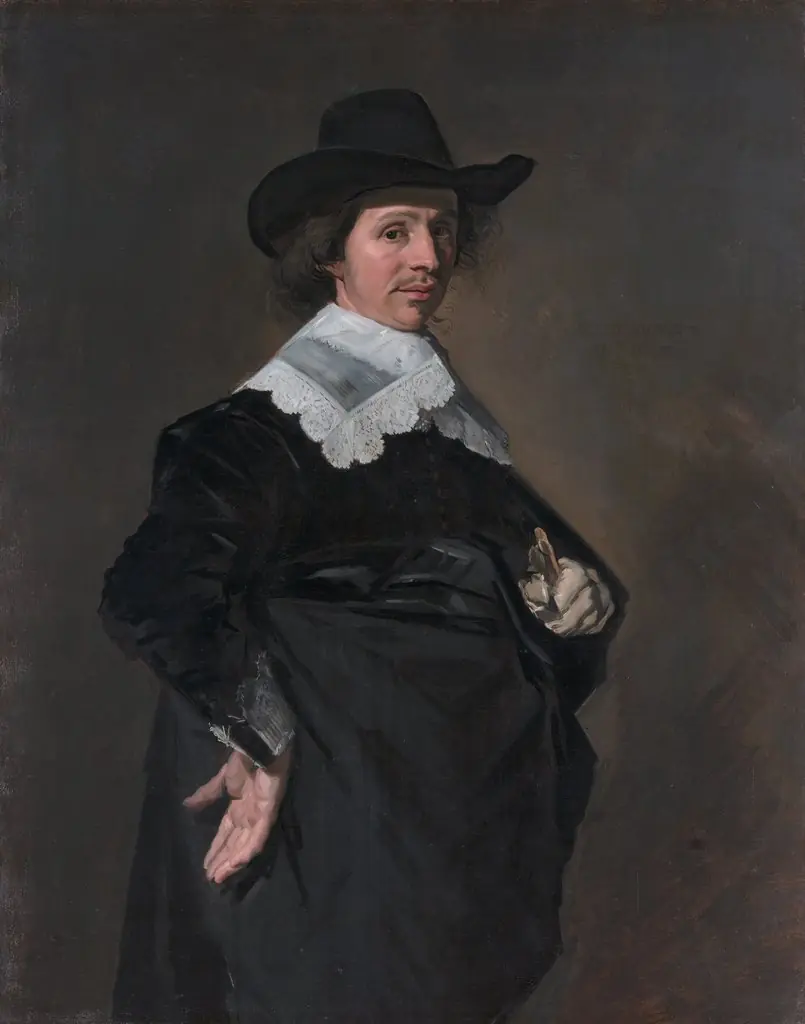
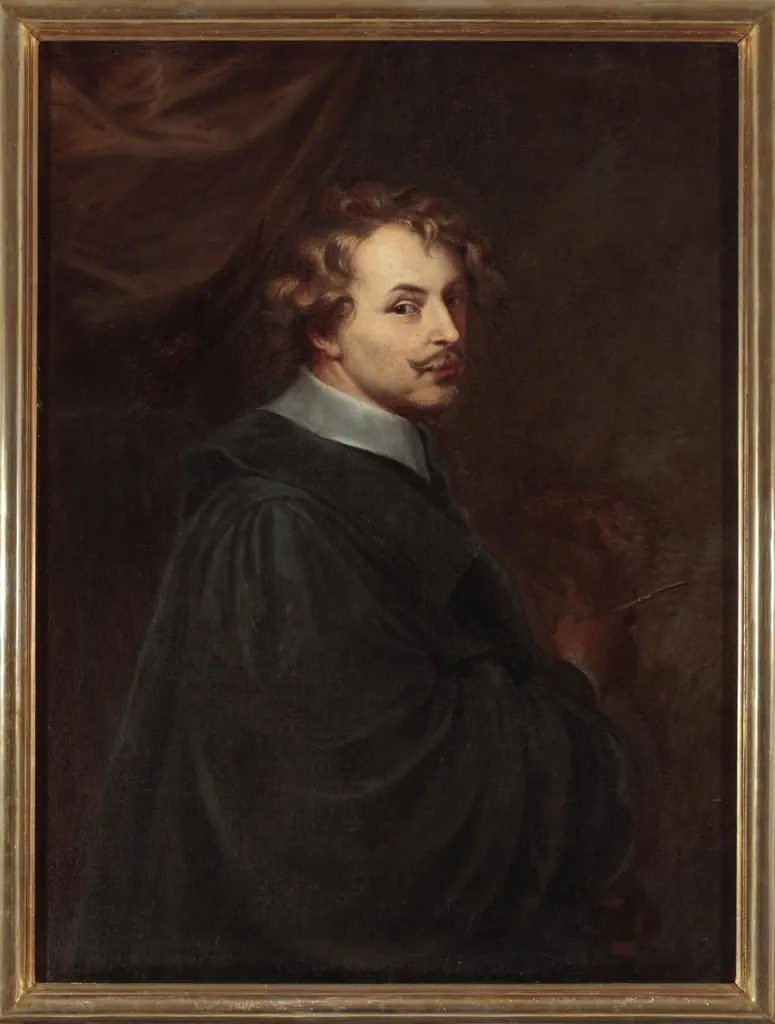
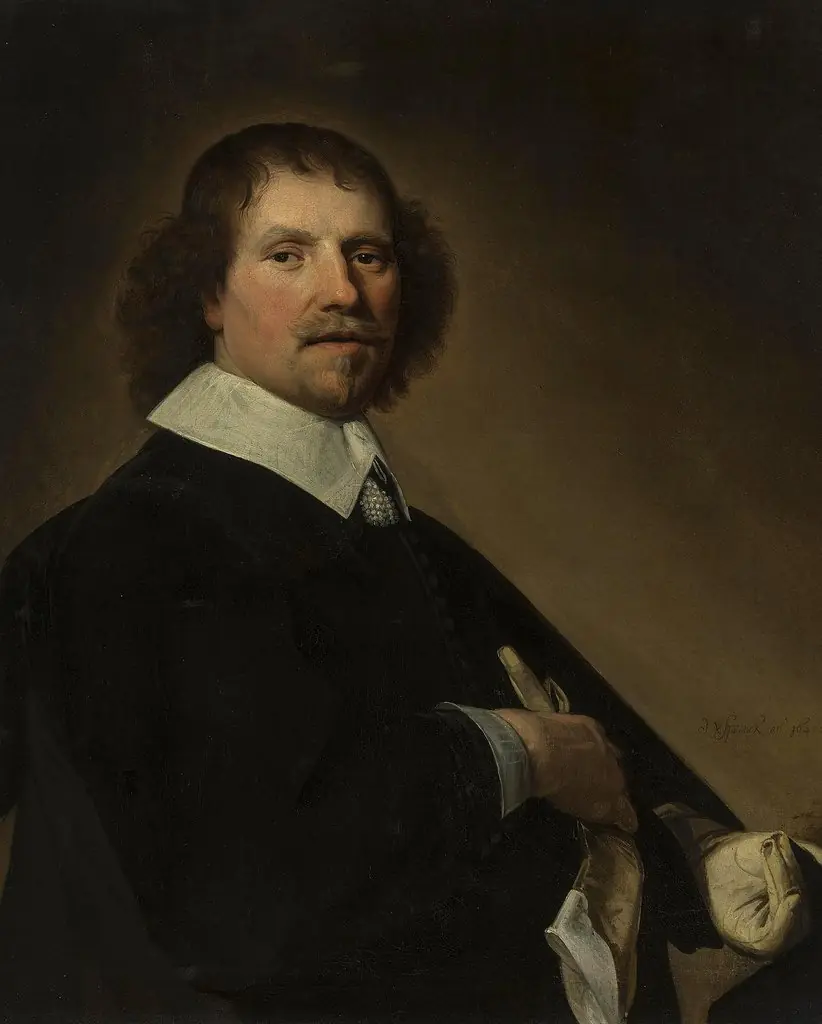
Portrait of a Man is an unspecified painting by Unknown. It dates from 1657 and is held in the collection of the Statens Museum for Kunst. Painted around 1657, this portrait depicts a man in somber attire, rendered with quiet intensity.
About this work
Overview
Painted around 1657, this portrait depicts a man in somber attire, rendered with quiet intensity. The work is attributed to an artist associated with the Dutch Golden Age, though the specific creator remains unidentified. It resides in the Museum of Ethnography, where its formal composition and restrained palette reflect the period’s emphasis on individual dignity and introspection.
Subject & Meaning
The sitter, dressed in a dark robe with crisp white linen collar and cuffs, appears composed and contemplative.
The sitter, dressed in a dark robe with crisp white linen collar and cuffs, appears composed and contemplative. His grip on a folded document suggests a role tied to correspondence, law, or administration. The absence of overt symbols of status or wealth implies a focus on personal character rather than social rank, aligning with emerging values of individuality in mid-17th-century Northern Europe.
Technique & Style
The artist employs chiaroscuro to model the face and hands with sharp contrasts between light and shadow, enhancing volume and texture. The dark background isolates the figure, drawing attention to the subtle variations in skin tone and fabric weave. Brushwork is precise yet unobtrusive, emphasizing realism over ornamentation, characteristic of Dutch portraiture of the era.
History & Provenance
The painting entered the Museum of Ethnography’s collection in the late 19th or early 20th century, likely through acquisition or donation. Its origins prior to that are undocumented, and no records link it to a known patron or exhibition history. Its attribution remains tentative, as no signature or documented provenance has been verified.
Context
Created during the Dutch Golden Age, this portrait reflects a cultural shift toward secular, individualized representation. Unlike aristocratic portraits elsewhere in Europe, Dutch likenesses often favored modesty and psychological depth. The emphasis on texture, light, and quiet demeanor aligns with works by contemporaries such as Rembrandt and Frans Hals, though this piece lacks their overt theatricality.
Legacy
Though not widely published or exhibited beyond institutional circles, the portrait contributes to the broader understanding of non-elite portraiture in 17th-century Netherlands. Its restrained aesthetic offers insight into how middle-class identity was visually constructed, preserving a quiet but enduring record of personal presence in an era defined by commerce and civic life.
Artist & collection

 Domestic Scene
 Giacomo and Cardinal Marco, investing Andrea, Abbot of San Zeno, with his Benefice
 The Nymph of Fontainebleau
 Portrait of a Woman
 Madonna and Child with Saints in the Enclosed Garden
 Venus and Minerva
 Family Group of Four on Sofa
 Wall painting from Room H of the Villa of P. Fannius Synistor at Boscoreale