Artwork
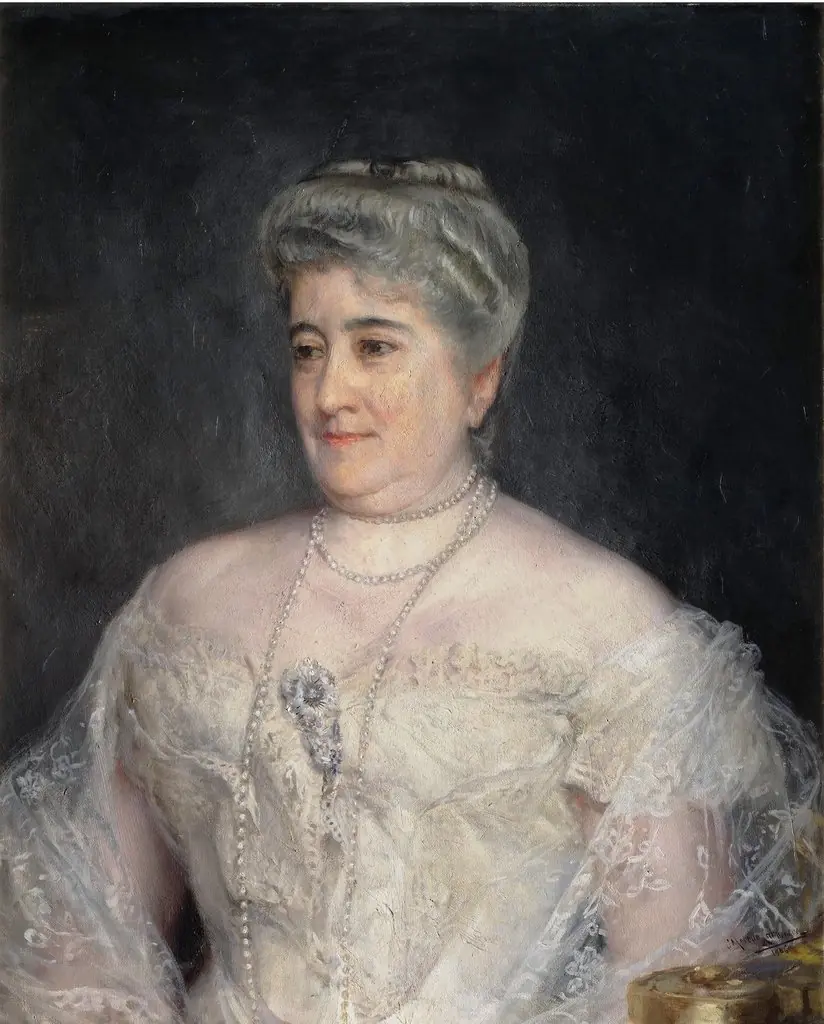
Fru Johanne Andersen, f. Schumacher
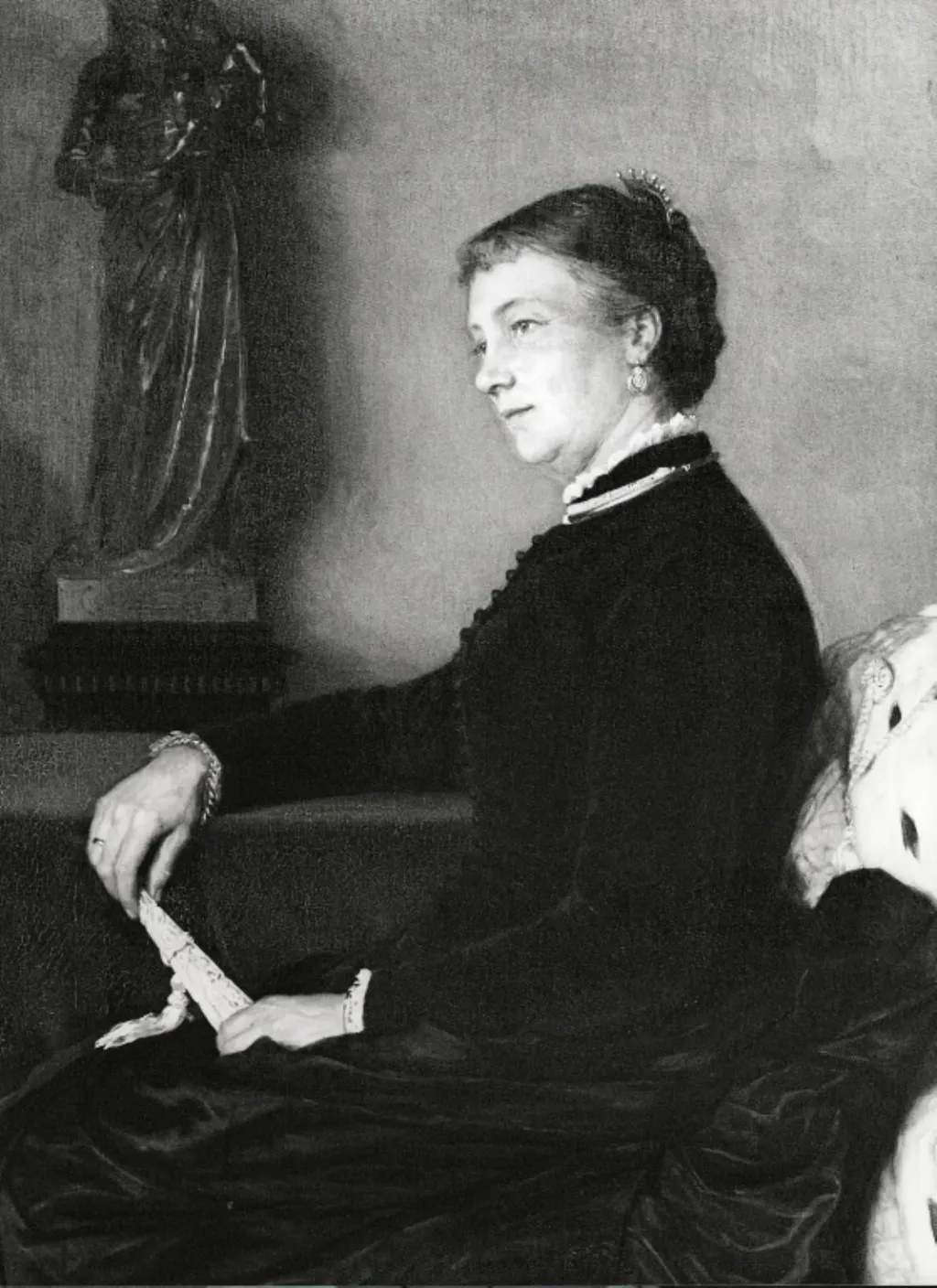
Fru Johanne Andersen, f. Schumacher is a photography by the Impressionist artist Unknown. It dates from 1892 and is held in the collection of the Statens Museum for Kunst. This 1892 photographic portrait depicts Johanne Andersen, née Schumacher, seated in a domestic interior.
About this work
Overview
This 1892 photographic portrait depicts Johanne Andersen, née Schumacher, seated in a domestic interior. The image is held in the collection of the Museum of Ethnography and was taken during a period when photography increasingly served as a tool for documenting personal and cultural identity. Rendered in monochrome, the composition emphasizes stillness and quiet dignity.
Subject & Meaning
Johanne Andersen is portrayed with composure, her gaze directed away from the viewer, suggesting introspection rather than performance. Her attire—a high-necked dark dress with lace detailing—reflects modest, middle-class Victorian norms. The presence of a marble bust and draped curtain implies a cultivated home environment, reinforcing themes of domesticity and personal heritage.
Technique & Style
The photograph employs soft, diffused lighting that gently models the subject’s form without harsh contrasts. The focus is deliberately centered on the figure, with the background elements rendered subtly to avoid distraction. This restrained approach aligns with the observational ethos of late 19th-century realism, prioritizing authenticity over theatricality.
History & Provenance
The photograph entered the Museum of Ethnography’s collection as part of a broader effort to preserve visual records of everyday life in Scandinavia. Its origins trace to a private family archive, acquired by the museum in the early 20th century. No record of the photographer’s identity survives, though the style suggests a professional or amateur practitioner active in Denmark.
Context
In the 1890s, photography became a common medium for portraiture among the urban middle class, replacing painted likenesses in many households. This image reflects a shift toward intimate, unidealized representation. The inclusion of a classical bust hints at cultural aspirations, while the domestic setting grounds the subject in her lived reality.
Legacy
The portrait endures as a quiet testament to ordinary life in late 19th-century Denmark. It contributes to historical studies of gender, class, and domestic space, offering insight into how individuals presented themselves through photographic means. Its preservation underscores the value placed on personal archives as cultural artifacts.
Artist & collection

 Domestic Scene
 Giacomo and Cardinal Marco, investing Andrea, Abbot of San Zeno, with his Benefice
 The Nymph of Fontainebleau
 Portrait of a Woman
 Madonna and Child with Saints in the Enclosed Garden
 Venus and Minerva
 Family Group of Four on Sofa
 Wall painting from Room H of the Villa of P. Fannius Synistor at Boscoreale
 Mrs Elizabeth Poole-Hughes
 Flora Clift Stevenson, 1840 - 1905. Educationalist and philanthropist
 Mrs A.J. Zubli-Maschhaupt
 Mrs. Thomas Hicks
 Mrs. Sylvester Dering
 Portrait of a Lady (the Artist's Daughter)
 Agnes Gordon Higginson Fuller (Mrs. George Fuller)
 Portrait of Mrs Geale-Wybrants
 Empress Elisabeth
 Emily E. Blanchard Shepherd
 Portretul doamnei Fălcoianu
 Purificación Fontán marquesa viuda del Pazo de la Merced