Artwork
Mrs A.J. Zubli-Maschhaupt
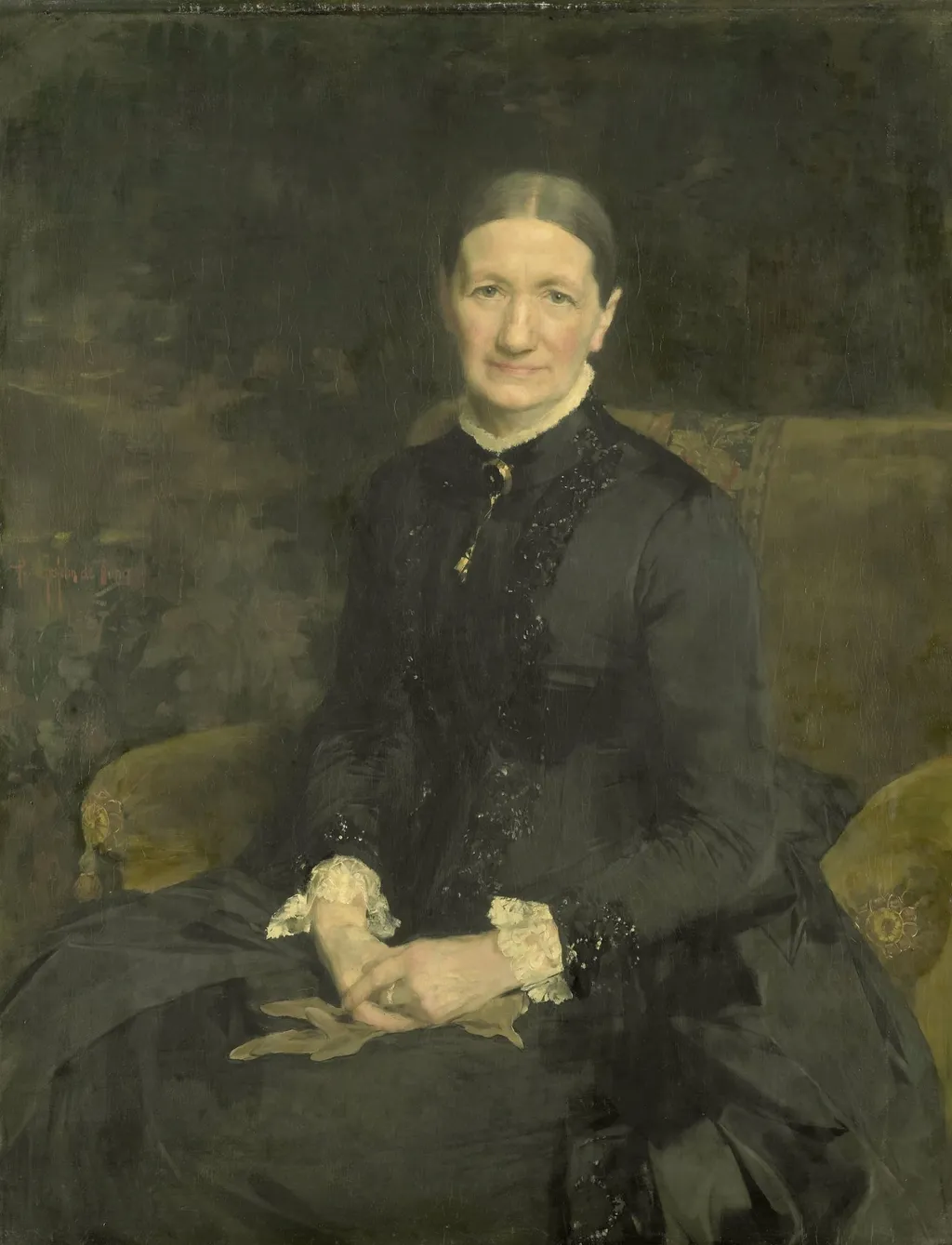
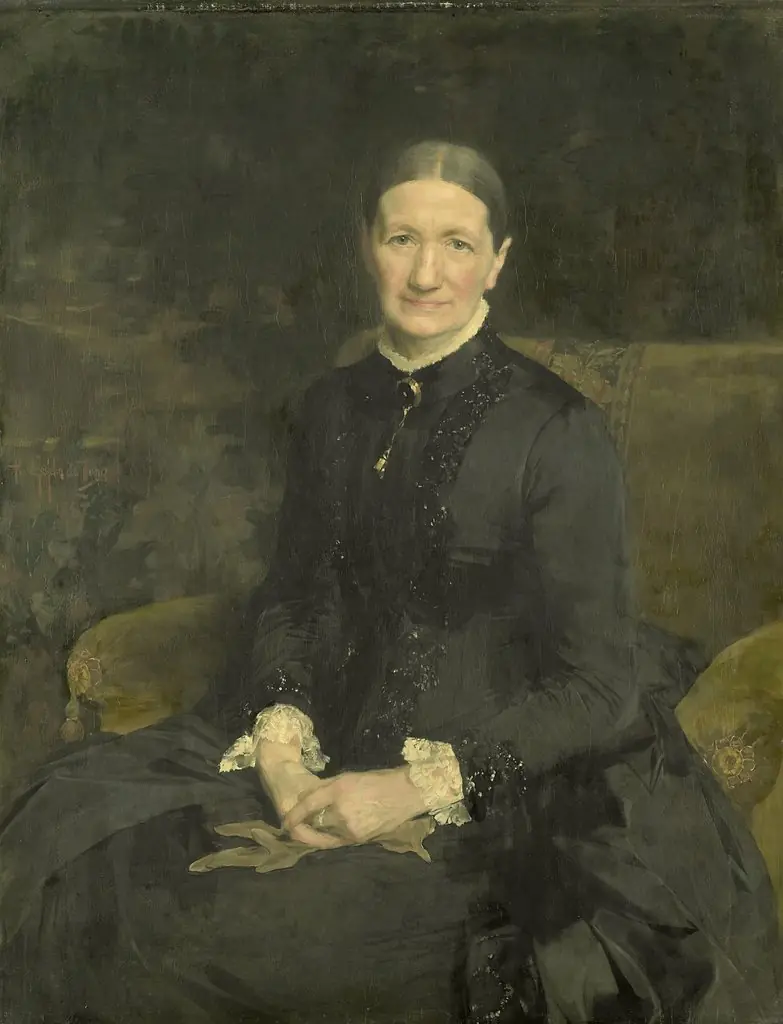
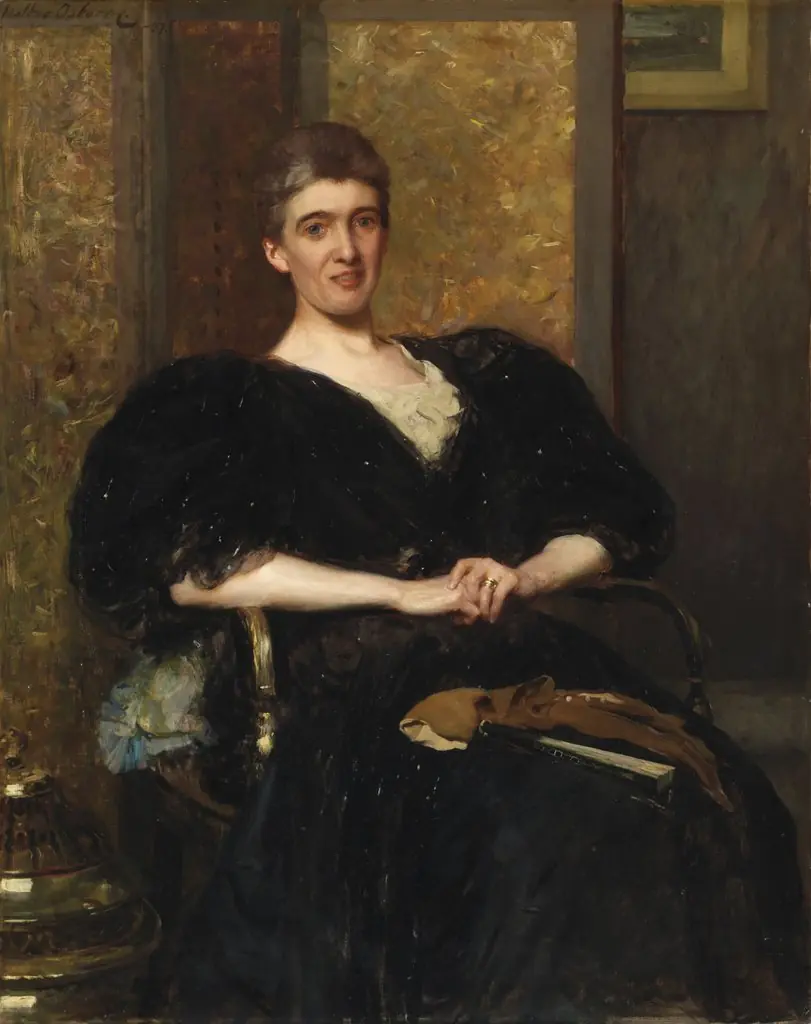
Mrs A.J. Zubli-Maschhaupt is an unspecified painting by the Dutch Golden Age artist Pieter de Josselin de Jong. It dates from 1887 and is held in the collection of the Rijksmuseum. The work is a portrait of a woman identified as Mrs.
About this work
The Rijksmuseum still keeps it, though, because it shows how ordinary people dressed and posed back then.
A woman sits in a chair, hands folded in her lap. She wears a dark dress with a high collar and a small white lace cap. The background is plain, almost shadowy.
This portrait was painted in 1887, but the artist’s name is lost. That happens a lot—many works from this time were made by painters who never became famous. The Rijksmuseum still keeps it, though, because it shows how ordinary people dressed and posed back then.
If you like quiet portraits like this, spend time in the Rijksmuseum’s online collection. They have hundreds more.
Overview
The work is a portrait of a woman identified as Mrs. A.J. Zubli‑Maschhaupt, painted in 1887. She is depicted seated in a chair, her hands folded neatly in her lap. The composition is restrained, set against an unadorned, dimly lit background that emphasizes the sitter without distraction.
Subject & Meaning
Mrs. Zubli‑Maschhaupt is shown in a modest, dark dress with a high collar, complemented by a small white lace cap. The attire and pose convey a sense of propriety and domestic respectability typical of middle‑class women in the late nineteenth century, offering a glimpse into everyday social conventions of the era.
Technique & Style
Executed in oil on canvas, the painting employs a limited palette that reinforces the subdued atmosphere. Soft modeling of the figure’s features and the subtle gradations of light create a gentle three‑dimensionality, while the plain background isolates the sitter, a common approach in portraiture of the period.
History & Provenance
The artist’s identity remains unknown, a circumstance not unusual for works by painters who did not achieve lasting fame. Despite the anonymity, the Rijksmuseum acquired the piece and retains it in its collection, recognizing its value as a documentary record of period dress and portrait conventions.
Context
Created during a time when portraiture served both personal commemoration and social signaling, the painting reflects the broader trend of modest, interior-focused representations of women. Its straightforward composition aligns with the realist tendencies of the 1880s, which favored truthful depiction over idealization.
Own this work as a print
Artist & collection
Artist
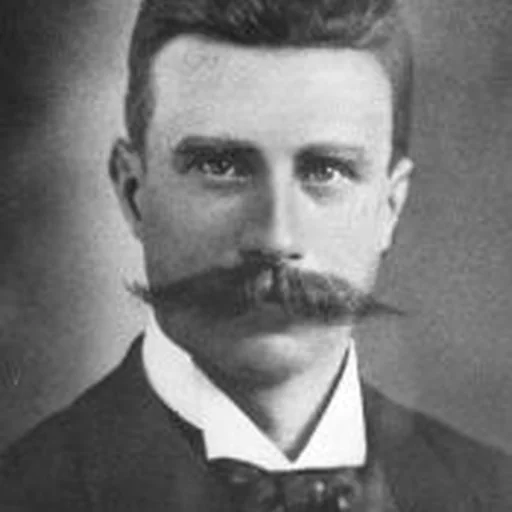
Pieter de Josselin de Jong (1861–1906) was an artist, born in Sint-Oedenrode.

 Portrait of Mrs Geale-Wybrants
 Elizabeth Virginia Laning Bradner Smith (Mrs. George Cotton Smith)
 Retrato de señora
 Portrait de Juliette Courbet
 Wife of Kostroma manifacture's director
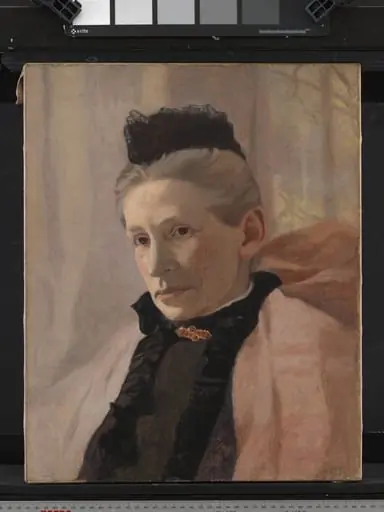 Frederikke von Scholten, née Arendrup, the Artist's Mother-in-Law
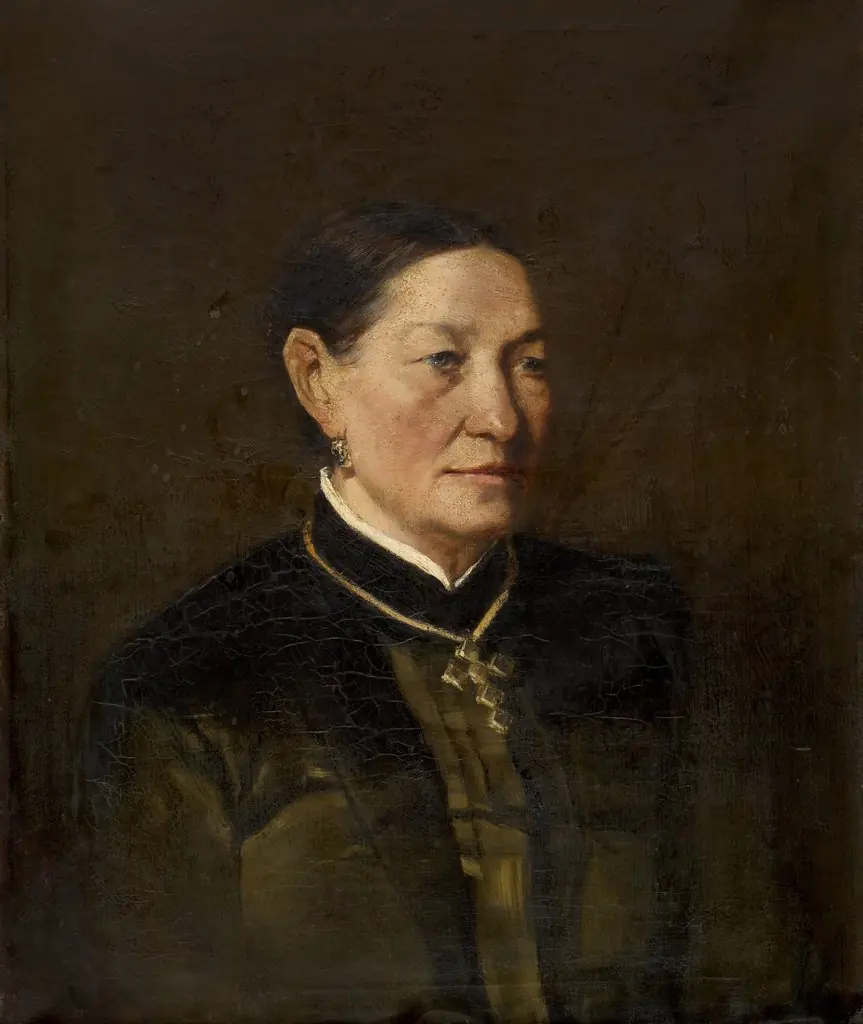 Portrait of a Woman
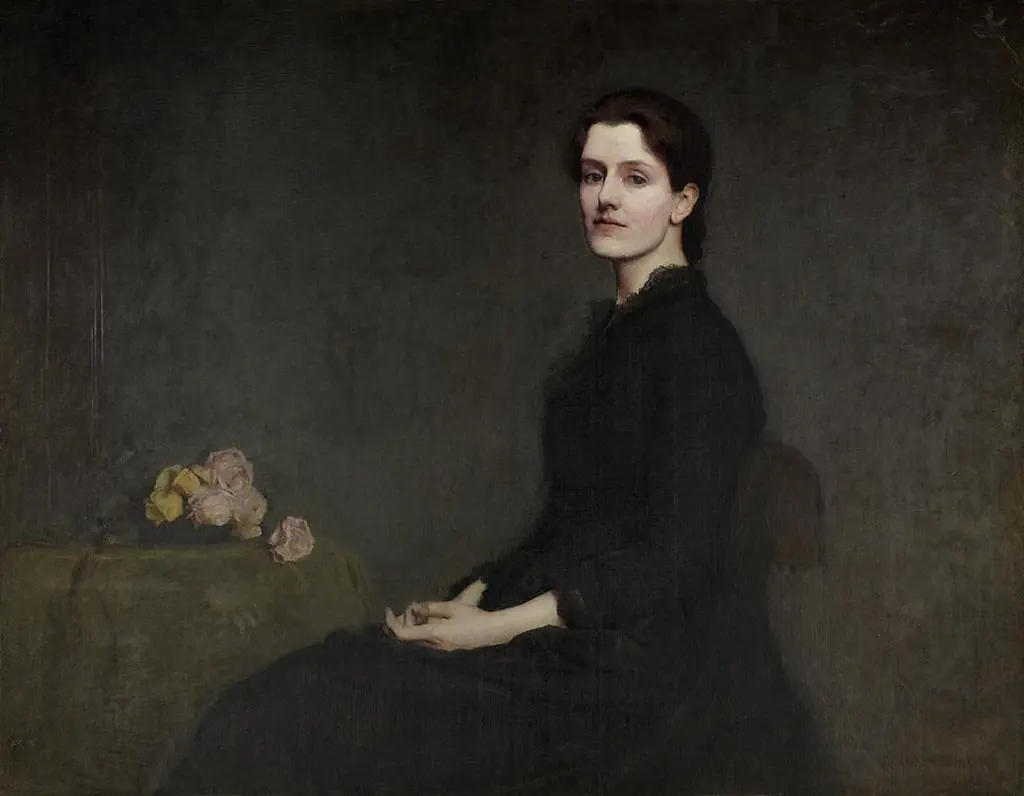 Anne Page
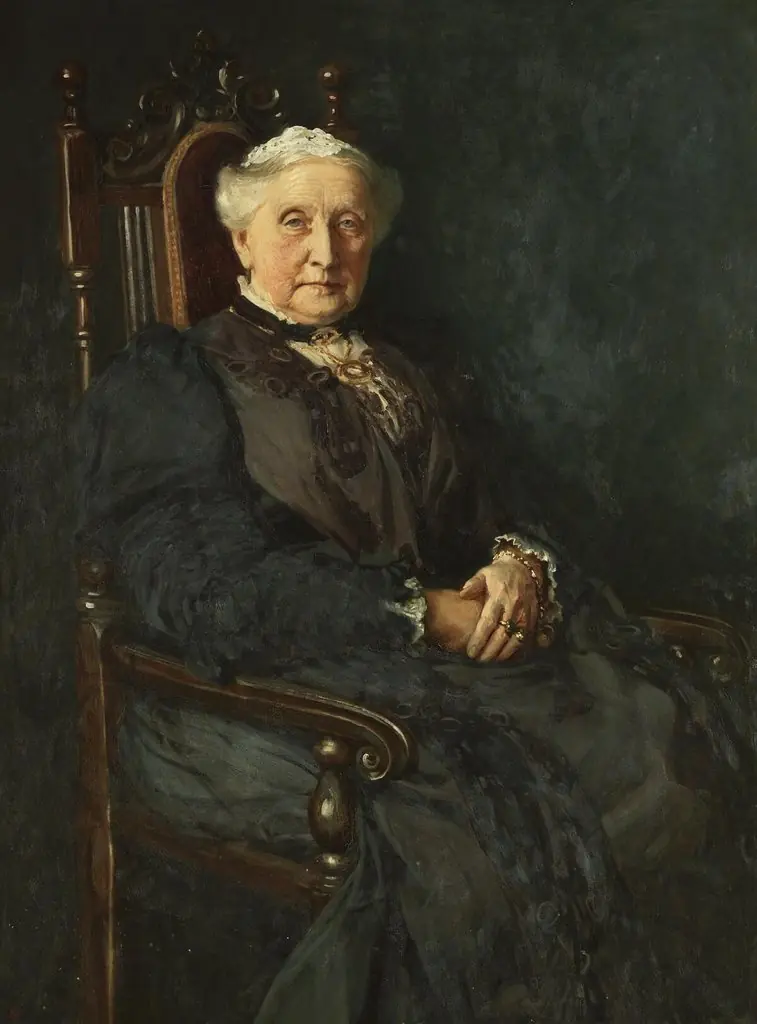 Mrs Elizabeth Poole-Hughes
 Portrait of Lady Armstrong (née Ferrard)
 Kirken i St. Sablon i Bruxelles