Artwork
The Wounded Philoctetes
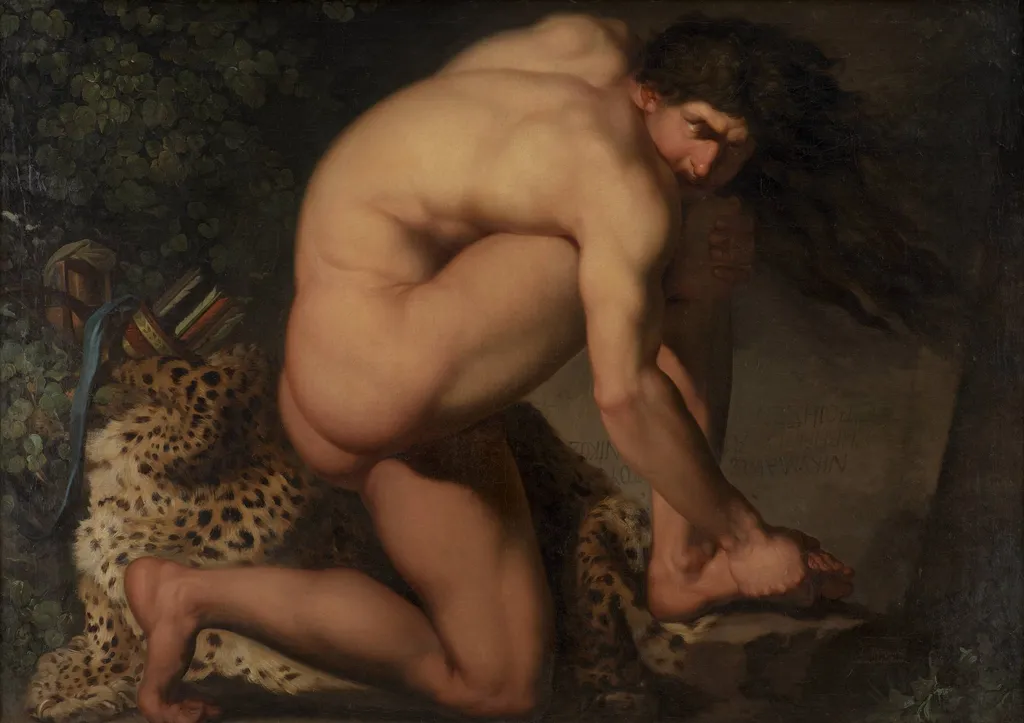
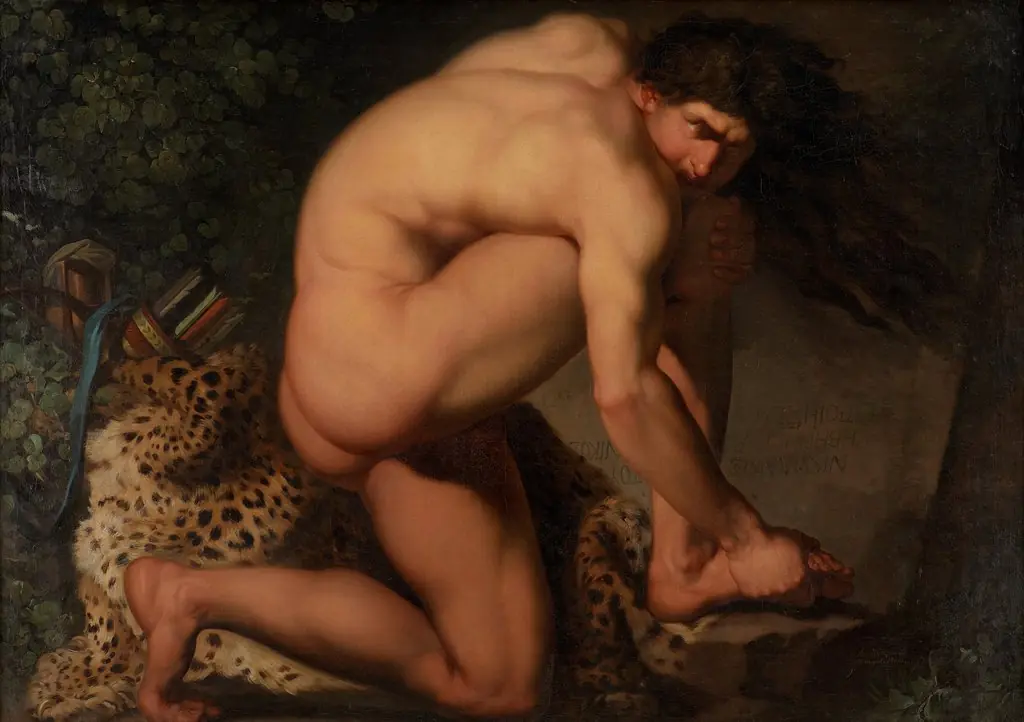
The Wounded Philoctetes is a photography by the Romanticist artist Unknown. It dates from 1775 and is held in the collection of the Statens Museum for Kunst.
About this work
Overview
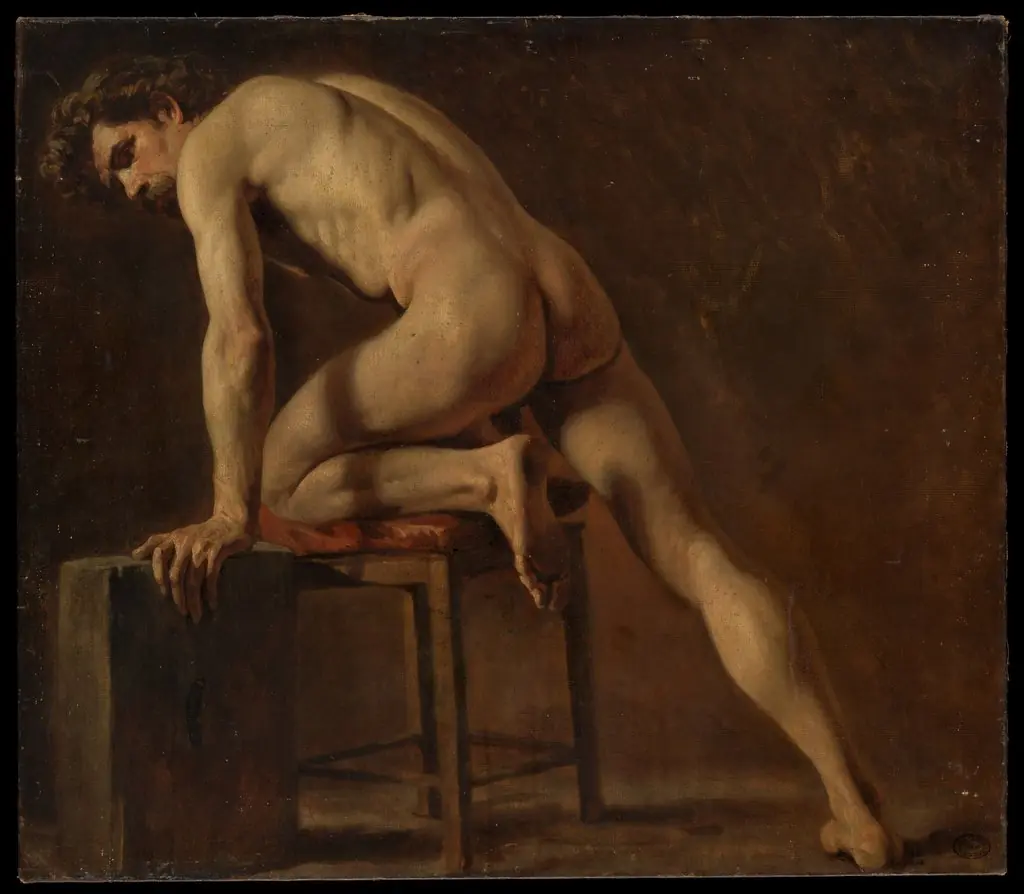
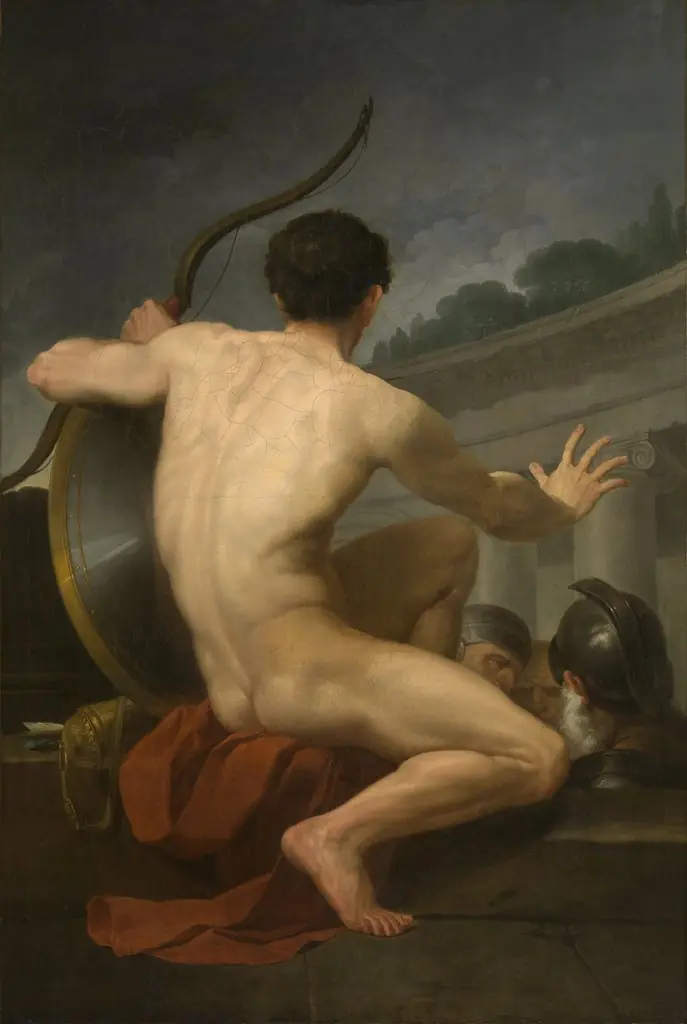
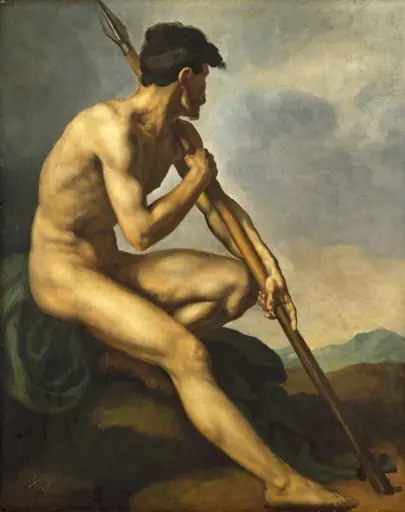
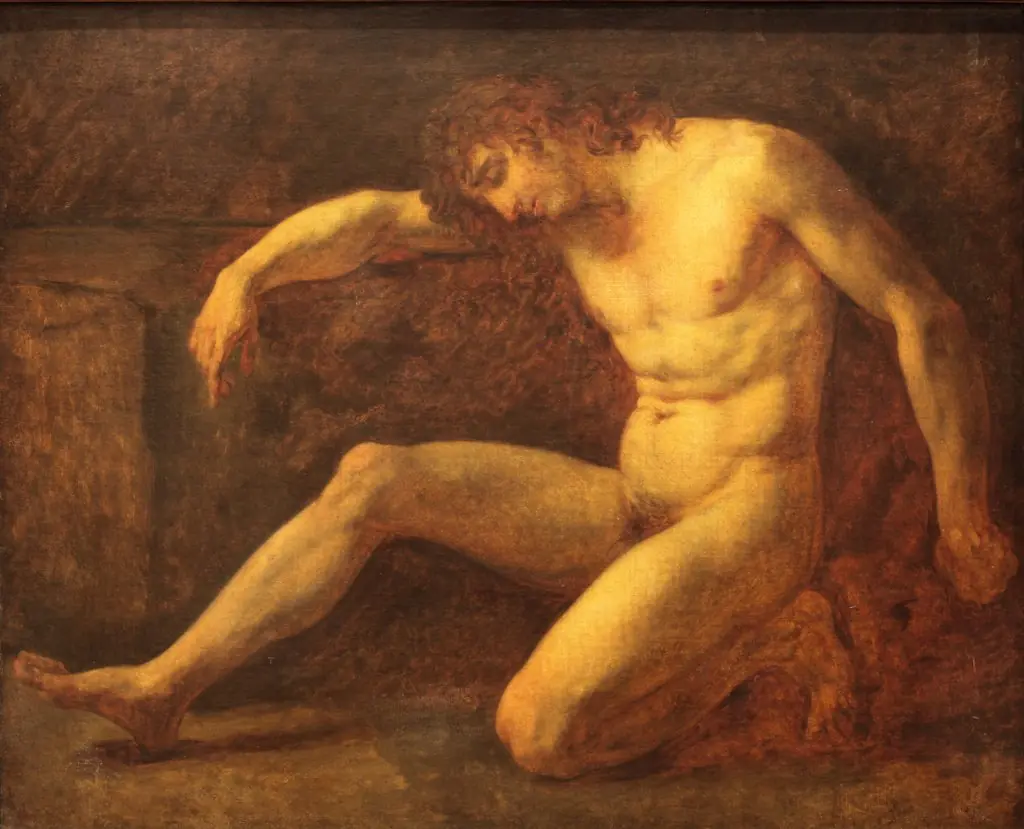
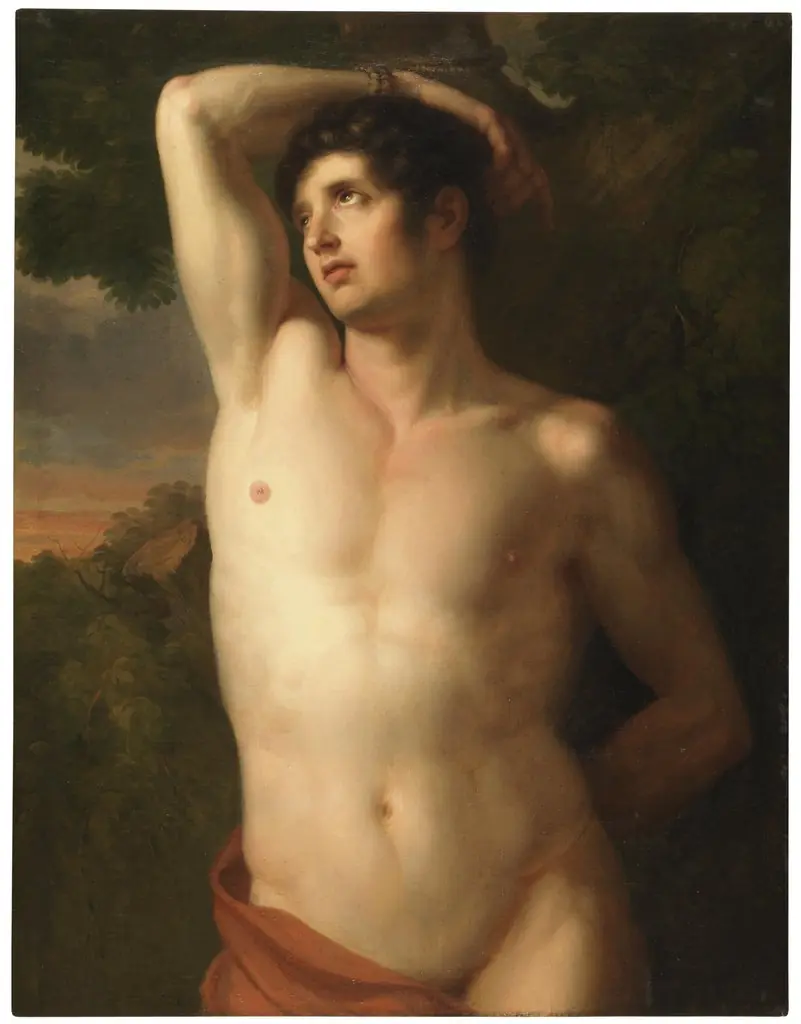
The figure, identified from Greek myth, is rendered in a half-length composition that focuses attention on his suffering.
Painted in 1775, The Wounded Philoctetes portrays a moment of intense physical and emotional strain. The figure, identified from Greek myth, is rendered in a half-length composition that focuses attention on his suffering. The work is held in the collection of the Museum of Ethnography, though its stylistic approach aligns more closely with late Enlightenment sensibilities than ethnographic documentation.
Subject & Meaning
The subject is Philoctetes, a hero from the Trojan War myth who was abandoned on an island due to a festering wound. The painting captures his isolation and agony, emphasizing the human cost of duty and neglect. His posture and expression convey silent endurance, inviting reflection on themes of abandonment, resilience, and the body’s vulnerability under prolonged suffering.
Technique & Style
The artist employs a restrained palette of browns and grays to heighten the somber mood. The figure’s pale, clammy skin contrasts with the muted background, drawing focus to his physical distress. Brushwork is precise in rendering facial tension and disheveled hair, while the twisted torso conveys dynamic strain. The composition avoids theatricality, favoring psychological realism over dramatic spectacle.
History & Provenance
Created in 1775, the painting entered the Museum of Ethnography’s collection at an unknown date. Its presence there suggests a historical interest in mythological representations as expressions of universal human conditions, though its classification within an ethnographic context remains unusual. No documentation of earlier ownership or exhibition history is widely recorded.
Context
Emerging during the late 18th century, the work reflects a growing fascination with emotional depth and individual suffering in art. While not aligned with the emerging Romantic movement, it anticipates its focus on inner turmoil. Classical mythology remained a common vehicle for exploring moral and psychological themes, particularly in academic circles influenced by Enlightenment humanism.
Legacy
Though not widely reproduced or studied in mainstream art history, the painting contributes to a quieter tradition of mythological realism that prioritized emotional authenticity over idealized form. Its preservation in an ethnographic museum underscores early attempts to frame myth as a cultural expression of human experience, rather than purely decorative narrative.
Artist & collection

 Domestic Scene
 Giacomo and Cardinal Marco, investing Andrea, Abbot of San Zeno, with his Benefice
 The Nymph of Fontainebleau
 Portrait of a Woman
 Madonna and Child with Saints in the Enclosed Garden
 Venus and Minerva
 Family Group of Four on Sofa
 Wall painting from Room H of the Villa of P. Fannius Synistor at Boscoreale