Artwork
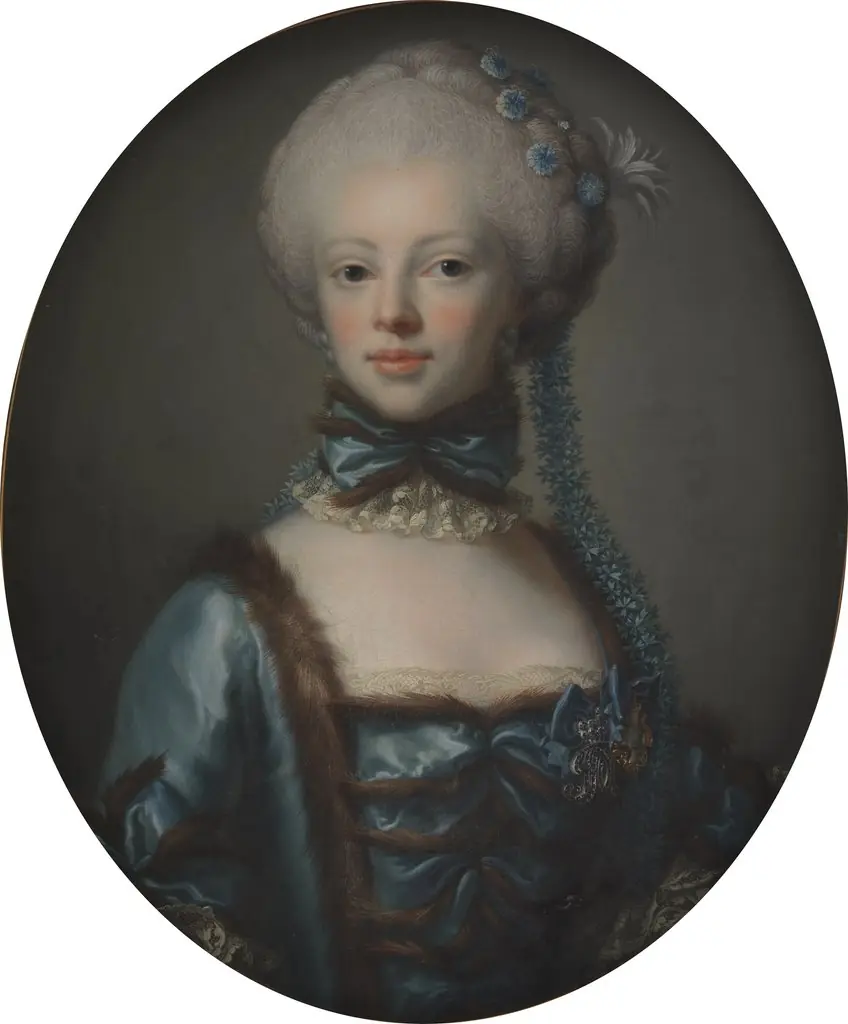
Portrait of Countess Eleonora Agnes Scheel, neé Raben
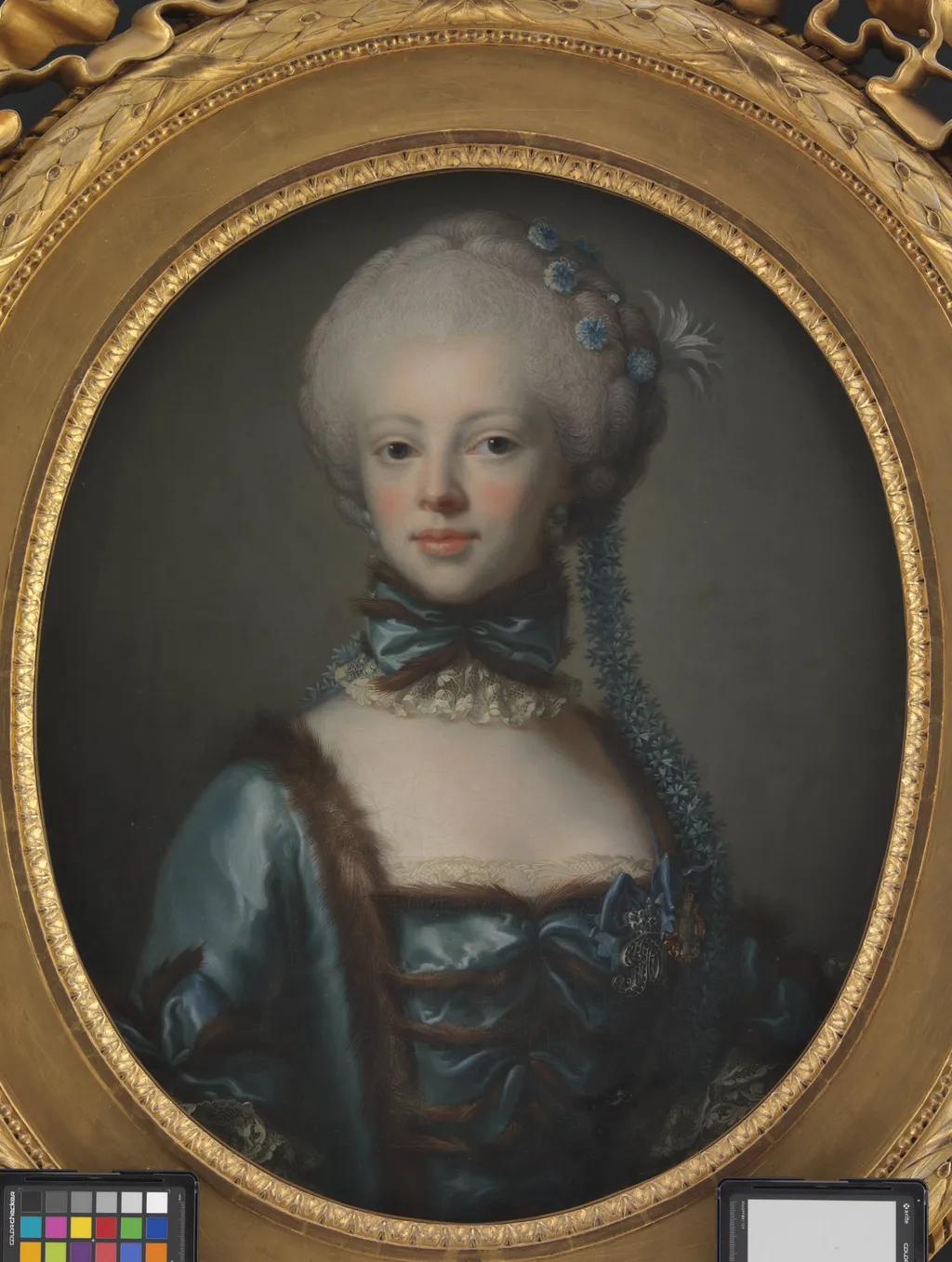
Portrait of Countess Eleonora Agnes Scheel, neé Raben is an unspecified painting by the Rococo painting artist Unknown. It dates from 1768 and is held in the collection of the Statens Museum for Kunst. Painted in 1768, this portrait depicts Countess Eleonora Agnes Scheel, born Raben, a Danish noblewoman.
About this work
Overview
Painted in 1768, this portrait depicts Countess Eleonora Agnes Scheel, born Raben, a Danish noblewoman. The work is attributed to an artist associated with the Danish court, though the painter’s full identity remains unconfirmed. It resides in the Museum of Ethnography, where it is displayed as an example of 18th-century aristocratic portraiture from the Nordic region.
Subject & Meaning
The countess is portrayed with composed dignity, her gaze direct and restrained, reflecting the decorum expected of noblewomen of her time.
The countess is portrayed with composed dignity, her gaze direct and restrained, reflecting the decorum expected of noblewomen of her time. Her attire—low-cut dress, fur shawl, and gold necklace—signals status, while the blue floral hairpin and bow suggest refined taste. The absence of symbolic objects or settings shifts focus to her person, emphasizing lineage and personal presence over narrative.
Technique & Style
The artist employs subtle modeling to render the countess’s pale skin and soft facial contours, with delicate highlights on her cheeks and lips. The dark, unadorned background enhances the three-dimensionality of her form. The fur and fabric textures are rendered with precision, and the gold frame, though not part of the painting, complements the work’s formal elegance through ornate craftsmanship.
History & Provenance
The portrait entered the Museum of Ethnography’s collection in the late 19th or early 20th century, likely through donation or acquisition from a noble estate. Its journey from private ownership to public institution reflects changing attitudes toward historical portraiture as cultural heritage rather than merely familial commemoration.
Context
Created during the height of Enlightenment ideals in Scandinavia, the portrait aligns with a trend favoring restrained elegance over Baroque excess. While Danish aristocrats often commissioned portraits to affirm social standing, this work’s minimalism and focus on individual presence suggest a shift toward introspective representation, influenced by broader European trends in portraiture.
Legacy
The painting remains a representative example of late 18th-century Nordic elite portraiture. Its preservation in an ethnographic museum underscores its value as a material artifact of social hierarchy and aesthetic taste. Though not widely reproduced, it contributes to scholarly understanding of how nobility presented themselves in the Danish court during a period of cultural transition.
Artist & collection

 Domestic Scene
 Giacomo and Cardinal Marco, investing Andrea, Abbot of San Zeno, with his Benefice
 The Nymph of Fontainebleau
 Portrait of a Woman
 Madonna and Child with Saints in the Enclosed Garden
 Venus and Minerva
 Family Group of Four on Sofa
 Wall painting from Room H of the Villa of P. Fannius Synistor at Boscoreale
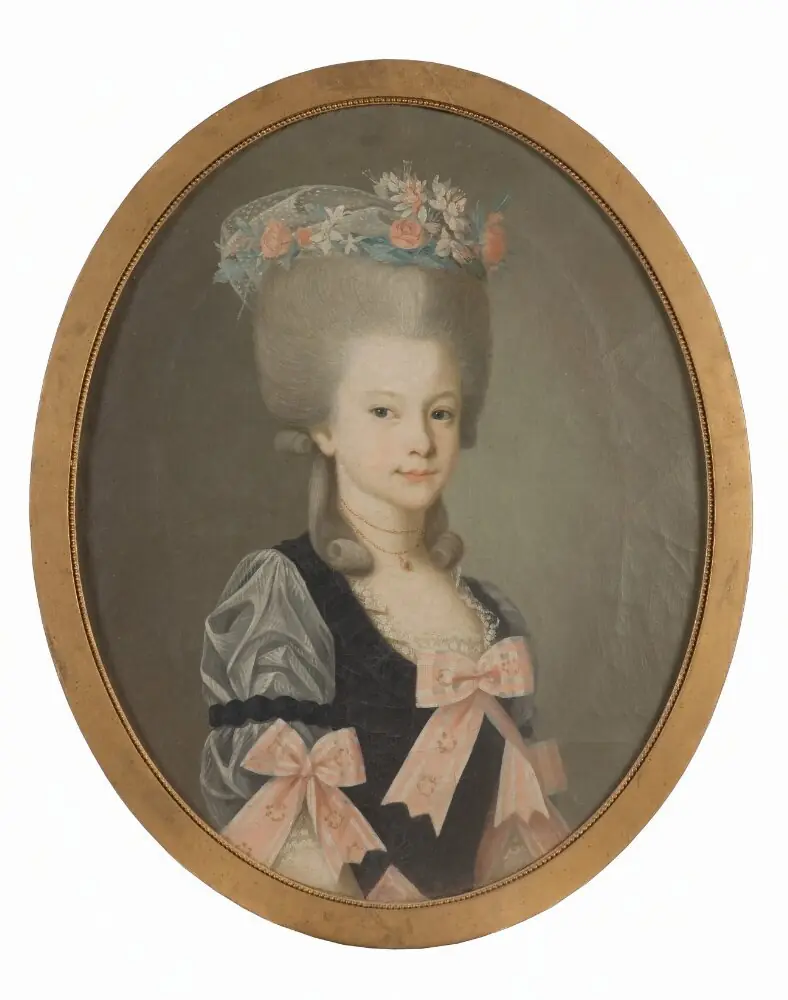 Brita Charlotta Wattrang (1775-1850), gift med friherre Otto Ludvig Benedikt Wrangel af Lindeberg
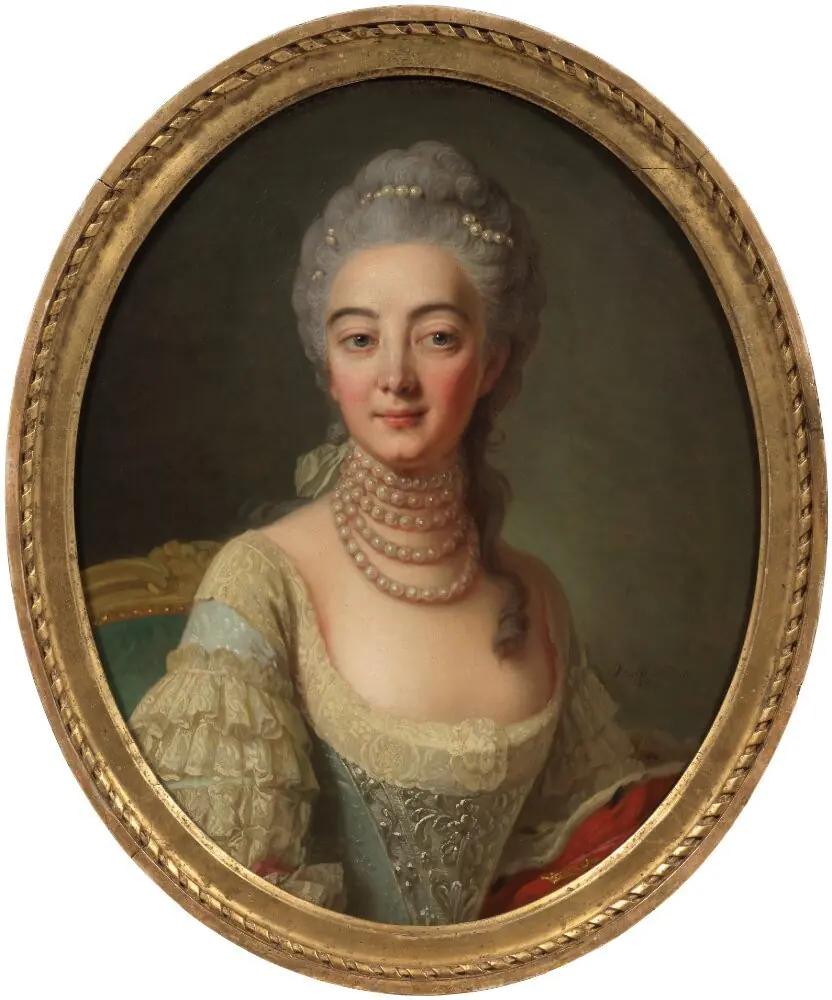 Elisabeth Frederike Sophie (1732–1780), Duchess of Württemberg
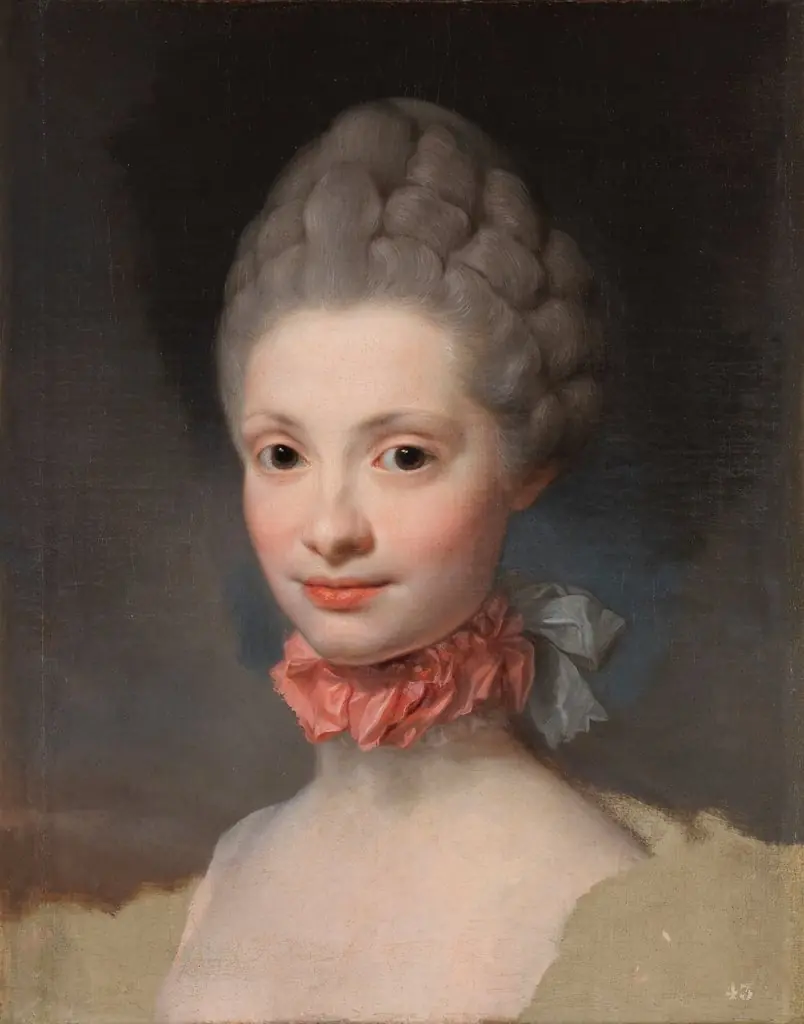 Maria Luisa of Parma
 Naisen muotokuva
 Madame de La Porte
 Portrait of a Woman in a Blue Dress
 Archduchess Maria Elisabeth of Austria (1743–1808), daughter of Maria Theresa.
 Portrait of the Marquise d'Aguirandes
 Dorotea Westén
 Portræt af en lille pige
 Françoise Marguerite de Sévigné, Grignanin kreivitär
 Portrait of Countess Eleonora Agnes Scheel, neé Raben