Artwork
Maria Luisa of Parma
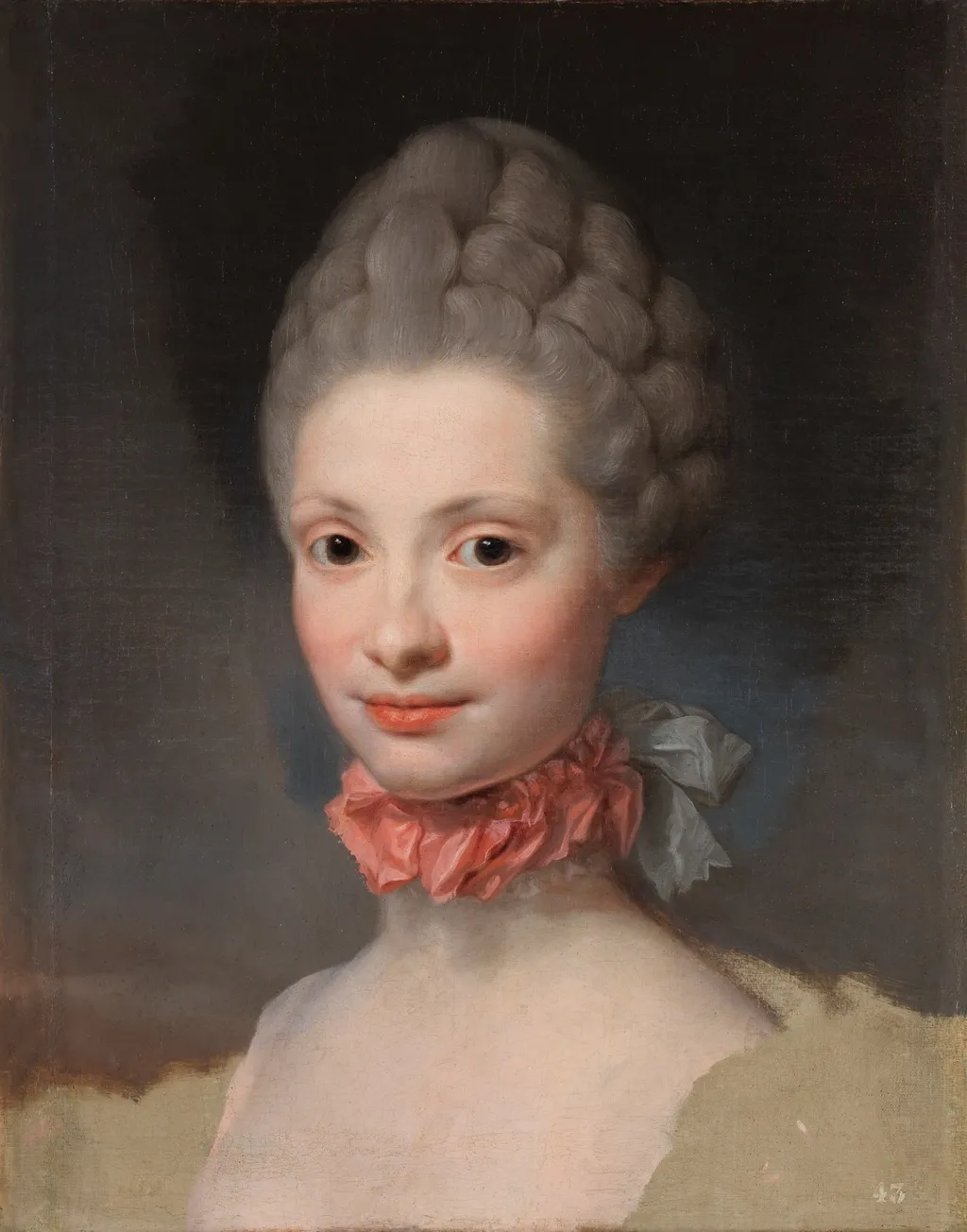
Maria Luisa of Parma is an oil painting by the Rococo painting artist Anton Raphael Mengs. It dates from 1765 and is held in the collection of the Museo del Prado.
About this work
Overview
The composition presents the subject in a three-quarter view against a dark, unadorned background that isolates her figure and emphasizes her pale complexion.
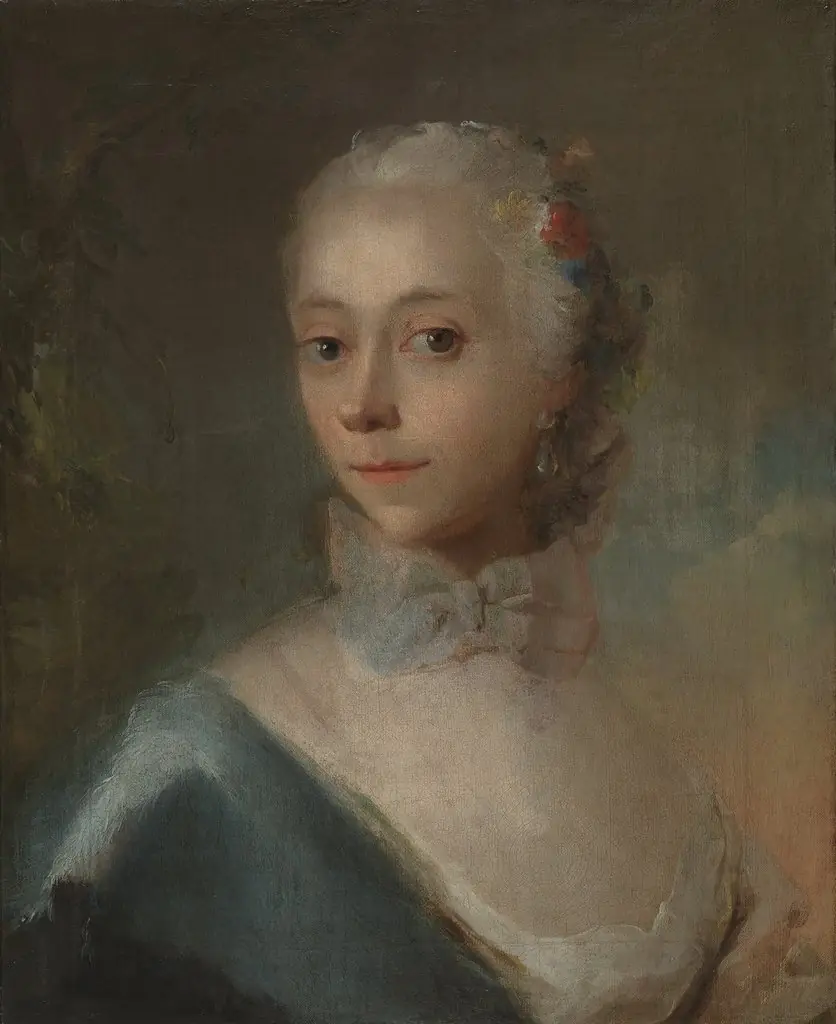
Painted in 1765 by Anton Raphael Mengs, this oil portrait depicts Maria Luisa of Parma, who later became Queen of Spain. Executed during the artist's tenure at the Spanish court, the work exemplifies the Neoclassical style Mengs championed, characterized by refined elegance and a departure from the exuberance of the Rococo. The composition presents the subject in a three-quarter view against a dark, unadorned background that isolates her figure and emphasizes her pale complexion. She is dressed in a white gown featuring a distinctive pink ruffled collar, with her hair arranged in an intricate updo typical of mid-18th-century aristocratic fashion. Mengs employs a smooth, polished technique to render the textures of the fabric and skin, creating a sense of idealized serenity. The subject's gaze is directed slightly to the side, avoiding direct engagement with the viewer, which contributes to the formal and dignified atmosphere of the piece. This portrait stands as a significant example of Mengs's court portraiture, reflecting his role in introducing Neoclassical aesthetics to the Spanish royal family and his influence on the artistic direction of the Bourbon court.
Subject & Meaning
The sitter, Maria Luisa of Parma, appears with a calm expression and a slight, gentle smile. Her gaze turns just off‑center, suggesting a poised yet approachable demeanor, typical of royal portraiture intended to convey both authority and personal virtue.
Technique & Style
Mengs employs a restrained palette, contrasting a soft pink ruffle and white dress against a deep, neutral background. Subtle chiaroscuro models her facial features, while the intricate updo of her hair demonstrates careful attention to texture and detail, highlighting the artist’s skill in rendering fabric and flesh.
History & Provenance
Created shortly after Mengs arrived in Spain, the portrait entered the royal collection and was later transferred to the Prado Museum. Its presence there reflects the artist’s role as a court painter and the continued interest of the Spanish monarchy in preserving images of its dynastic members.
Own this work as a print
Artist & collection


 Dameportræt
 Dameportræt
 Portrait of Countess Yekaterina P. Stroganova (1744-1815) (copy)
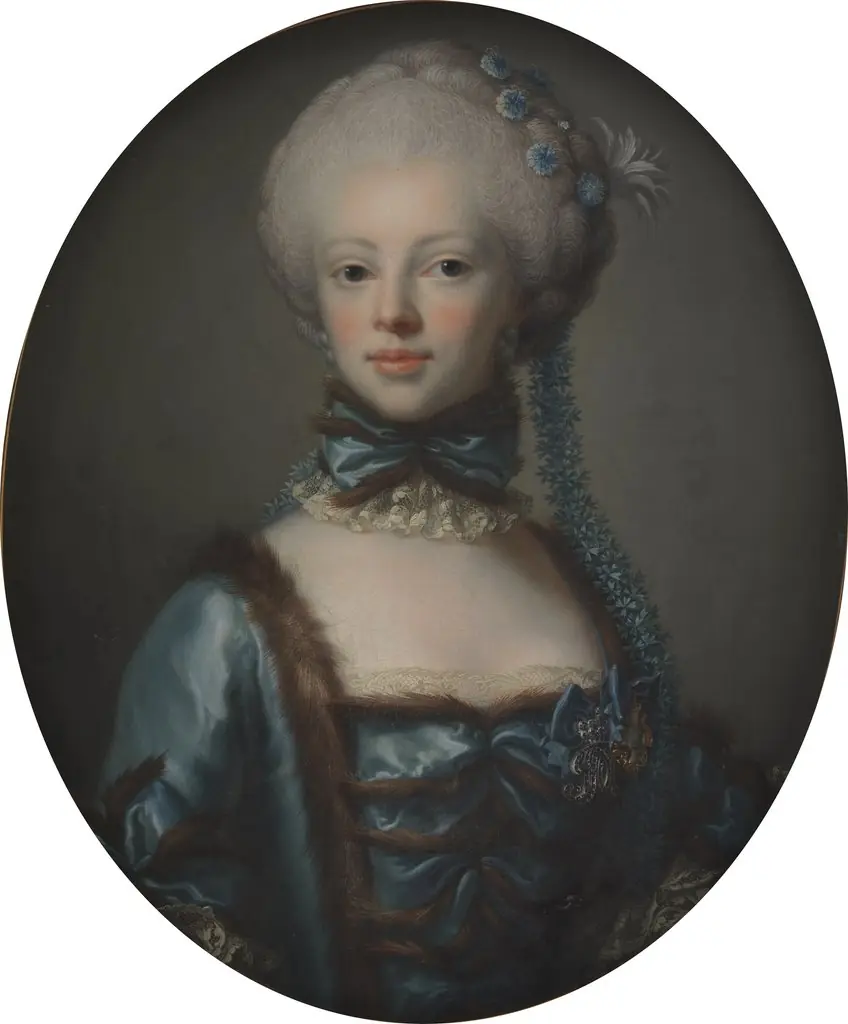 Portrait of Countess Eleonora Agnes Scheel, neé Raben
 Portrait of Countess Eleonora Agnes Scheel, neé Raben
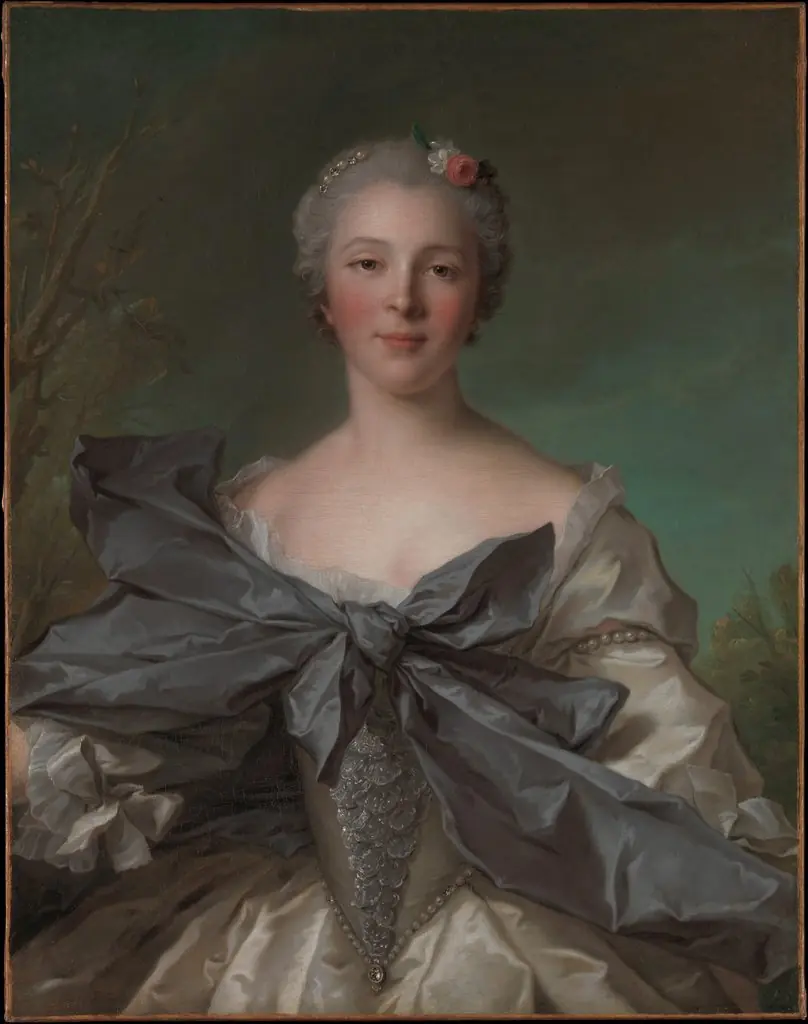 Marie Françoise de La Cropte de St. Abre, Marquise d'Argence
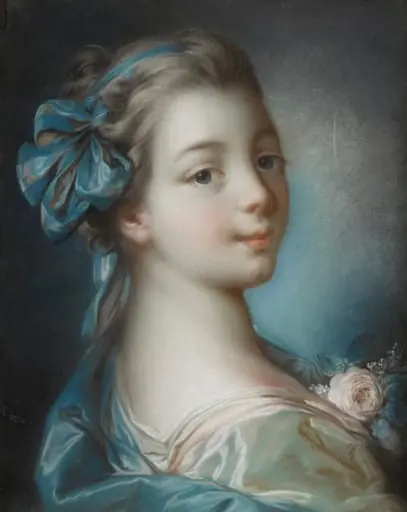 Nuori tyttö
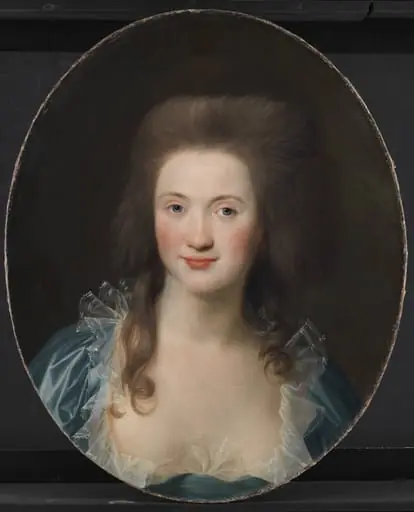 The Artist's First Betrothed
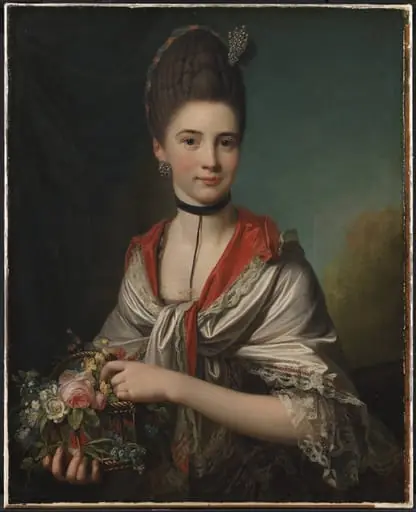 Portrait of Anna Elisabeth Battier, née Storp
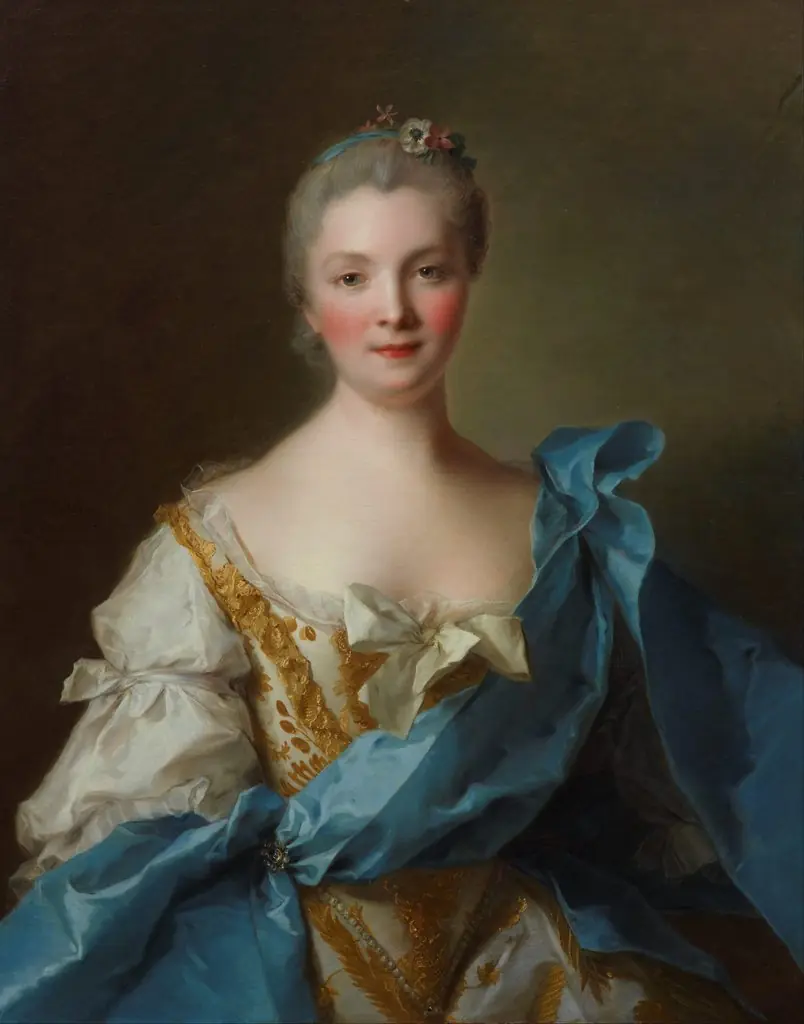 Madame de La Porte