Artwork
Woman with her Knitting. One of the Artist's Sisters (?)
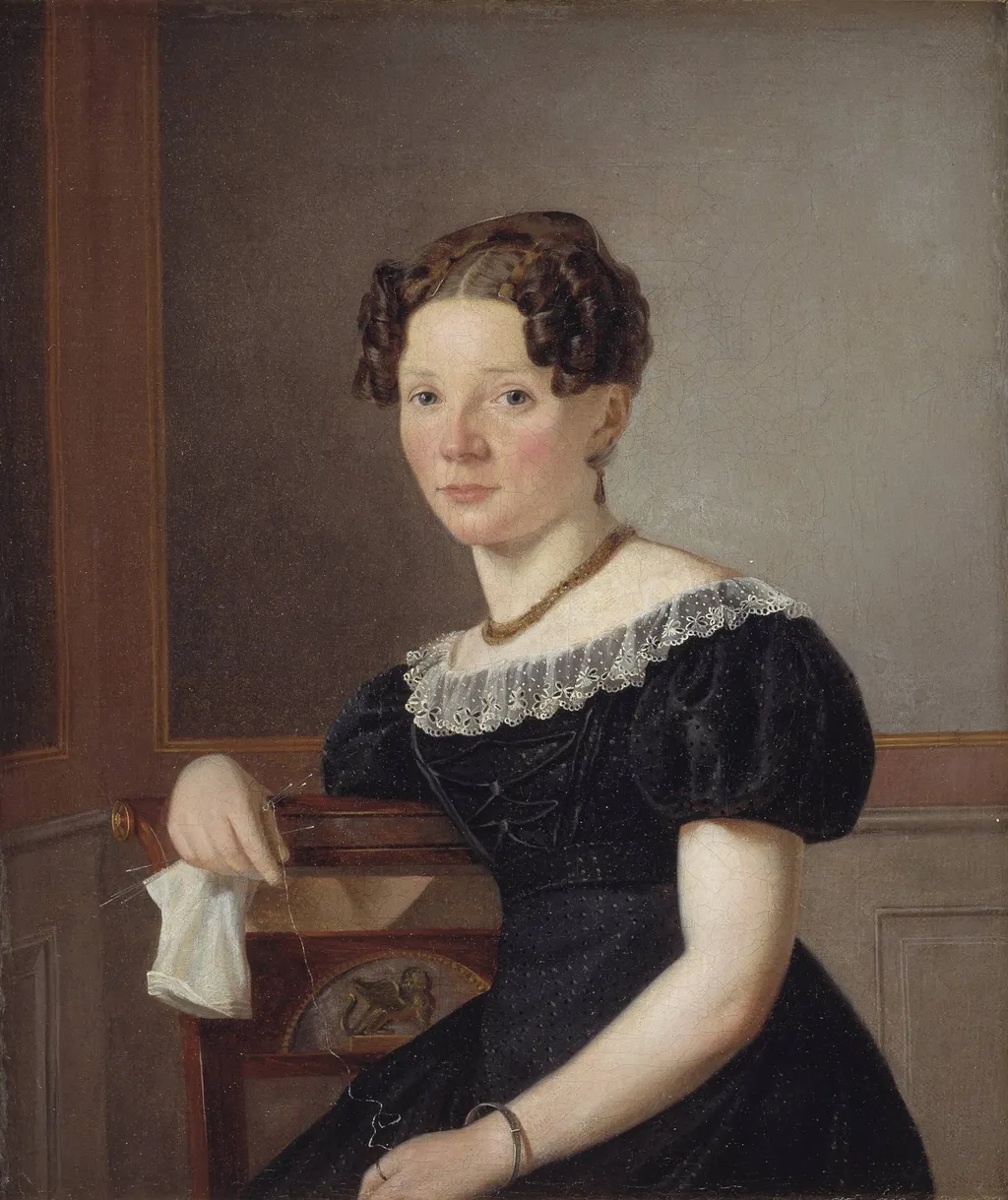
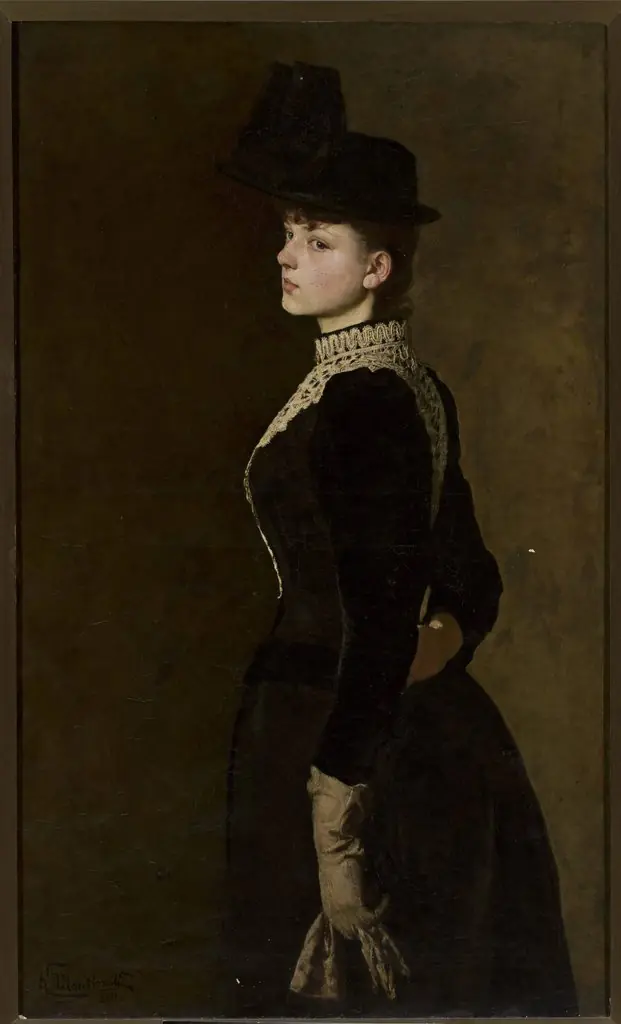
Woman with her Knitting. One of the Artist's Sisters (?) is a photography by the Romanticist artist Unknown. It dates from 1827 and is held in the collection of the Statens Museum for Kunst. Painted in 1827, this portrait captures a woman engaged in the quiet act of knitting.
About this work
Overview
Painted in 1827, this portrait captures a woman engaged in the quiet act of knitting. Attributed to 254_person, the work is part of the Museum of Ethnography’s collection. The subject is believed to be one of the artist’s sisters, though this remains unconfirmed. The scene unfolds in a modest interior, emphasizing routine domestic labor with restrained elegance and intimate focus.
Subject & Meaning
The woman, absorbed in her task, embodies the quiet dignity of everyday domestic life. Her focused posture and simple attire suggest a moment of private routine rather than formal presentation. The knitting needles and fabric imply utility and care, while the absence of narrative detail invites contemplation of personal, unremarked moments in 19th-century domesticity.
Technique & Style
The artist employs chiaroscuro to model the figure with subtle gradations of light and shadow, enhancing the three-dimensionality of the face and hands. The dark dress contrasts with the pale collar and necklace, drawing attention to the upper body. The wooden chest and wall panel are rendered with restrained detail, anchoring the figure in a sparse, unadorned space without distraction.
History & Provenance
The painting has been held by the Museum of Ethnography since at least the early 20th century. Its origins trace to the artist’s private circle, likely created as a family portrait. No documentation confirms the subject’s identity, and the work remained outside public view until its inclusion in the museum’s collection, where it was cataloged as a study of domestic life.
Context
Created during a period when domestic scenes gained artistic attention, the work reflects a shift toward intimate, non-heroic subjects. Unlike grand portraiture, this image values stillness and routine. The emphasis on handcraft aligns with broader cultural ideals of feminine industry, though the painting avoids moralizing, presenting its subject with unembellished realism.
Legacy
Though not widely exhibited, the painting contributes to understanding how 19th-century artists recorded private moments with quiet precision. Its preservation in an ethnographic context underscores its value as a record of material culture and daily practice, offering insight into the lived experience of women in domestic settings during the period.
Artist & collection

 Domestic Scene
 Giacomo and Cardinal Marco, investing Andrea, Abbot of San Zeno, with his Benefice
 The Nymph of Fontainebleau
 Portrait of a Woman
 Madonna and Child with Saints in the Enclosed Garden
 Venus and Minerva
 Family Group of Four on Sofa
 Wall painting from Room H of the Villa of P. Fannius Synistor at Boscoreale
 Dame med strikketøj. En af kunstnerens søstre (?)
 Julie Eckersberg, née Juel, the Artist's Second Wife
 Julie Eckersberg, née Juel, the Artist's Second Wife
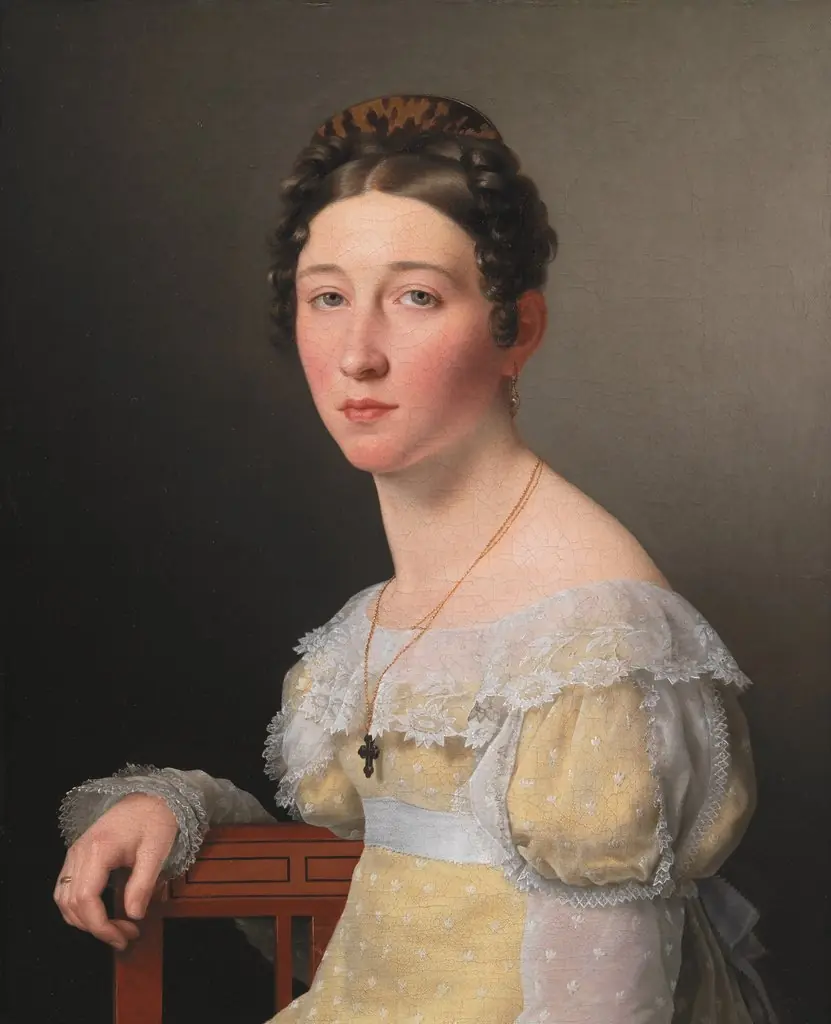 Emilie Henriette Massmann, gift 1824 med kammerjunker Frederik Wilhelm Caspar von Benzon
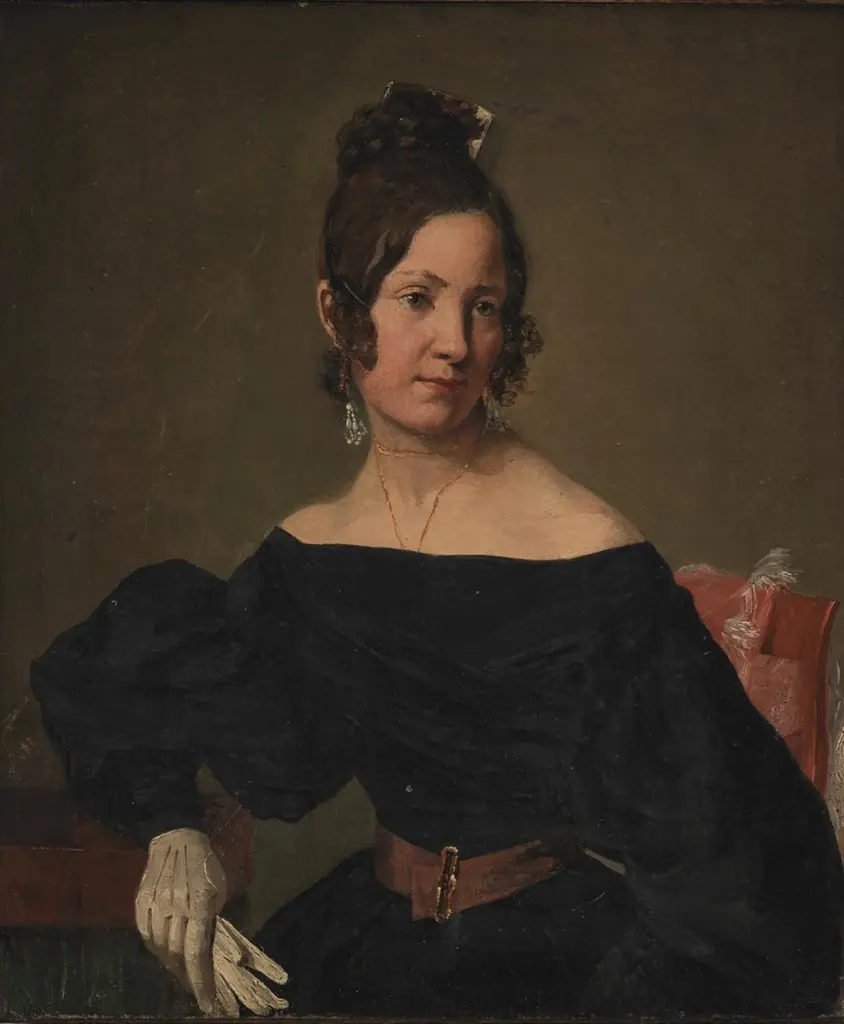 Actress Anna Nielsen
 Skuespilleren Anna Nielsen
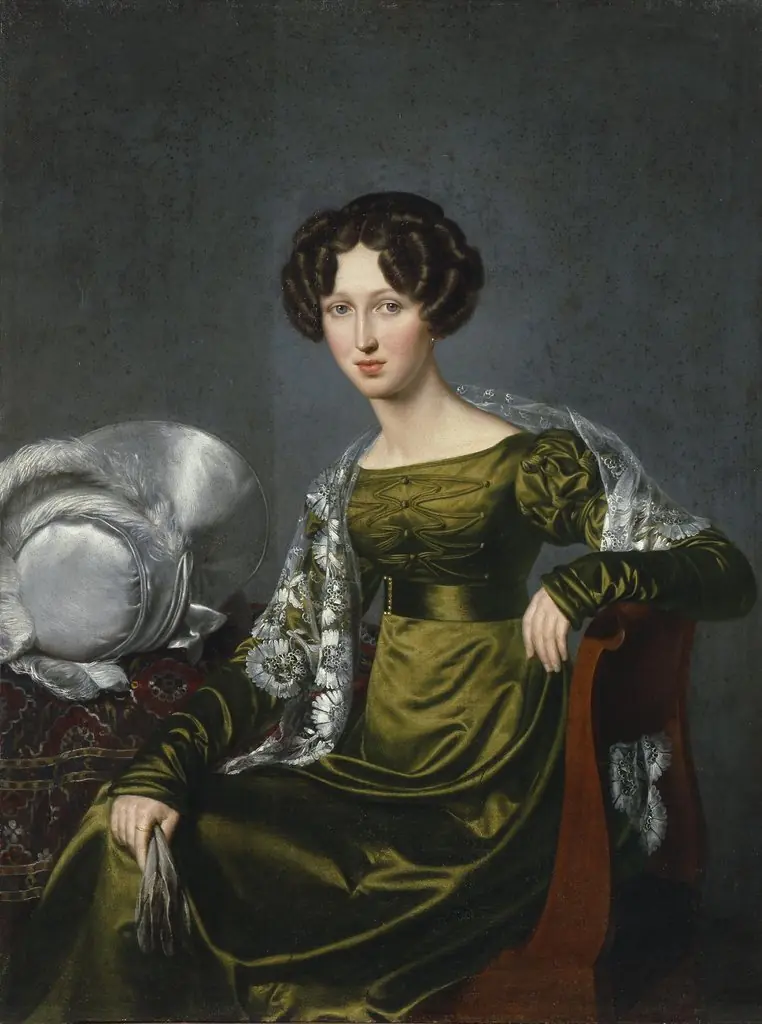 Portrait of Yelizaveta Paskaya-Sharapova
 Portrait of a French Woman
 Karen Margrethe Borch
 Portrait of Maria Christina Nijssen, Wife of Anthonie van der Hout
 Portrait of Carolina Frederica Kerst, Wife of Louis Royer
 Portrait of artist’s sister