Artwork
Karen Margrethe Borch
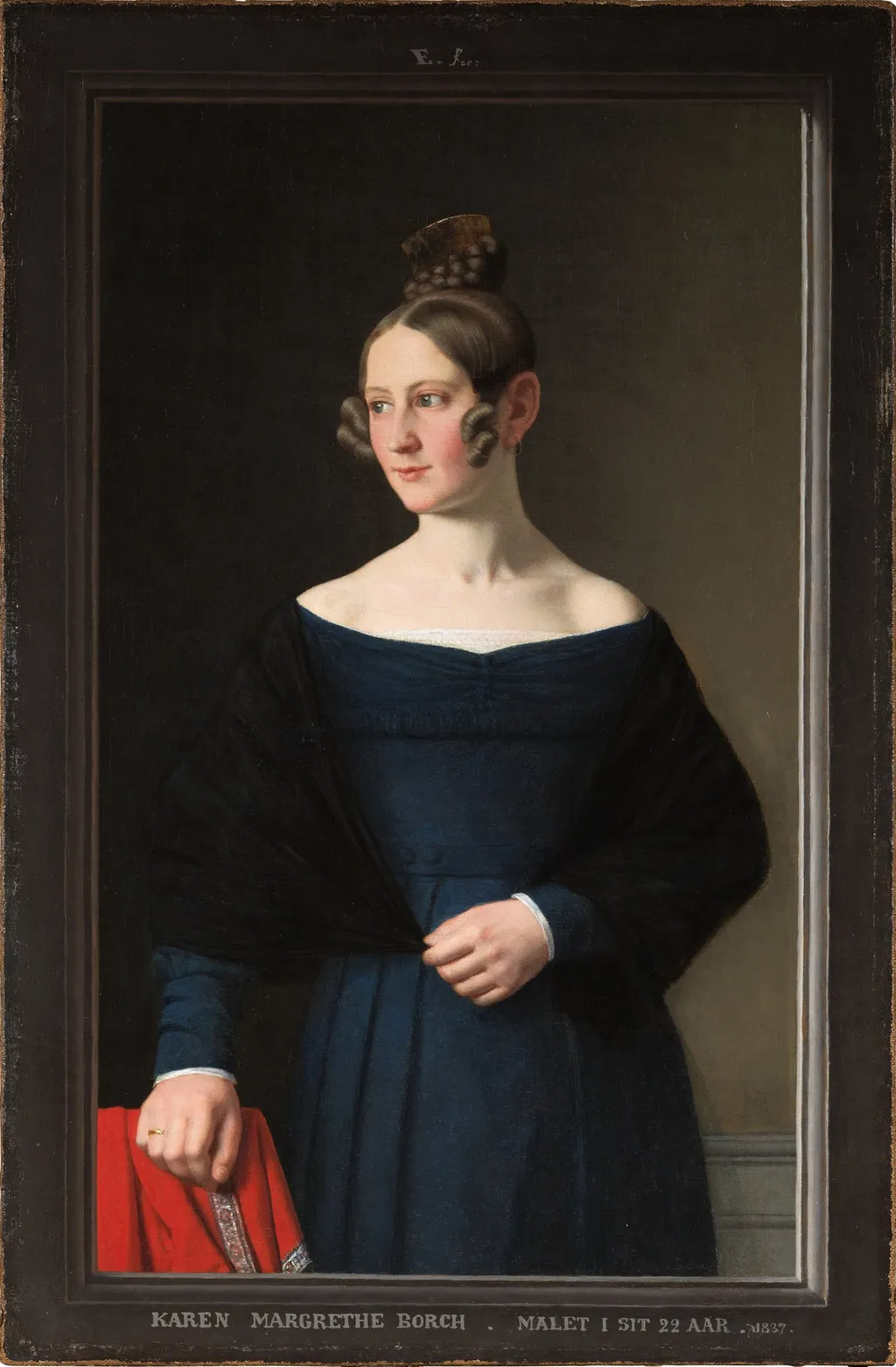
Karen Margrethe Borch is an oil painting by Christoffer Wilhelm Eckersberg. It dates from 1837 and is held in the collection of the Nationalmuseum.
About this work
Overview
This work exemplifies his commitment to capturing individual presence with restraint and clarity, reflecting the broader artistic values of his time.
Christoffer Wilhelm Eckersberg painted Karen Margrethe Borch in 1837 using oil on canvas. The portrait is part of the Nationalmuseum’s collection in Denmark. Eckersberg, a central figure in 19th-century Danish art, was known for his precise observation and quiet realism. This work exemplifies his commitment to capturing individual presence with restraint and clarity, reflecting the broader artistic values of his time.
Subject & Meaning
The sitter, Karen Margrethe Borch, is depicted standing calmly against a neutral background, her posture composed and her gaze directed off-canvas. She holds a folded red cloth, a detail that introduces subtle contrast without narrative explanation. The absence of props or setting emphasizes her identity as an individual rather than a social type, aligning with the portrait’s introspective tone and focus on personal dignity.
Technique & Style
Eckersberg rendered the portrait with careful attention to light and texture, particularly in the modeling of the face and hands. The dark blue dress and white collar are rendered with muted precision, while the red cloth adds a restrained accent. The background, a soft brown, recedes to isolate the figure. Brushwork is controlled, avoiding flourish; the effect is one of quiet observation, characteristic of Eckersberg’s academic approach.
History & Provenance
The painting was completed in 1837 and entered the collection of the Nationalmuseum in Denmark, where it remains today. While little is documented about Borch’s life, the portrait’s inclusion in the museum’s holdings suggests it was valued early as a representative example of Danish portraiture. Eckersberg’s position as a professor at the Royal Danish Academy likely facilitated its preservation within institutional collections.
Context
Created during the Danish Golden Age, the portrait reflects a cultural shift toward intimate, psychologically grounded depictions of ordinary individuals. Eckersberg, influenced by Neoclassicism and French academic training, moved Danish art away from grand historical themes toward personal realism. This work aligns with contemporaneous efforts to define national identity through dignified, unadorned portrayals of citizens.
Legacy
Eckersberg’s portraits, including this one, helped establish a model for Danish realism that influenced generations of artists. The restrained composition and psychological nuance of Karen Margrethe Borch became a reference point for later portraitists seeking authenticity over theatricality. Though not widely exhibited today, the painting endures as a quiet testament to the era’s commitment to truthful representation.
Artist & collection
Artist
Christoffer Wilhelm Eckersberg
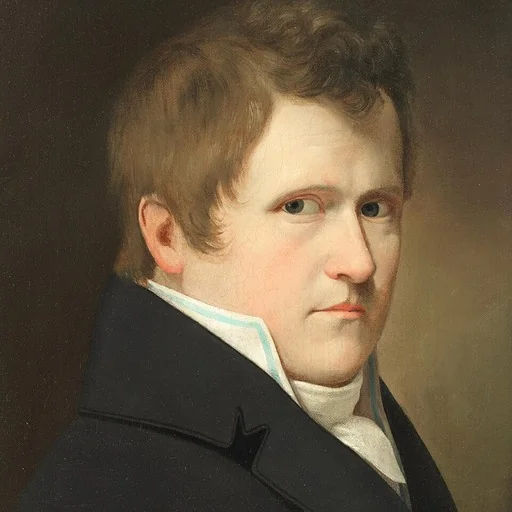
Christoffer Wilhelm Eckersberg (2 January 1783 – 22 July 1853) was a Danish painter.

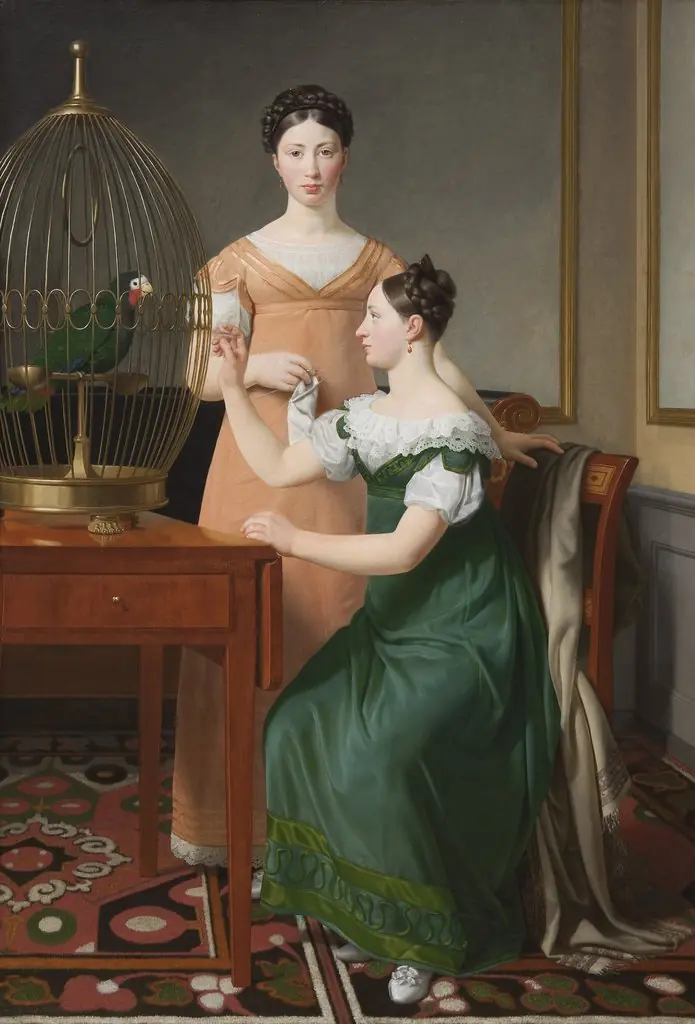 Bella and Hanna. The Eldest Daughters of M. L. Nathanson
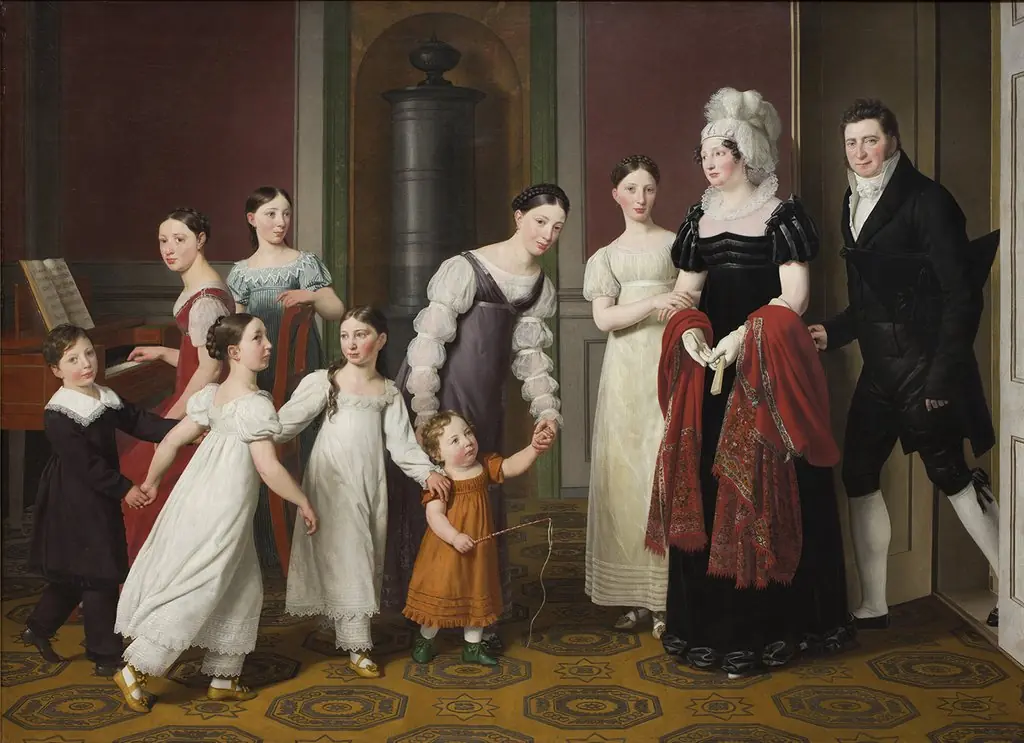 Familien Nathanson
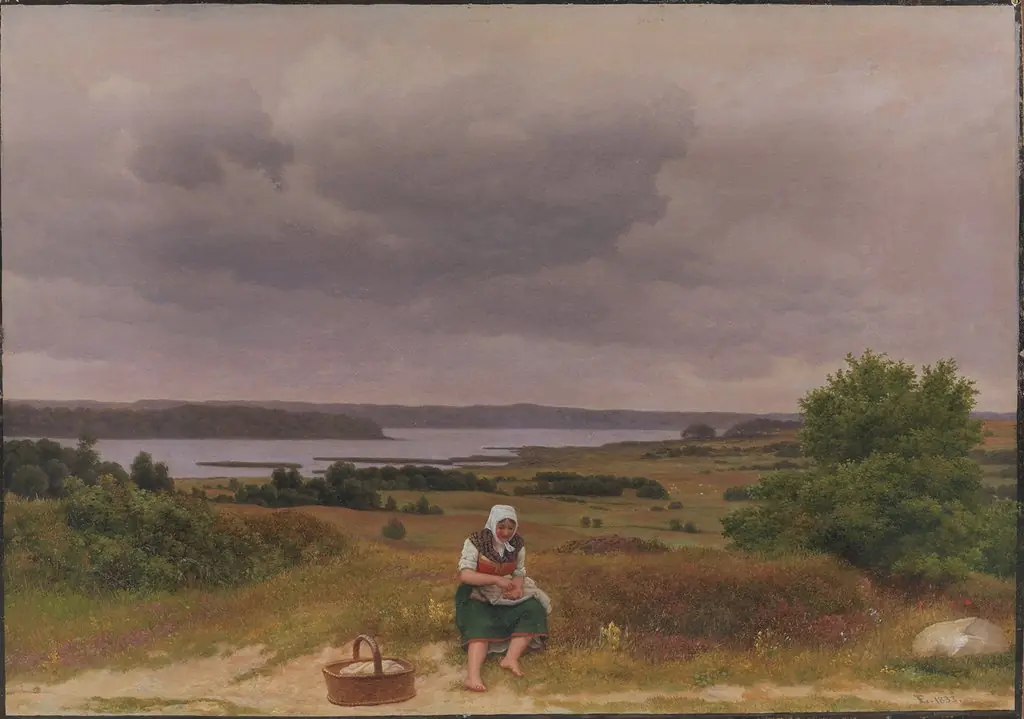 View of Lake Fure near Rudersdal, North Sealand.
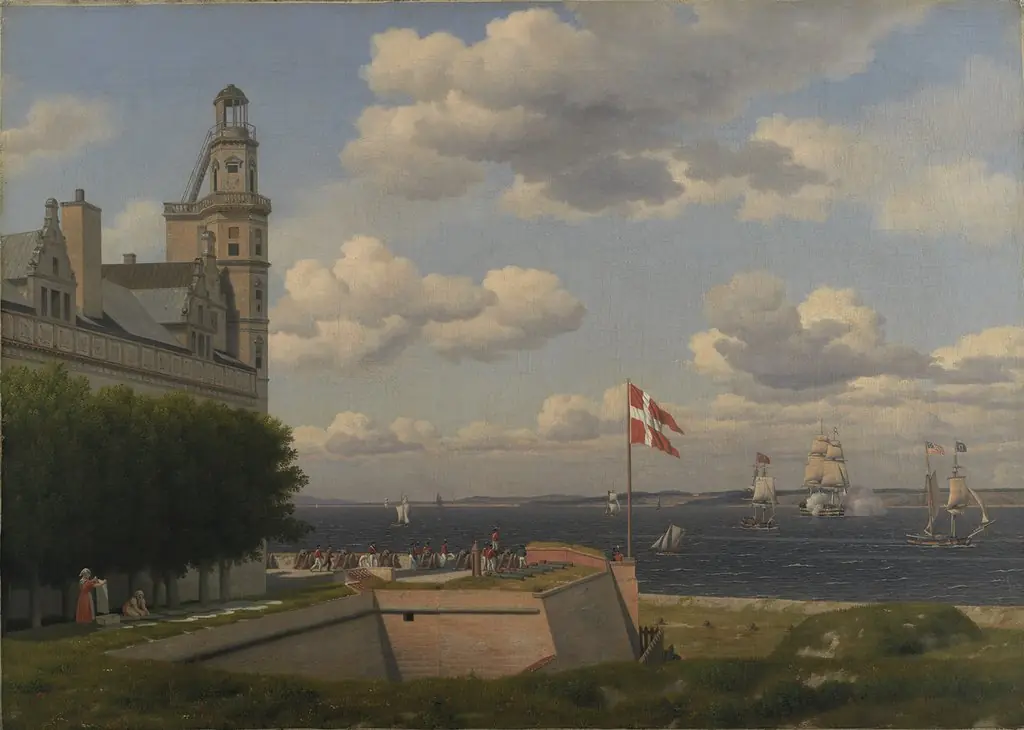 A View towards the Swedish Coast from the Ramparts of Kronborg Castle
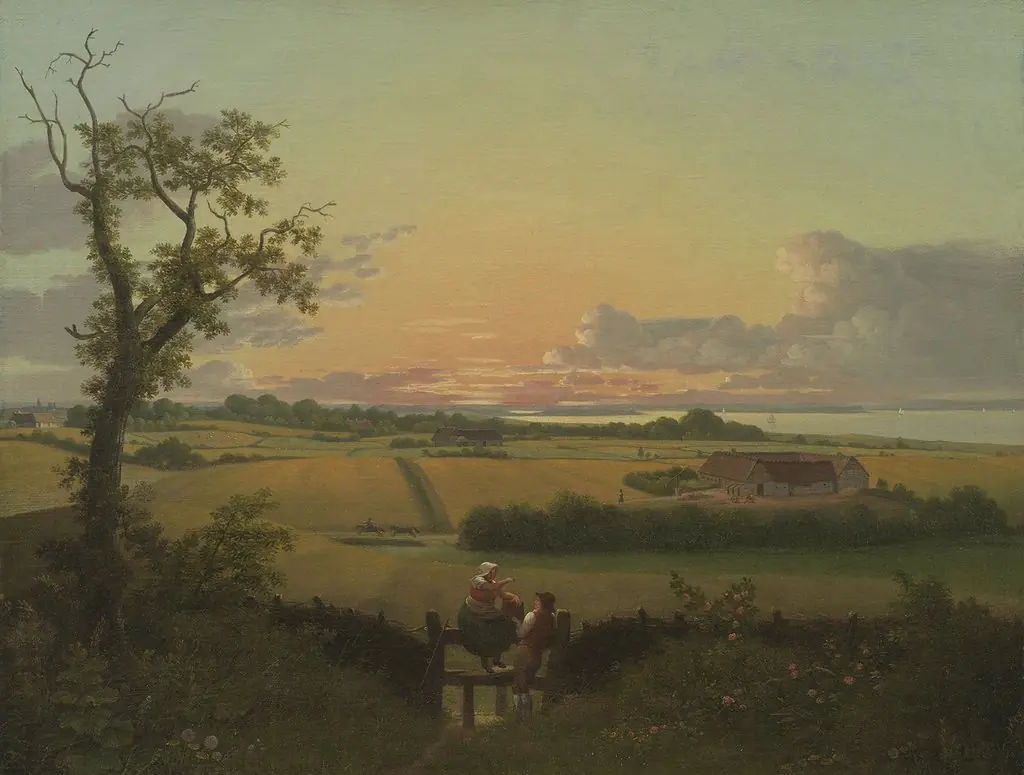 Landscape with a Stile. The Isle of Møn
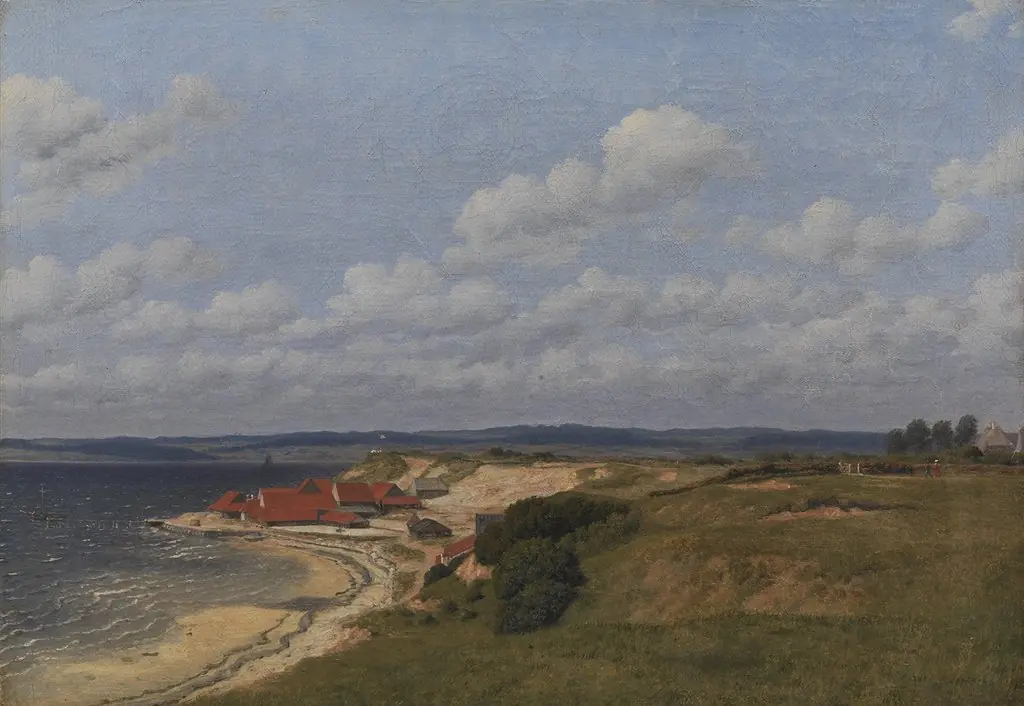 Renbjærg Tileworks by Flensburg Fiord
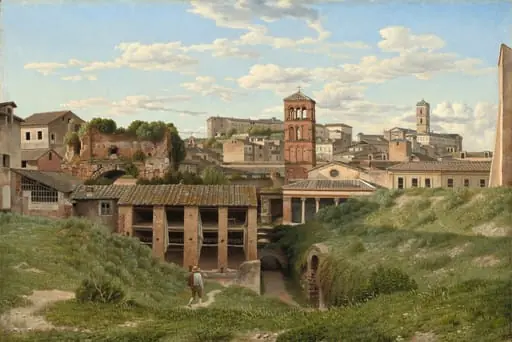 View of the Cloaca Maxima, Rome
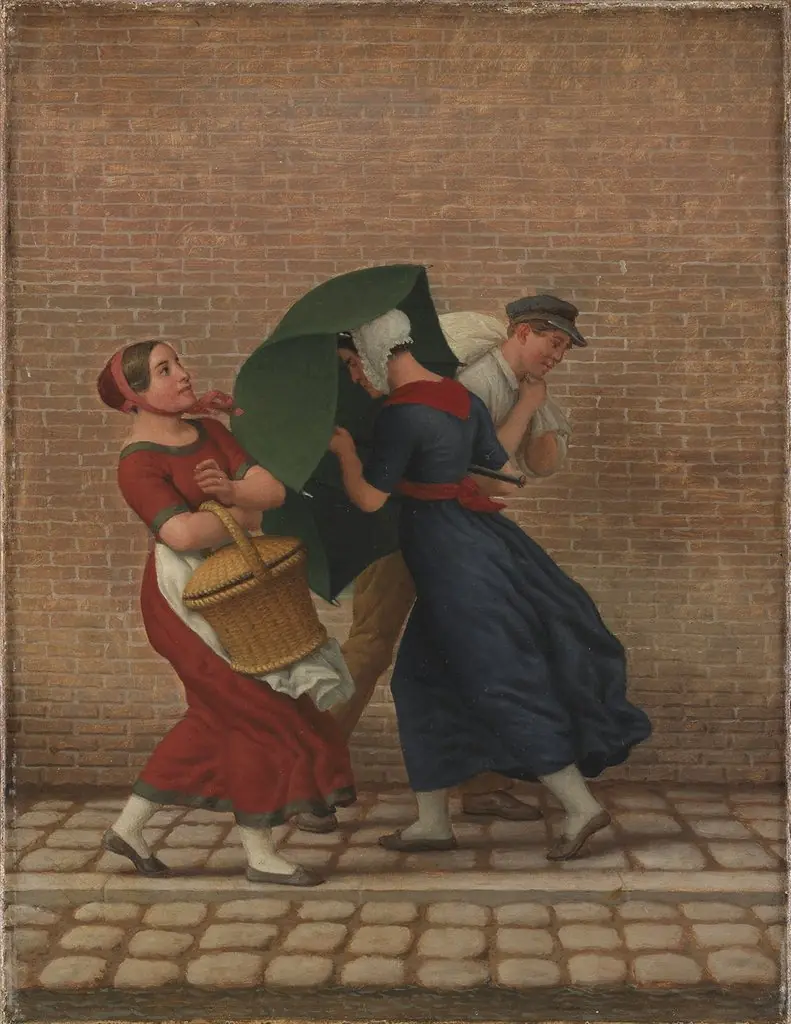 Street Scene in Windy and Rainy Weather
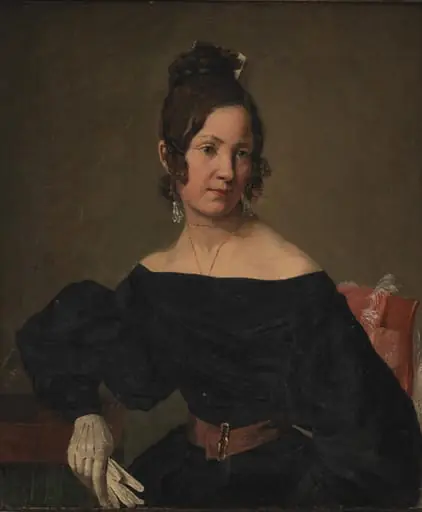 Skuespilleren Anna Nielsen
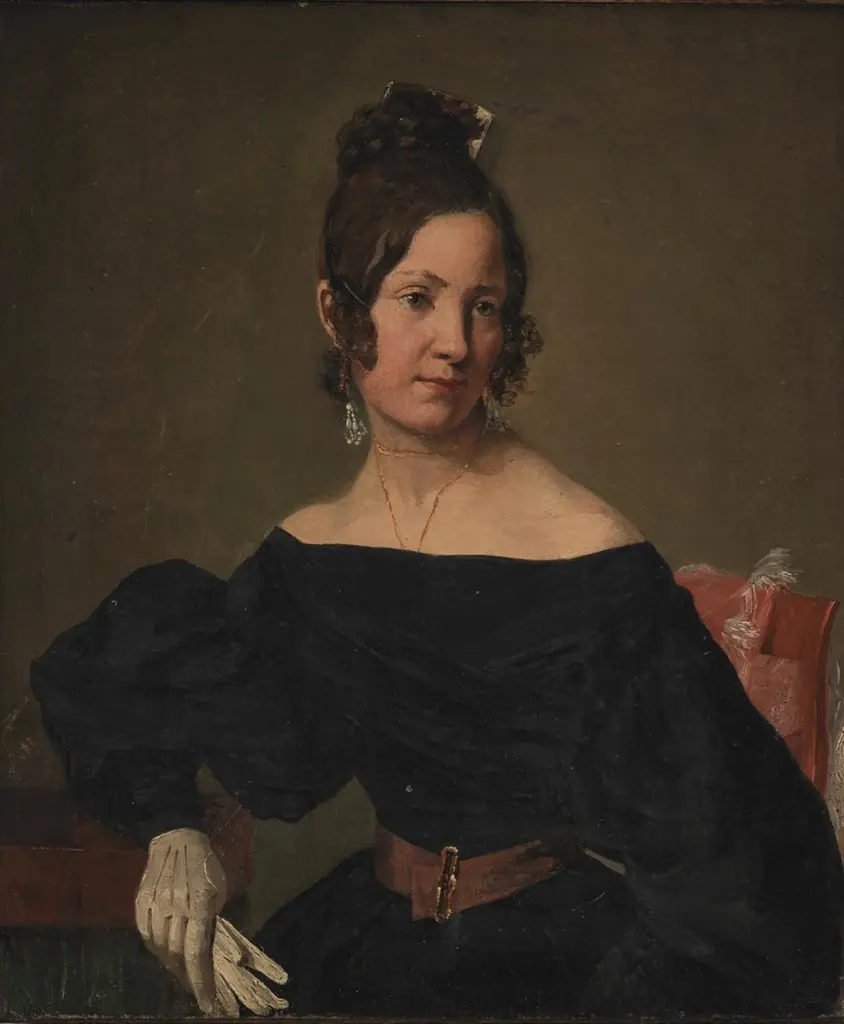 Actress Anna Nielsen
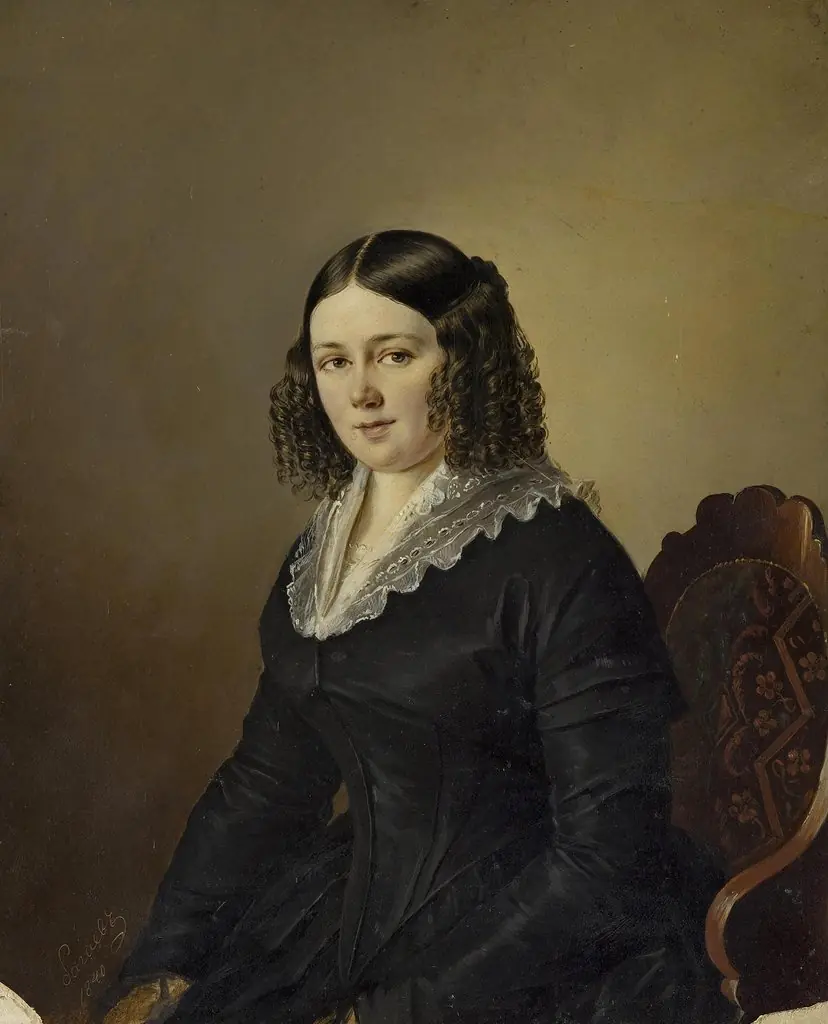 Portrait of A.I. Kolychiova
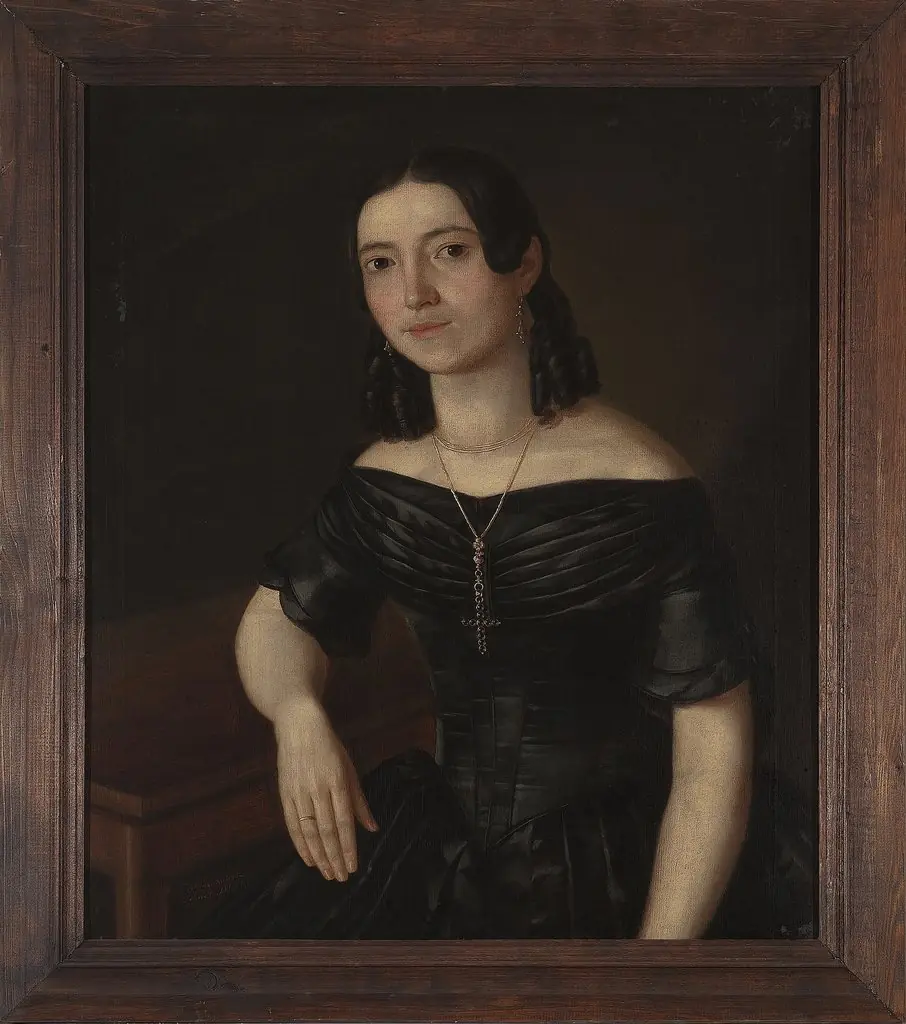 Portrait of a young woman
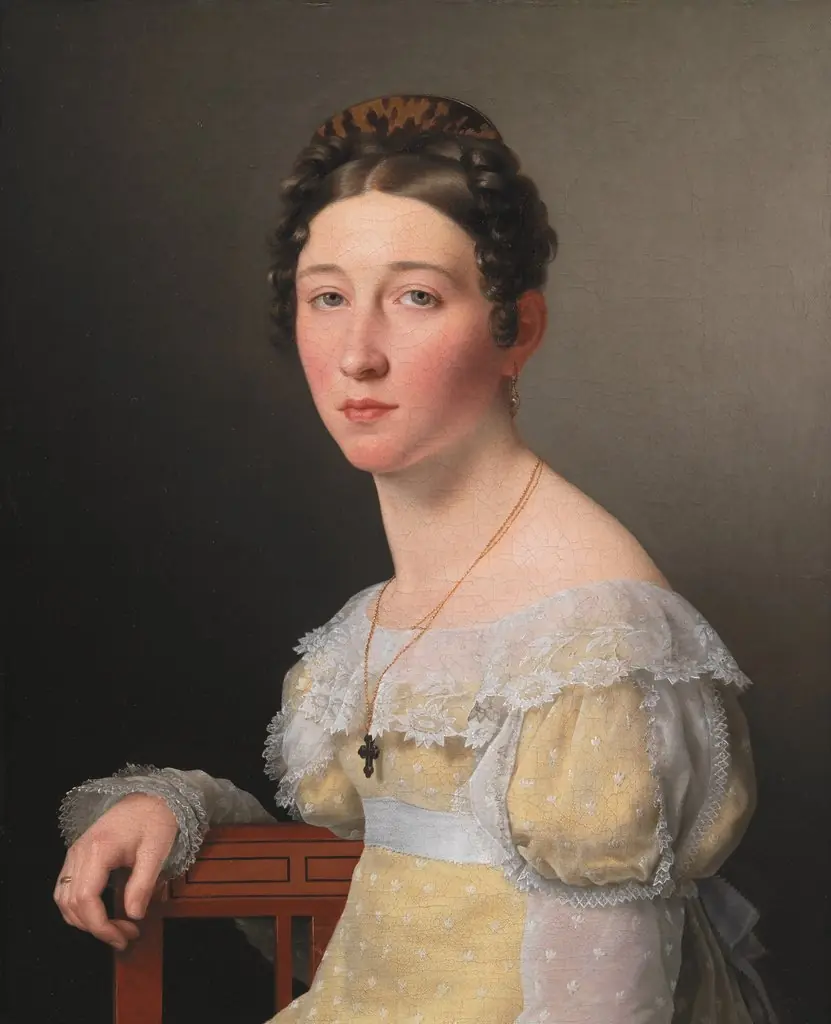 Emilie Henriette Massmann, gift 1824 med kammerjunker Frederik Wilhelm Caspar von Benzon
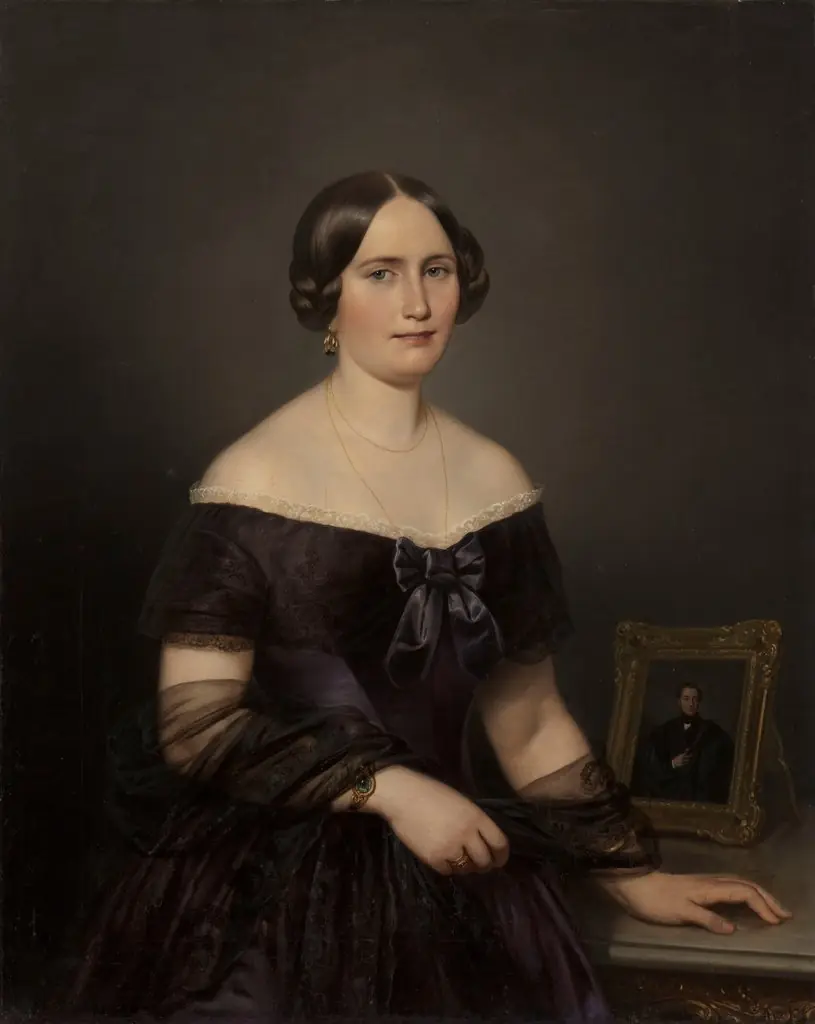 Ksenia Cavos
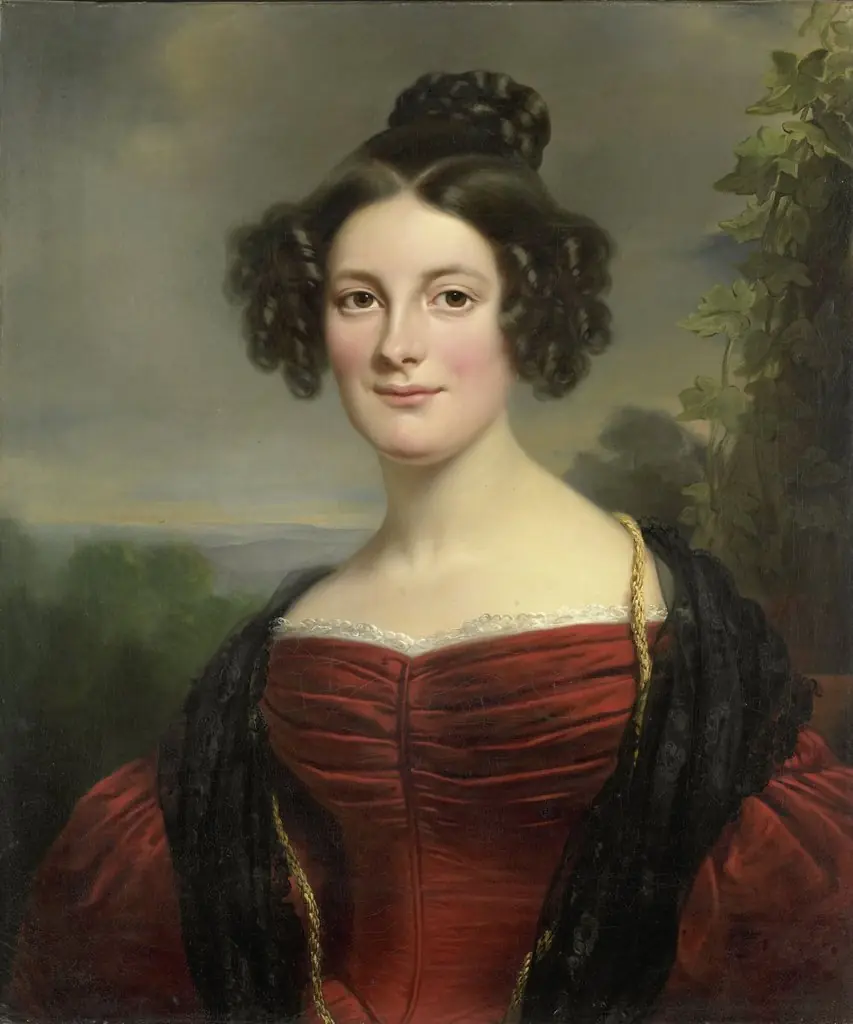 Catharina Annette Fraser (1815-92)
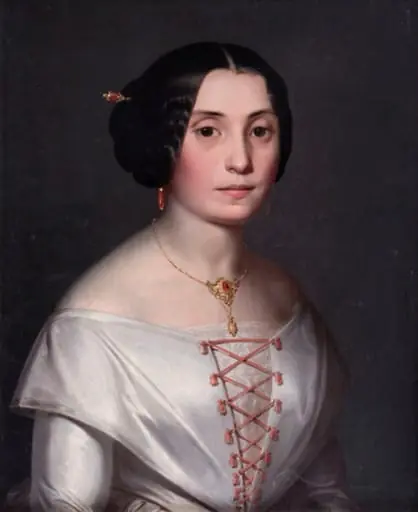 Portret de femeie
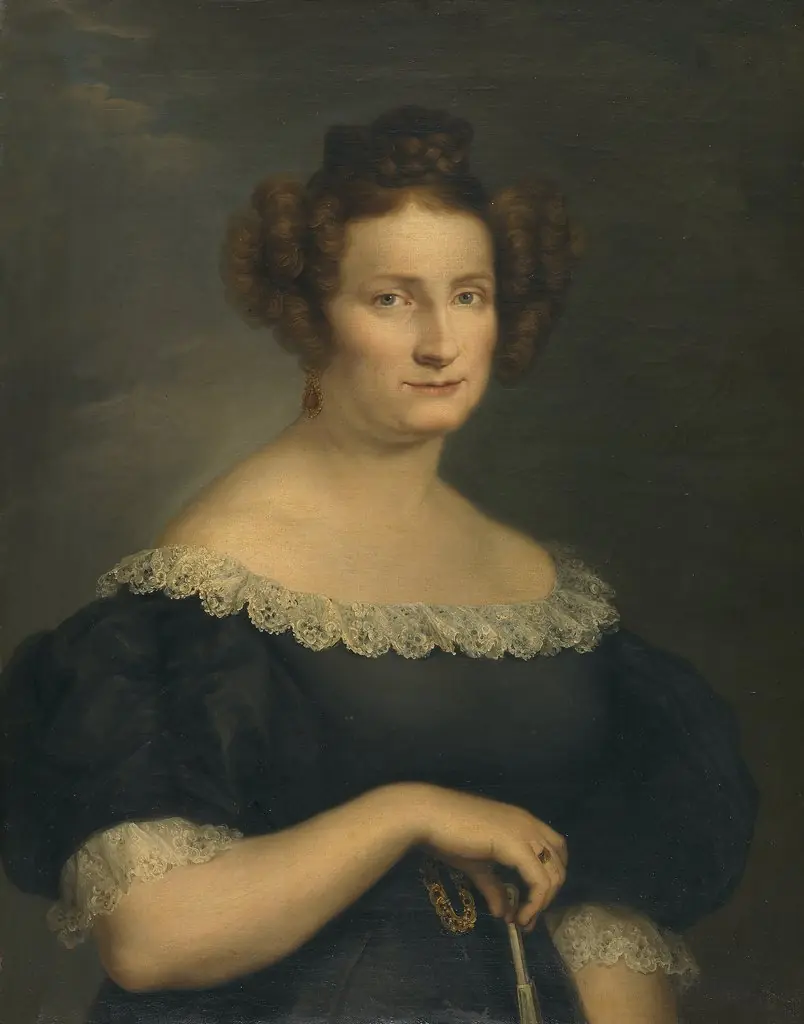 Cecilia Santos
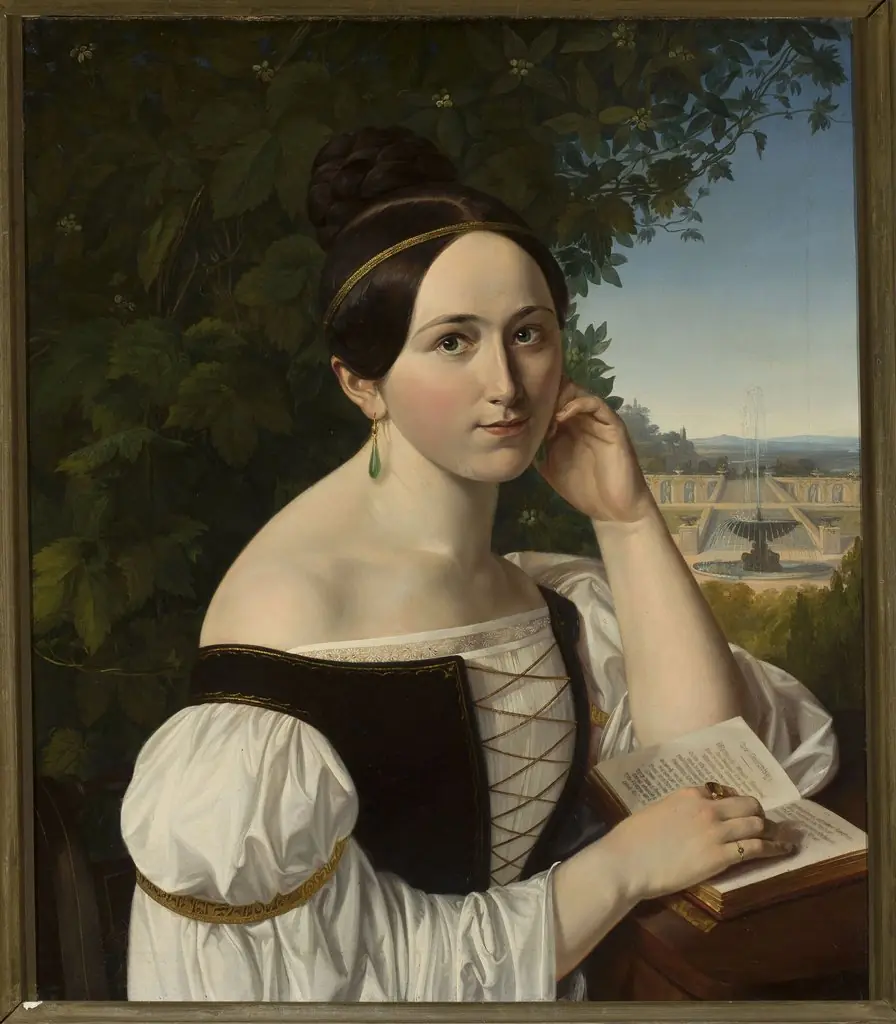 Portrait of a young woman with a book in a park
 Portrait of Maria Christina Nijssen, Wife of Anthonie van der Hout
 Portrait of ES Zhadimerovskaya