Artwork
The Scholar and Death
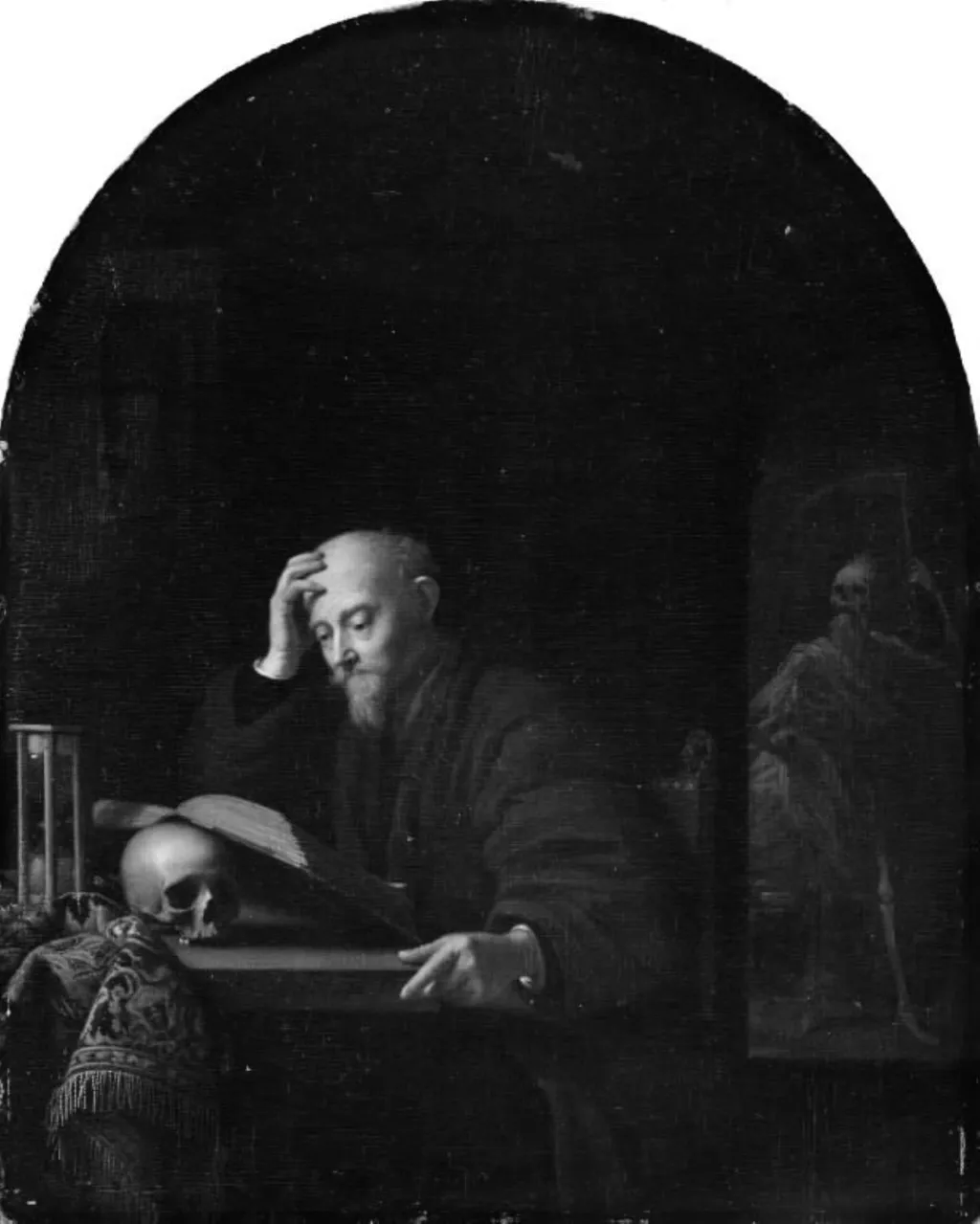
The Scholar and Death is a photography by Unknown. It dates from 1675 and is held in the collection of the Statens Museum for Kunst.
About this work
Overview
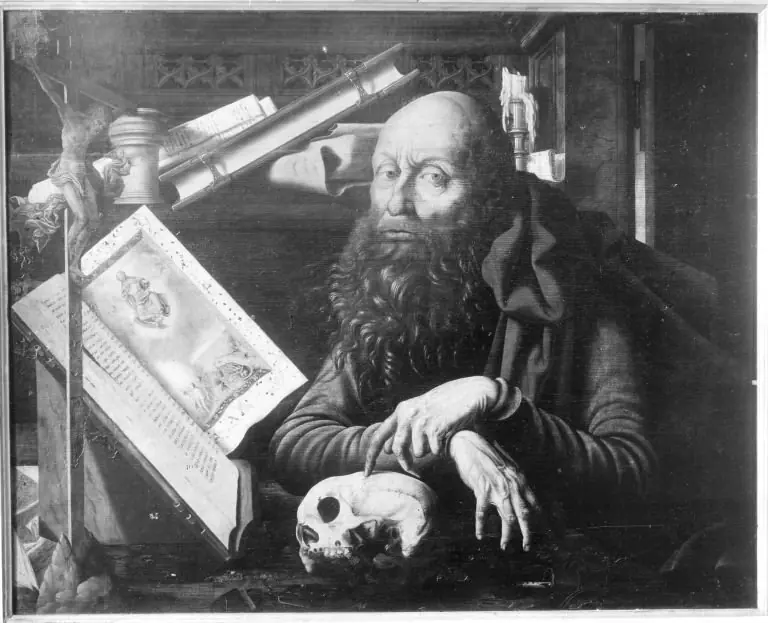
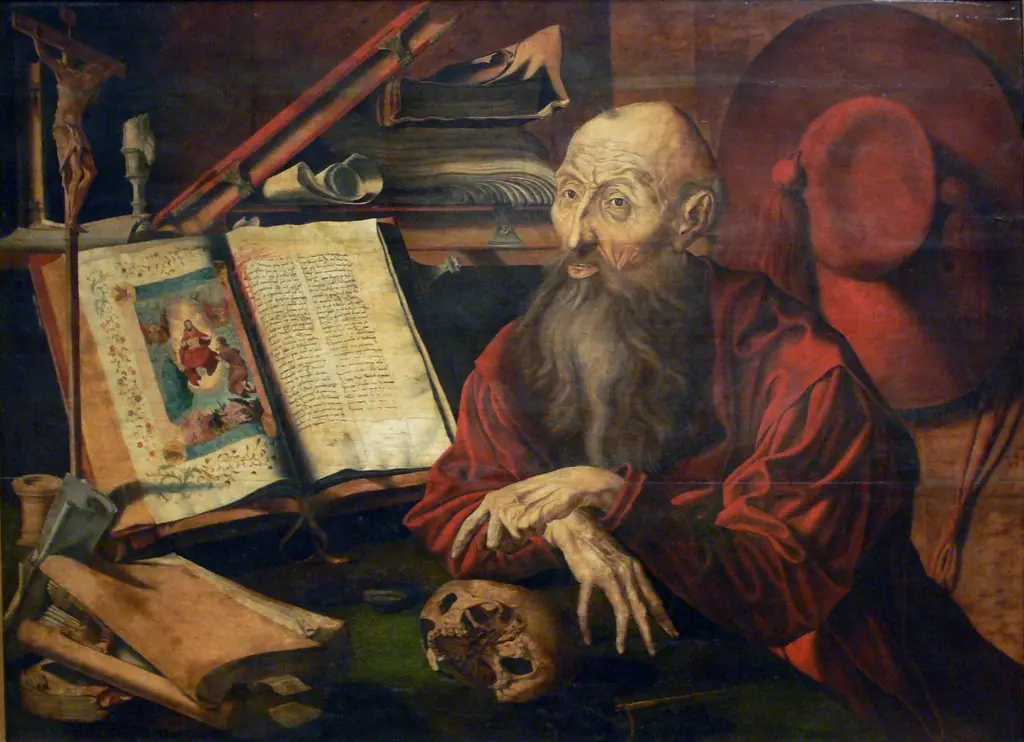
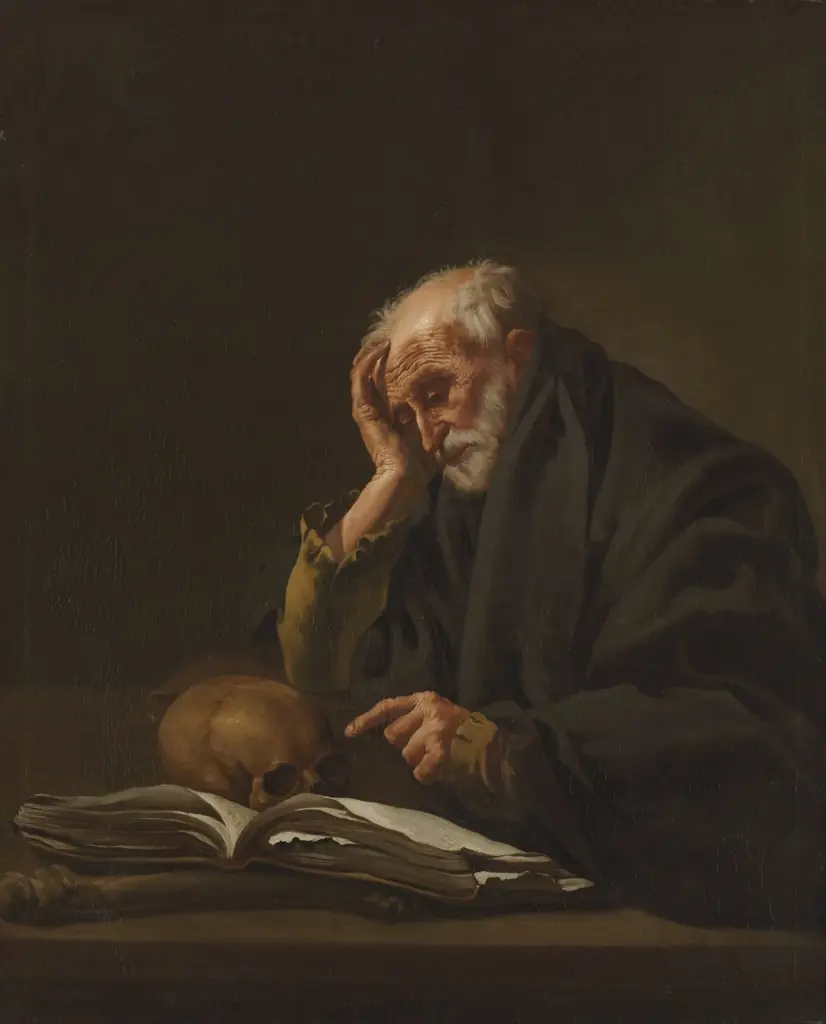
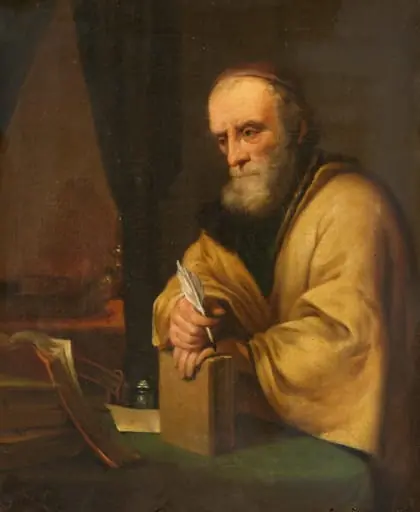
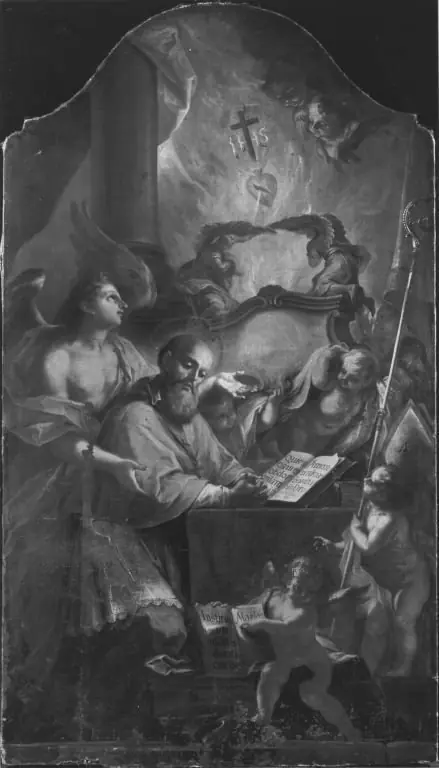
Created around 1675, this black-and-white image depicts an elderly scholar in contemplative stillness, accompanied by a looming shadow and a skull on the table.
Created around 1675, this black-and-white image depicts an elderly scholar in contemplative stillness, accompanied by a looming shadow and a skull on the table. The work is held in the collection of the Museum of Ethnography. Though the artist is unidentified, the composition reflects a broader tradition of moralizing imagery from the late 17th century, using visual contrast to evoke themes of mortality and reflection.
Subject & Meaning
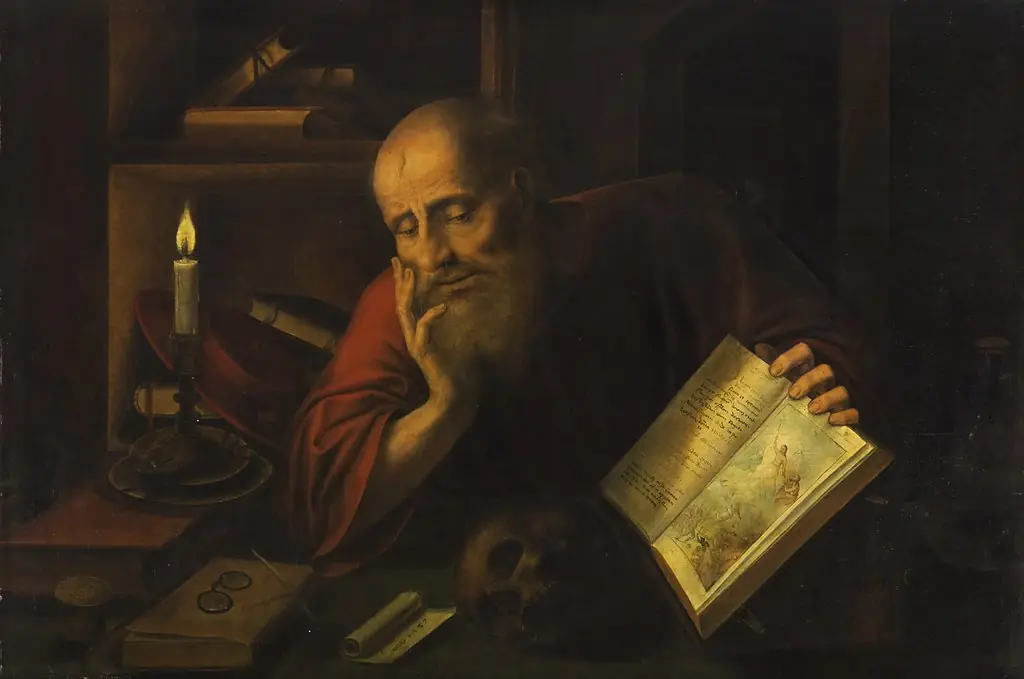
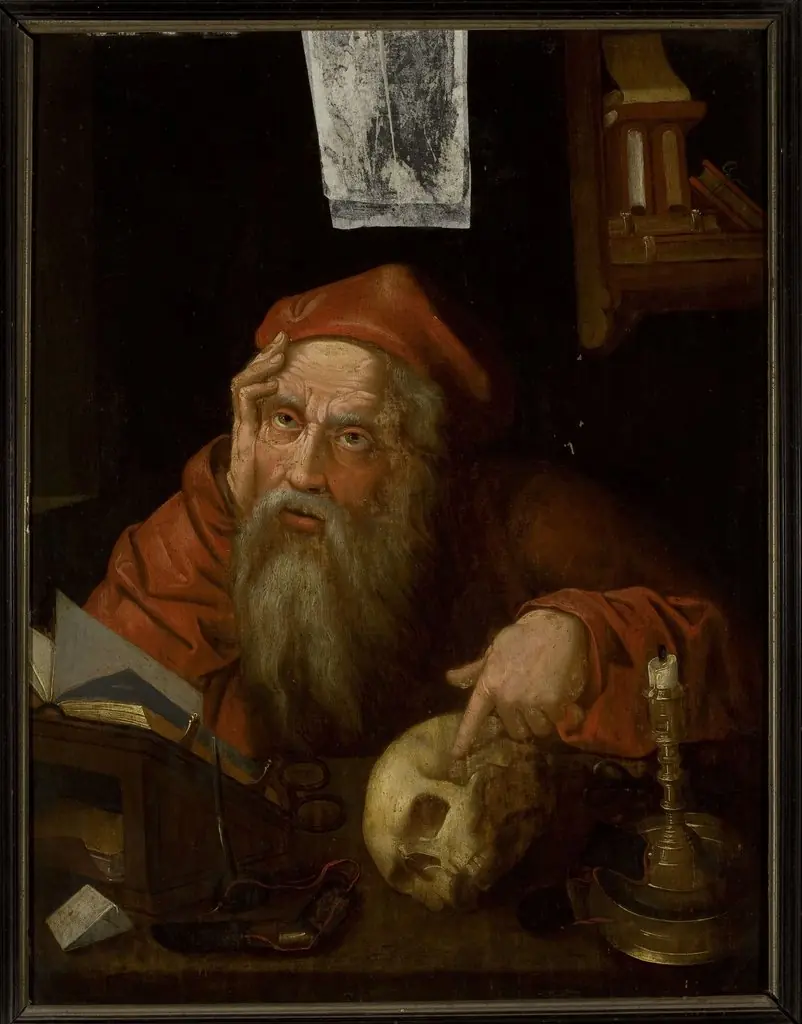
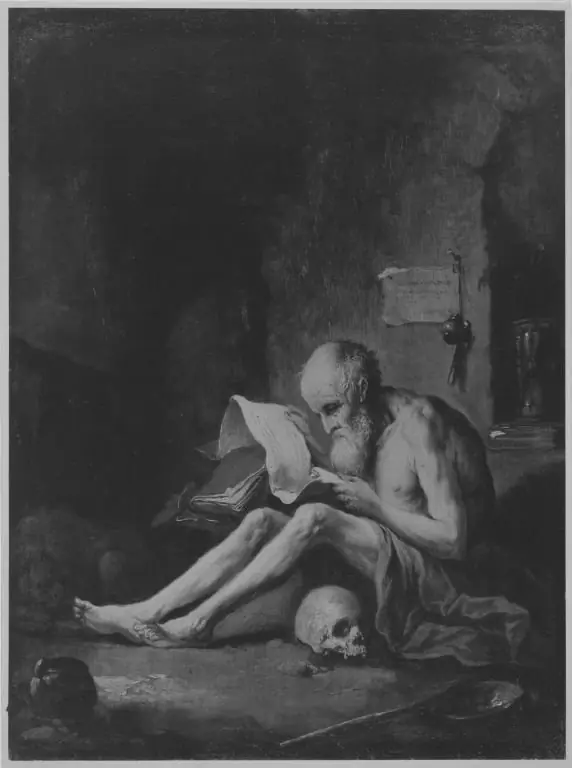
The figure, dressed in dark robes, rests his hand on a human skull, a traditional symbol of mortality. His gaze is inward, suggesting introspection rather than fear. The shadowy form behind him may represent Death itself, silently present but not overtly menacing. A small object on the table—possibly a manuscript—hints at the scholar’s life of study, now paused before the inevitability of death.
Technique & Style
The image employs strong chiaroscuro, with stark contrasts between light and shadow to model the figure’s face and hands. The skull catches the brightest light, drawing attention as the central motif. The background recedes into near-total darkness, isolating the scholar and intensifying the psychological weight of the scene. The absence of color focuses attention on form, texture, and emotional tone.
History & Provenance
The work entered the Museum of Ethnography’s collection in the early 20th century, though its origin prior to that remains undocumented. It was likely produced as a standalone print or illustration, possibly for a devotional or philosophical text. No records of its original commission or circulation have been found, leaving its intended audience and purpose speculative.
Context
This image aligns with Northern European vanitas traditions, which emerged after the Reformation and emphasized the transience of life and the futility of earthly pursuits. Scholarly figures in such works often served as moral exemplars, confronting viewers with the limits of knowledge in the face of death. The absence of overt religious symbols suggests a secularized, humanist interpretation of the theme.
Legacy
Though not widely reproduced or studied, the image persists as a quiet example of early modern visual meditation on mortality. Its restrained composition and psychological depth distinguish it from more theatrical depictions of death. It continues to be referenced in exhibitions on the history of death imagery, valued for its understated power and ambiguity.
Artist & collection

 Domestic Scene
 Giacomo and Cardinal Marco, investing Andrea, Abbot of San Zeno, with his Benefice
 The Nymph of Fontainebleau
 Portrait of a Woman
 Madonna and Child with Saints in the Enclosed Garden
 Venus and Minerva
 Family Group of Four on Sofa
 Wall painting from Room H of the Villa of P. Fannius Synistor at Boscoreale