Artwork
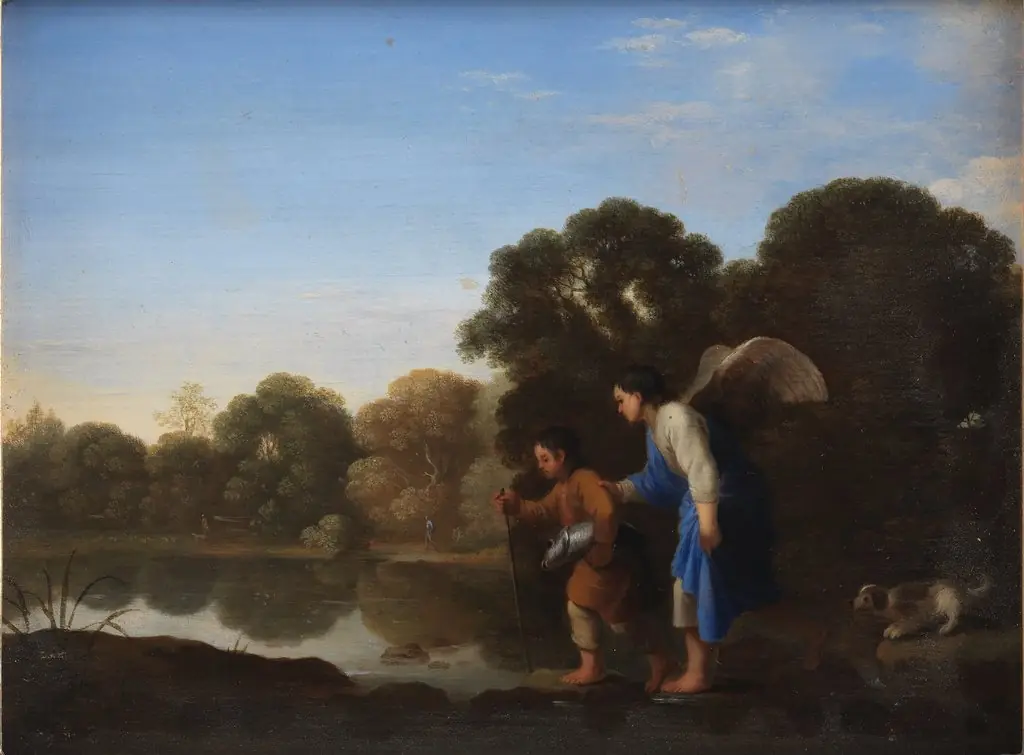
Young Tobiah and the Angel
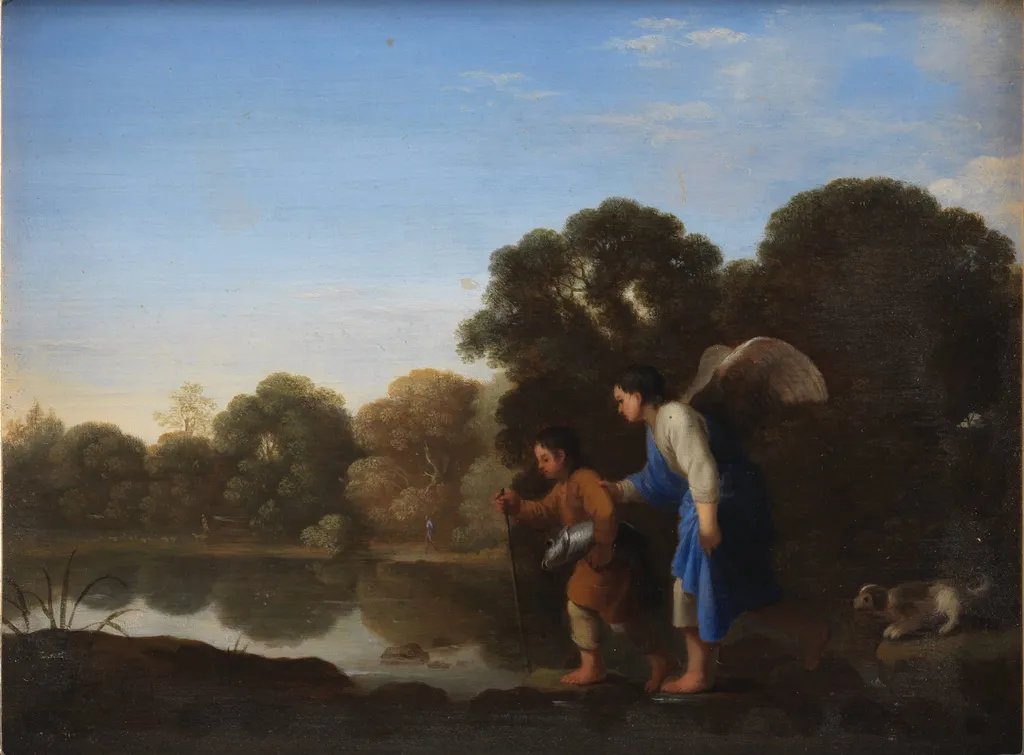
Young Tobiah and the Angel is a photography by Unknown. It dates from 1662 and is held in the collection of the Statens Museum for Kunst.
About this work
Overview
Created around 1662, this painting portrays a moment from the biblical Book of Tobit, depicting the young Tobiah accompanied by a celestial guide.
Created around 1662, this painting portrays a moment from the biblical Book of Tobit, depicting the young Tobiah accompanied by a celestial guide. Executed in oil on canvas, the work is part of the collection at the Museum of Ethnography. Its quiet composition and restrained palette reflect a devotional tone common in mid-17th-century religious imagery, emphasizing spiritual guidance over dramatic action.
Subject & Meaning
The scene illustrates Tobiah’s journey under divine protection, as he travels with an angel disguised as a human companion. The fish he carries will later serve a ritual purpose in healing his father’s blindness. The angel’s presence, calm and watchful, signifies divine intervention in everyday life. The riverbank setting suggests transition and purification, reinforcing the narrative’s themes of faith and providence.
Technique & Style
The artist employs chiaroscuro to model the figures with subtle gradations of light, anchoring them against a softly rendered landscape. The angel’s wings are rendered with delicate, feathery strokes, contrasting with the solid, grounded posture of the boy. Clothing is painted with muted earth tones, while the sky and water are rendered in pale washes, enhancing the scene’s serenity without overt theatricality.
History & Provenance
The painting entered the Museum of Ethnography’s collection in the late 19th century, acquired alongside other religious works from private European collections. Its attribution to the artist known as 2587_person remains tentative, based on stylistic parallels with regional workshop practices of the period. No documentation of its original commission or early ownership has been identified.
Context
Produced during a time when religious narratives remained central to Northern European art, the work aligns with devotional traditions that emphasized personal piety and quiet miracles. Unlike grand altarpieces, this intimate scene was likely intended for private contemplation, possibly in a domestic chapel or scholarly household, reflecting a shift toward personal spiritual engagement in the post-Reformation era.
Legacy
Though not widely exhibited or reproduced, the painting contributes to a broader corpus of lesser-known religious scenes from the Dutch and Flemish regions. Its preservation offers insight into how biblical stories were visually adapted for private devotion, revealing a quiet, humanized approach to divine encounter that contrasts with more monumental treatments of the same subject.
Artist & collection

 Domestic Scene
 Giacomo and Cardinal Marco, investing Andrea, Abbot of San Zeno, with his Benefice
 The Nymph of Fontainebleau
 Portrait of a Woman
 Madonna and Child with Saints in the Enclosed Garden
 Venus and Minerva
 Family Group of Four on Sofa
 Wall painting from Room H of the Villa of P. Fannius Synistor at Boscoreale
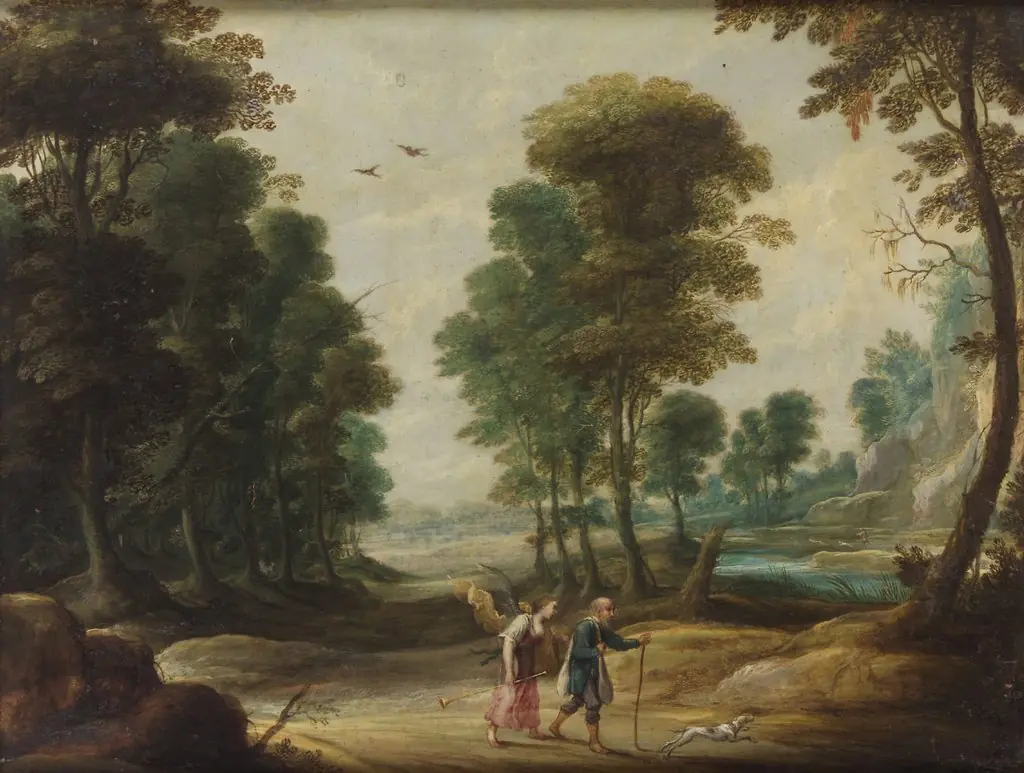 Landschaft mit wanderndem Dichter und Fama
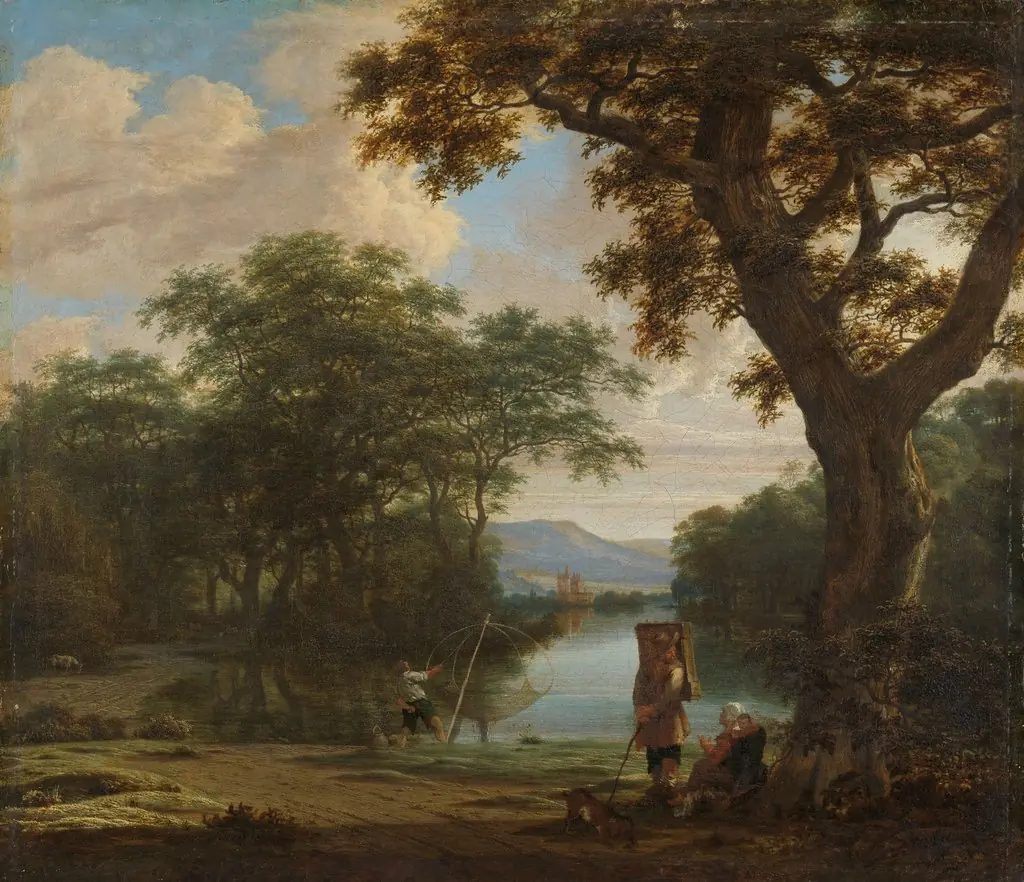 Landscape with fisherman with a square net
 Landscape with Fisherman with a square Net
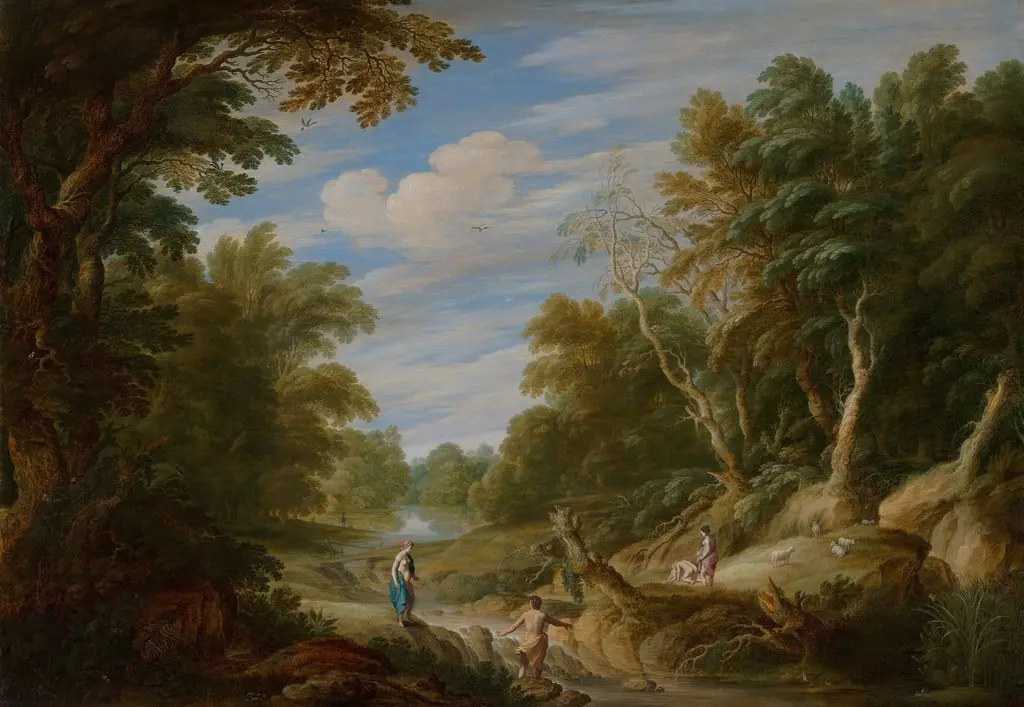 Wooded Landscape with Figures
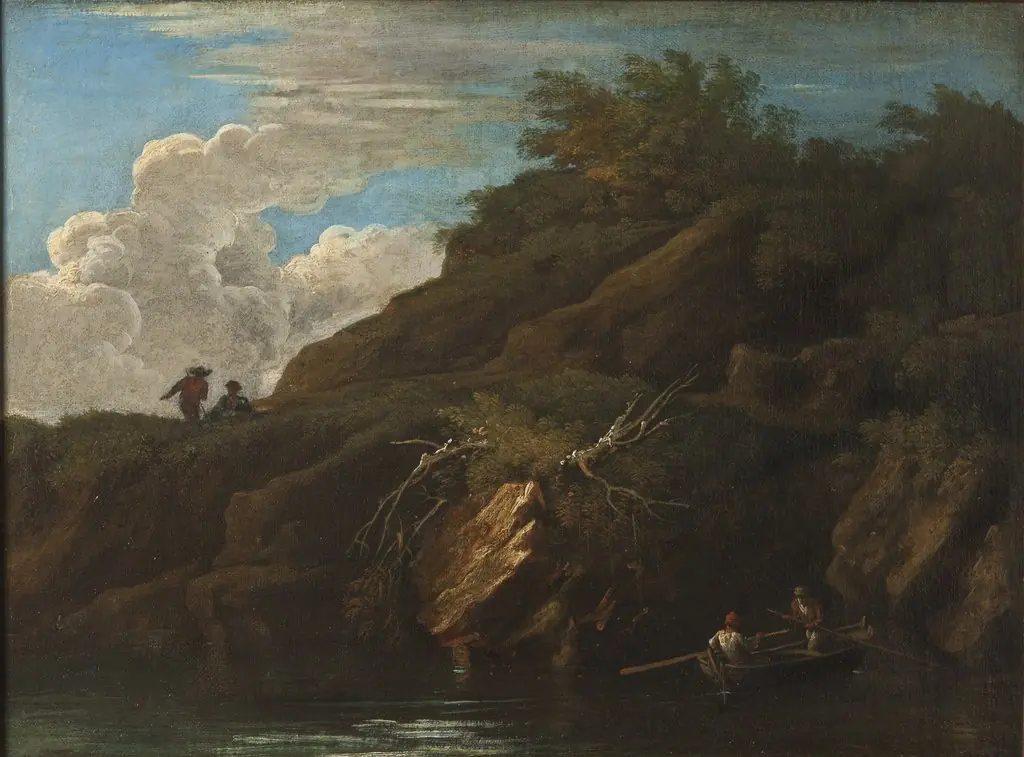 Landscape with Water
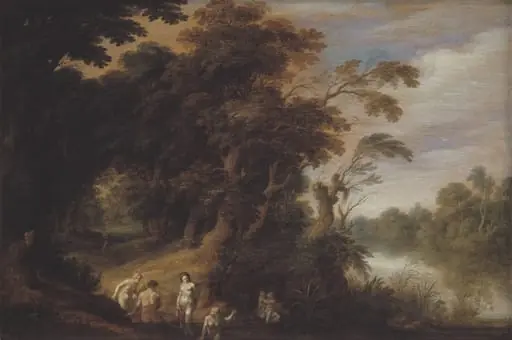 Wooded Landscape with Bathing Nymps
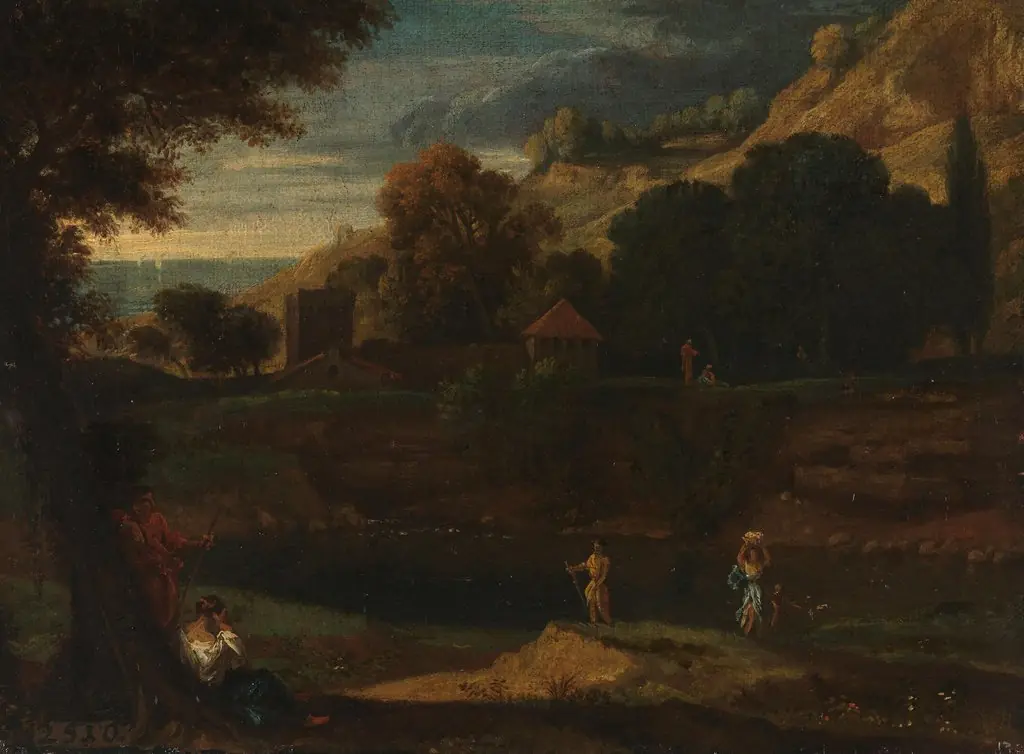 Klassische Landschaft (Umkreis)
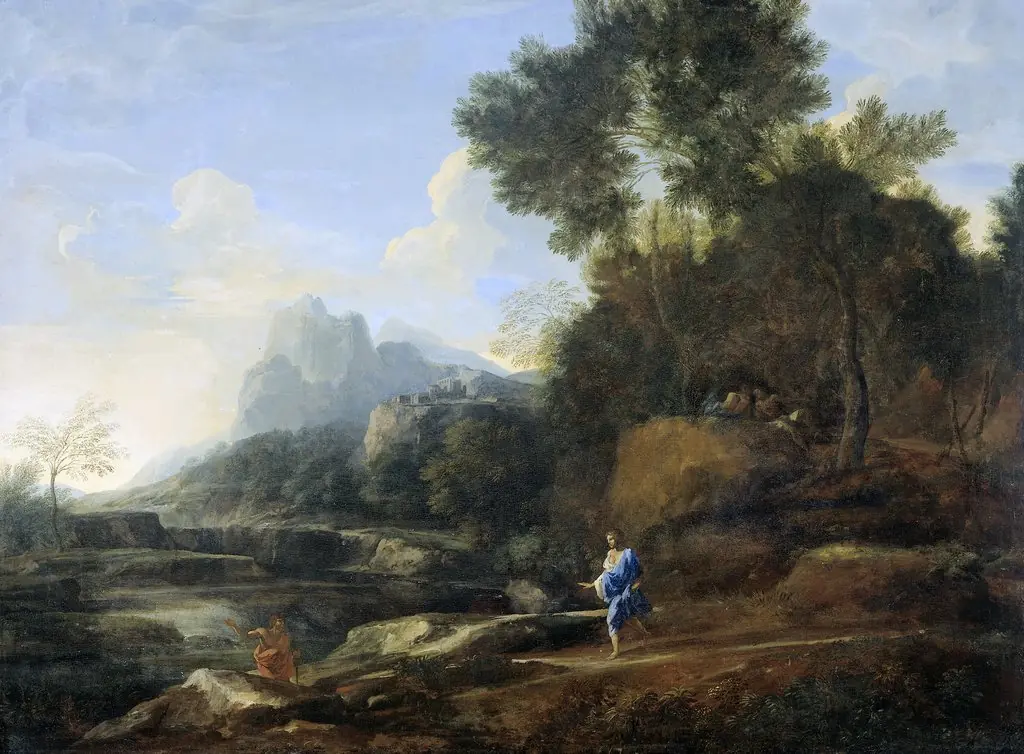 Italian Landscape
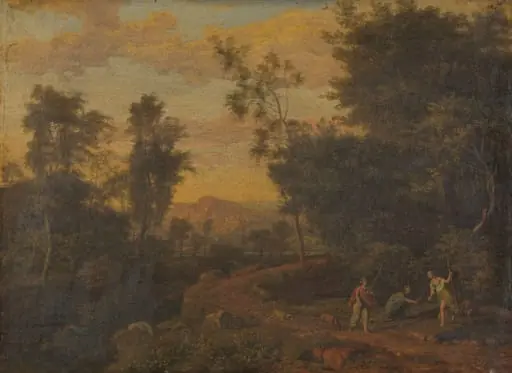 Diana and Her Nymphs Hunting
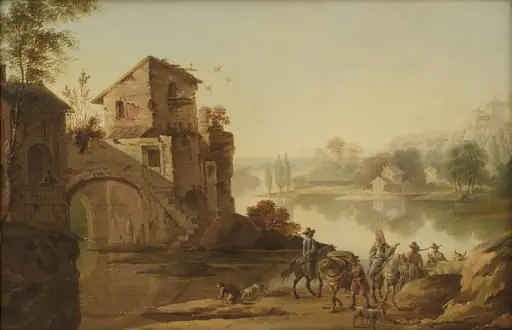 Landskab i italiensk manér
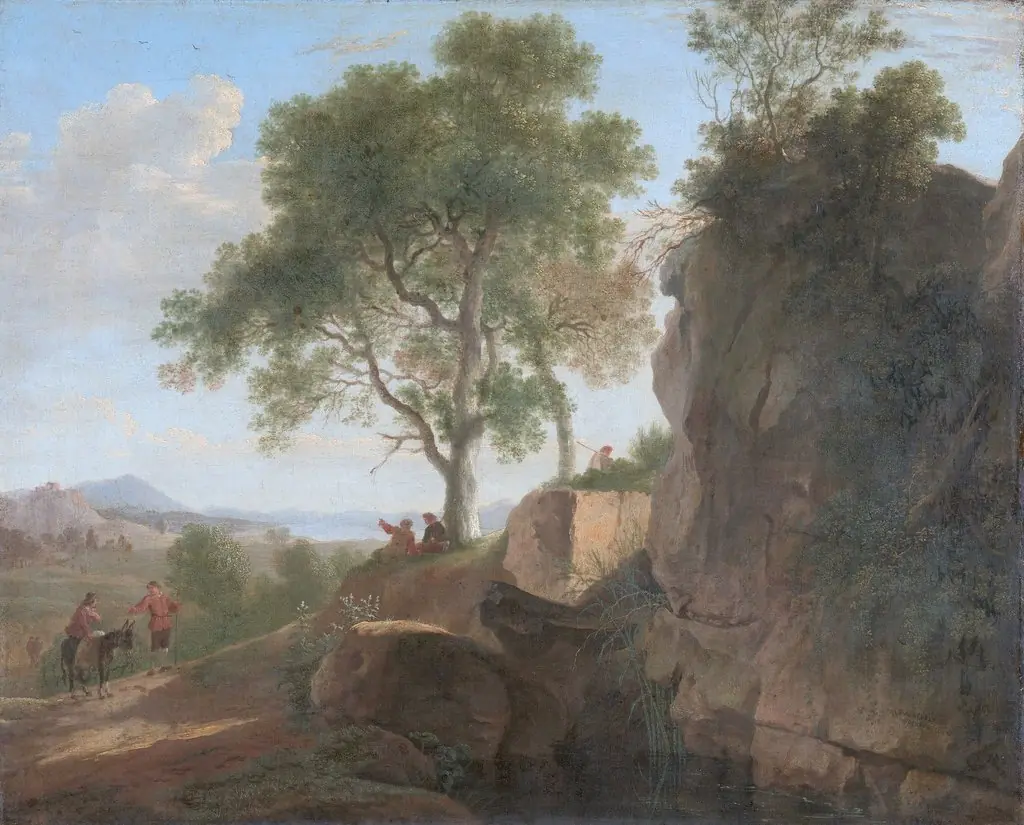 Italian landscape
 Young Tobiah and the Angel