Artwork
Diana and Her Nymphs Hunting
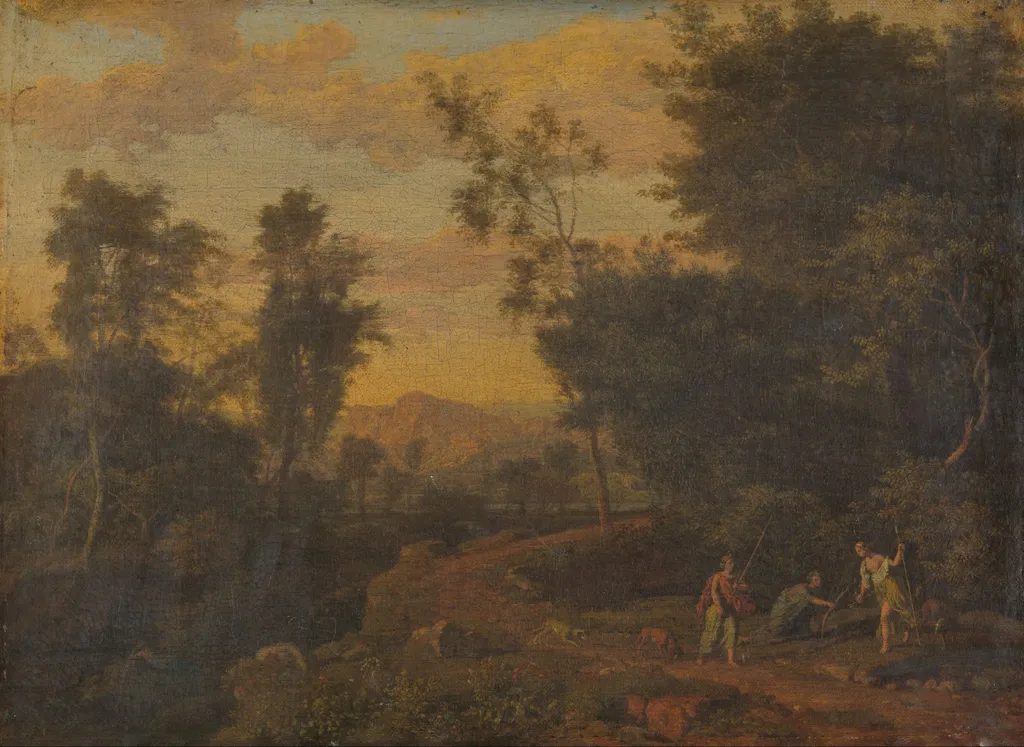
Diana and Her Nymphs Hunting is an unspecified painting by the Rococo painting artist Unknown. It dates from 1685 and is held in the collection of the Rijksmuseum.
About this work
Overview
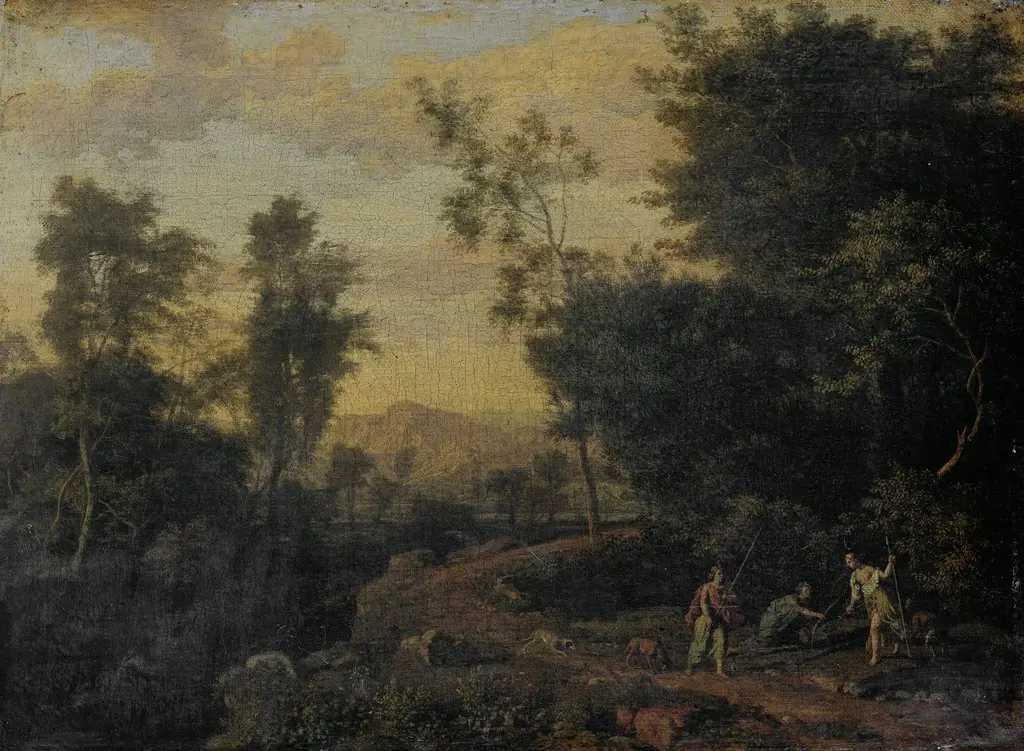
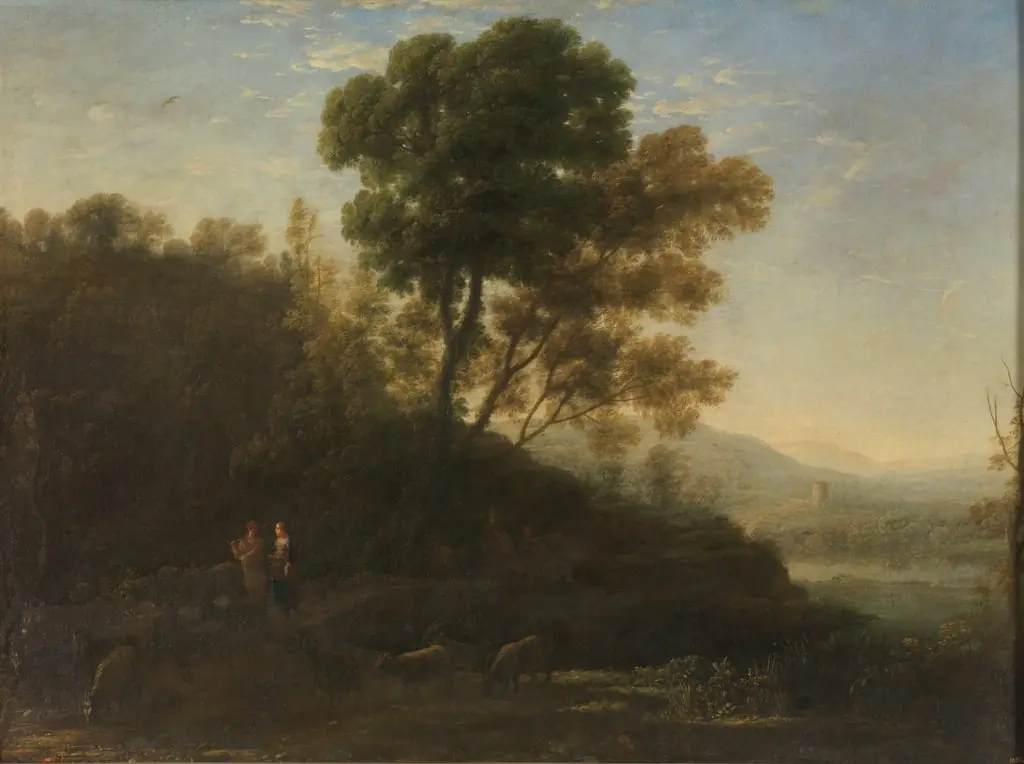
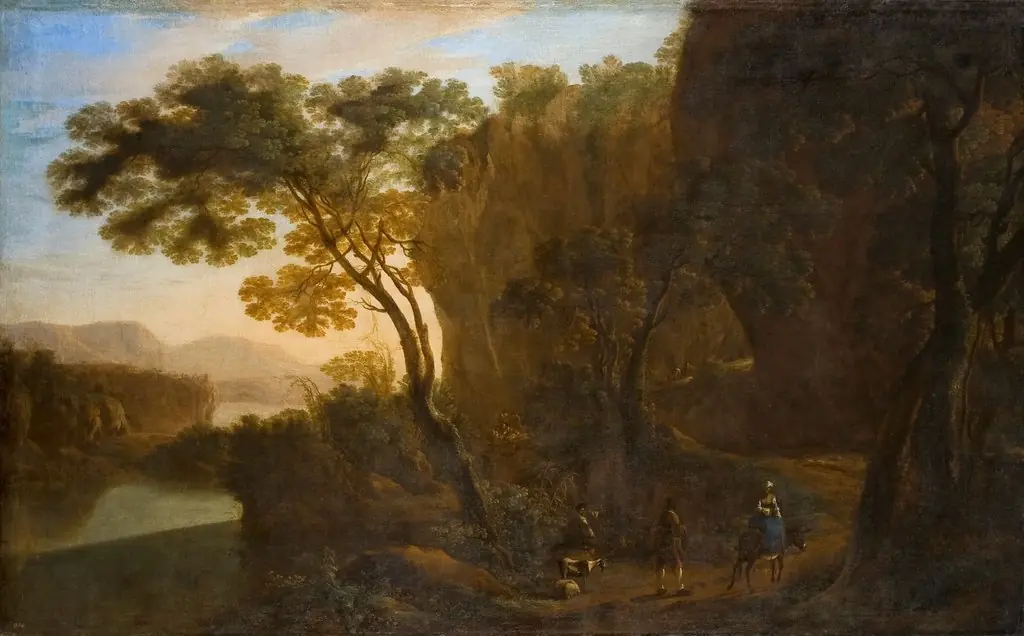
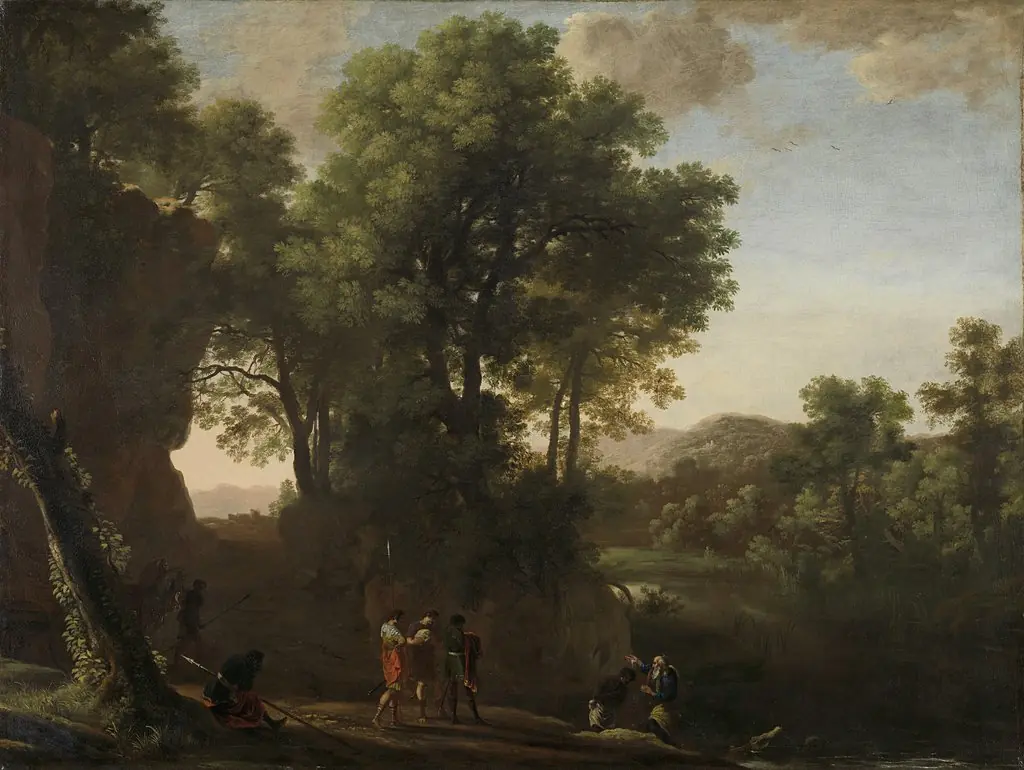
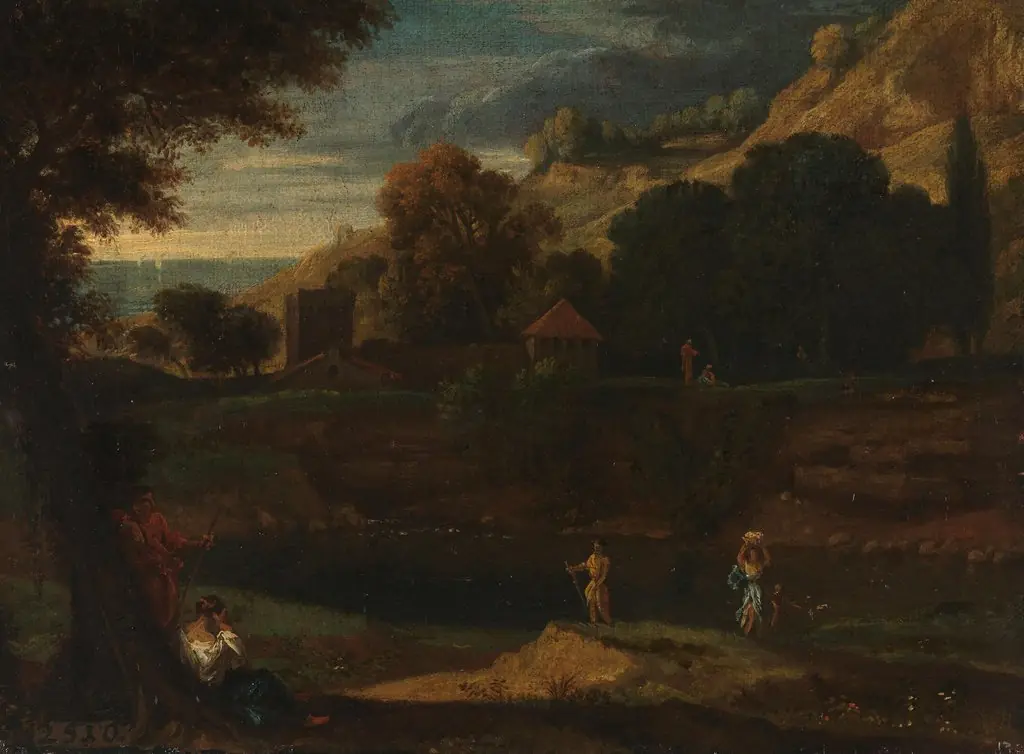
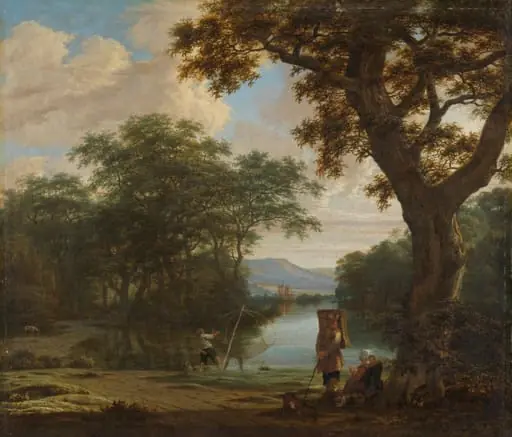
The work, titled *Diana and Her Nymphs Hunting*, presents a nocturnal woodland scene in which the Roman goddess of the hunt is accompanied by two nymphs and a pair of hounds. The composition centers on the three female figures, one drawing a bow, while the others stand beside the dogs, all set against a dimly lit forest backdrop.
Subject & Meaning
The painting draws on classical mythology, portraying Diana as the embodiment of the hunt and wilderness. The inclusion of her attendants and dogs underscores themes of companionship, mastery over nature, and the ritualized pursuit that characterized ancient hunting rites.
Technique & Style
The artist achieved a subtle luminosity in the foliage through the application of multiple thin glazes, allowing the leaves to appear to glow despite the overall low light. This layered approach required careful control of pigment and drying times, revealing a refined mastery of oil painting methods.
History & Provenance
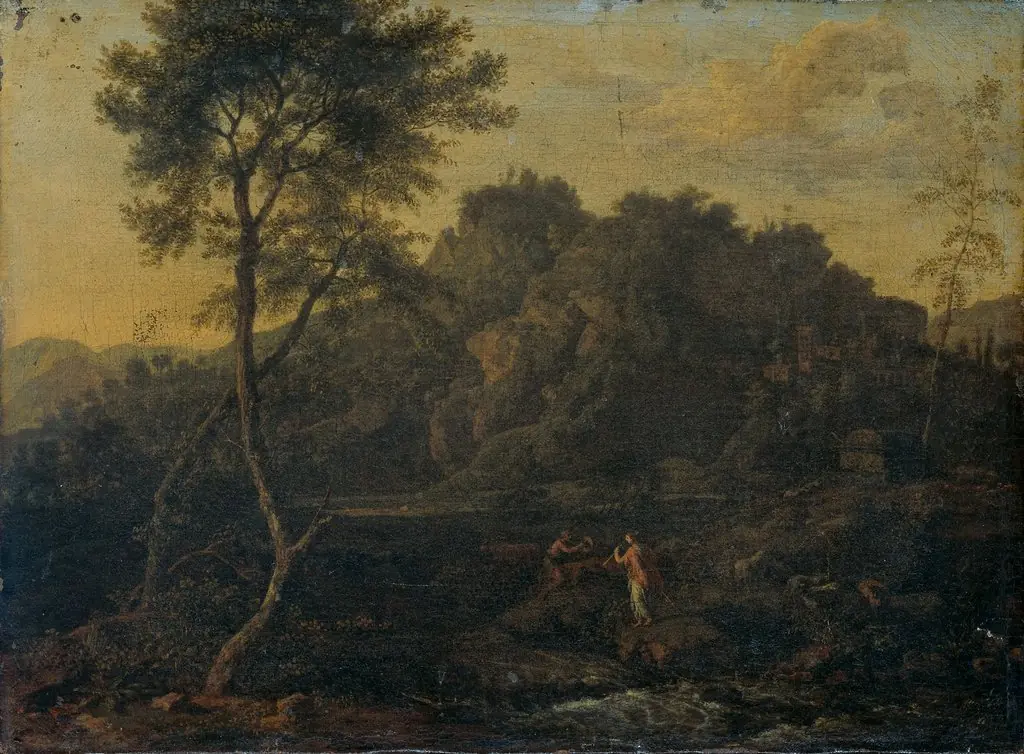
Created as a pendant to the work catalogued as SK‑A‑1839, the canvas originally formed a paired set, each mirroring the other in size and subject. The companion piece has not survived, leaving this painting as the sole representative of the intended duo.
Context
The work belongs to a tradition of 17th‑century Dutch artists who blended mythological narratives with detailed natural settings. By situating a classical deity within a realistically rendered forest, the painting reflects contemporary interests in both antiquity and the observation of the natural world.
Artist & collection

 Domestic Scene
 Giacomo and Cardinal Marco, investing Andrea, Abbot of San Zeno, with his Benefice
 The Nymph of Fontainebleau
 Portrait of a Woman
 Madonna and Child with Saints in the Enclosed Garden
 Venus and Minerva
 Family Group of Four on Sofa
 Wall painting from Room H of the Villa of P. Fannius Synistor at Boscoreale