Artwork
Evening Interior
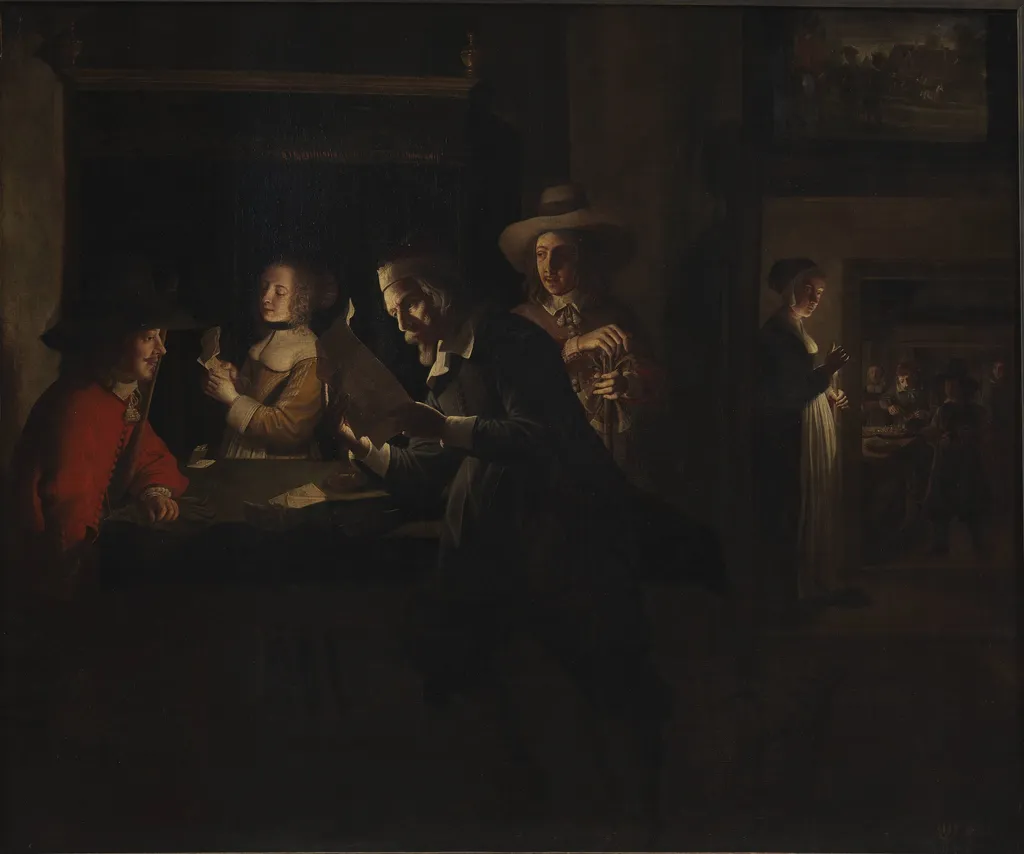
Evening Interior is a photography by the Baroque artist Unknown. It dates from 1651 and is held in the collection of the Statens Museum for Kunst.
About this work
Overview
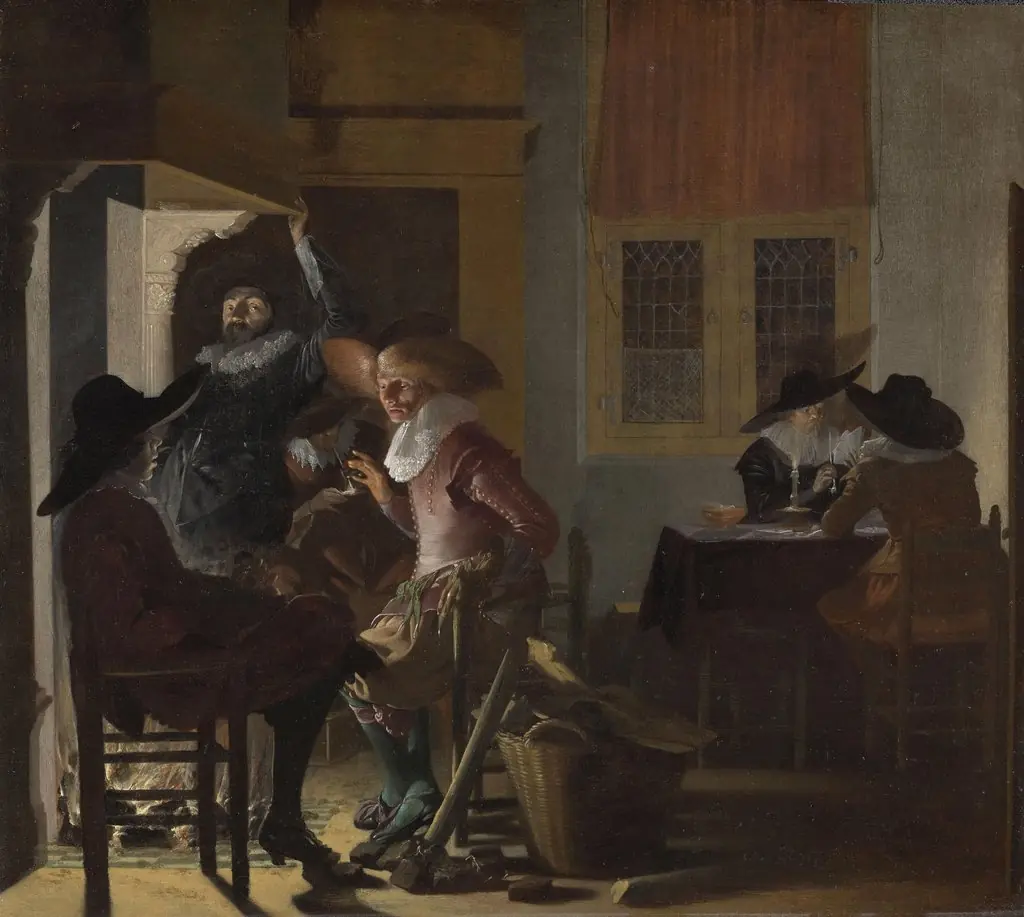
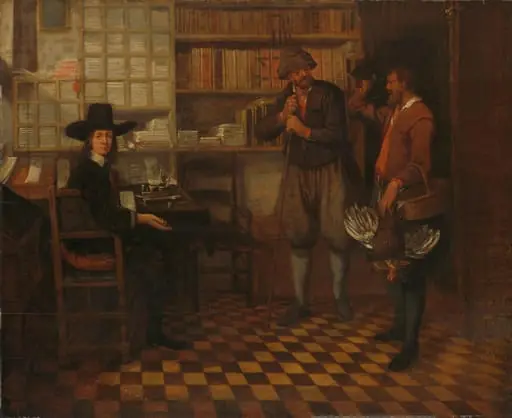
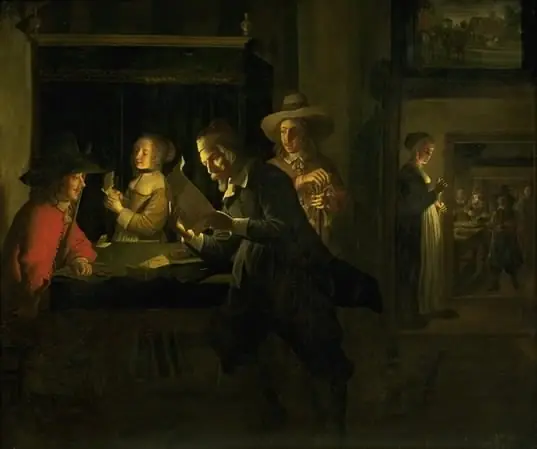
Painted in 1651, Evening Interior depicts a quiet domestic scene in low evening light. The work is attributed to 2610_person and resides in the Museum of Ethnography. Unlike grand historical or religious compositions of the era, it focuses on an ordinary interior moment, rendered with careful observation and subdued tonality. The composition invites contemplation rather than narrative drama.
Subject & Meaning
The lighting and arrangement imply a moment of rest after daily labor, reflecting values of domestic harmony.
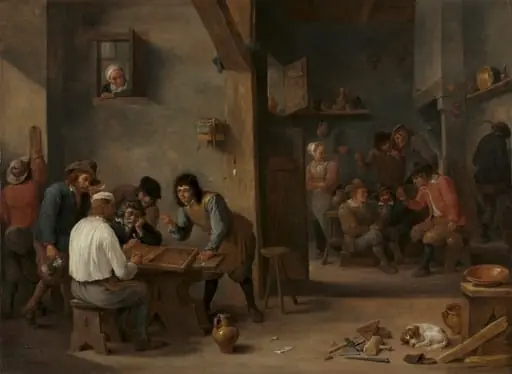
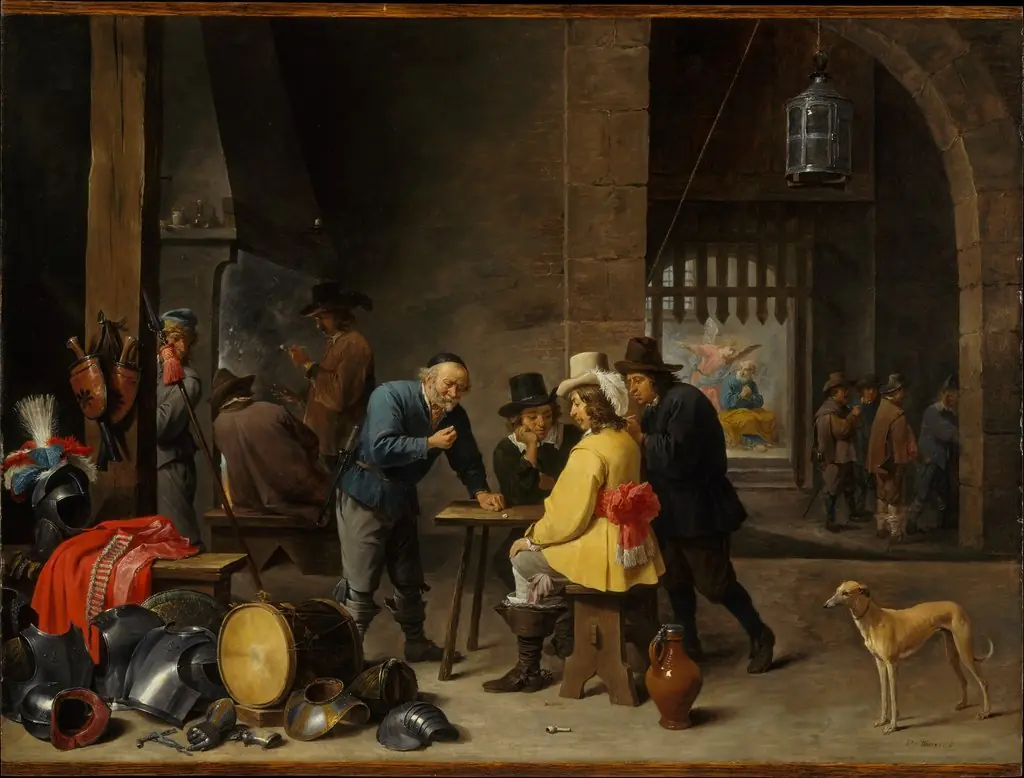
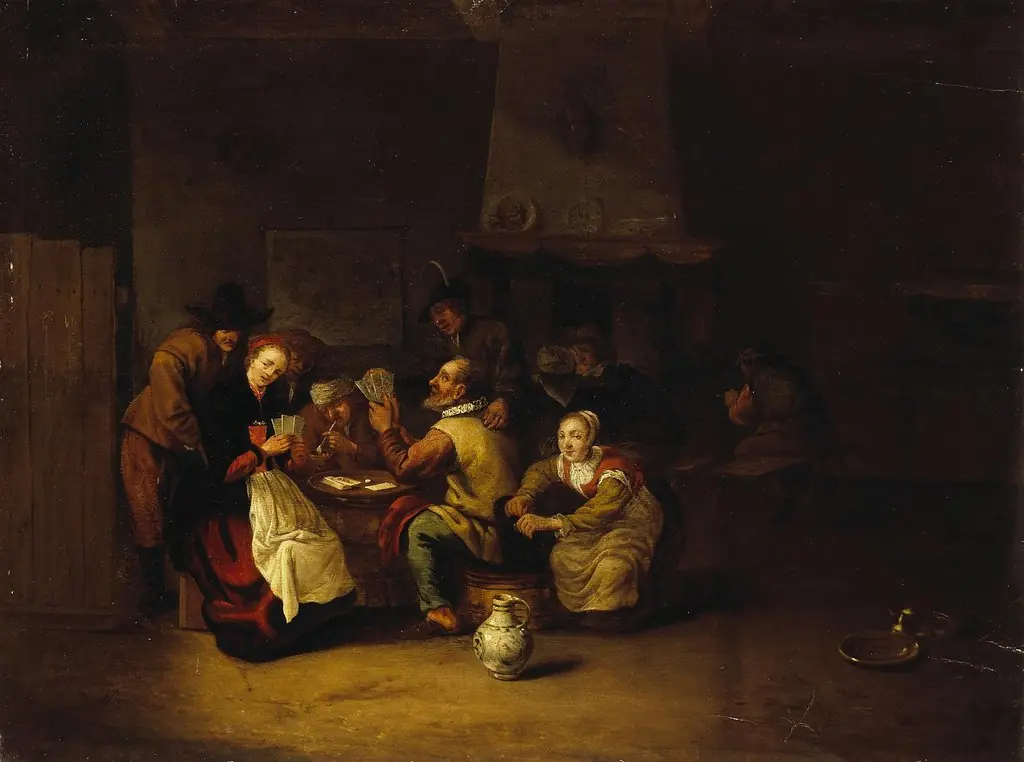
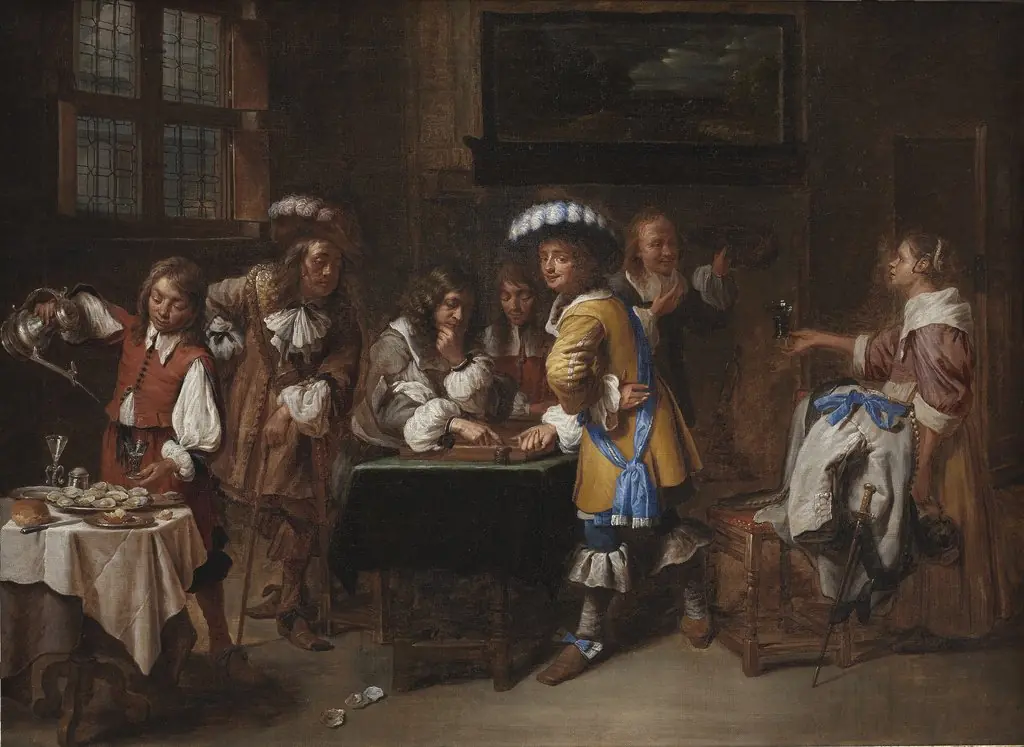
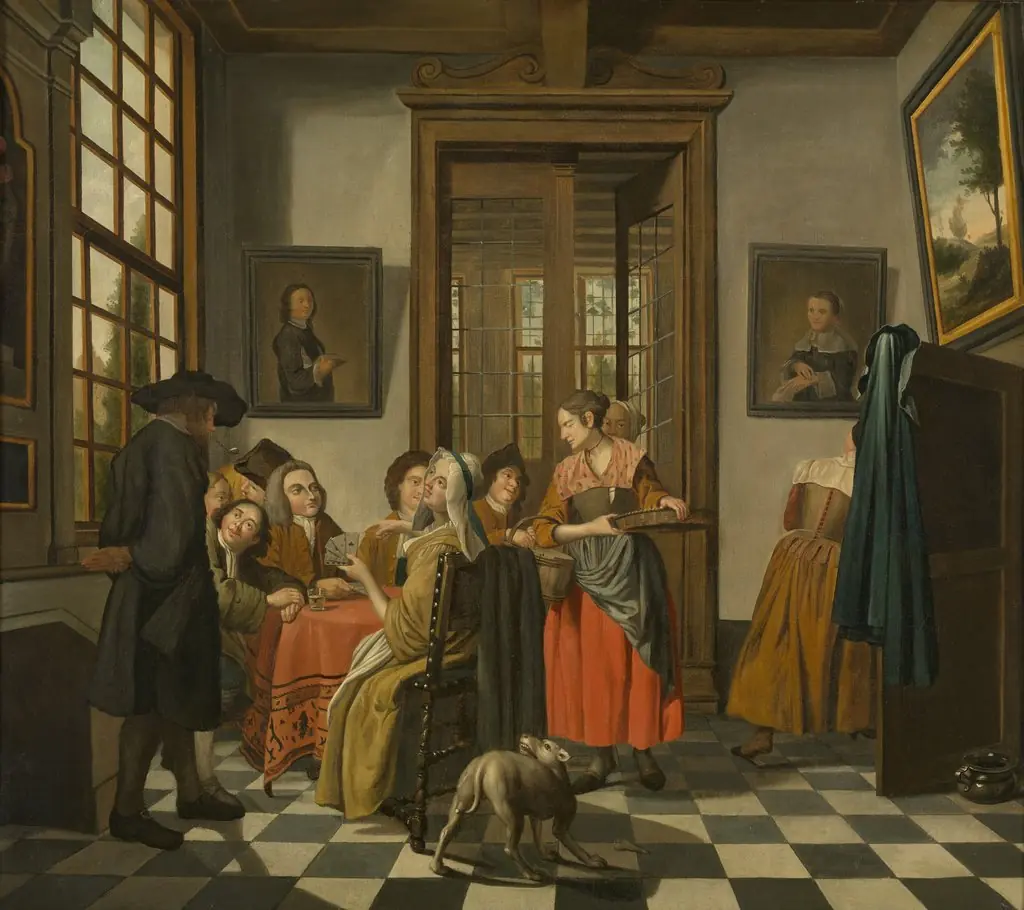
A small group of individuals, dressed in 17th-century attire, gather in a modestly furnished room. Men wear broad-brimmed hats; women are clad in long, layered gowns. Their postures suggest quiet conversation or shared stillness. The scene conveys no overt action, instead emphasizing the dignity of private life. The lighting and arrangement imply a moment of rest after daily labor, reflecting values of domestic harmony.
Technique & Style
The artist employs chiaroscuro to model forms and define space, with light entering from a window on the right casting soft shadows across walls and figures. Details in fabric, woodwork, and wall hangings are rendered with precision, yet without theatricality. The palette is restrained—earthy tones dominate, enhancing the sense of evening stillness. Brushwork is controlled, favoring clarity over expressive flourish.
History & Provenance
The painting has been held by the Museum of Ethnography since at least the early 20th century. Its origins prior to acquisition are undocumented. Unlike many works of the period, it was not commissioned by nobility or the church, suggesting it may have been painted for personal or market purposes. Its survival and preservation reflect later recognition of its quiet cultural value.
Context
Created during the Dutch Golden Age, the work aligns with a growing interest in domestic interiors among middle-class patrons. While contemporaries like Vermeer explored similar themes, this piece lacks overt symbolism or moralizing elements. Its focus on unadorned realism reflects broader societal shifts toward valuing private life, material comfort, and the quiet rhythms of everyday existence.
Legacy
Evening Interior contributes to a broader corpus of 17th-century genre painting that elevated ordinary moments into subjects worthy of artistic attention. Though not widely exhibited or studied, its restrained composition and sensitivity to light offer insight into how non-elite households were visually represented. It remains a quiet testament to the aesthetic potential of the everyday.
Artist & collection

 Domestic Scene
 Giacomo and Cardinal Marco, investing Andrea, Abbot of San Zeno, with his Benefice
 The Nymph of Fontainebleau
 Portrait of a Woman
 Madonna and Child with Saints in the Enclosed Garden
 Venus and Minerva
 Family Group of Four on Sofa
 Wall painting from Room H of the Villa of P. Fannius Synistor at Boscoreale