Artwork
Card Game
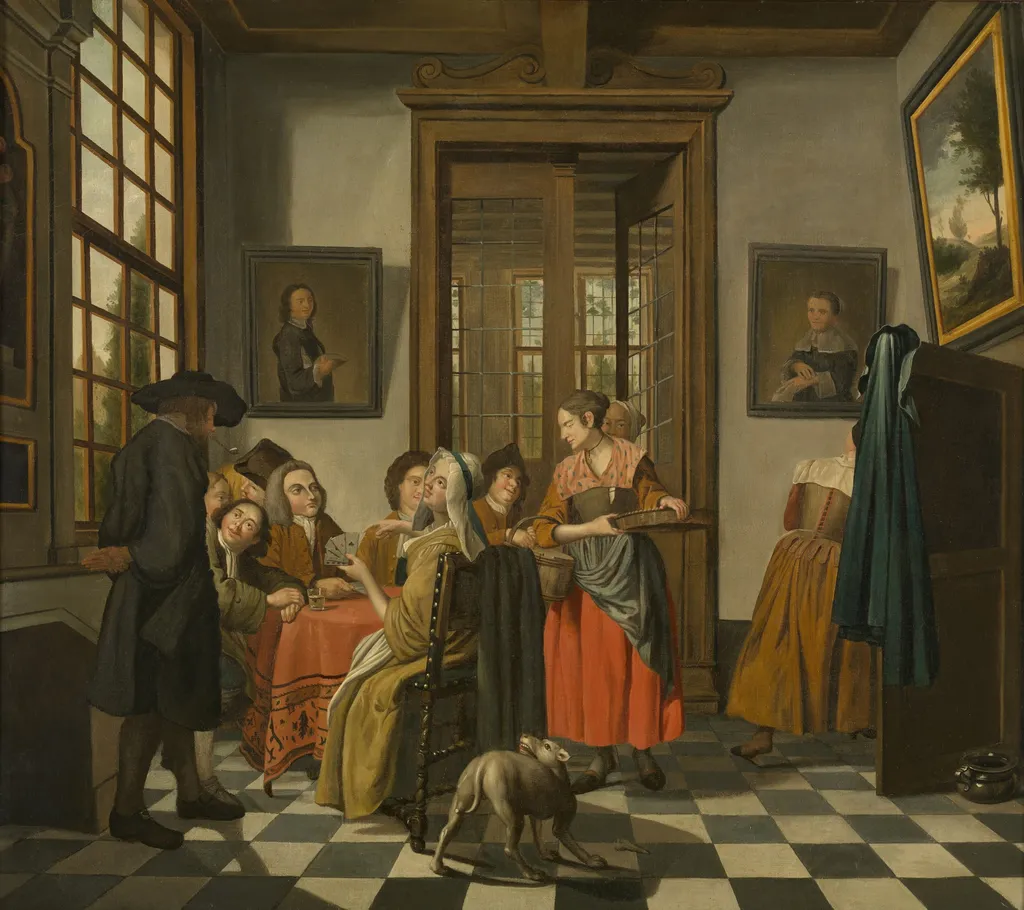
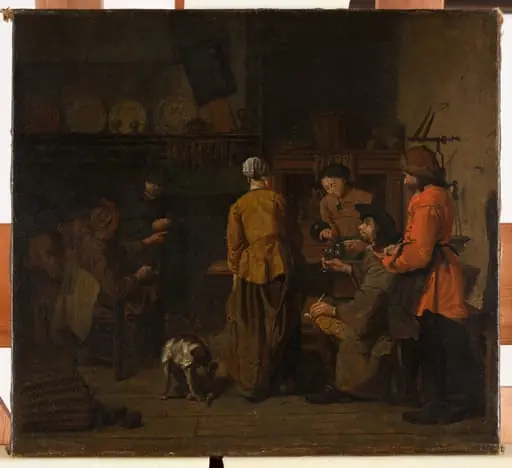
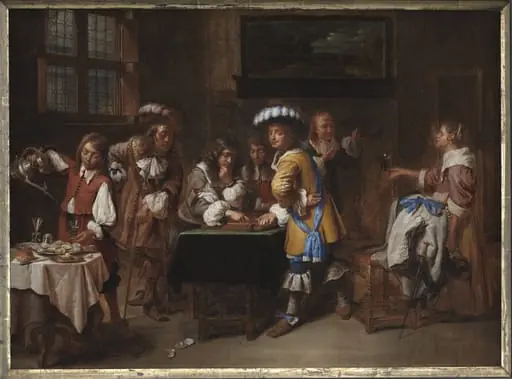
Card Game is an oil painting by Jan Josef Horemans the Younger. It is held in the collection of the Royal Museum of Fine Arts Antwerp.
About this work
Overview
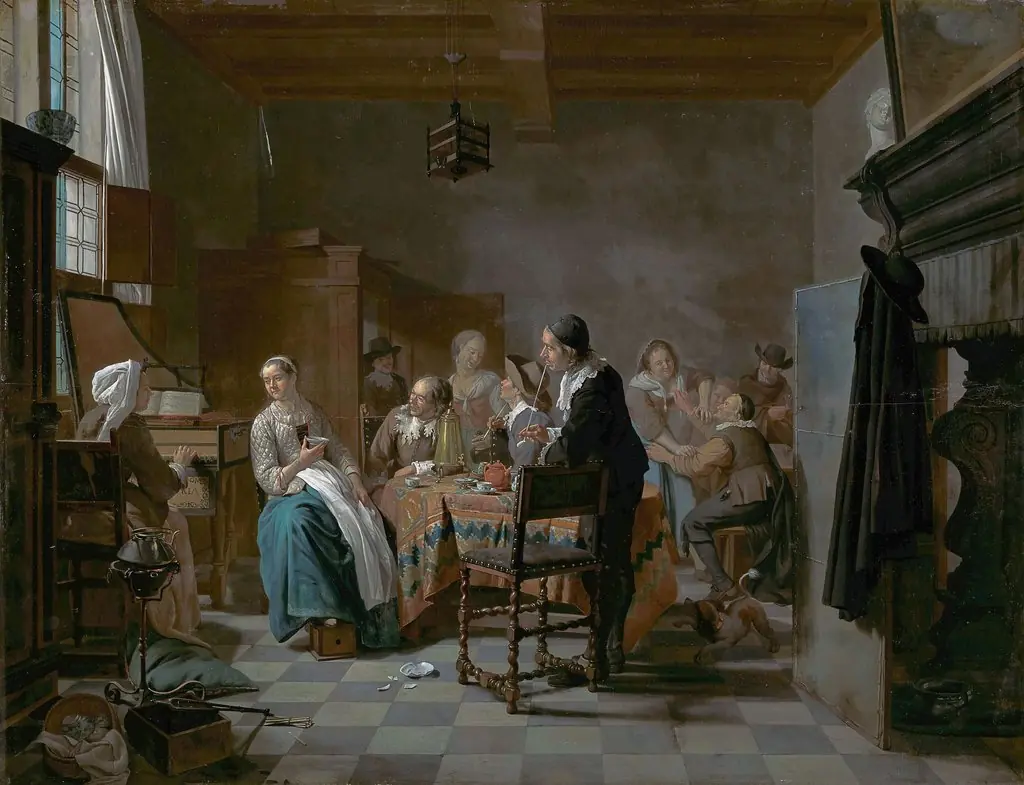
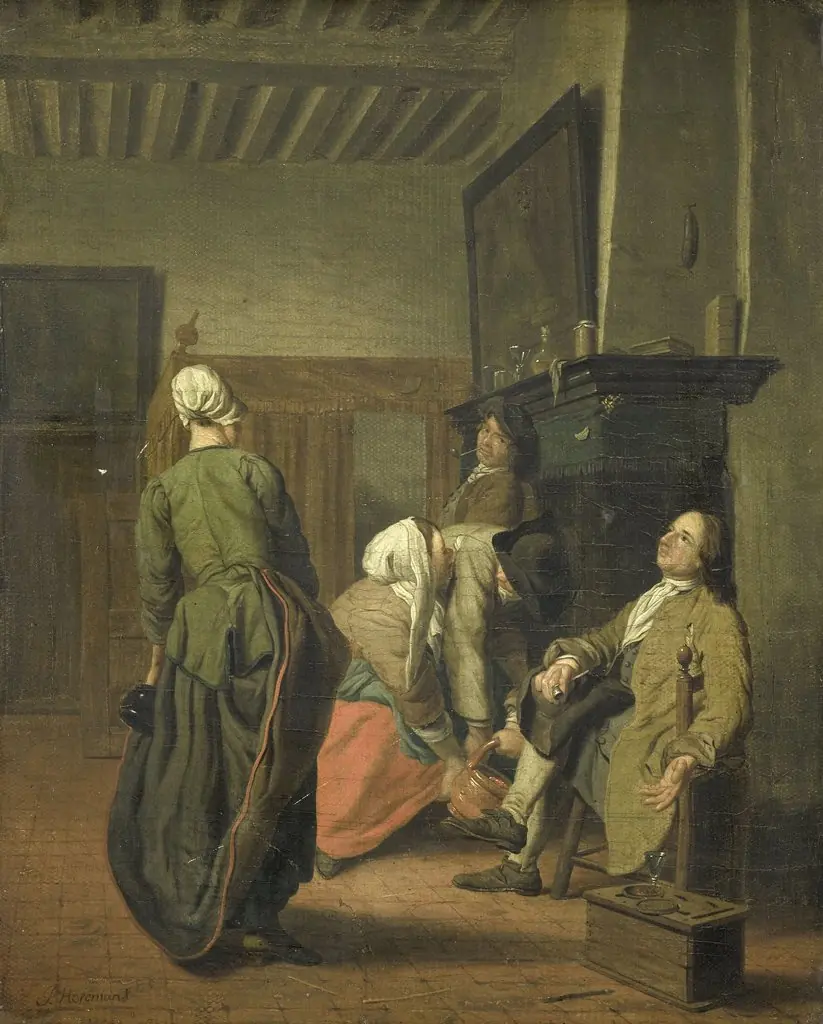
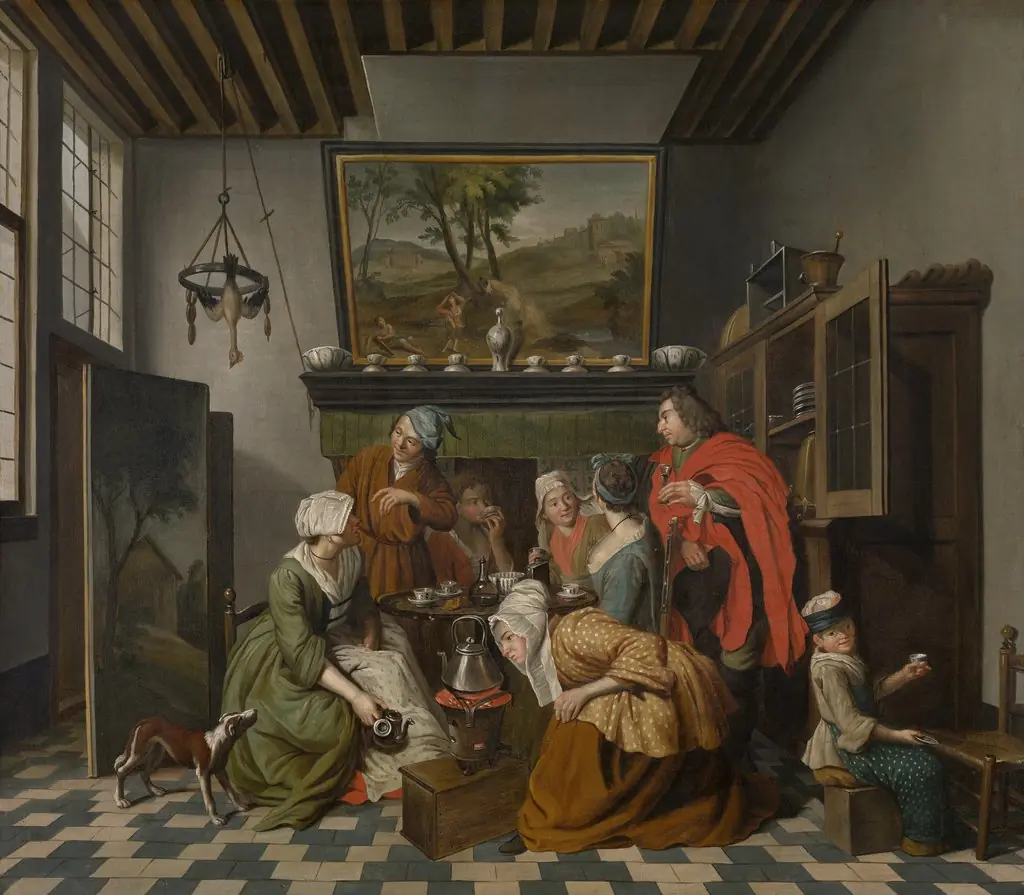
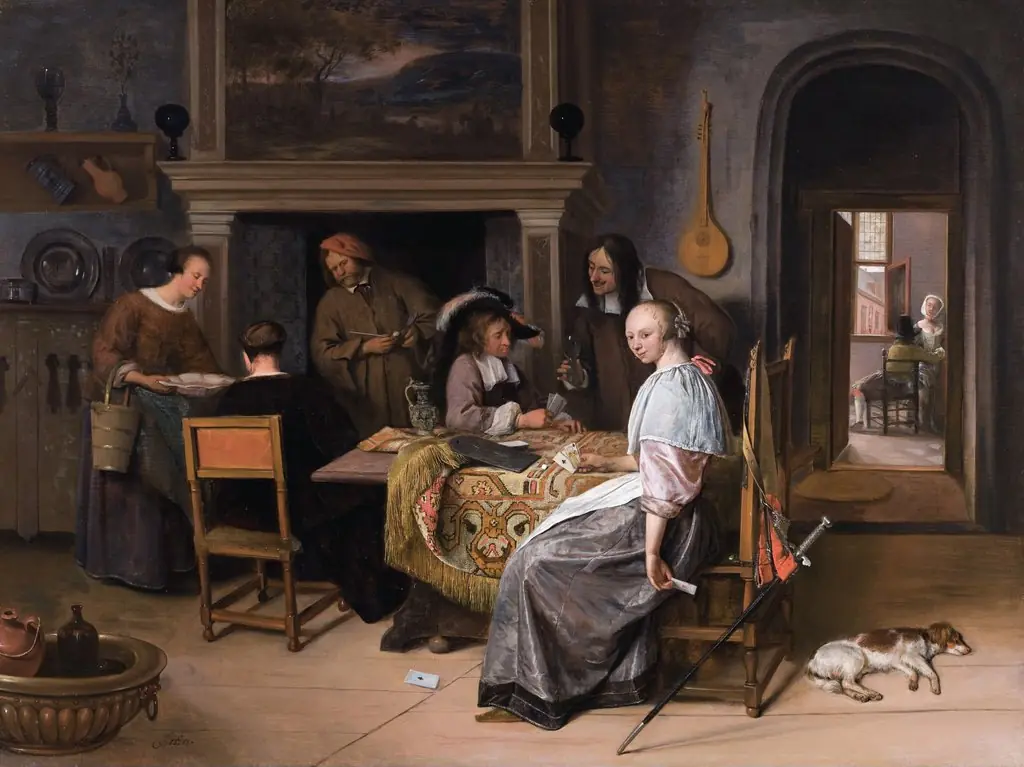
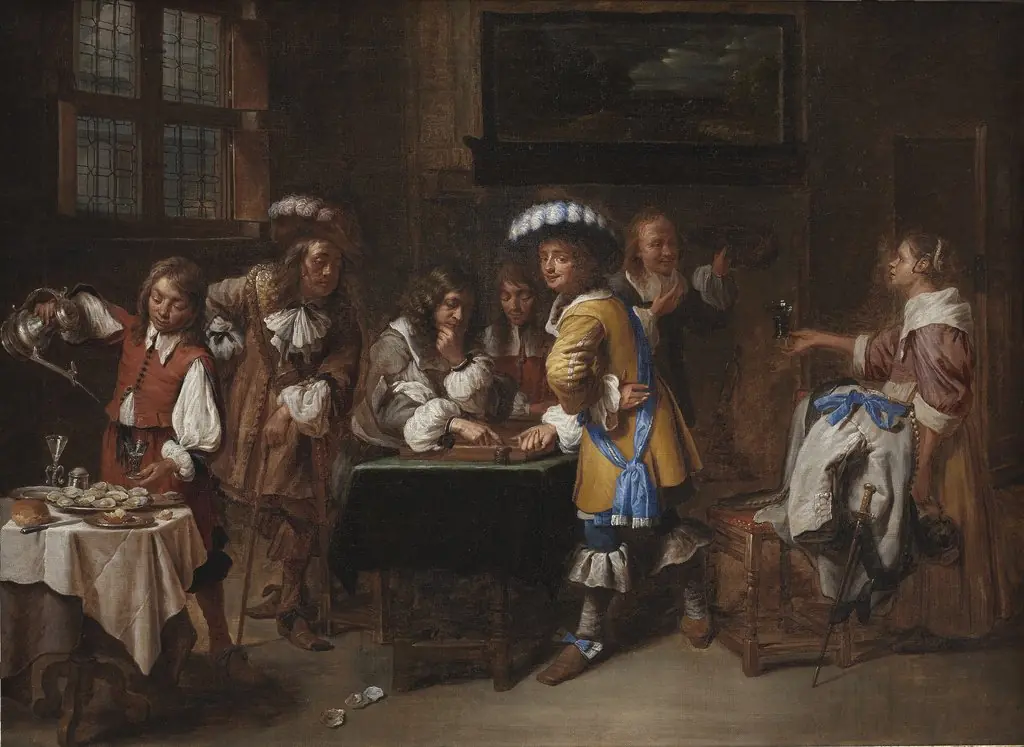
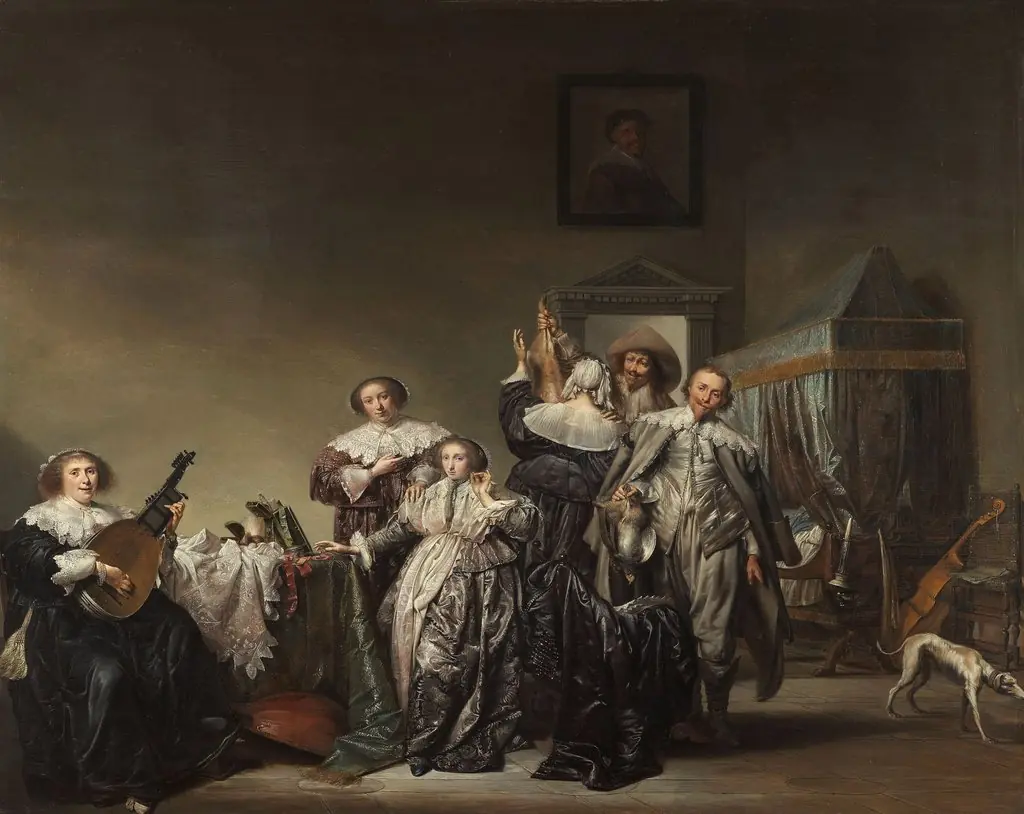
Painted in 1800 by Jan Josef Horemans the Younger, this oil-on-canvas work captures a quiet moment of domestic leisure. Horemans, known for his observations of middle-class life in 18th-century Flanders, portrays a group gathered around a card table. The scene unfolds in a modest interior illuminated by natural light, suggesting an intimate, unidealized setting rather than a formal gathering.
Subject & Meaning
Decorative paintings on the walls imply the family’s cultural awareness, subtly elevating the ordinary into a reflection of refined, if unpretentious, living.
The painting presents a social ritual—card playing—as a window into everyday routines. One woman, reclining with disinterest, contrasts with the focused players, hinting at varied personal engagements within shared spaces. A dog at her feet reinforces the domestic tone. Decorative paintings on the walls imply the family’s cultural awareness, subtly elevating the ordinary into a reflection of refined, if unpretentious, living.
Technique & Style
Horemans employs chiaroscuro to model forms with soft contrasts, lending volume to figures and furnishings without dramatic intensity. Brushwork remains precise yet unobtrusive, favoring clarity over flourish. The composition guides the eye through layered spatial depth: foreground figures, midground activity, and background wall decorations create a sense of inhabited space, grounded in observation rather than theatricality.
History & Provenance
The painting has remained within institutional collections since at least the 19th century, now held by the Royal Museum of Fine Arts Antwerp. Its presence there aligns with the museum’s broader mission to preserve Flemish genre painting from the 17th and 18th centuries. No significant alterations or documented restorations are recorded, preserving its original condition and tonal balance.
Context
In early 19th-century Flanders, genre scenes like this one reflected a growing interest in domestic life among the urban middle class. While grand historical or religious themes still dominated official art, painters like Horemans turned to quieter narratives—games, meals, conversations—as worthy subjects. This shift mirrored broader societal values, where private moments gained cultural resonance.
Legacy
Horemans’ work contributed to a tradition of Flemish genre painting that emphasized authenticity over idealization. Though less celebrated than his 18th-century predecessors, his attention to subtle human behavior and interior detail influenced later realist tendencies in Northern European art. This painting endures as a quiet record of social habits, not as a statement, but as a witness.
Artist & collection
Artist
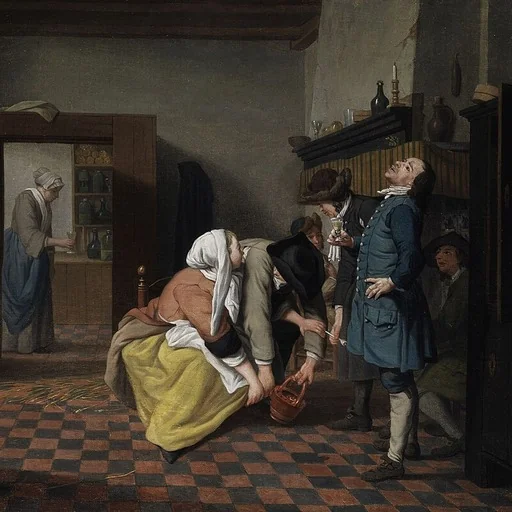
Jan Josef Horemans the Younger
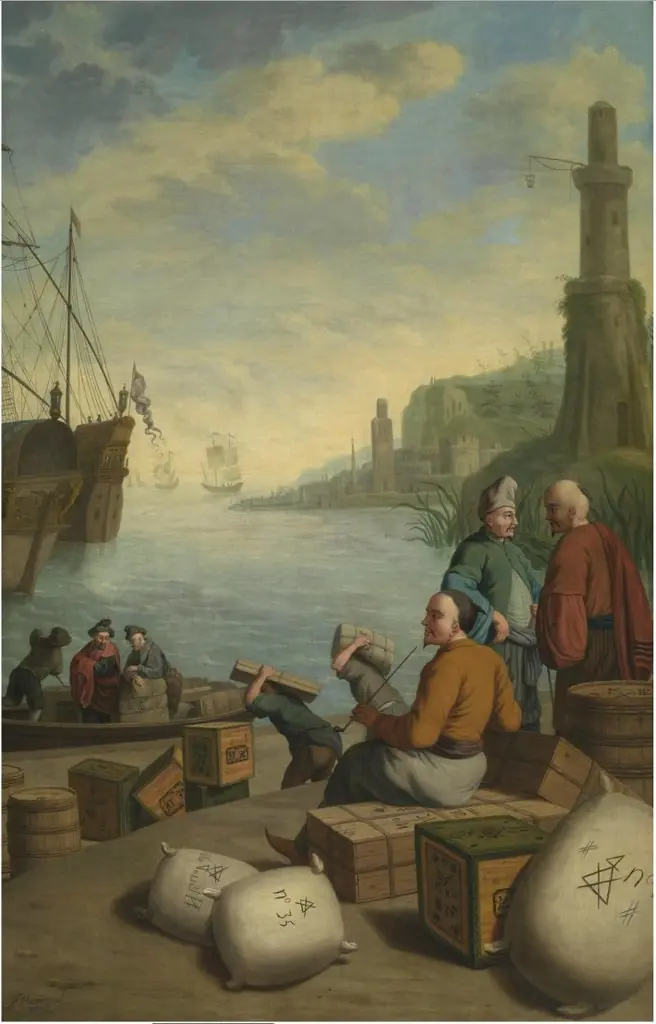
Jan Josef Horemans the Younger (baptised 15 January 1714 – 9 February 1792) was an 18th-century Flemish painter. He is mainly known for his genre scenes but also painted harbor views, equestrian paintings, portraits and still lifes.