Artwork
Landscape at Bruflat in Valdres, Norway
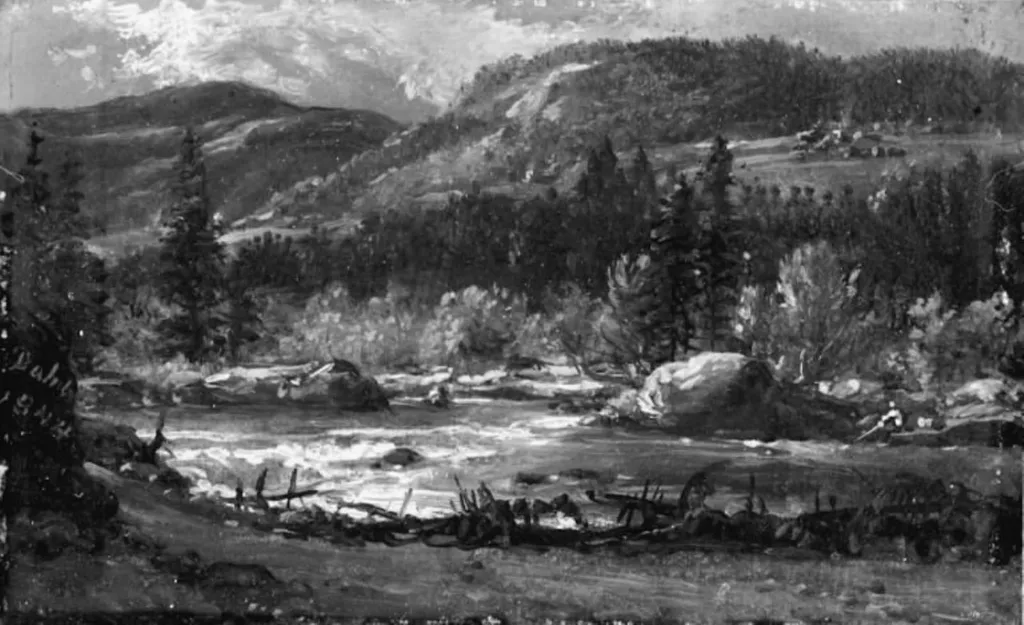
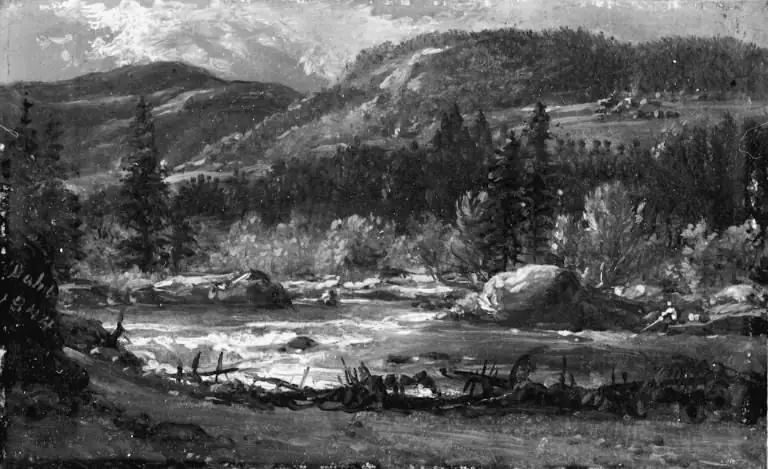
Landscape at Bruflat in Valdres, Norway is an unspecified painting by the Romanticist artist Unknown. It dates from 1844 and is held in the collection of the Statens Museum for Kunst. Painted in 1844, this landscape depicts the rural terrain of Bruflat in Valdres, Norway.
About this work
Overview
Executed in oil on canvas, it captures a quiet, uninhabited stretch of countryside with rolling hills, dense trees, and a winding river.
Painted in 1844, this landscape depicts the rural terrain of Bruflat in Valdres, Norway. Executed in oil on canvas, it captures a quiet, uninhabited stretch of countryside with rolling hills, dense trees, and a winding river. The palette is subdued, dominated by earthy greens and browns, conveying a sense of stillness and solitude. No human or animal figures appear, emphasizing the landscape as the sole subject.
Subject & Meaning
The scene presents nature in its unaltered state, free from human intervention. The arrangement of trees, river, and terrain suggests a contemplative engagement with the land, reflecting a broader 19th-century interest in nature as a site of quiet reverence. The absence of figures invites the viewer to experience the environment directly, without narrative or symbolism, focusing attention on the intrinsic character of the place.
Technique & Style
The artist employs fine brushwork to render texture in foliage, soil, and water, creating a sense of tactile depth. Layers of pigment build subtle variations in tone, enhancing the atmospheric perspective. Dark, muted colors unify the composition, while the foreground’s arrangement of branches adds a tactile, almost sculptural element. The style leans toward detailed realism, avoiding idealization in favor of observed truth.
History & Provenance
The painting was completed in 1844 and entered the collection of the Museum of Ethnography, where it remains today. Its presence in an ethnographic institution, rather than a fine arts museum, suggests an early interest in documenting regional landscapes as cultural or geographic records. The artist’s identity, though recorded as 278_person, remains unverified in public archives.
Context
Created during the height of Romanticism in Northern Europe, the work aligns with a growing cultural emphasis on nature as a source of emotional and spiritual resonance. While not overtly dramatic, its quiet intensity reflects the movement’s shift toward intimate, localized landscapes over grand vistas. In Norway, such scenes contributed to emerging national identity through the celebration of indigenous terrain.
Legacy
Though not widely exhibited outside its current institution, the painting contributes to a body of Nordic landscape art that prioritized authenticity over spectacle. Its preservation in an ethnographic context underscores its role as both aesthetic object and regional document. It remains a quiet example of how 19th-century artists in Norway turned to local scenery as a subject worthy of sustained observation.
Artist & collection

 Domestic Scene
 Giacomo and Cardinal Marco, investing Andrea, Abbot of San Zeno, with his Benefice
 The Nymph of Fontainebleau
 Portrait of a Woman
 Madonna and Child with Saints in the Enclosed Garden
 Venus and Minerva
 Family Group of Four on Sofa
 Wall painting from Room H of the Villa of P. Fannius Synistor at Boscoreale
 Mountain Scenery with a River
 From the Flume House, Franconia, New Hampshire
 Mountain Scenery with a River
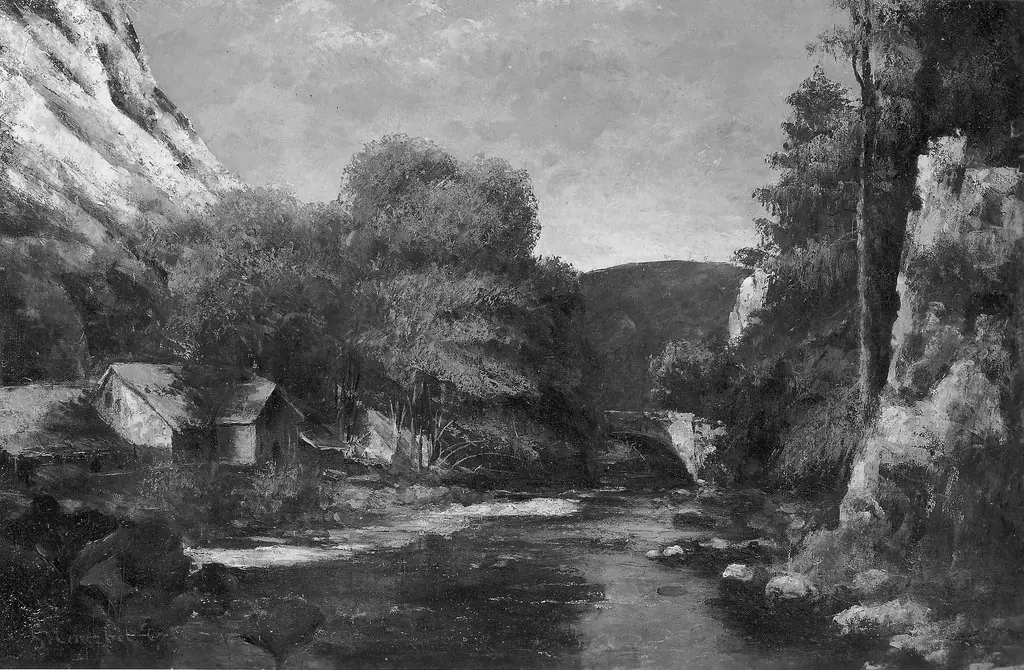 Landscape
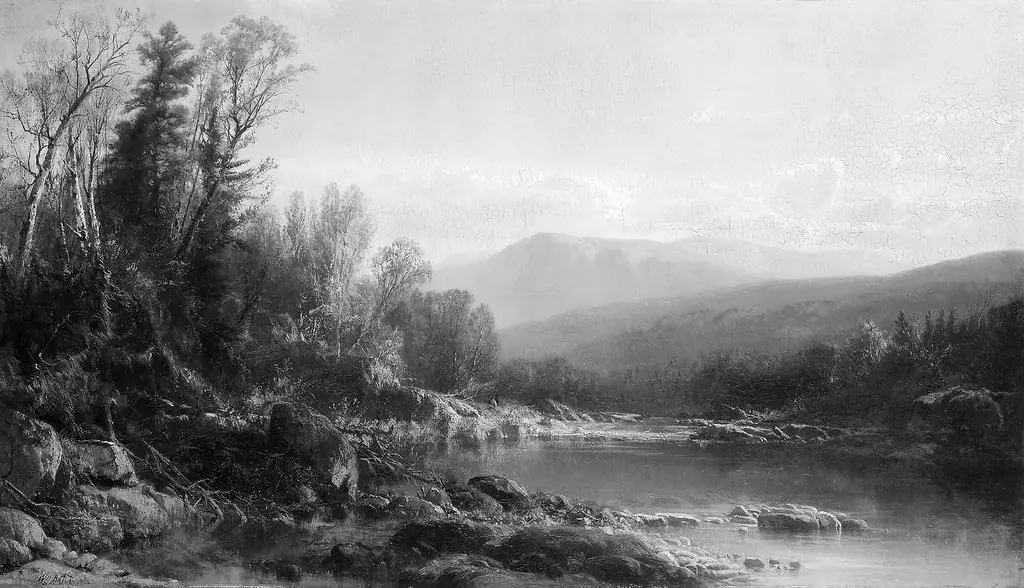 River in Autumn
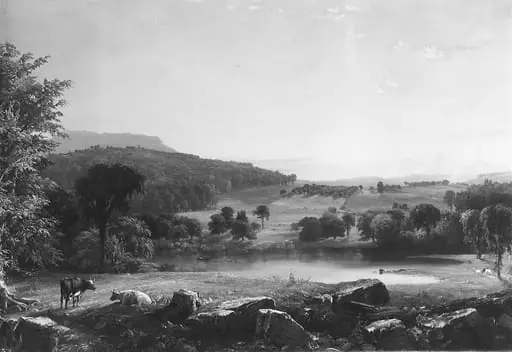 View near Sherburne, Chenango County, New York
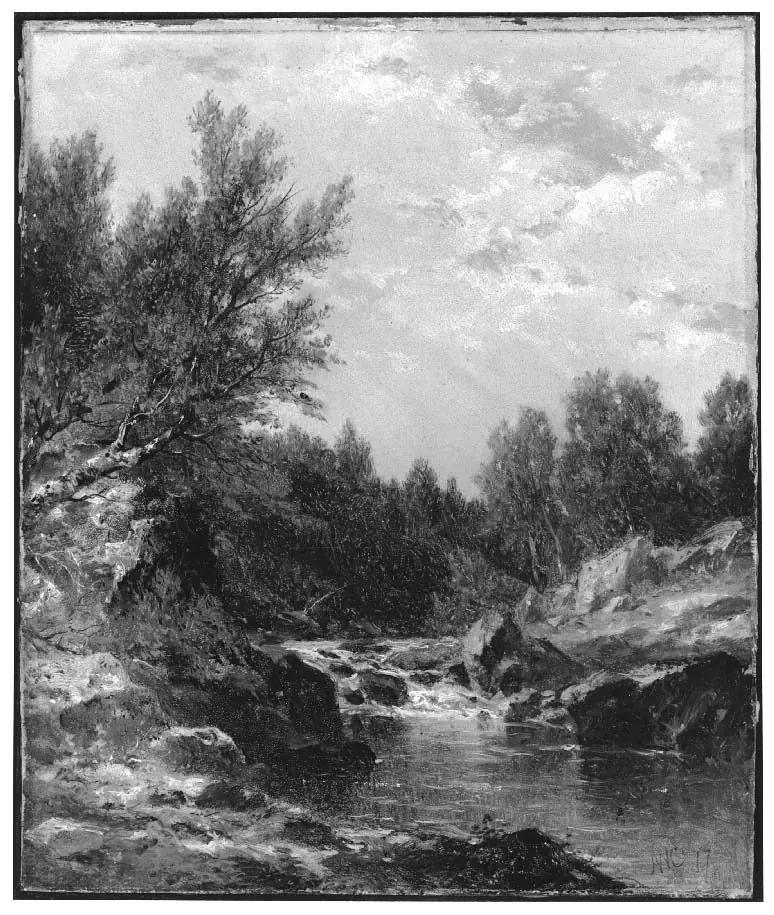 A Mountain Brook
 Landscape with Waterfall and Figures
 Mountain Landscape
 Landscape with a Bog
 View of Valley of the Franconia Mountains, New Hampshire
 Landscape at Bruflat in Valdres, Norway