Artwork
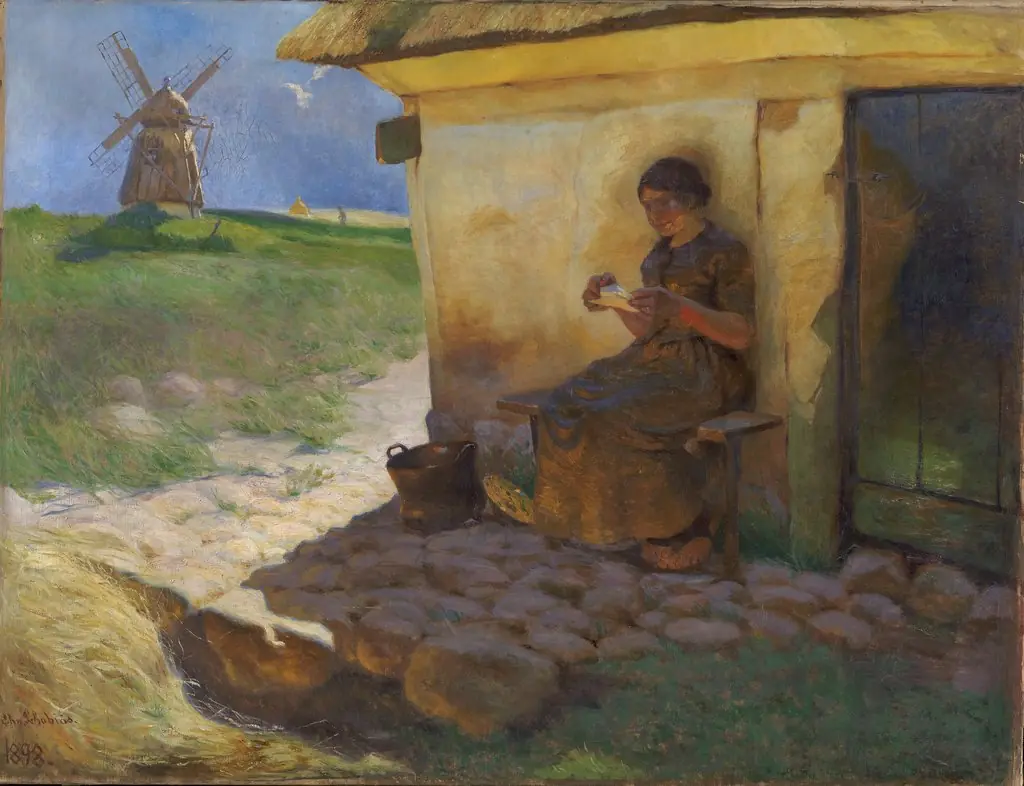
Pige, der læser et brev
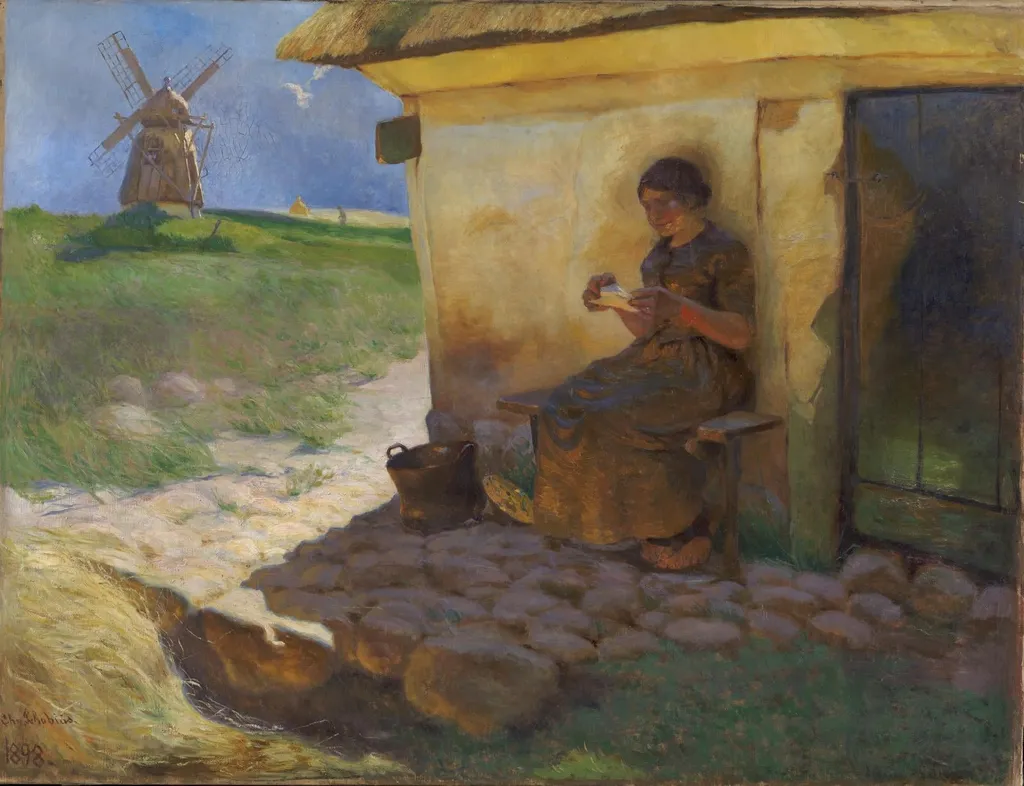
Pige, der læser et brev is a photography by the Impressionist artist Unknown. It dates from 1898 and is held in the collection of the Statens Museum for Kunst. Created in 1898 by the artist identified as 2799_person, this image is part of the collection of the Museum of Ethnography.
About this work
Overview
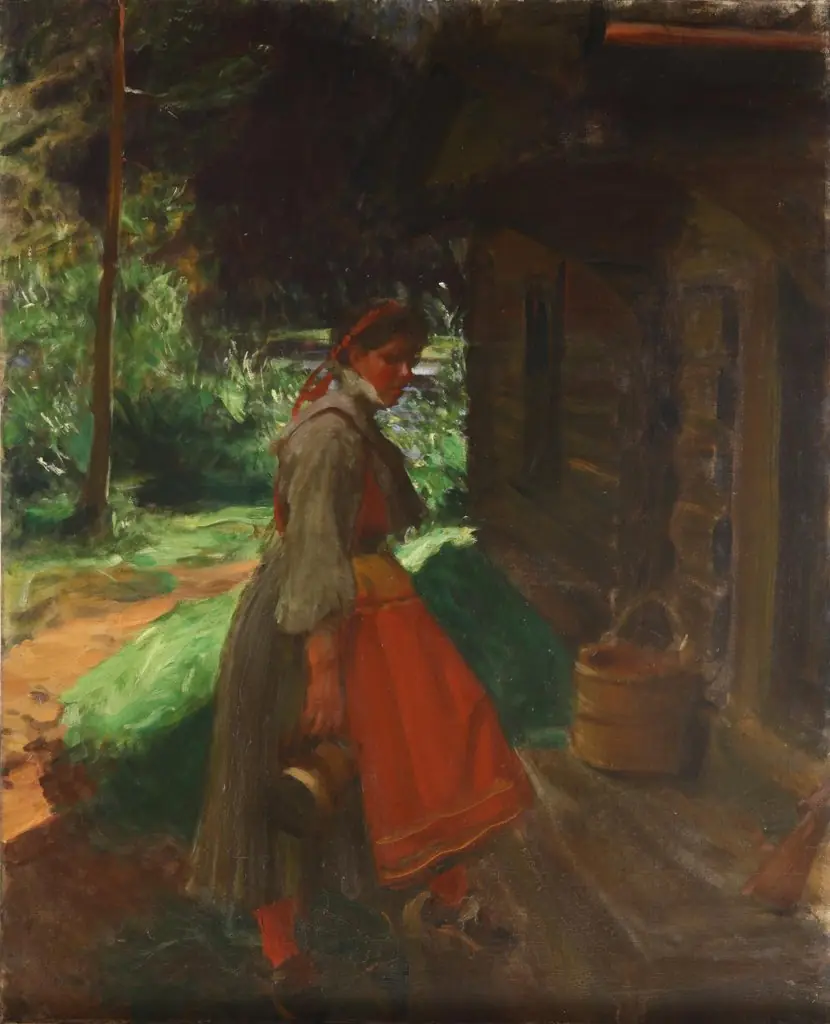
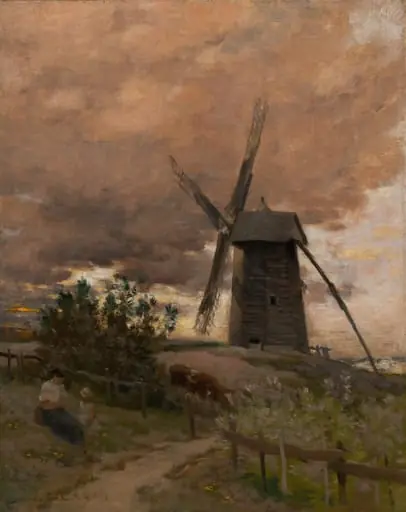
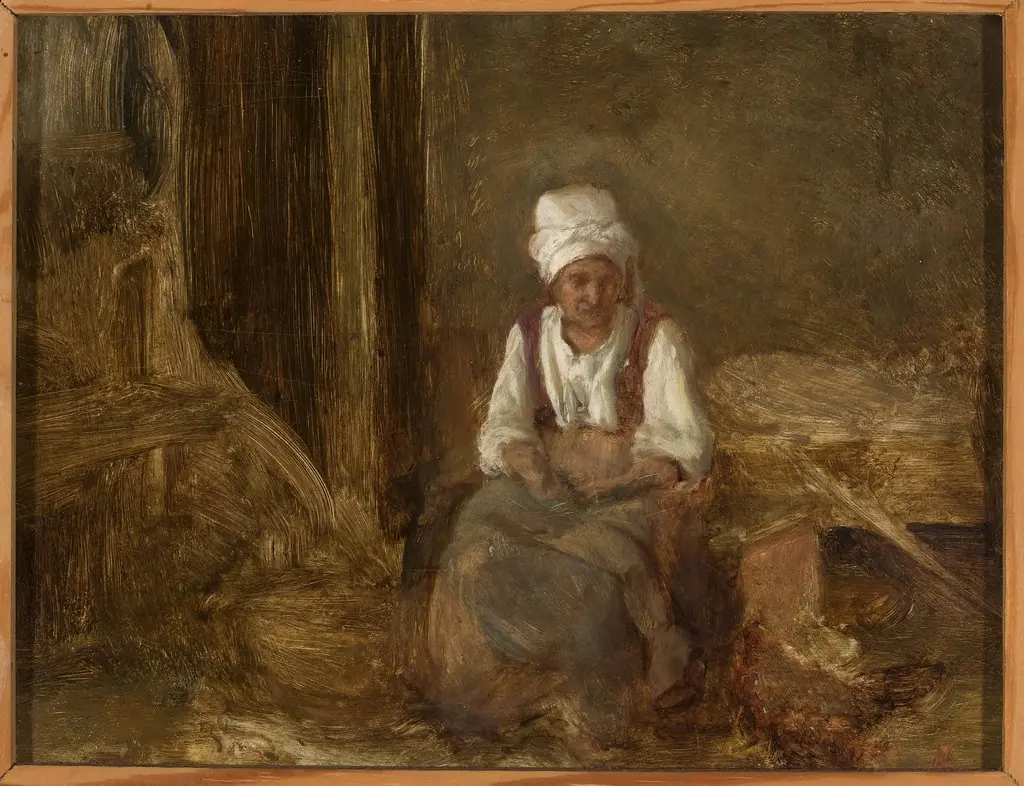
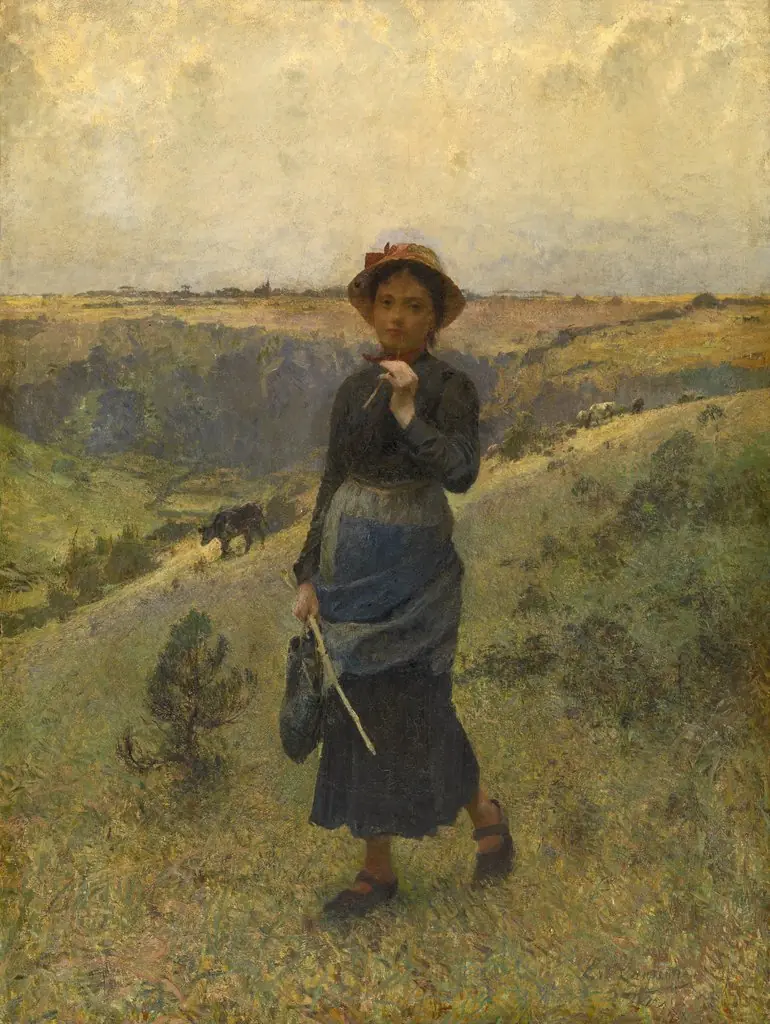
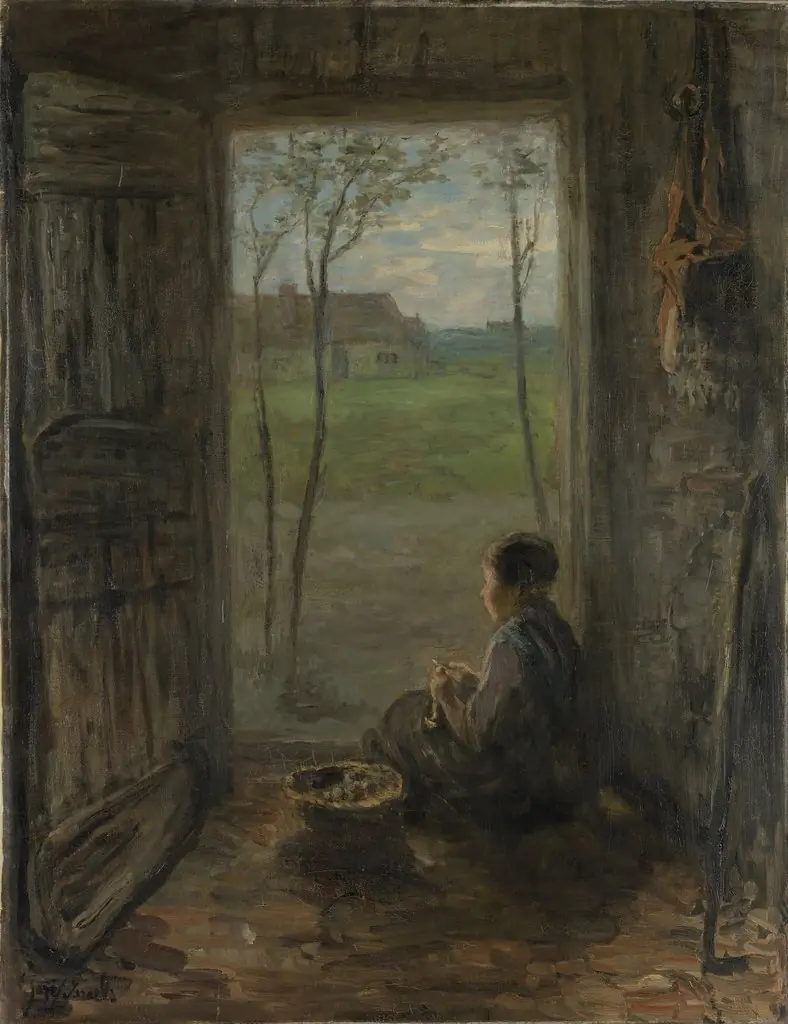
Created in 1898 by the artist identified as 2799_person, this image is part of the collection of the Museum of Ethnography. It depicts a solitary figure inside a modest thatched‑roofed hut, absorbed in a piece of paper, while a windmill rises on a gentle hill beyond the doorway. The composition balances interior intimacy with an open, rural landscape.
Subject & Meaning
The central figure is a young woman seated on the floor, her gaze directed downward at a letter she holds. The act of reading suggests a moment of personal communication, perhaps conveying news or sentiment. The surrounding simplicity of the hut and the distant windmill reinforce a quiet, everyday atmosphere, inviting viewers to contemplate private moments within a broader countryside setting.
Technique & Style
Rendered with a realist sensibility, the work employs clear, unembellished lines to define the rough timber walls and the textured thatch.
Rendered with a realist sensibility, the work employs clear, unembellished lines to define the rough timber walls and the textured thatch. The muted palette emphasizes earth tones, while subtle shading conveys the play of light entering the hut and the open sky beyond. The composition’s straightforward perspective and attention to ordinary detail are characteristic of late‑19th‑century realist painting.
History & Provenance
The piece was produced in 1898 and subsequently entered the holdings of the Museum of Ethnography, where it remains on display. Documentation traces its acquisition to the museum’s early 20th‑century efforts to assemble works illustrating everyday life in rural settings, though specific details of its prior ownership are not recorded.
Context
The image reflects the broader realist movement that sought to portray ordinary subjects without romanticization. By focusing on a domestic interior and a modest agricultural landscape, the work aligns with contemporary interests in documenting the lived experiences of common people, a theme prevalent in Scandinavian art of the period.
Artist & collection

 Domestic Scene
 Giacomo and Cardinal Marco, investing Andrea, Abbot of San Zeno, with his Benefice
 The Nymph of Fontainebleau
 Portrait of a Woman
 Madonna and Child with Saints in the Enclosed Garden
 Venus and Minerva
 Family Group of Four on Sofa
 Wall painting from Room H of the Villa of P. Fannius Synistor at Boscoreale