Artwork
Old woman indoors
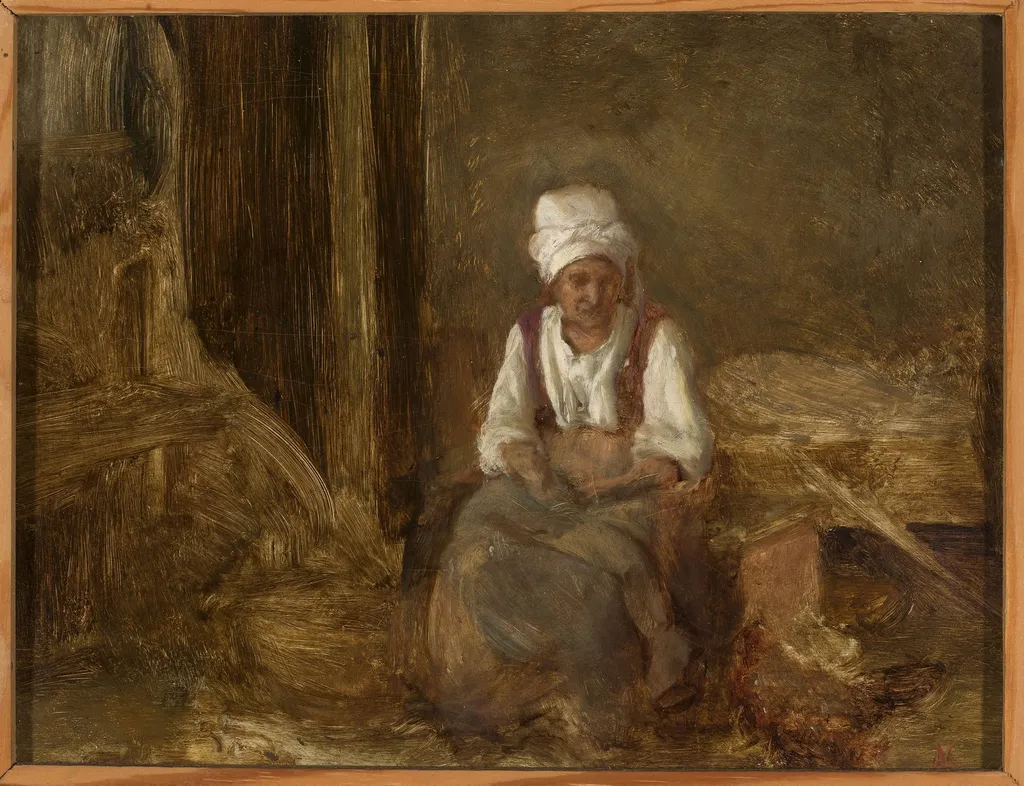
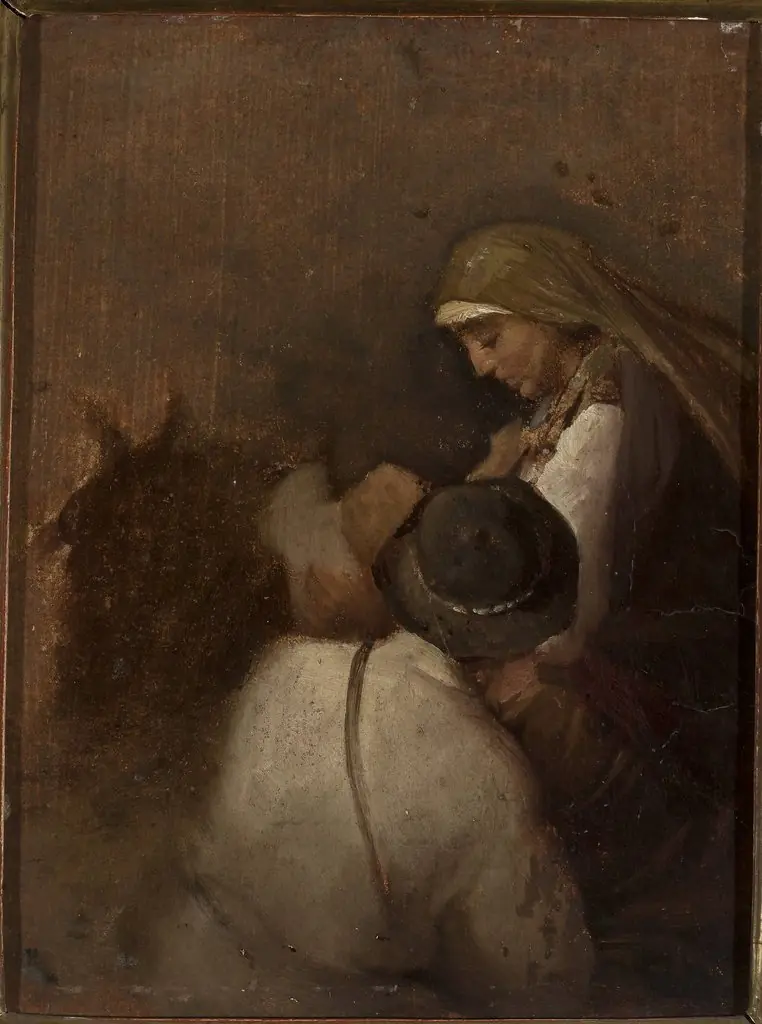
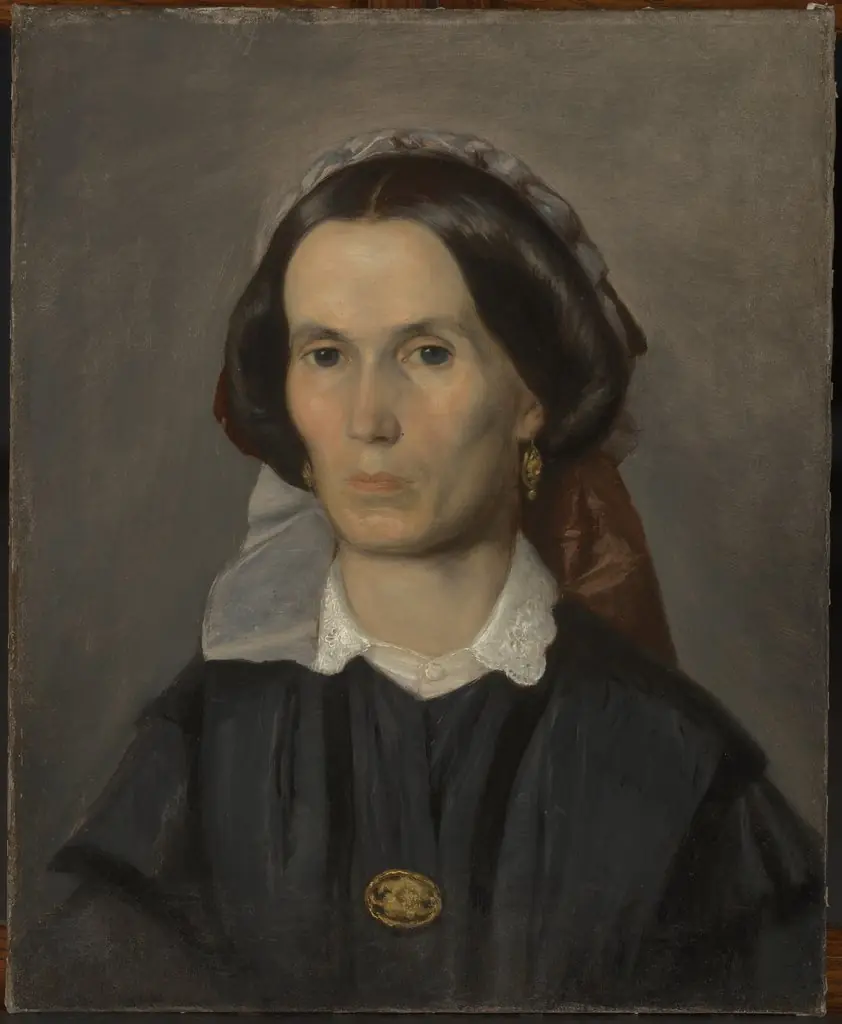
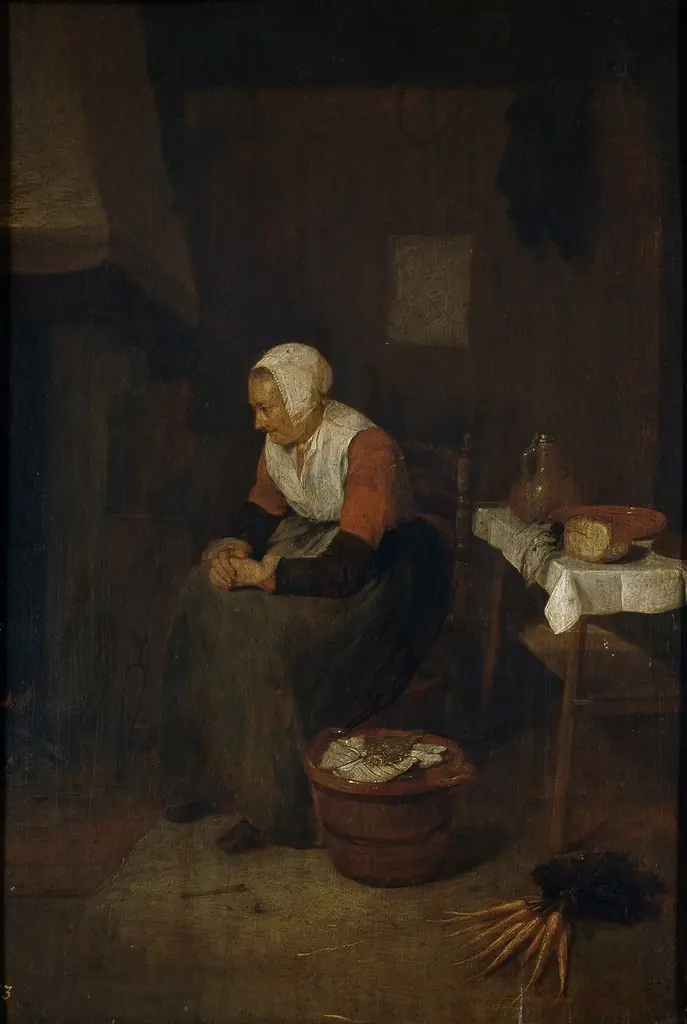
Old woman indoors is an oil painting by Aleksander Kotsis. It dates from 1866 and is held in the collection of the National Museum in Warsaw.
About this work
Overview
Kotsis, active in Kraków during the mid-19th century, focused on intimate genre scenes that bridged Romantic sensibility with Realist observation.
Painted around 1866 by Polish artist Aleksander Kotsis, this small oil-on-canvas work captures a quiet interior moment. Kotsis, active in Kraków during the mid-19th century, focused on intimate genre scenes that bridged Romantic sensibility with Realist observation. The painting’s modest scale and subdued palette reflect his interest in everyday life, avoiding grand narratives in favor of personal stillness.
Subject & Meaning
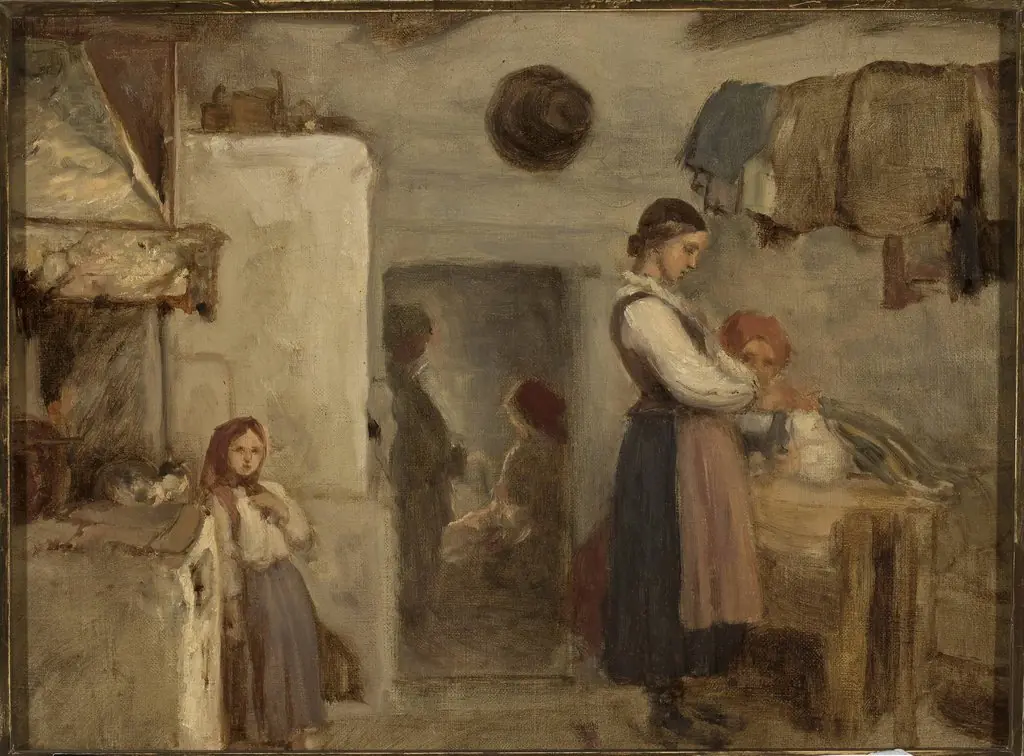
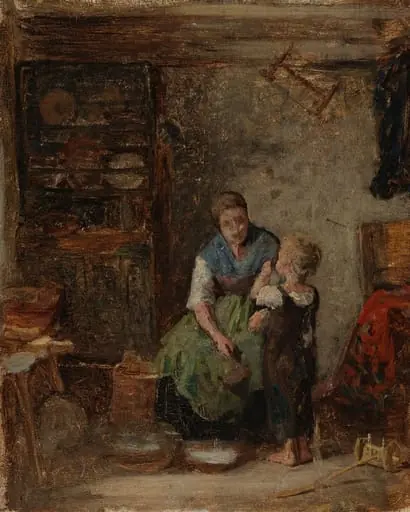
An elderly woman sits alone in a dimly lit room, her hands resting in her lap and her gaze lowered. Her attire—a white headscarf, shirt, and brown vest over a dark skirt—suggests modest means and rural or working-class life. The absence of narrative detail or symbolic objects invites contemplation of solitude and weariness, conveying dignity through restraint rather than emotion.
Technique & Style
Kotsis employed loose, atmospheric brushwork to render the figure against a blurred, indistinct background. The palette is restrained, dominated by earth tones and muted whites, enhancing the somber mood. Light falls softly on the woman’s face and hands, drawing attention to her posture and expression without idealizing her features, aligning with Realist principles of unembellished observation.
History & Provenance
The painting entered the collection of the National Museum in Warsaw, where it remains today. While little is documented about its early ownership, its preservation within a major Polish institution underscores its recognition as a representative work of 19th-century Polish genre painting, reflecting national artistic priorities of the era.
Context
In mid-19th-century Poland, artists like Kotsis turned to domestic and rural subjects amid political suppression and cultural fragmentation. Genre scenes offered a subtle means of preserving national identity through depictions of ordinary life. This work aligns with broader European Realist trends but retains a distinctly Polish sensitivity to quiet, unremarked existence.
Legacy
Though not widely exhibited outside Poland, the painting contributes to the understanding of Kotsis’s role in shaping Polish Realism. Its quiet intensity influenced later generations interested in portraying marginalized lives without sentimentality. It endures as a quiet testament to the dignity found in stillness and solitude.
Artist & collection
Artist
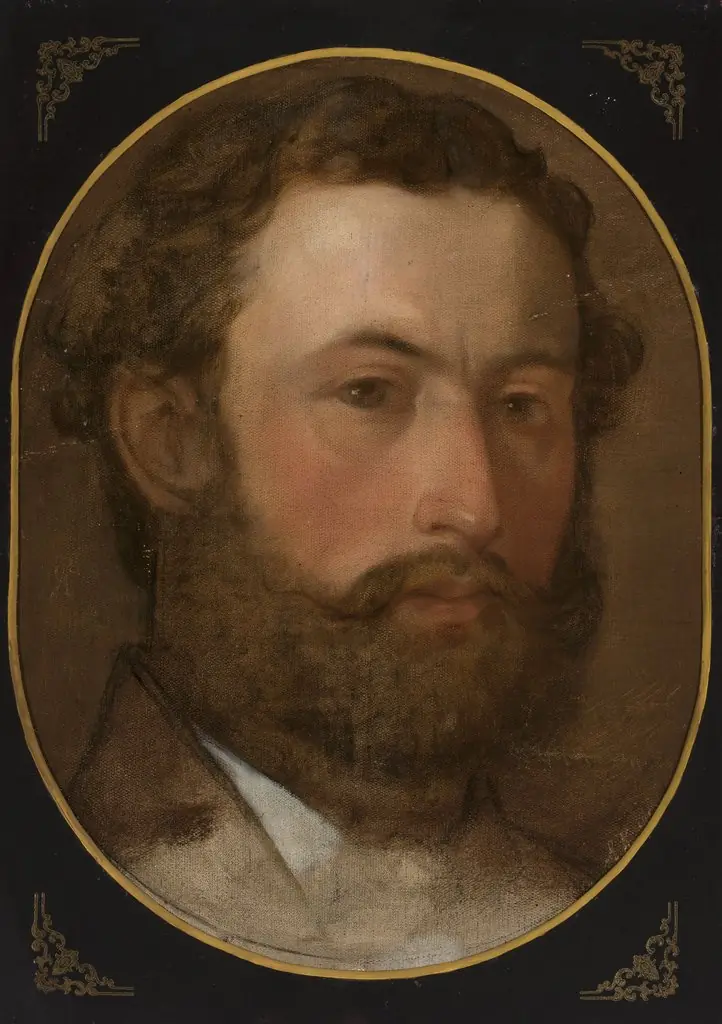
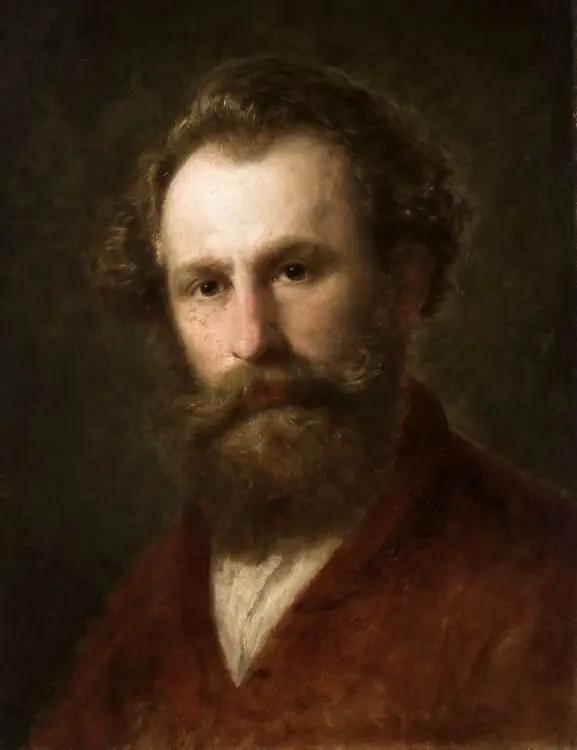
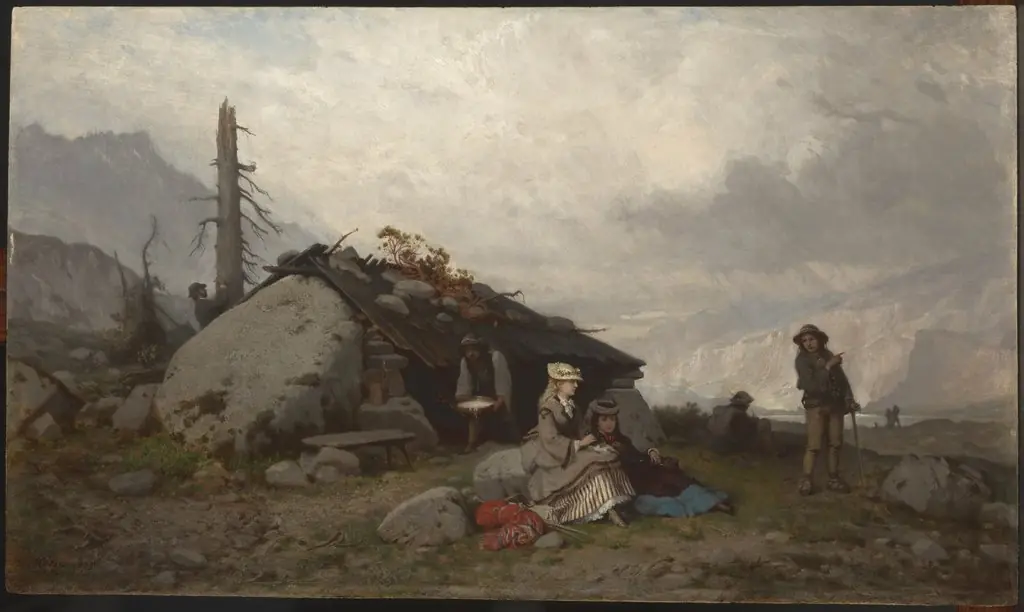
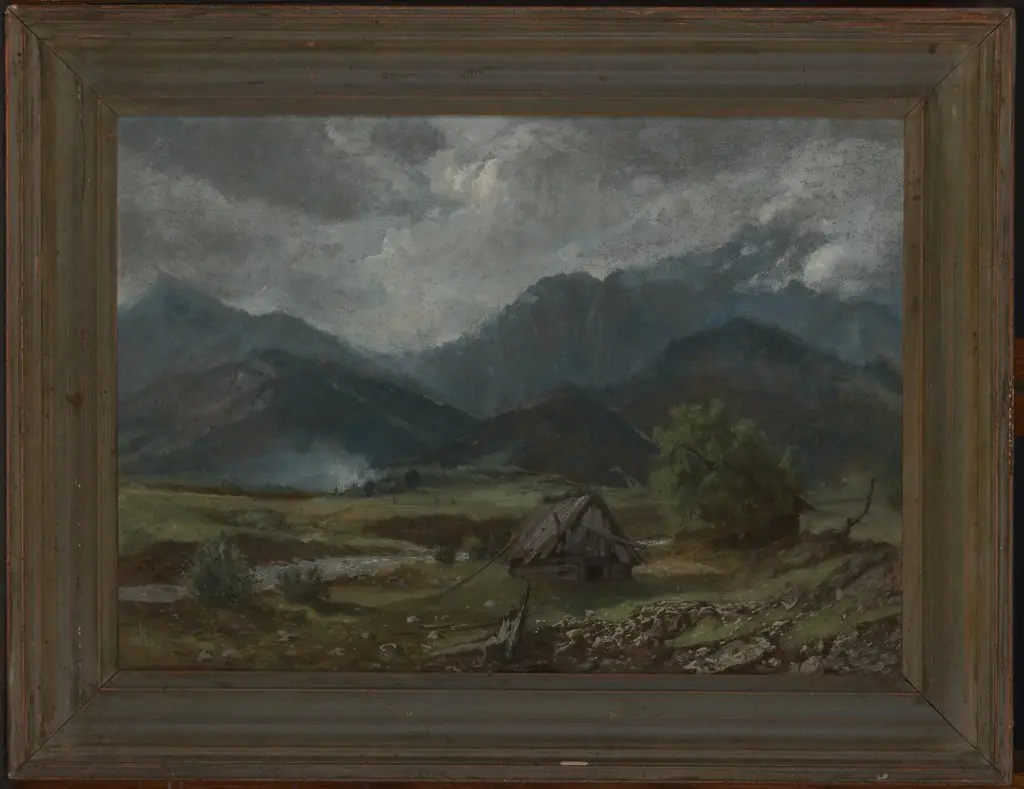
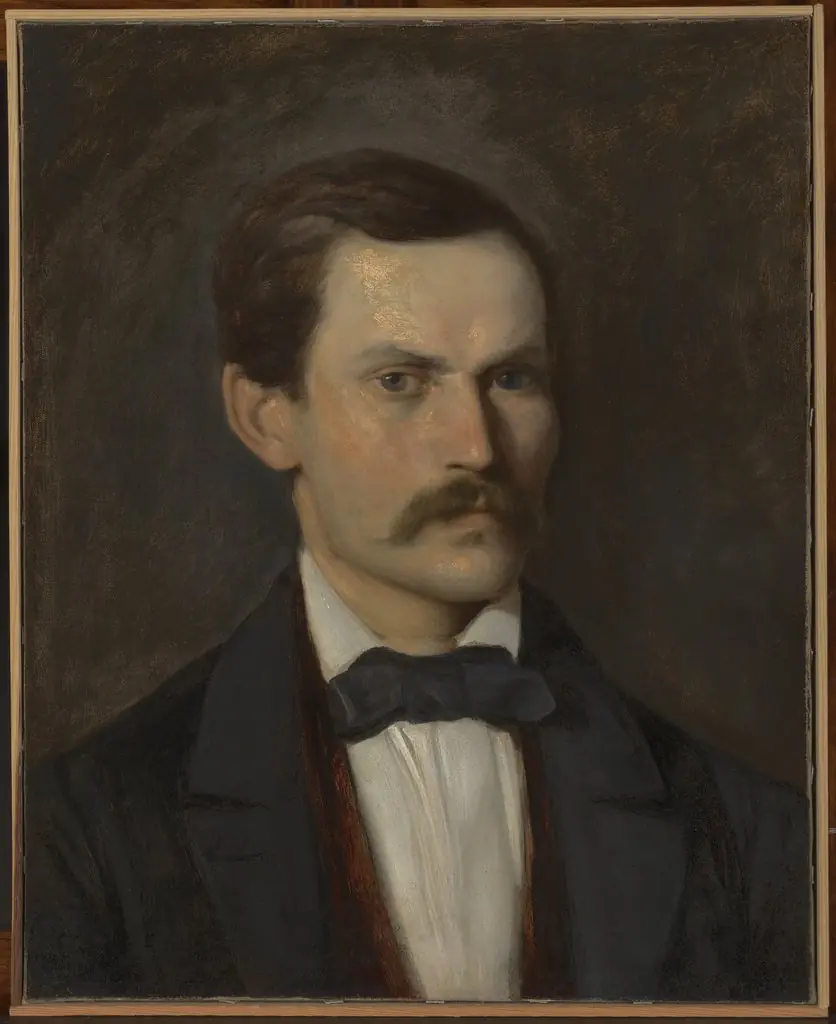
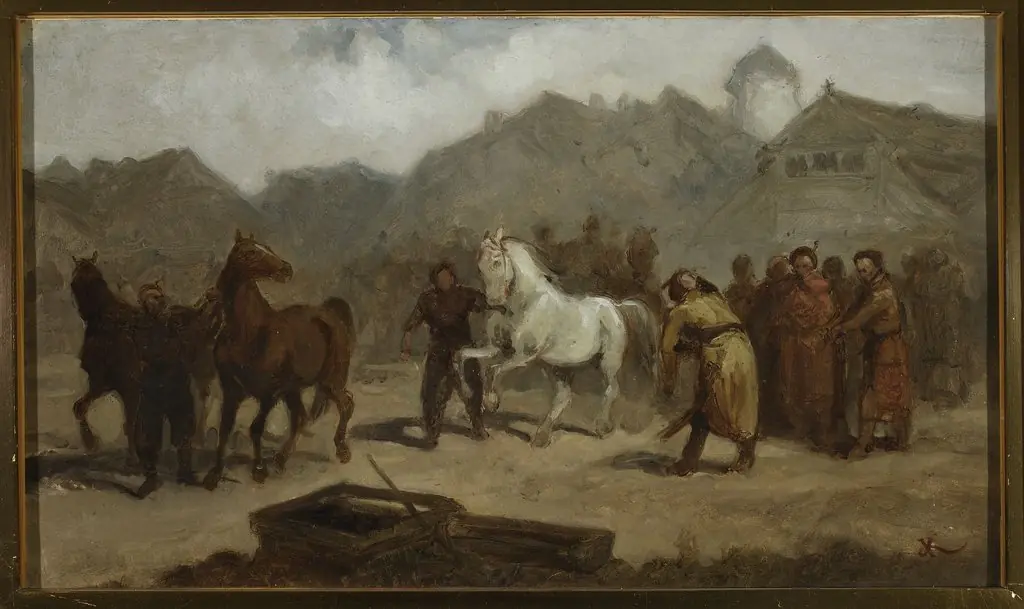
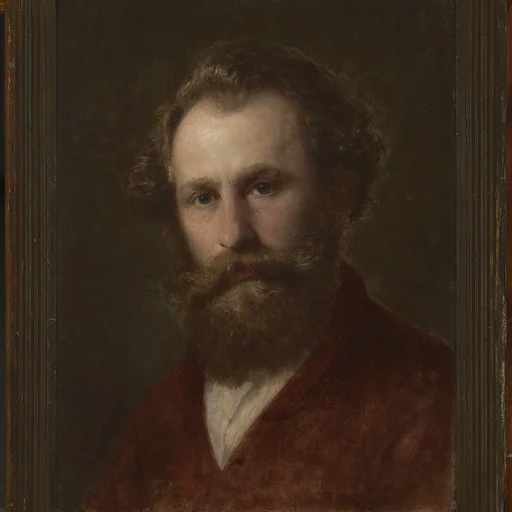
Aleksander Kotsis (30 May 1836 – 7 August 1877) was a Polish painter. He created landscapes, portraits, and genre scenes in a combination Romantic and Realistic style. Most of his paintings are small. He was born and died in Kraków.