Artwork
Bjergsø på St. Jan
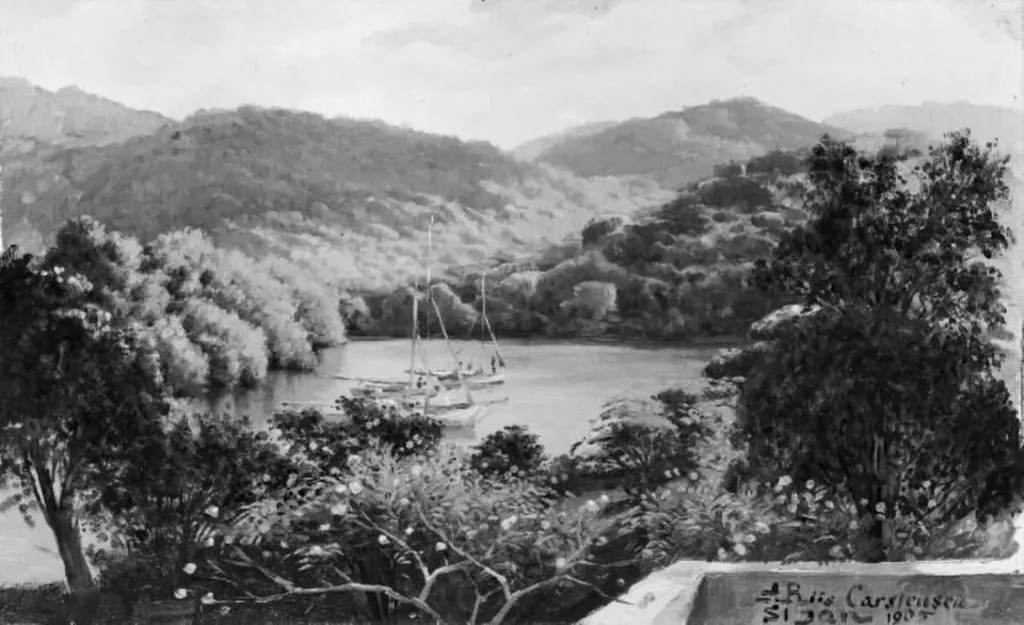
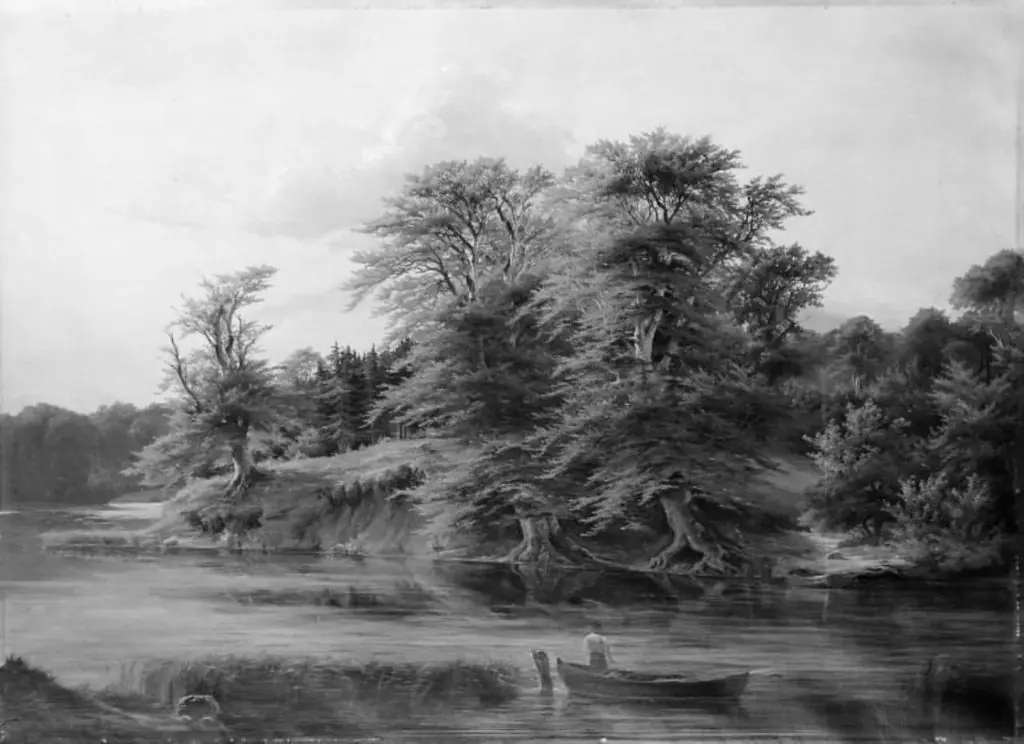
Bjergsø på St. Jan is a photography by Unknown. It dates from 1905 and is held in the collection of the Statens Museum for Kunst. Created in 1905, Bjergsø på St.
About this work
Overview
Unlike painted landscapes of the period, this piece uses the photographic medium to capture subtle tonal variations in light and shadow.
Created in 1905, Bjergsø på St. Jan is a photographic landscape depicting a quiet Danish lake scene. The work is part of the Museum of Ethnography’s collection and reflects early 20th-century interest in natural environments as subjects of artistic documentation. Unlike painted landscapes of the period, this piece uses the photographic medium to capture subtle tonal variations in light and shadow.
Subject & Meaning
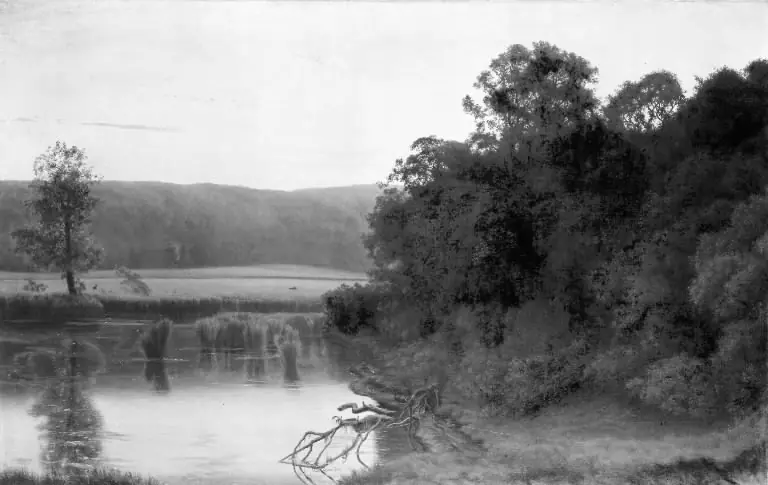
The image presents a tranquil lakeside view with gently rolling hills, scattered trees, and a few small boats resting on the water. Foreground vegetation, including bushes and wildflowers, grounds the composition in tactile detail. The absence of human figures and the muted palette suggest an emphasis on solitude and the quiet rhythm of nature, aligning with contemporary Nordic ideals of harmony with the land.
Technique & Style
Executed in black and white, the photograph relies on contrast and texture rather than color to convey depth and mood. The photographer employed careful exposure to render the reflective surface of the lake and the soft gradations of foliage. The composition follows a classical landscape structure, with horizontal bands of water, land, and sky creating a sense of calm balance.
History & Provenance
The work was acquired by the Museum of Ethnography shortly after its creation, likely as part of a broader effort to document Scandinavian natural environments. Its inclusion in an ethnographic institution, rather than a fine arts museum, suggests an interest in the cultural relationship between people and landscape, though no direct human activity is depicted.
Context
In early 1900s Denmark, photography was increasingly recognized as a legitimate medium for artistic expression. Artists and scholars turned to the camera to record rural and natural scenes, often as a response to industrialization. Bjergsø på St. Jan fits within this trend, reflecting a desire to preserve and contemplate untouched landscapes.
Legacy
The photograph remains a quiet example of early Nordic photographic landscape practice. While not widely exhibited outside institutional collections, it contributes to the historical record of how nature was visually interpreted during a period of cultural transition. Its preservation underscores the value placed on environmental observation through the lens.
Artist & collection

 Domestic Scene
 Giacomo and Cardinal Marco, investing Andrea, Abbot of San Zeno, with his Benefice
 The Nymph of Fontainebleau
 Portrait of a Woman
 Madonna and Child with Saints in the Enclosed Garden
 Venus and Minerva
 Family Group of Four on Sofa
 Wall painting from Room H of the Villa of P. Fannius Synistor at Boscoreale