Artwork
Norwegian Scenery
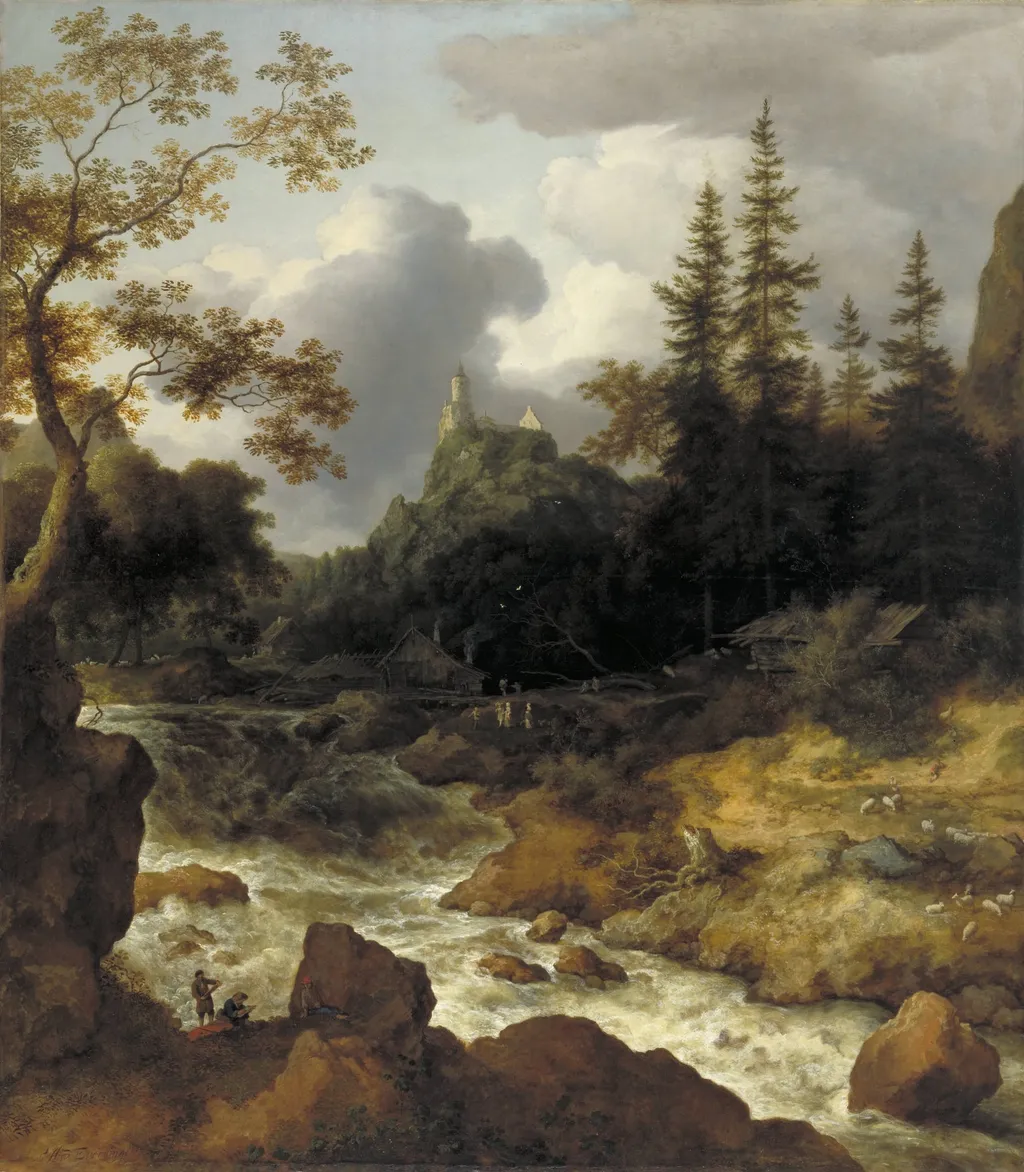
Norwegian Scenery is a photography by Unknown. It dates from 1650 and is held in the collection of the Statens Museum for Kunst. Created around 1650, this landscape depicts a rugged Norwegian river valley, rendered in oil on panel.
About this work
Overview
The composition emphasizes the scale of nature over human presence, with a narrow bridge and distant cabin suggesting quiet habitation amid untamed terrain.
Created around 1650, this landscape depicts a rugged Norwegian river valley, rendered in oil on panel. It is part of the collection at the Museum of Ethnography. The composition emphasizes the scale of nature over human presence, with a narrow bridge and distant cabin suggesting quiet habitation amid untamed terrain. The atmosphere is subdued, evoking a sense of stillness despite the movement of water and wind.
Subject & Meaning
The scene portrays a remote stretch of Norwegian wilderness, where a swift river carves through dense forest and rocky outcrops. Human figures are minimized, appearing as mere observers rather than dominators of the landscape. This framing suggests a contemplative relationship between people and nature, reflecting a cultural awareness of nature’s enduring power and quiet majesty.
Technique & Style
The artist employed a restrained palette of moss greens, earthy browns, and pale blues to convey atmospheric depth. Soft transitions between light and shadow, without harsh contrasts, create a hazy, luminous effect. Brushwork is delicate, particularly in rendering foliage and water, contributing to a tranquil, almost meditative mood. Light filters through clouds with subtle gradations, enhancing the sense of quiet realism.
History & Provenance
The painting’s early history is undocumented, but it entered the Museum of Ethnography’s collection in the late 19th century. Its attribution to a specific artist remains uncertain, though stylistic elements align with Nordic landscape traditions of the mid-17th century. It was likely acquired during a period of increased interest in regional folk and natural scenes by European collectors.
Context
In mid-17th century Scandinavia, landscape painting was emerging as a distinct genre, often tied to local identity and topographical documentation. Unlike grand European vistas, Nordic scenes favored intimate, unidealized views of wilderness. This work reflects a growing regional appreciation for natural environments as subjects worthy of artistic attention, separate from religious or mythological themes.
Legacy
Though not widely known outside Nordic art circles, the painting contributes to an understudied tradition of early Scandinavian landscape representation. Its quiet realism influenced later 19th-century Nordic painters who sought to capture the emotional resonance of their homeland’s terrain. The work remains a quiet testament to the aesthetic value placed on solitude and natural order in early modern Northern Europe.
Artist & collection

 Domestic Scene
 Giacomo and Cardinal Marco, investing Andrea, Abbot of San Zeno, with his Benefice
 The Nymph of Fontainebleau
 Portrait of a Woman
 Madonna and Child with Saints in the Enclosed Garden
 Venus and Minerva
 Family Group of Four on Sofa
 Wall painting from Room H of the Villa of P. Fannius Synistor at Boscoreale
 Mountain Landscape with Waterfall
 The Waterfall before the Mountain Castle
 A waterfall
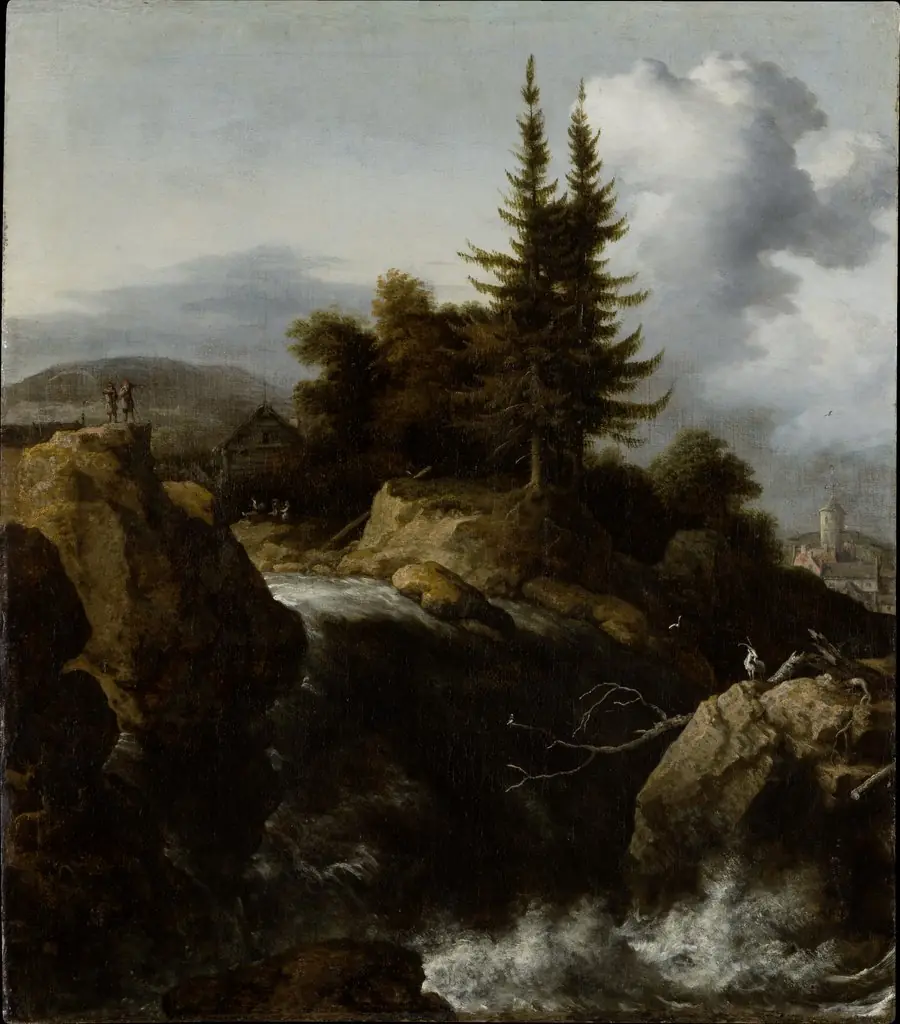 Landscape with Waterfall
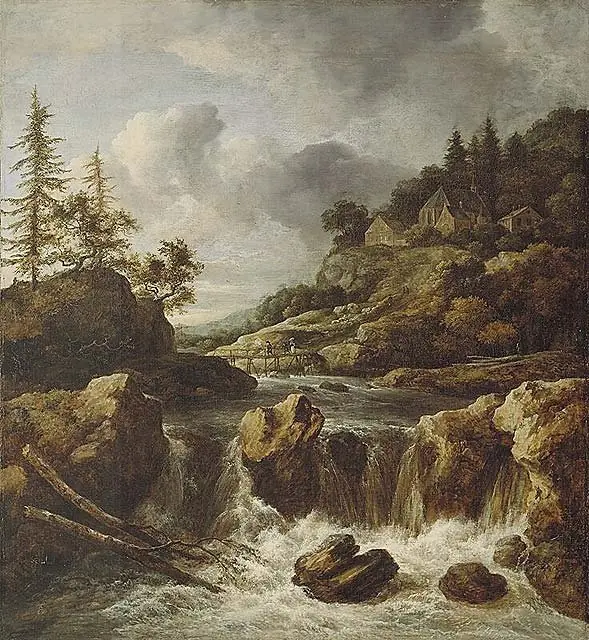 A Waterfall with village, footbridge and pine trees
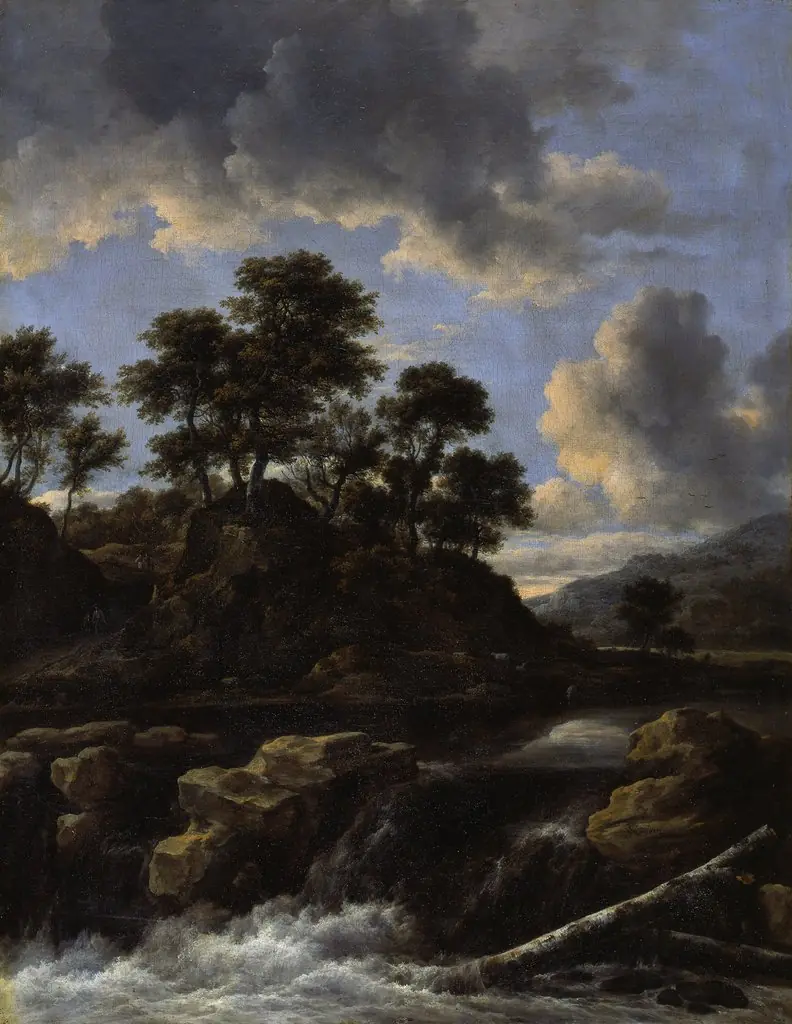 Waterfall at sunset
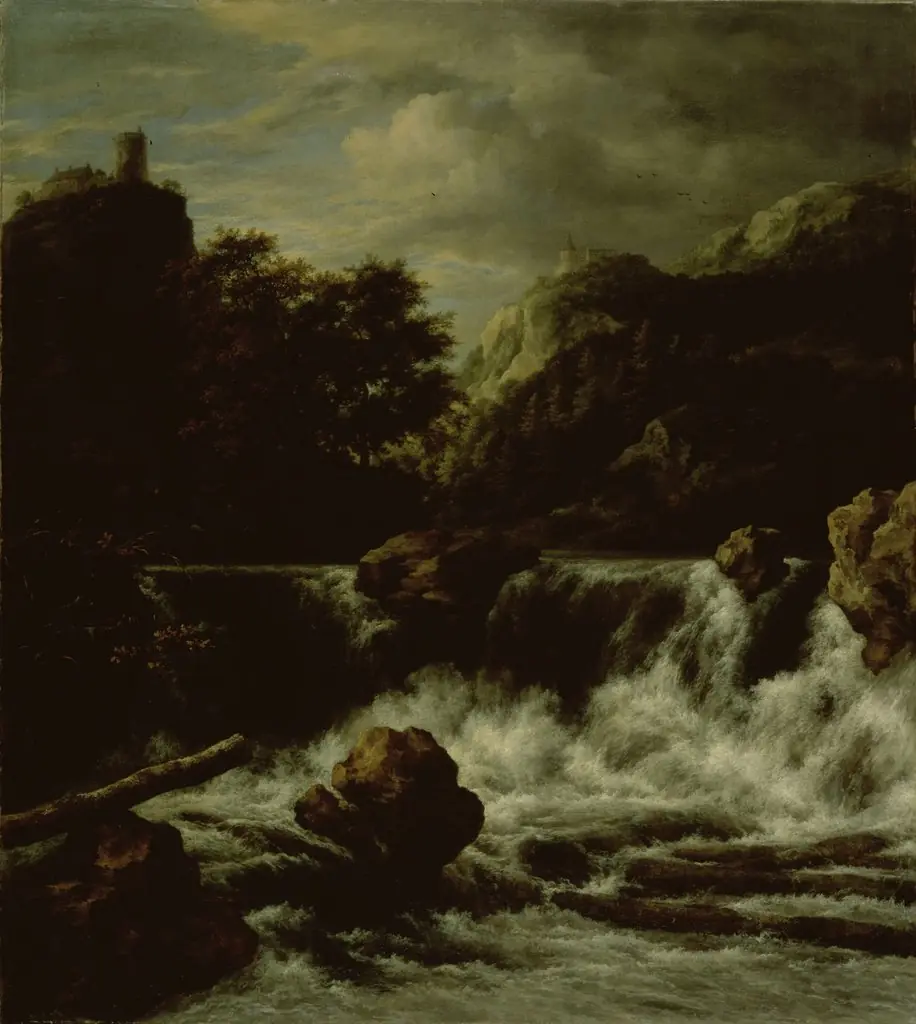 Mountainous landscape with waterfall
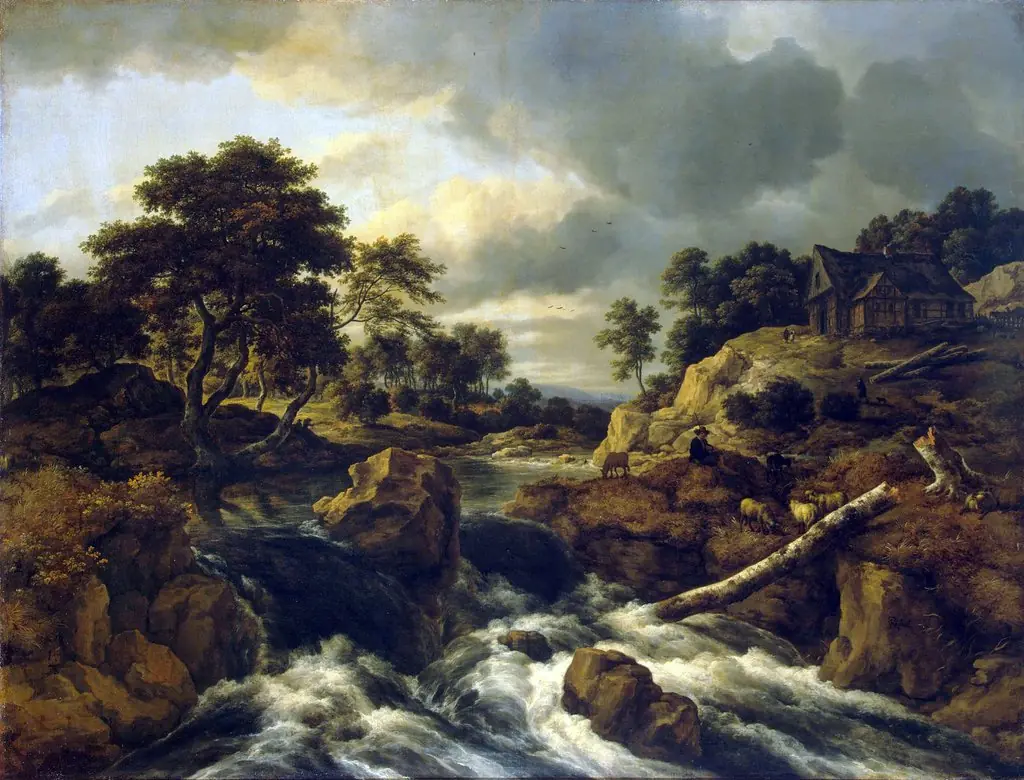 Waterfall in a hilly landscape
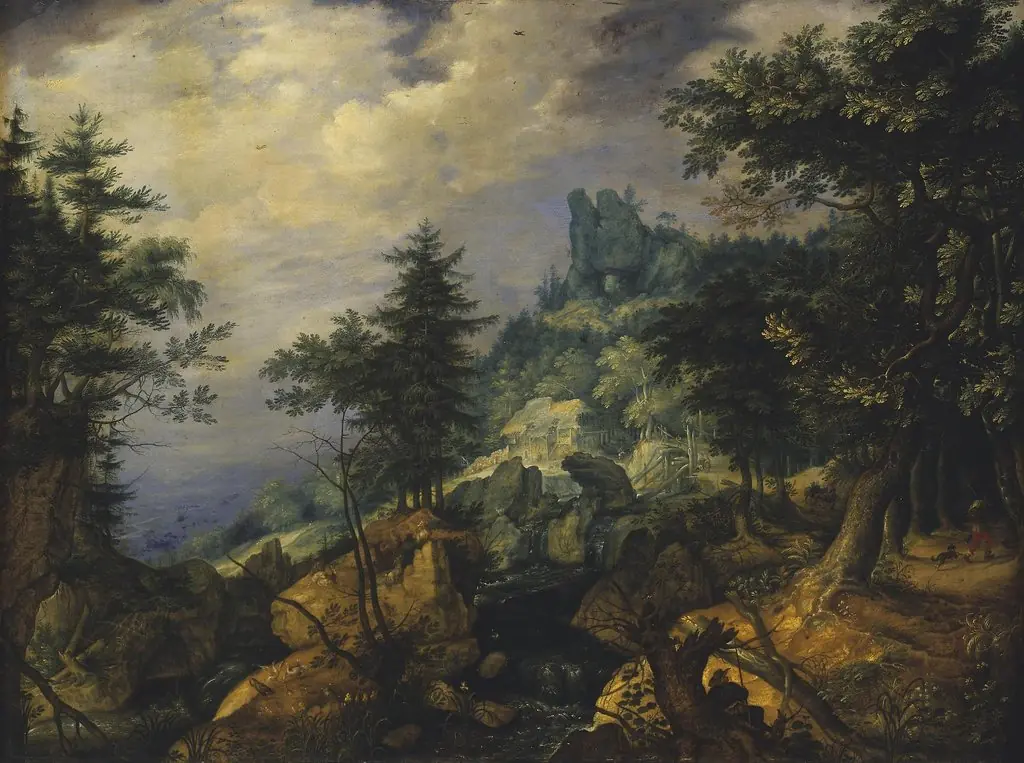 Tyrolean Landscape (The Flight into Egypt)
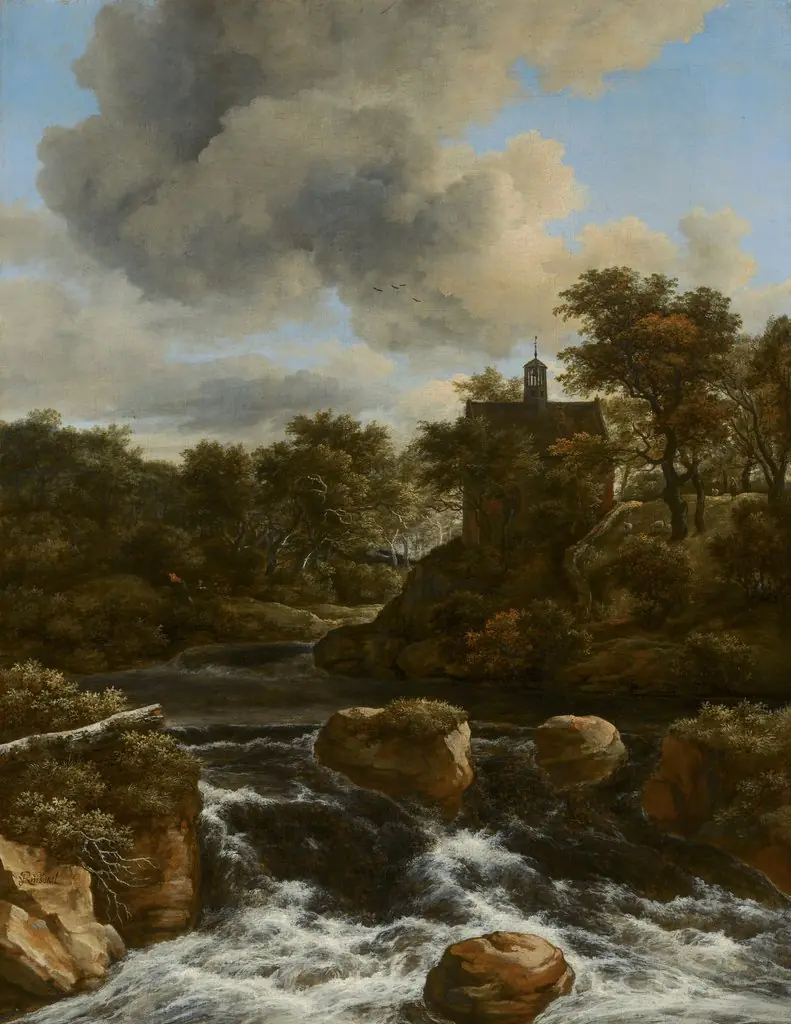 Mountain Landscape with Waterfall