Artwork
River Landscape
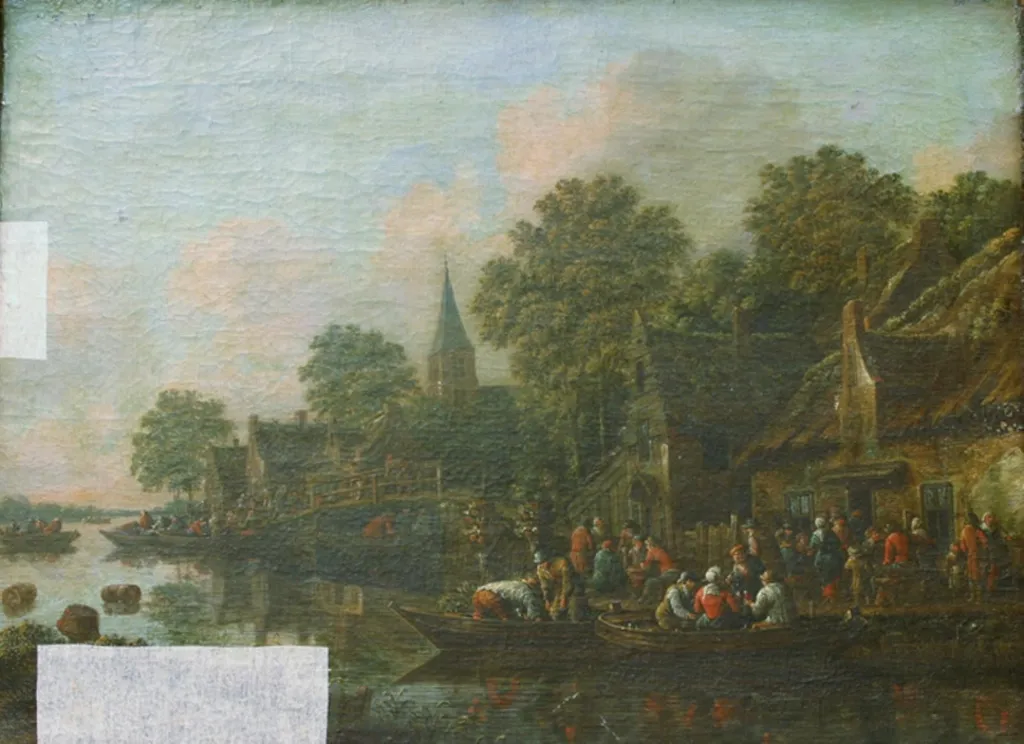
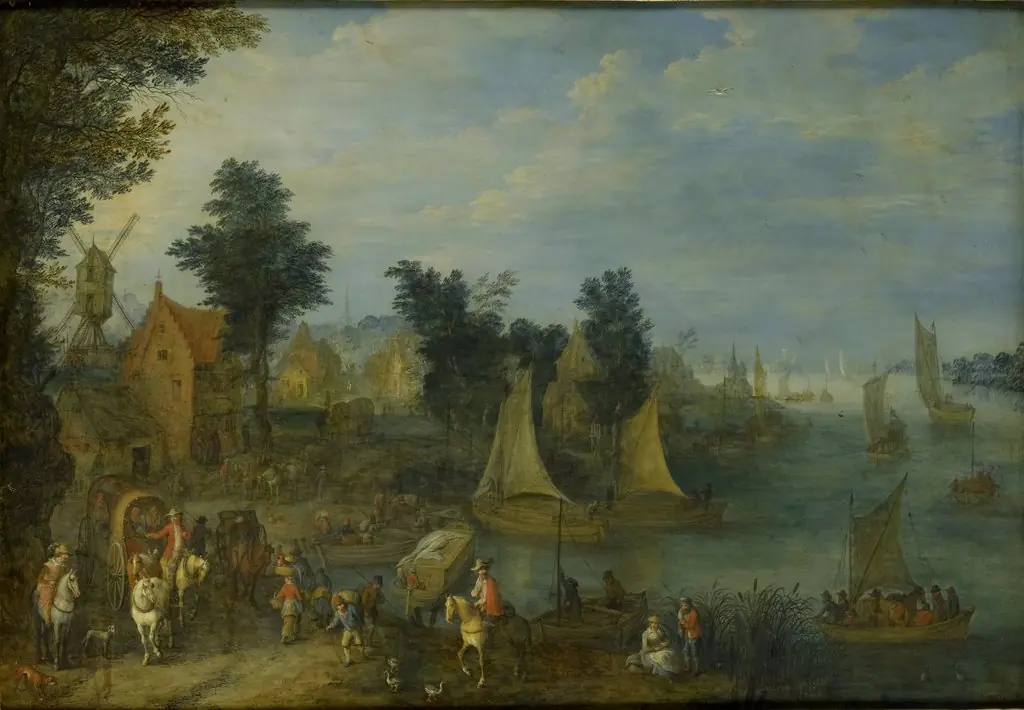
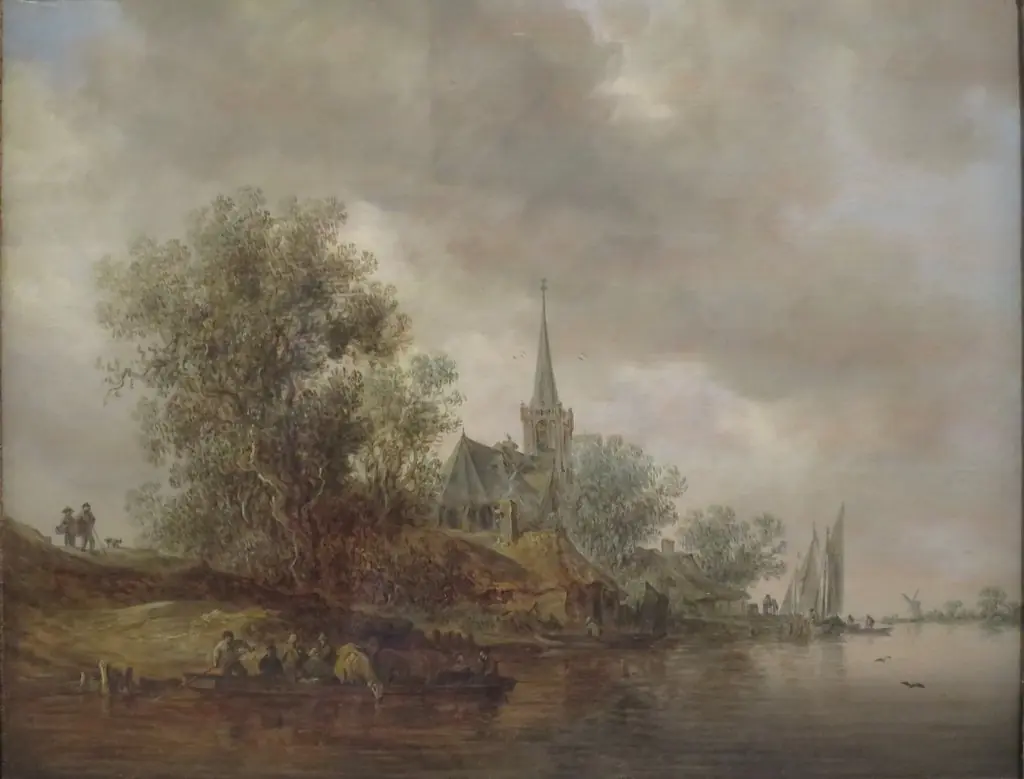
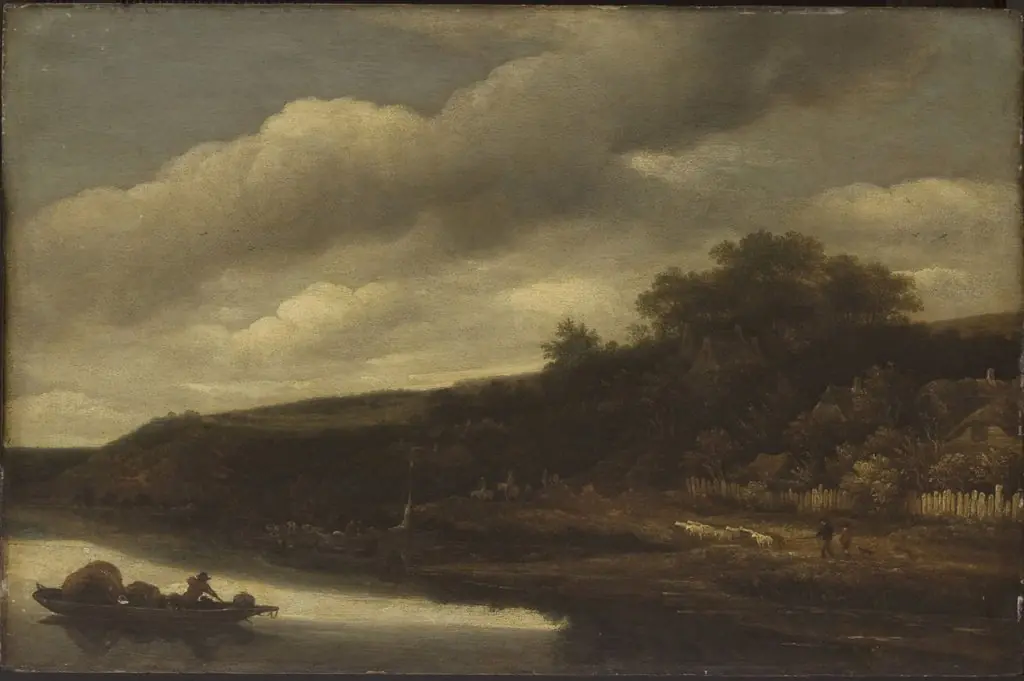
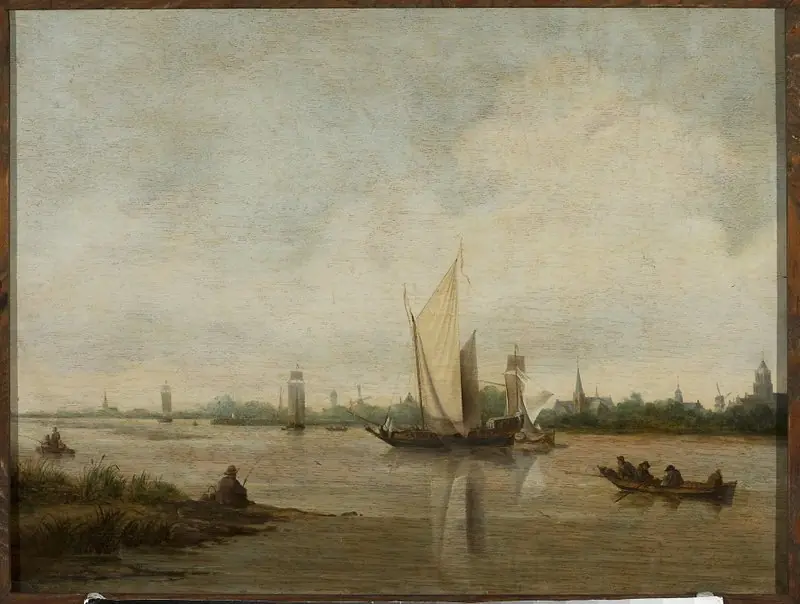
River Landscape is an unspecified painting by the Baroque artist Unknown. It dates from 1688 and is held in the collection of the Statens Museum for Kunst.
About this work
Overview
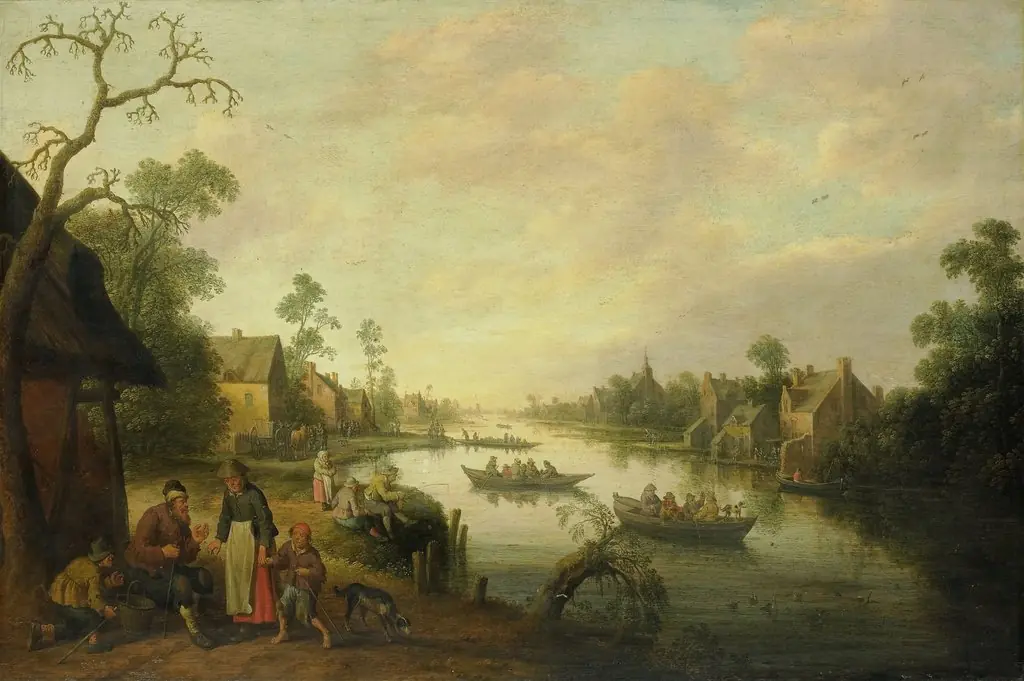
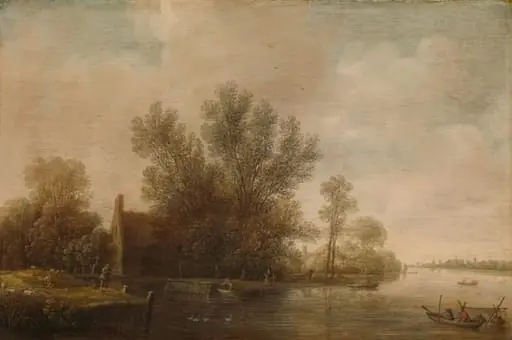
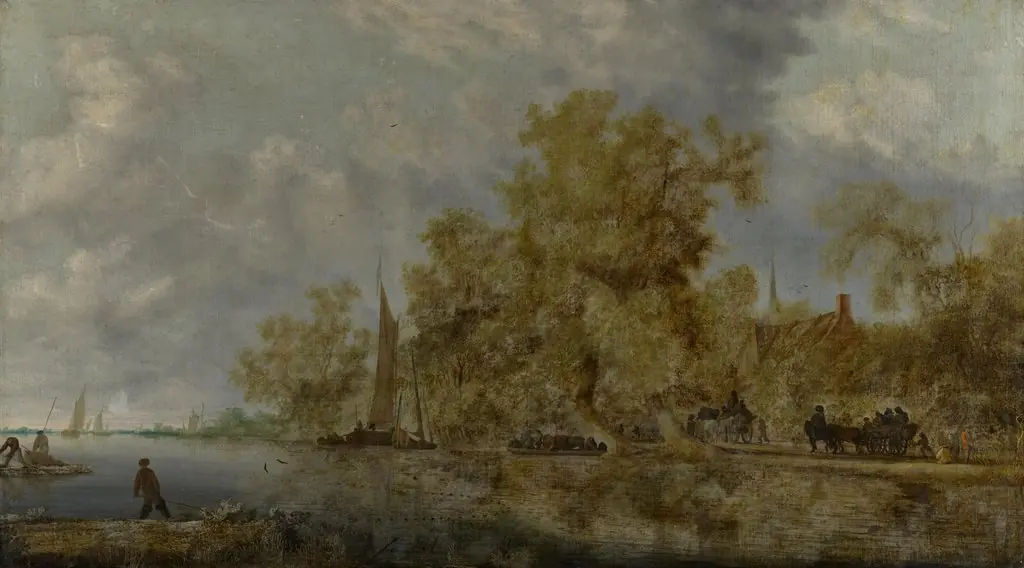
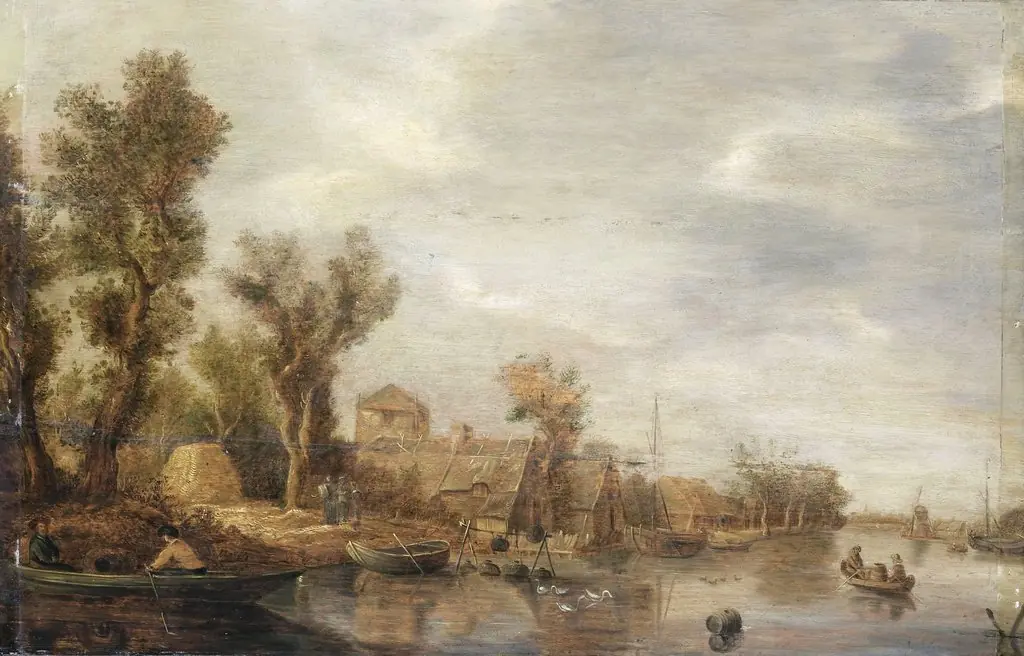
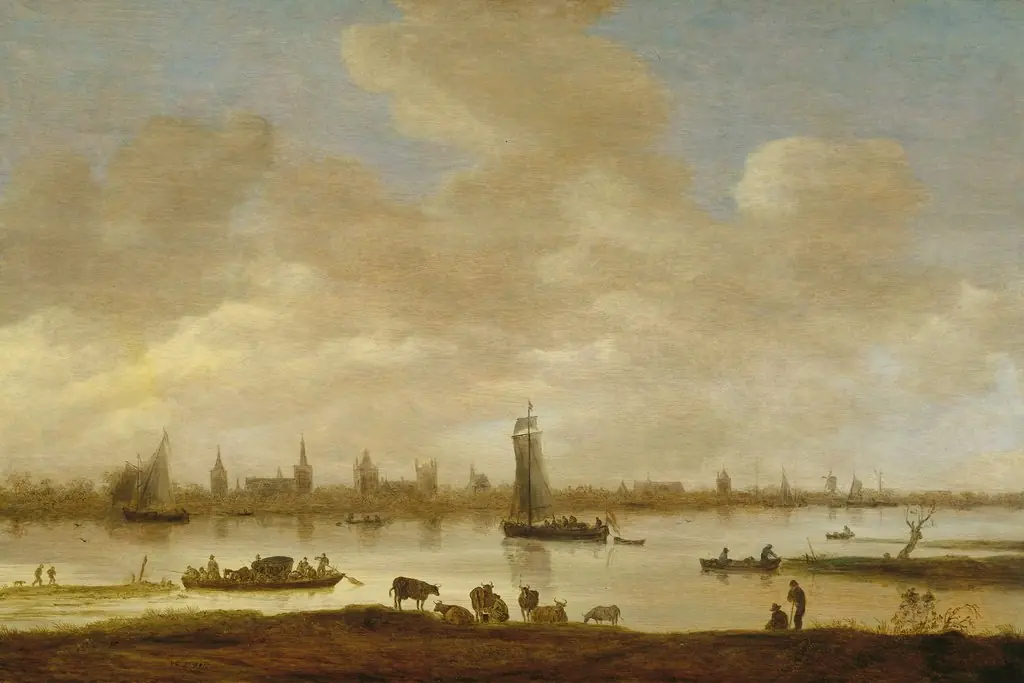
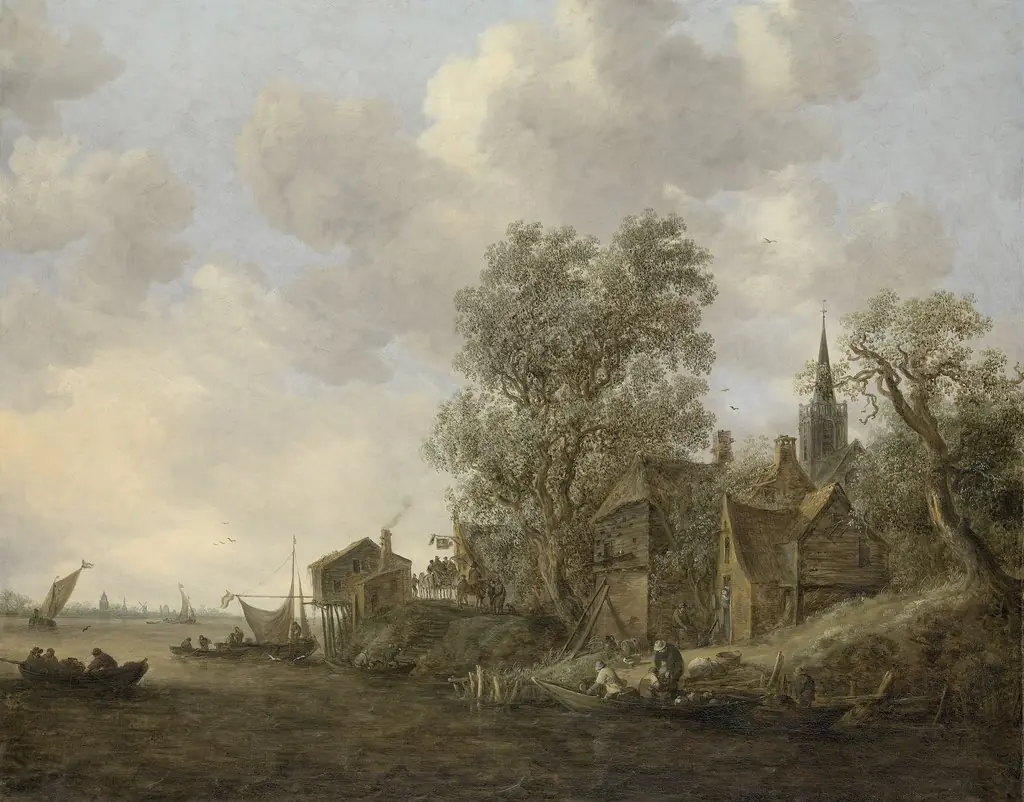
Painted in 1688, River Landscape depicts a tranquil riverside setting with figures engaged in daily activities along the water’s edge.
Painted in 1688, River Landscape depicts a tranquil riverside setting with figures engaged in daily activities along the water’s edge. The work is attributed to an artist associated with the Dutch Golden Age, though the specific hand remains unconfirmed. It resides in the collection of the Museum of Ethnography, where it is valued for its depiction of 17th-century riverine life rather than as a purely aesthetic object.
Subject & Meaning
The scene captures ordinary life along a waterway: laborers, travelers, and residents interact near boats and docks. A distant church steeple anchors the composition, suggesting the spiritual and communal center of the settlement. The absence of mythological or heroic themes points to a focus on the quiet rhythms of everyday existence, reflecting a broader cultural shift toward secular observation in Dutch art.
Technique & Style
The artist employs subtle gradations of light and muted tones to model forms and suggest atmospheric depth. Brushwork is restrained, with smooth transitions between hues rather than sharp contrasts. This approach aligns with the quieter, observational branch of Baroque painting, where naturalism and tonal harmony take precedence over theatrical drama, emphasizing mood over spectacle.
History & Provenance
The painting entered the Museum of Ethnography’s collection in the late 19th or early 20th century, likely as part of a broader effort to document regional life through visual records. Its attribution remains tentative, and its early ownership history is undocumented. It was not widely exhibited outside institutional contexts until recent decades, when interest in everyday Dutch scenes grew.
Context
Created during the height of the Dutch Golden Age, the painting reflects a society increasingly focused on commerce, local identity, and the natural environment. While Italian Baroque art emphasized grandeur, Dutch artists often turned to modest, intimate subjects. River Landscape fits within this tradition, portraying waterways as vital arteries of trade and community life.
Legacy
The work contributes to a growing body of 17th-century Dutch landscapes that document regional geography and social patterns. Though not widely known outside museum circles, it serves as a quiet record of how ordinary people interacted with their environment. Its preservation underscores the value placed on vernacular scenes as historical evidence rather than artistic novelty.
Artist & collection

 Domestic Scene
 Giacomo and Cardinal Marco, investing Andrea, Abbot of San Zeno, with his Benefice
 The Nymph of Fontainebleau
 Portrait of a Woman
 Madonna and Child with Saints in the Enclosed Garden
 Venus and Minerva
 Family Group of Four on Sofa
 Wall painting from Room H of the Villa of P. Fannius Synistor at Boscoreale