Artwork
Winter Scenery
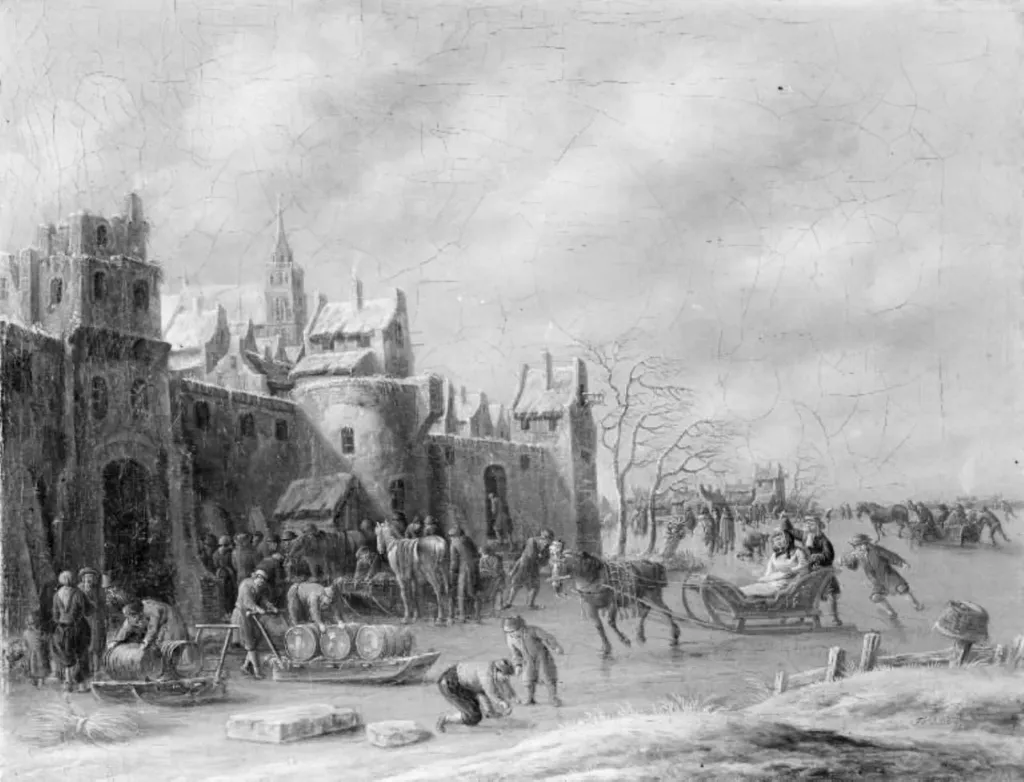
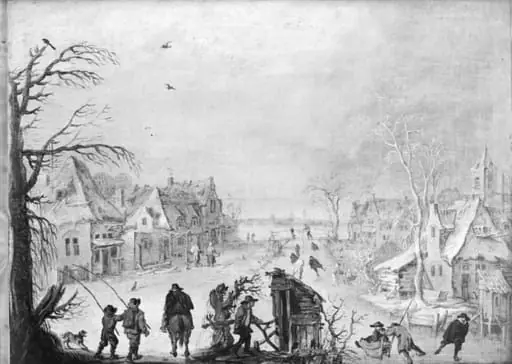
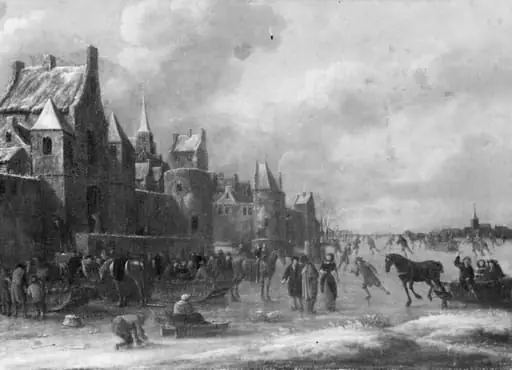
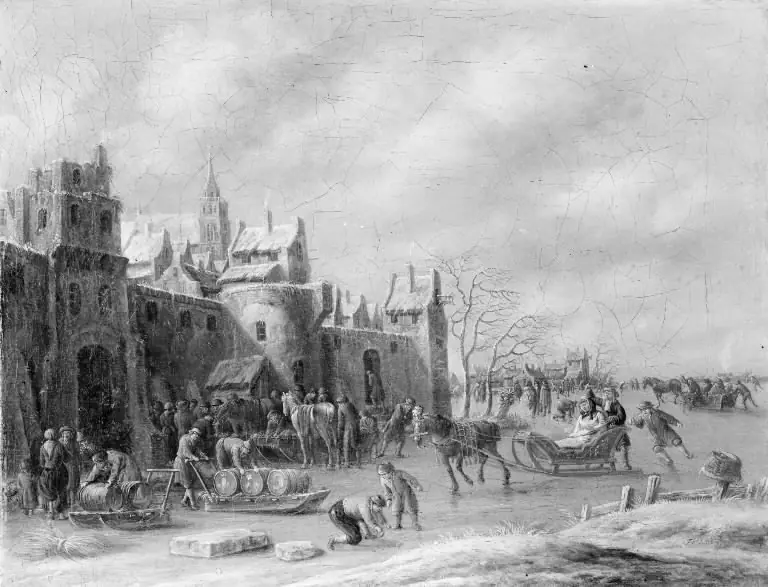
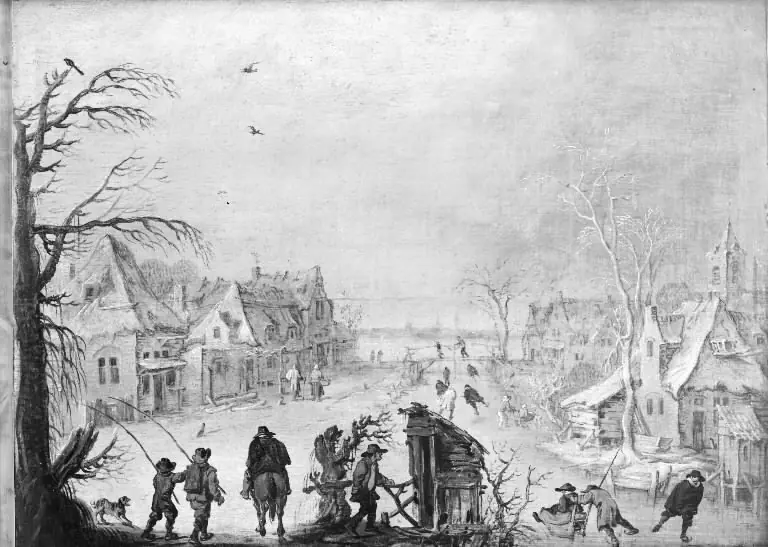
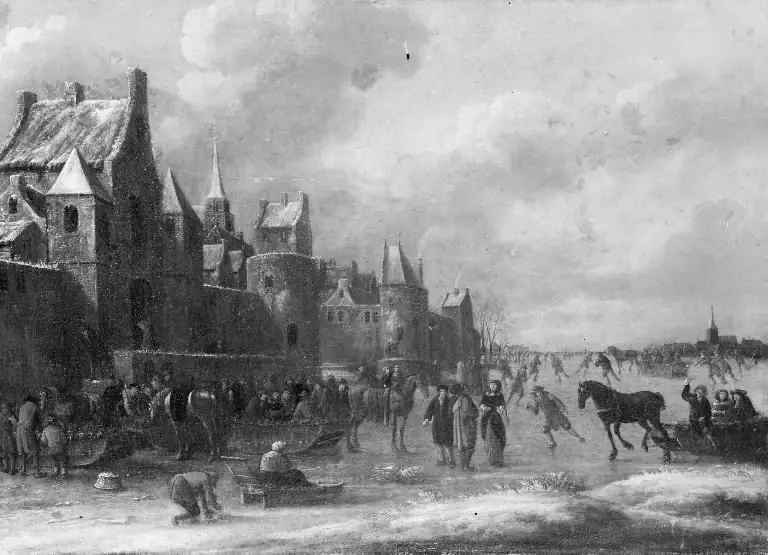
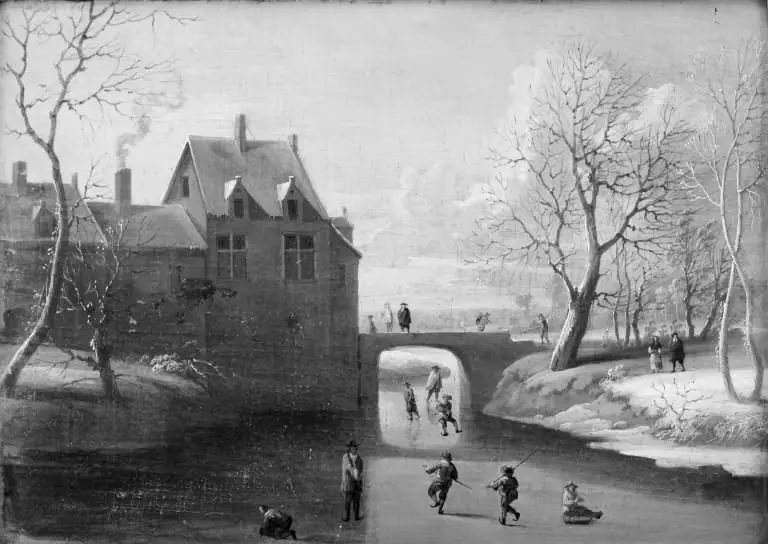
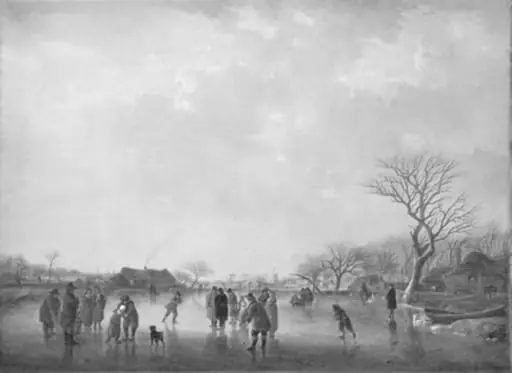
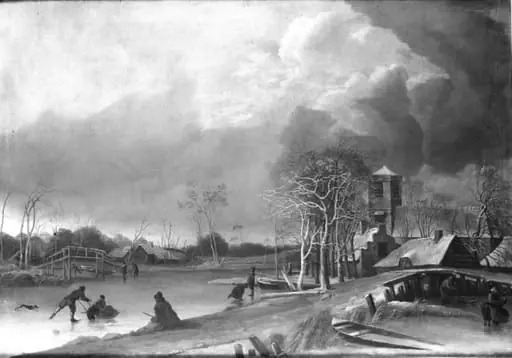
Winter Scenery is a photography by the Baroque artist Unknown. It dates from 1684 and is held in the collection of the Statens Museum for Kunst. Created in 1684 by 2920_person, this work depicts a winter landscape populated with figures and animals engaged in routine activities.
About this work
Overview
It is currently held in the collection of the Museum of Ethnography, where it is presented as an example of regional winter imagery from the late 17th century.
Created in 1684 by 2920_person, this work depicts a winter landscape populated with figures and animals engaged in routine activities. Rendered in a restrained palette of grays and whites, the scene captures the quiet rhythm of daily life during cold months. It is currently held in the collection of the Museum of Ethnography, where it is presented as an example of regional winter imagery from the late 17th century.
Subject & Meaning
The painting portrays a cluster of individuals—on foot, horseback, and in sleds—gathered near a structure resembling a castle. A figure in the foreground crouches, possibly gathering ice or snow, suggesting practical responses to seasonal conditions. The scene avoids idealization, instead emphasizing the ordinary labor and movement required to navigate winter, reflecting a documentary interest in rural life under harsh conditions.
Technique & Style
The artist employs a monochromatic approach, using subtle tonal variations to suggest depth and texture in snow, bark, and clothing. Brushwork is controlled but not overly detailed, allowing the composition to emphasize spatial arrangement over individual expression. The lack of vibrant color and the focus on atmospheric conditions align with northern European traditions of winter landscape depiction, prioritizing mood over ornamentation.
History & Provenance
The work entered the Museum of Ethnography’s collection through documented acquisitions in the late 19th or early 20th century, though its earlier ownership remains unclear. Its survival suggests it was valued as a record of regional customs rather than as a high-art object. No records indicate it was exhibited publicly before its institutional acquisition.
Context
Produced during the Baroque period, the painting diverges from the grandeur typical of southern European art of the time. Instead, it reflects a northern European tendency to observe everyday life with quiet precision. Similar scenes appear in Dutch and Flemish works, but this piece lacks overt religious or allegorical references, focusing instead on the physical realities of winter survival.
Legacy
Though not widely reproduced or studied in mainstream art history, the painting contributes to a body of regional winter imagery that documents pre-industrial seasonal labor. Its preservation in an ethnographic context underscores its value as a cultural artifact, offering insight into how communities adapted to environmental constraints in early modern Europe.
Artist & collection

 Domestic Scene
 Giacomo and Cardinal Marco, investing Andrea, Abbot of San Zeno, with his Benefice
 The Nymph of Fontainebleau
 Portrait of a Woman
 Madonna and Child with Saints in the Enclosed Garden
 Venus and Minerva
 Family Group of Four on Sofa
 Wall painting from Room H of the Villa of P. Fannius Synistor at Boscoreale