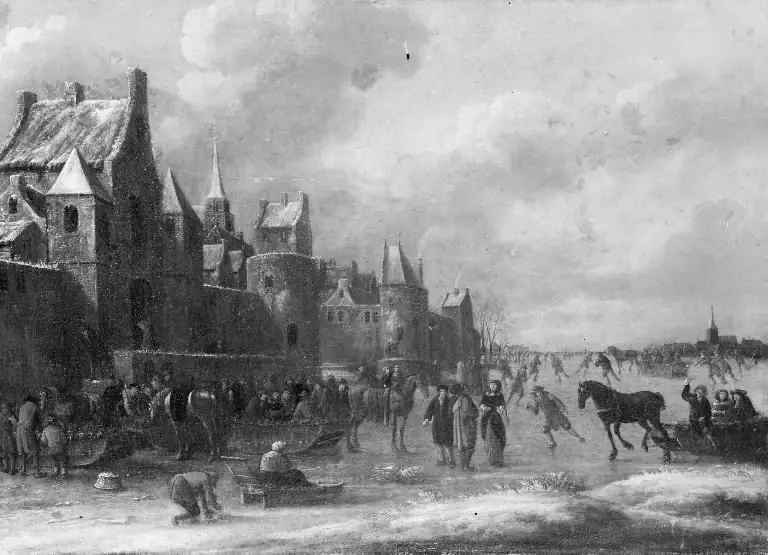
Artwork
Winter Scenery
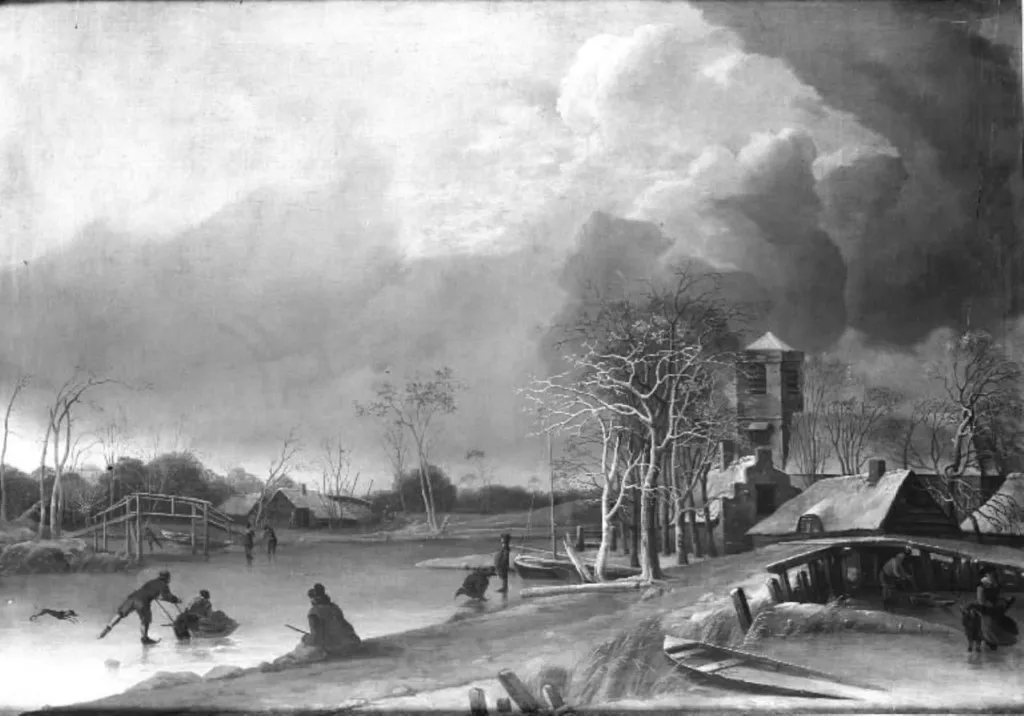
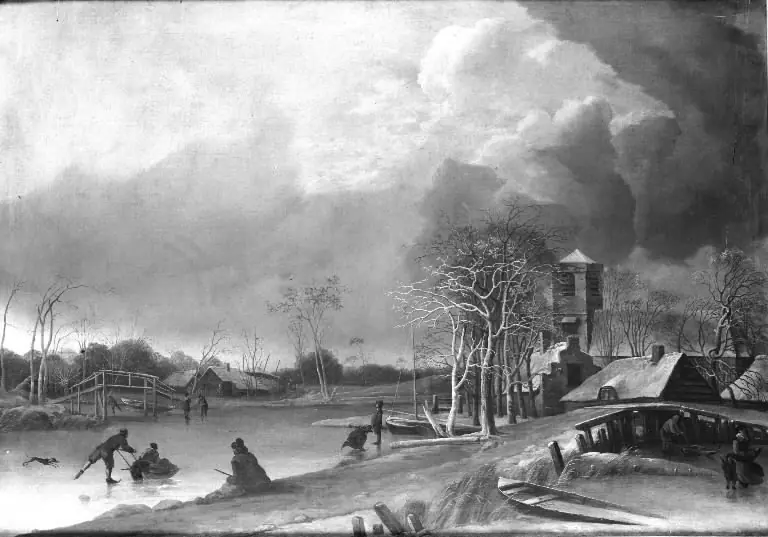
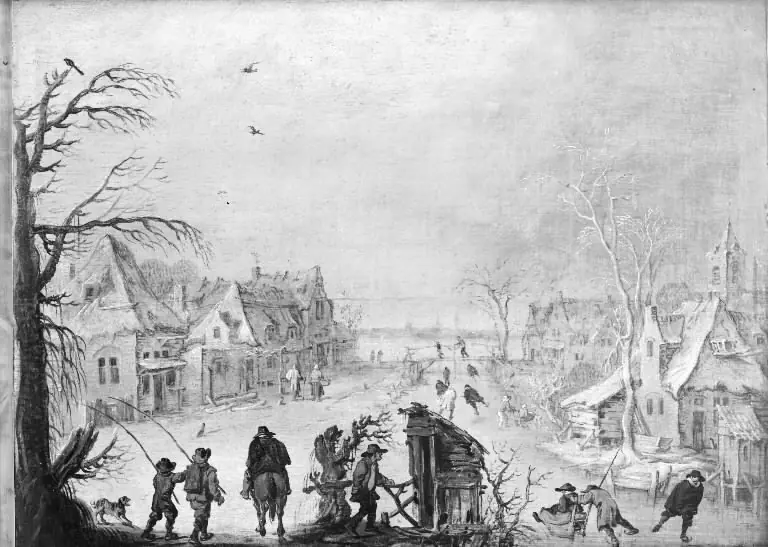
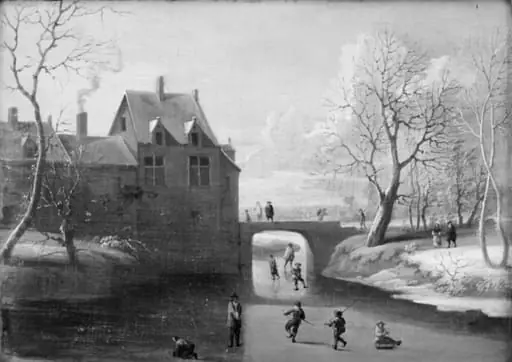
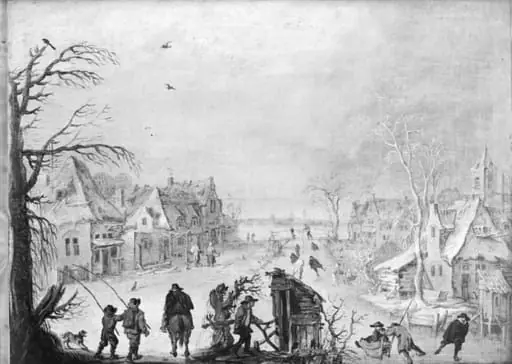
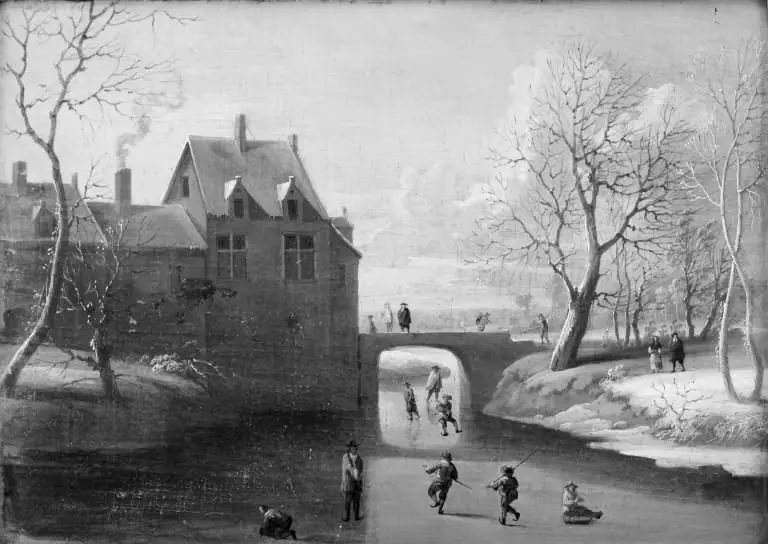
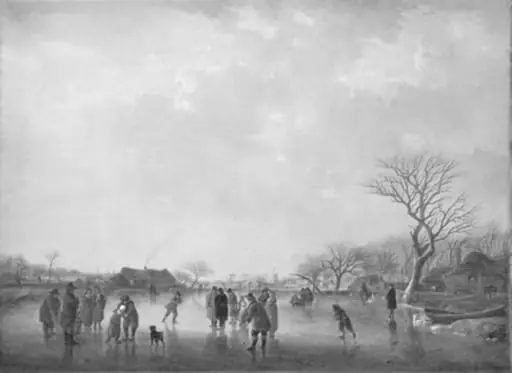
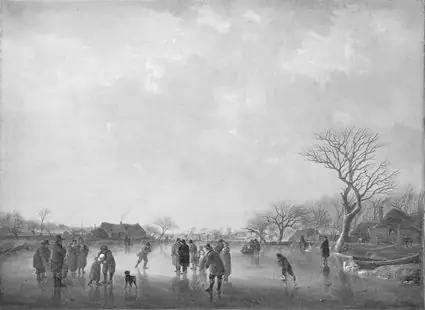
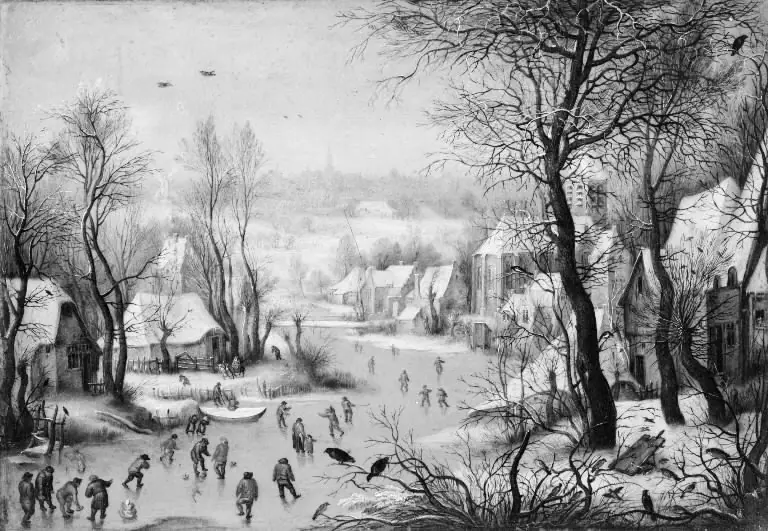
Winter Scenery is a photography by Unknown. It dates from 1677 and is held in the collection of the Statens Museum for Kunst. Created around 1677, this black-and-white photograph captures a winter village scene, likely a reproduction of an earlier painting.
About this work
Overview
Created around 1677, this black-and-white photograph captures a winter village scene, likely a reproduction of an earlier painting.
Created around 1677, this black-and-white photograph captures a winter village scene, likely a reproduction of an earlier painting. It is held in the collection of the Museum of Ethnography. The image conveys stillness and quietude, with frozen water, snow-laden structures, and a brooding sky forming the core elements. Though the medium is photographic, the composition reflects 17th-century landscape conventions, suggesting it documents a historical artwork rather than being an original photograph.
Subject & Meaning
The scene depicts a modest rural settlement in deep winter, with figures engaged in quiet activities on a frozen pond. Bare trees and low buildings emphasize the season’s austerity. The towering wooden structure may serve as a watchtower or church steeple, anchoring the composition. The gathering clouds and muted tones suggest a moment of transition—neither fully serene nor threatening—evoking the quiet endurance of village life amid harsh weather.
Technique & Style
The image employs strong contrasts between light and shadow to model snow-covered surfaces and architectural forms, suggesting a reliance on chiaroscuro principles. Textures in the snow, wooden fences, and rooftops are rendered with subtle gradations, enhancing tactile realism. The composition is balanced yet asymmetrical, drawing the eye along the path and bridge toward the distant horizon, creating depth within a flattened, atmospheric space.
History & Provenance
The original artwork, now represented by this photograph, was likely painted in the late 17th century by a Dutch or Flemish artist. The photograph itself was probably made in the 19th or early 20th century as part of an ethnographic documentation effort. It entered the Museum of Ethnography’s collection as a record of regional life, valued for its depiction of historical rural environments rather than its artistic pedigree.
Context
This image reflects a broader European tradition of winter landscapes that emerged in the 16th and 17th centuries, particularly in the Low Countries. Such scenes were not merely decorative but conveyed moral and seasonal themes—human resilience, the passage of time, and harmony with nature. The presence of a tower and bridge hints at localized infrastructure, suggesting the village was part of a functioning, if modest, community network.
Legacy
As a photographic record of a lost or lesser-known painting, this image preserves a visual record of rural winter life in early modern Europe. It contributes to ethnographic studies of domestic architecture, seasonal labor, and communal activity. While the original painting’s artist remains unidentified, the photograph ensures its visual language continues to inform understandings of historical landscape representation.
Artist & collection

 Domestic Scene
 Giacomo and Cardinal Marco, investing Andrea, Abbot of San Zeno, with his Benefice
 The Nymph of Fontainebleau
 Portrait of a Woman
 Madonna and Child with Saints in the Enclosed Garden
 Venus and Minerva
 Family Group of Four on Sofa
 Wall painting from Room H of the Villa of P. Fannius Synistor at Boscoreale