Artwork
Liselund
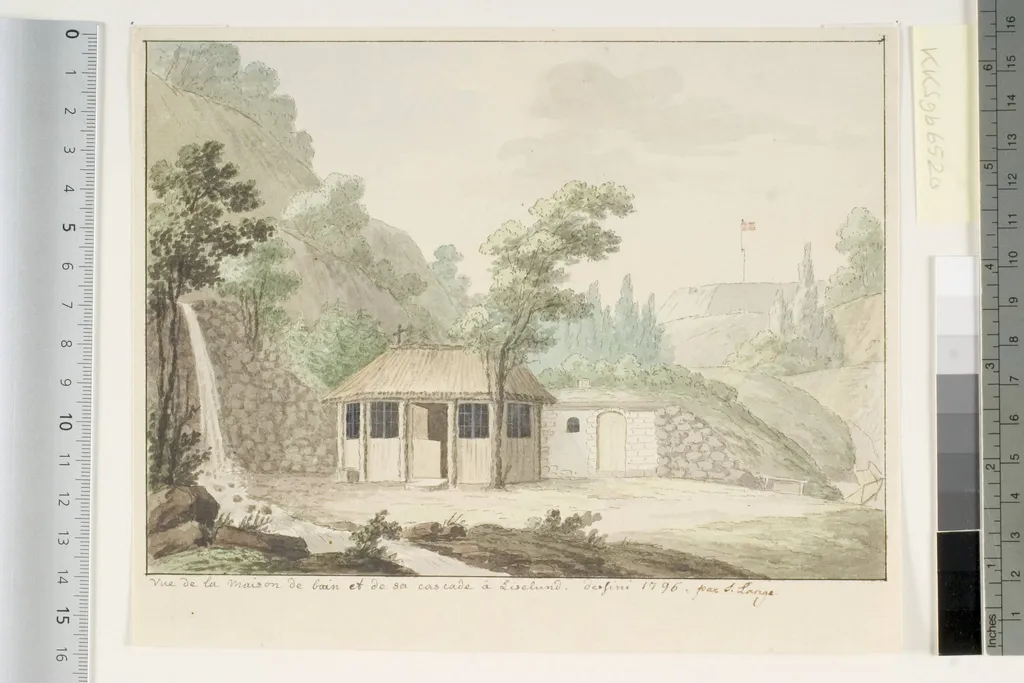
Liselund is an unspecified painting by the Biedermeier artist Unknown. It dates from 1796 and is held in the collection of the Statens Museum for Kunst.
About this work
Overview
The piece resides in the Museum of Ethnography, where it is cataloged as part of a collection reflecting 18th-century Nordic aesthetic sensibilities.
Painted in 1796, Liselund is a landscape work attributed to 2942_person. It portrays a secluded rustic structure surrounded by natural elements—trees, a waterfall, and a stone wall—rendered with quiet precision. The piece resides in the Museum of Ethnography, where it is cataloged as part of a collection reflecting 18th-century Nordic aesthetic sensibilities. Its scale and composition suggest an intimate, contemplative vision rather than a grand narrative.
Subject & Meaning
The painting centers on a modest wooden building with a sloping roof and open doorway, positioned as a quiet refuge within nature. A flagpole and stone boundary hint at human presence without intrusion. The scene evokes solitude and harmony with the environment, aligning with ideals of retreat and introspection common in late 18th-century European thought. No figures are present, reinforcing a sense of stillness and personal reflection.
Technique & Style
The artist employs muted earth tones and delicate brushwork to soften edges and diffuse light, creating a hushed, atmospheric effect. Water and foliage are rendered with gentle, blended strokes rather than sharp detail, emphasizing mood over realism. The composition is balanced yet asymmetrical, guiding the eye naturally from the foreground structure to the distant waterfall and sky. This approach reflects a sensitivity to natural light and texture typical of early Romantic landscape traditions.
History & Provenance
Liselund entered the Museum of Ethnography’s collection in the early 20th century, though its earlier ownership remains undocumented. It was likely produced for private contemplation rather than public display, given its intimate scale and subdued palette. The painting’s title suggests a connection to a specific location, possibly in Denmark or southern Sweden, but no definitive record of its commission or original setting has been established.
Context
Created during the height of Romanticism’s influence in Northern Europe, Liselund reflects a broader cultural turn toward nature as a source of emotional and spiritual resonance. While not overtly political or dramatic, its quiet depiction of solitude aligns with contemporary literary and philosophical ideals that valued introspection and the sublime in ordinary landscapes. Similar works by Nordic artists of the period often emphasized harmony between architecture and wilderness.
Legacy
Liselund remains a quiet example of early Romantic landscape painting in Nordic collections. Though not widely exhibited, it contributes to scholarly understanding of how regional artists interpreted natural retreats during a period of shifting aesthetic values. Its preservation in an ethnographic museum underscores its role as a cultural artifact reflecting domestic and environmental ideals rather than a celebrated artistic achievement.
Artist & collection

 Domestic Scene
 Giacomo and Cardinal Marco, investing Andrea, Abbot of San Zeno, with his Benefice
 The Nymph of Fontainebleau
 Portrait of a Woman
 Madonna and Child with Saints in the Enclosed Garden
 Venus and Minerva
 Family Group of Four on Sofa
 Wall painting from Room H of the Villa of P. Fannius Synistor at Boscoreale
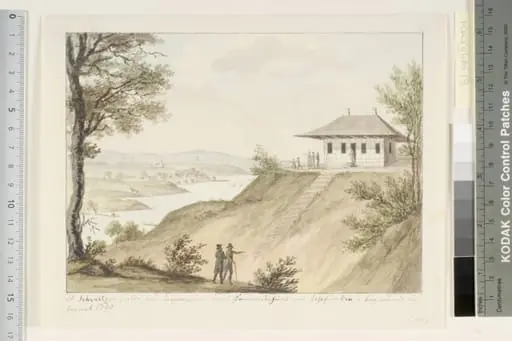 Schweizerhuset ved Jægerspris
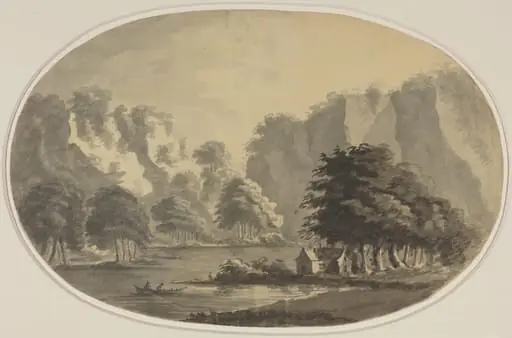 View of Ullswater
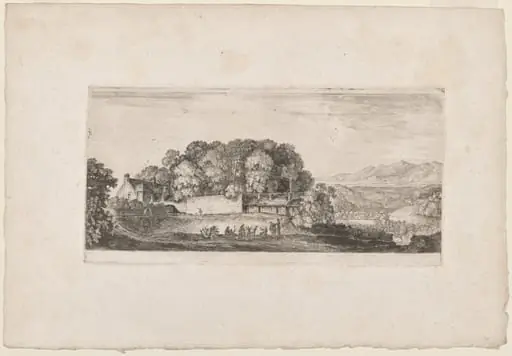 Hill-head, near Lasswade
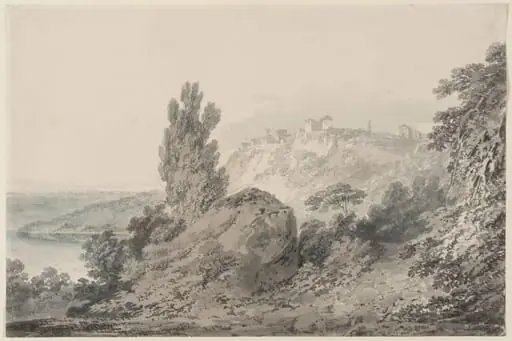 Lake and Town of Nemi
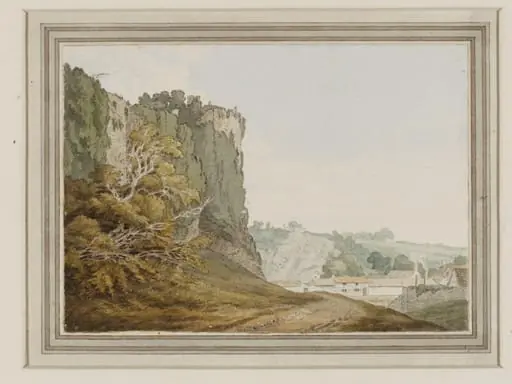 Part of Chepstow Castle
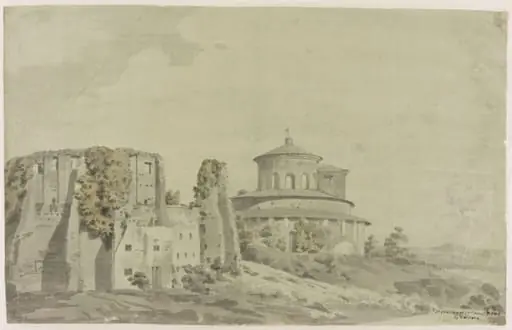 Santa Constanza, Rome
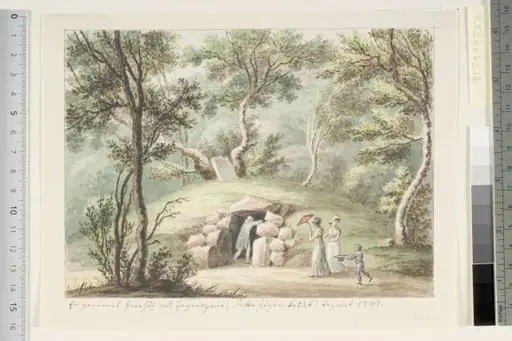 Gravhøj ved Jægerspris
 The Mineral Spring
 Untitled
 A cottage set among trees
 Part of Ambleside at the Head of Lake Windermere
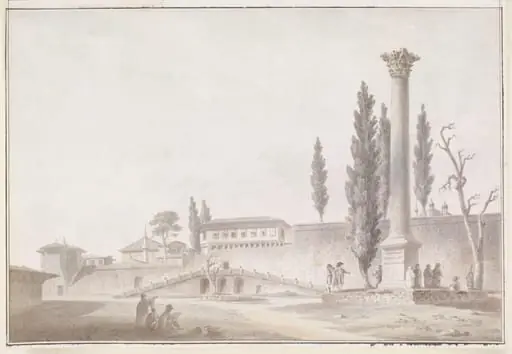 The Gardens of the Seraglio with European visitors inspecting the Column of the Goths, Constantinople