Artwork
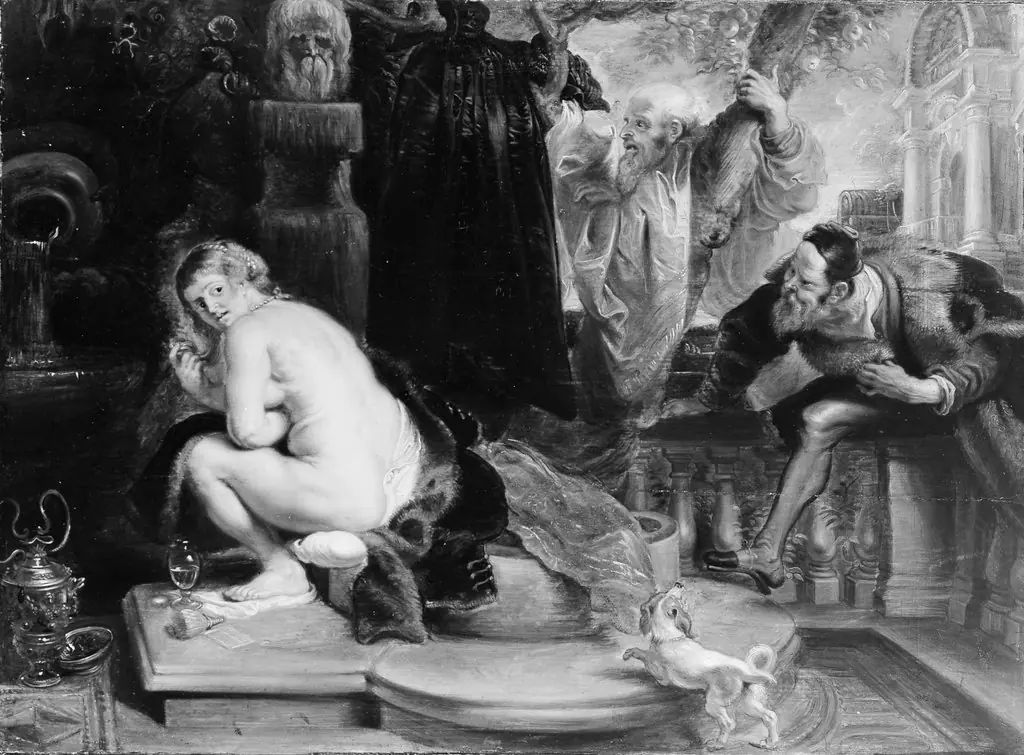
Susanna and the Elders
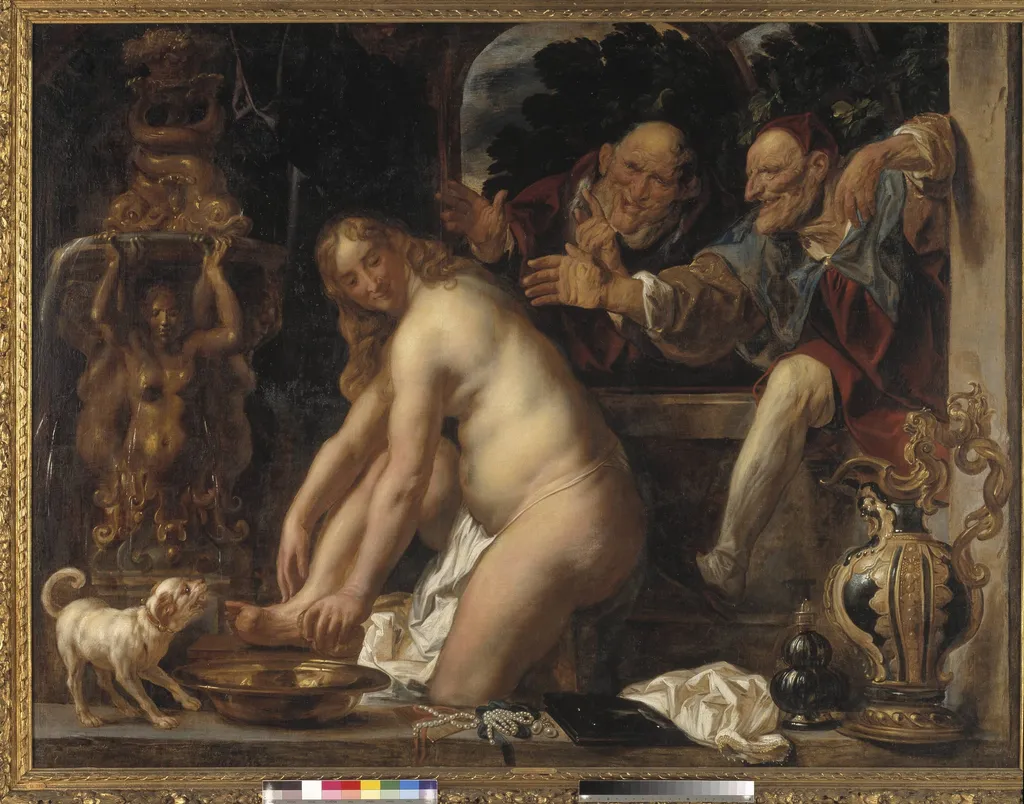
Susanna and the Elders is a photography by the Baroque artist Unknown. It dates from 1653 and is held in the collection of the Statens Museum for Kunst.
About this work
Overview
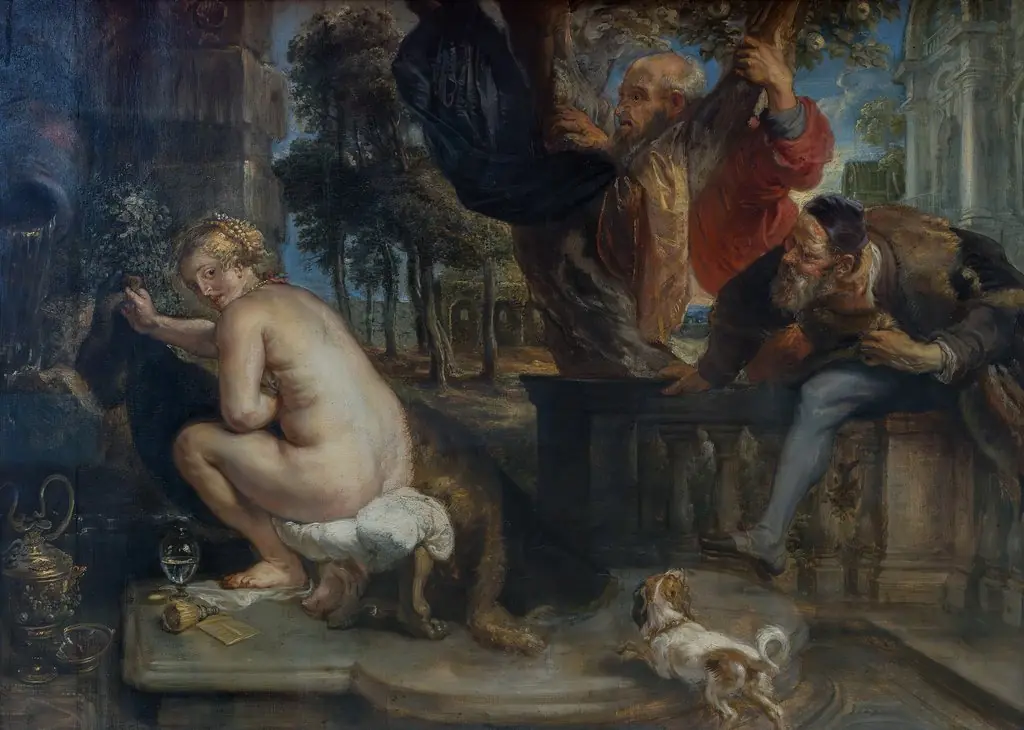
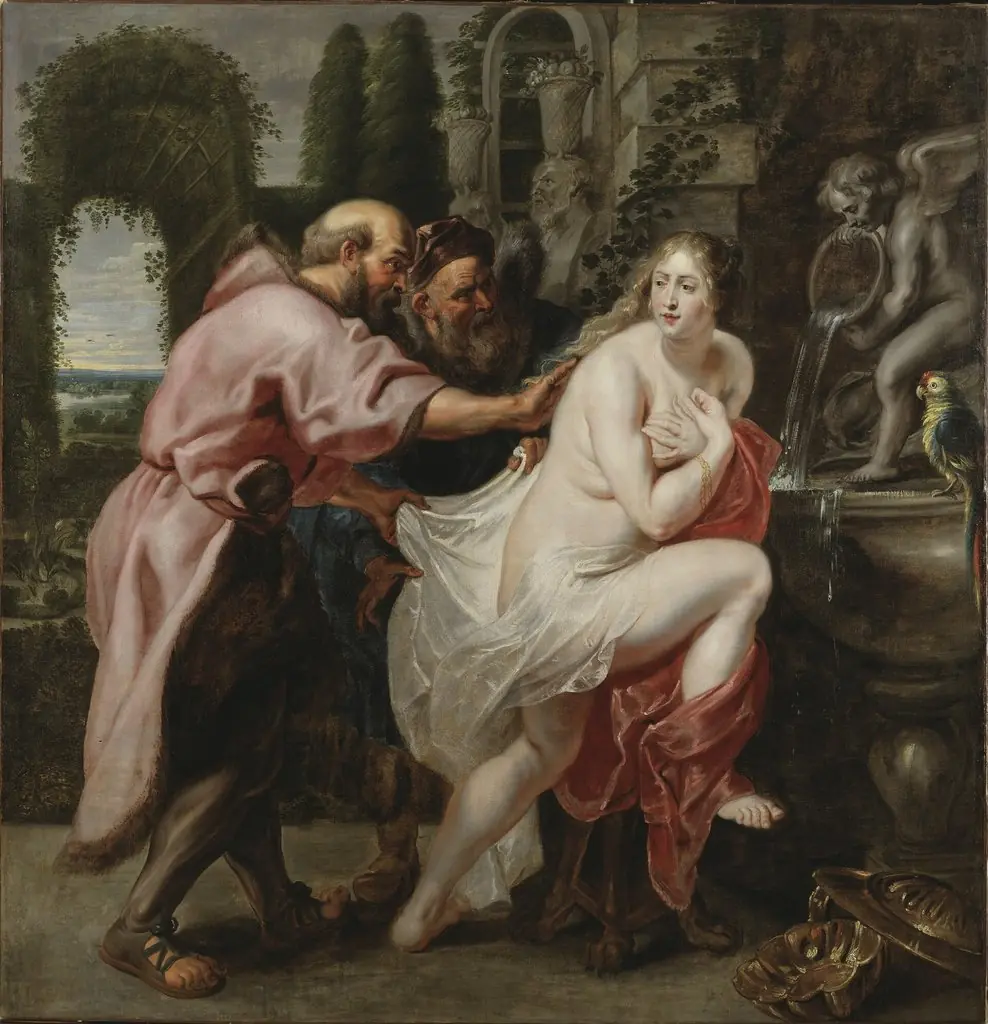
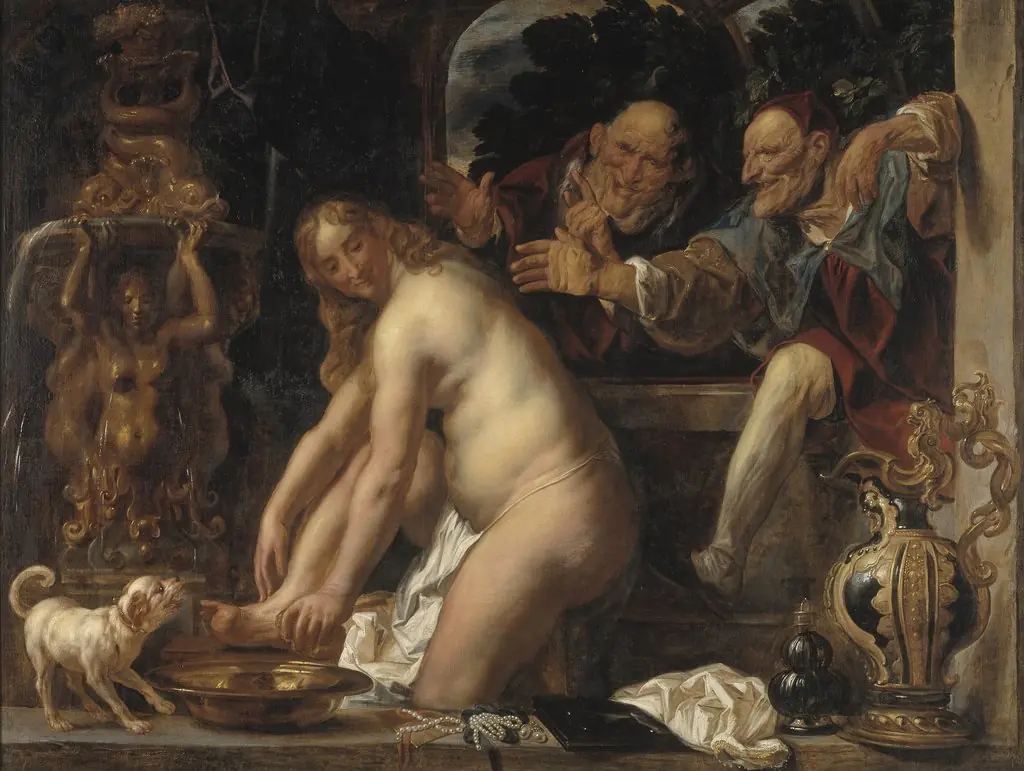
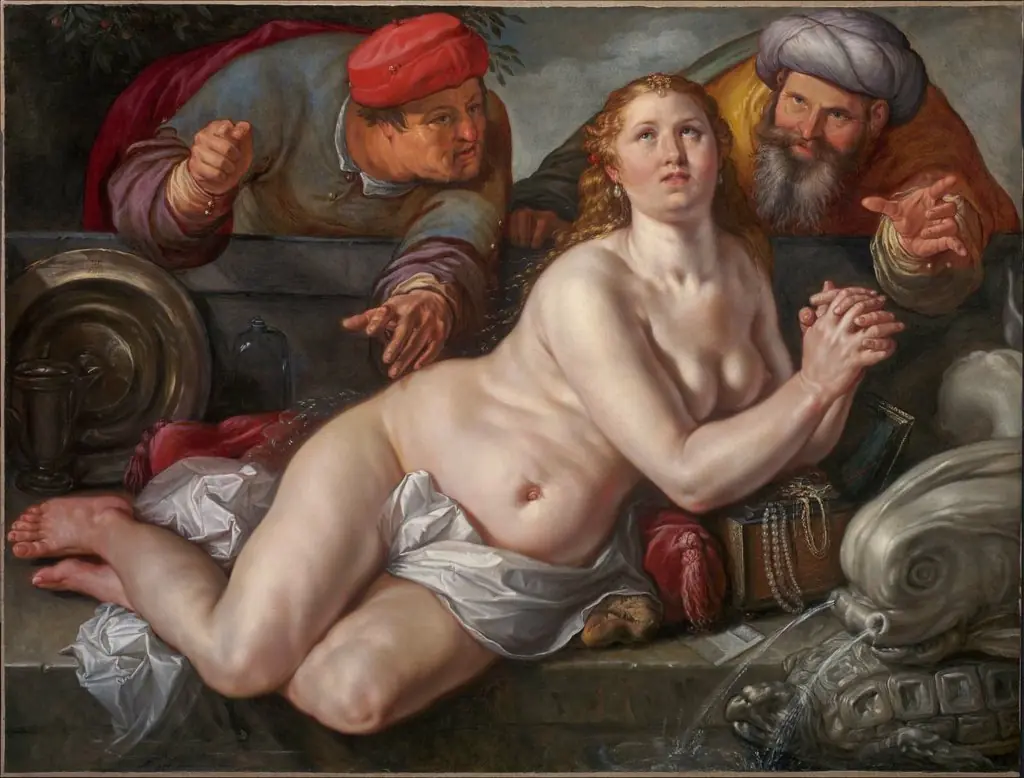
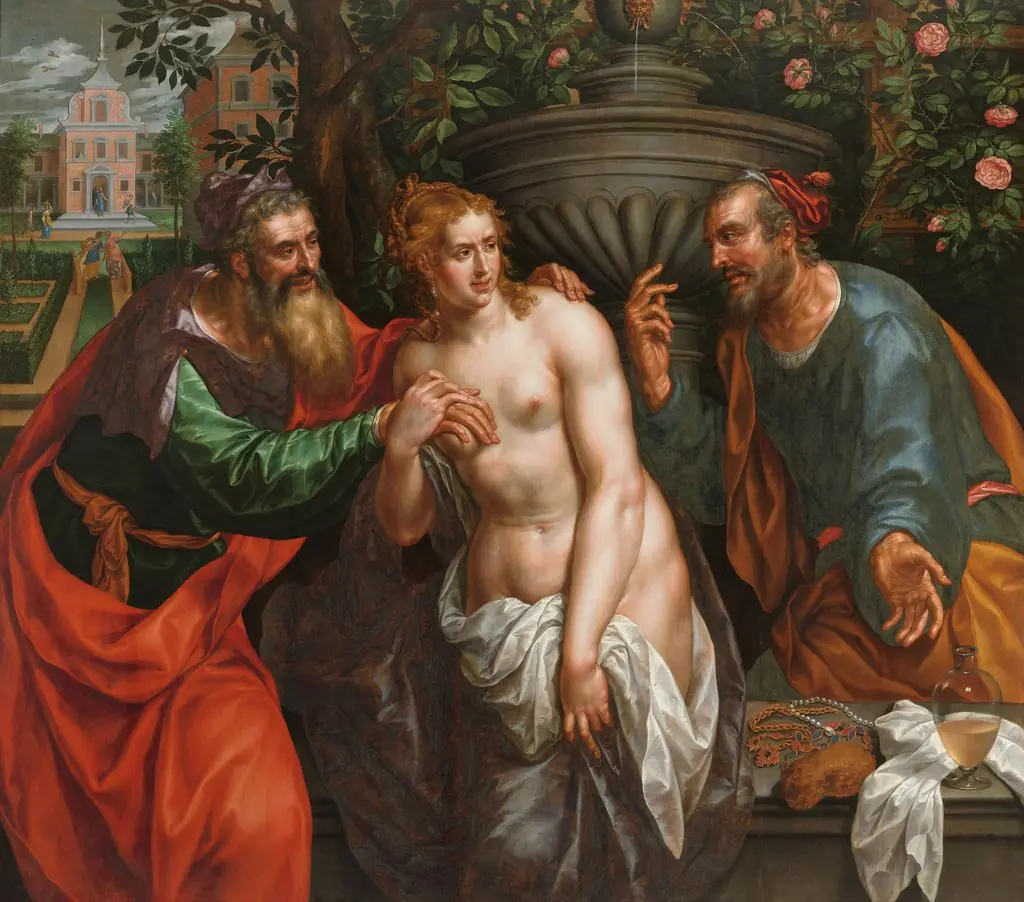
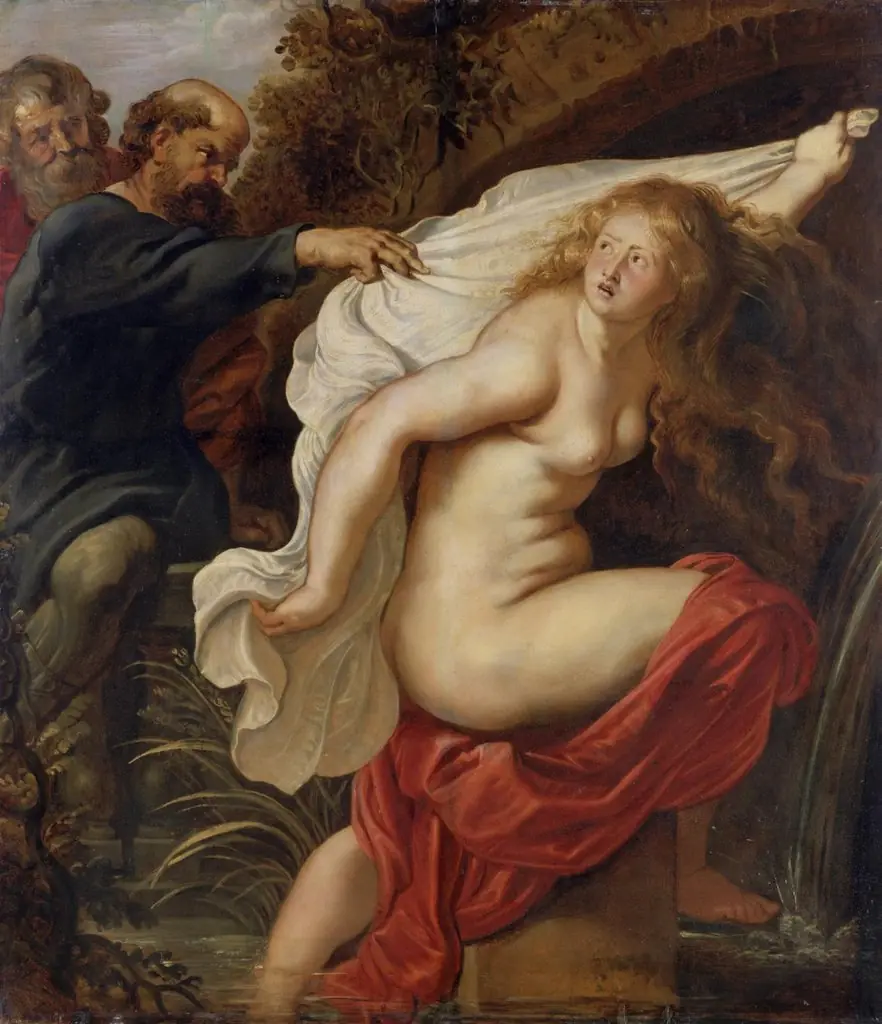
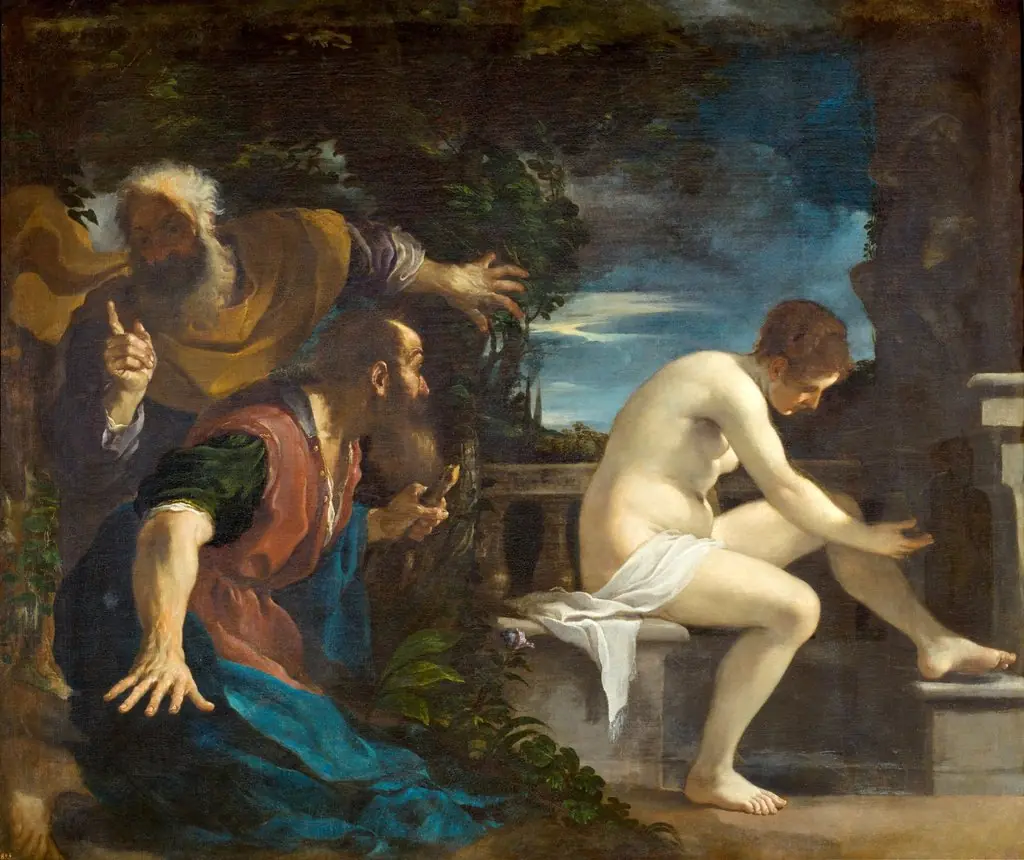
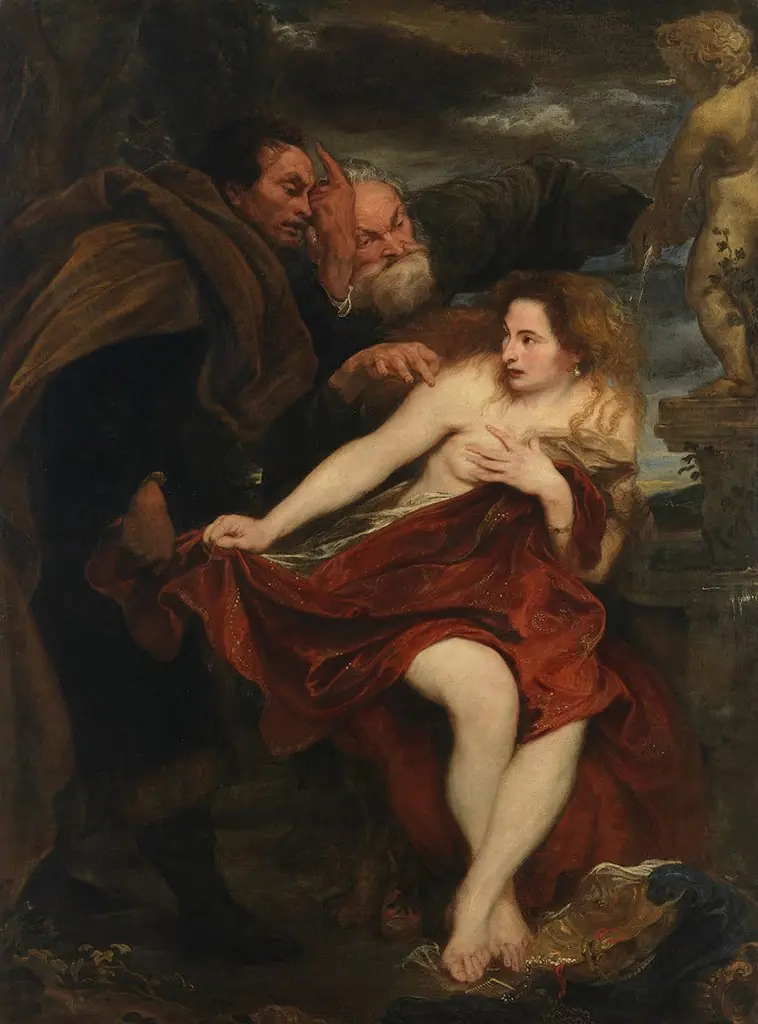
The composition centers on a solitary female figure and two male observers, framed within a dimly lit outdoor setting.
Painted in 1653, this work depicts the biblical story of Susanna and the Elders. It is held in the collection of the Museum of Ethnography. The scene captures a moment of private vulnerability interrupted by surveillance, rendered with a focus on psychological tension rather than overt narrative resolution. The composition centers on a solitary female figure and two male observers, framed within a dimly lit outdoor setting.
Subject & Meaning
The painting illustrates the apocryphal tale from the Book of Daniel, in which Susanna, a virtuous woman, is spied upon while bathing by two elders who later falsely accuse her of impropriety. The artist emphasizes her isolation and the men’s invasive gaze, transforming a religious narrative into a study of power, modesty, and moral corruption. The viewer is positioned as a silent witness to an unfolding moral crisis.
Technique & Style
The artist employs chiaroscuro to heighten emotional contrast, with light falling sharply on Susanna’s skin and the elders’ figures against a deep, receding background. Warm earth tones in the flesh and fabrics contrast with cooler shadows, reinforcing the scene’s unease. Brushwork is restrained, avoiding ornamental detail to preserve the psychological gravity of the moment. The spatial arrangement isolates the figures, intensifying their interaction.
History & Provenance
The painting entered the Museum of Ethnography’s collection in the early 20th century, though its earlier ownership remains undocumented. Its attribution to the artist is based on stylistic analysis and archival records from the mid-17th century. Unlike many contemporary versions of this subject, it lacks overt theatricality, suggesting a more introspective or regional interpretation of the biblical episode.
Context
In mid-17th-century Europe, depictions of Susanna were common in religious and secular art, often serving as vehicles for moral instruction or erotic display. This version diverges by minimizing spectacle and emphasizing psychological tension. Its placement in an ethnographic museum, rather than a fine arts institution, hints at its use in broader cultural or anthropological studies of gender and power in historical narratives.
Legacy
The work contributes to a broader visual tradition of depicting female vulnerability under male surveillance, though it remains less widely known than other renditions. Its restrained approach influenced later interpretations that prioritized emotional subtlety over dramatic gesture. As a rare example of this subject in an ethnographic context, it invites reflection on how cultural institutions frame moral narratives across time.
Artist & collection

 Domestic Scene
 Giacomo and Cardinal Marco, investing Andrea, Abbot of San Zeno, with his Benefice
 The Nymph of Fontainebleau
 Portrait of a Woman
 Madonna and Child with Saints in the Enclosed Garden
 Venus and Minerva
 Family Group of Four on Sofa
 Wall painting from Room H of the Villa of P. Fannius Synistor at Boscoreale