Artwork
The Adoration of the Shepherds
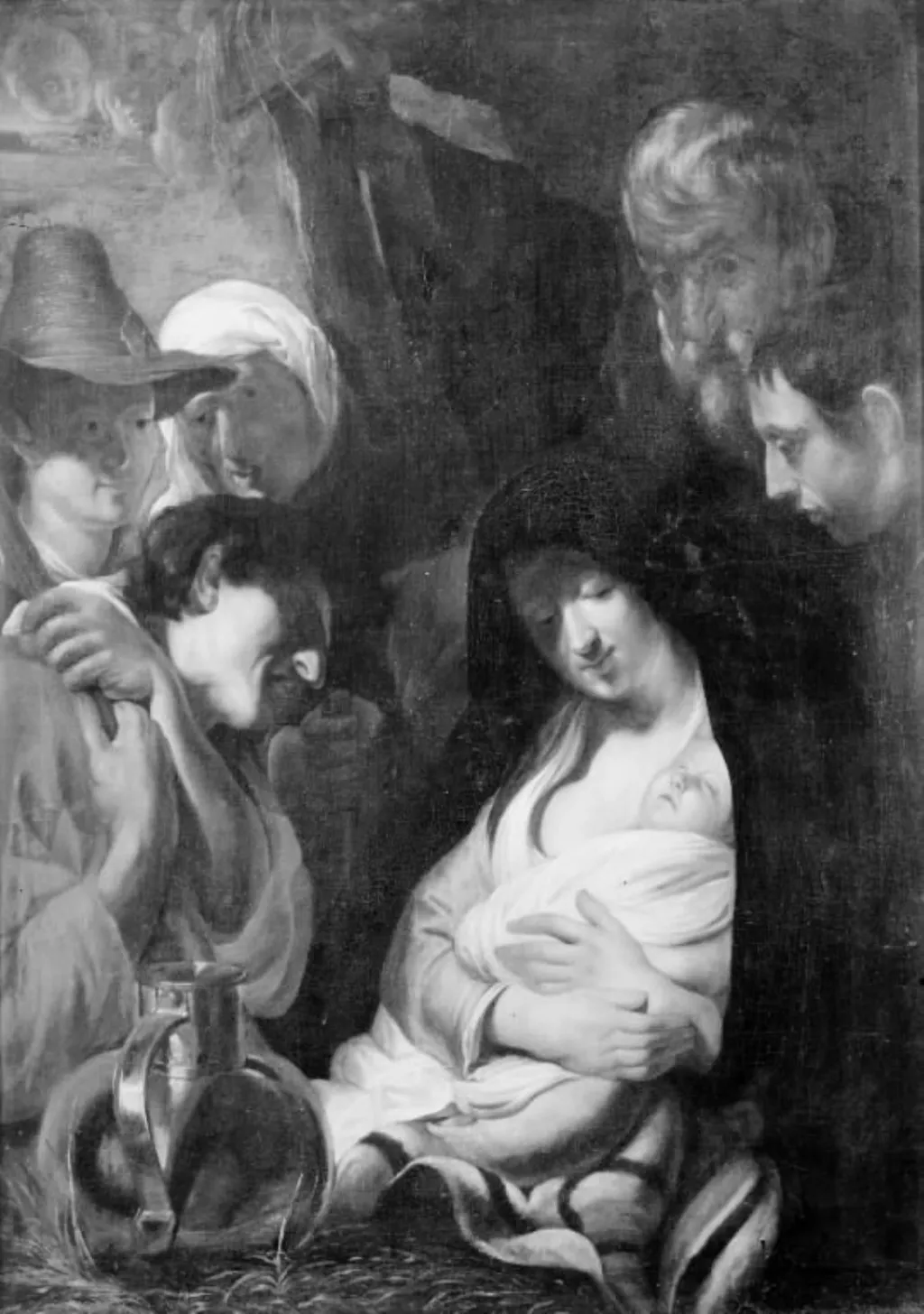
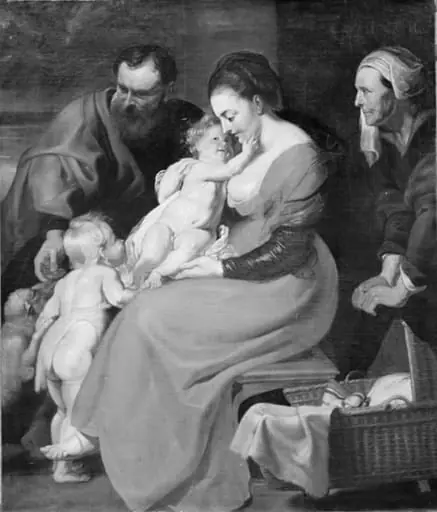
The Adoration of the Shepherds is a photography by Unknown. It dates from 1692 and is held in the collection of the Statens Museum for Kunst.
About this work
Overview
Painted around 1692, this depiction of the Adoration of the Shepherds is attributed to an artist whose full identity remains unverified. The work resides in the Museum of Ethnography, where it is presented as part of a collection focused on devotional imagery from early modern Europe. Its quiet composition and restrained palette distinguish it from more ornate religious works of the period.
Subject & Meaning
The scene centers on a mother holding an infant, surrounded by a man who observes them with solemn attention. Their simple garments and the absence of celestial elements suggest a humanized interpretation of the biblical event. The focus on quiet reverence, rather than grandeur, emphasizes humility and personal devotion, aligning with devotional practices of the late 17th century.
Technique & Style
The artist employs chiaroscuro to model the figures with soft, directional light, enhancing their three-dimensionality against a dark, neutral background. Warm tones in the skin and fabrics contrast with the surrounding shadows, guiding the viewer’s gaze to the central group. The brushwork is subdued, favoring atmospheric cohesion over fine detail, reinforcing the scene’s introspective mood.
History & Provenance
The painting entered the Museum of Ethnography’s collection in the early 20th century, though its earlier ownership is undocumented. Its attribution to a specific artist remains uncertain, and no archival records confirm its original commission or location. It may have been produced for private devotion, later acquired by a collector or religious institution before institutional acquisition.
Context
Created during a period when religious imagery remained central to European visual culture, this work reflects a trend toward intimate, emotionally grounded depictions of sacred subjects. Unlike Baroque altarpieces emphasizing drama, this painting aligns with quieter, domestic devotional traditions, possibly influenced by Counter-Reformation ideals promoting personal piety.
Legacy
Though not widely reproduced or studied, the painting contributes to understanding how religious themes were rendered in modest, non-elite contexts. Its preservation in an ethnographic museum underscores its value as a cultural artifact of everyday spiritual life, offering insight into regional devotional aesthetics beyond major artistic centers.
Artist & collection

 Domestic Scene
 Giacomo and Cardinal Marco, investing Andrea, Abbot of San Zeno, with his Benefice
 The Nymph of Fontainebleau
 Portrait of a Woman
 Madonna and Child with Saints in the Enclosed Garden
 Venus and Minerva
 Family Group of Four on Sofa
 Wall painting from Room H of the Villa of P. Fannius Synistor at Boscoreale
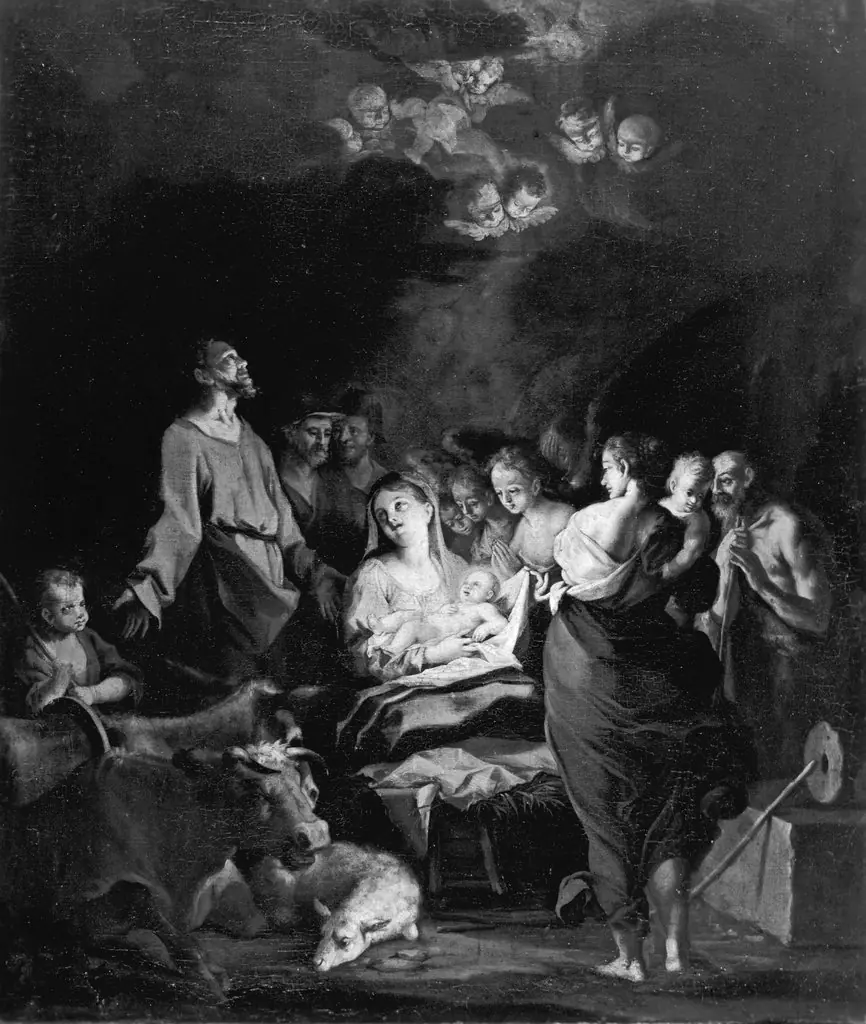 The Adoration of the Shepherds
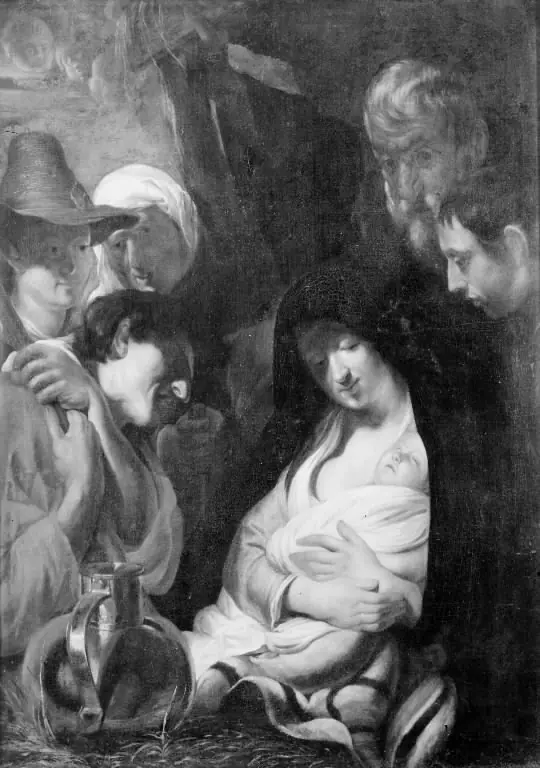 The Adoration of the Shepherds
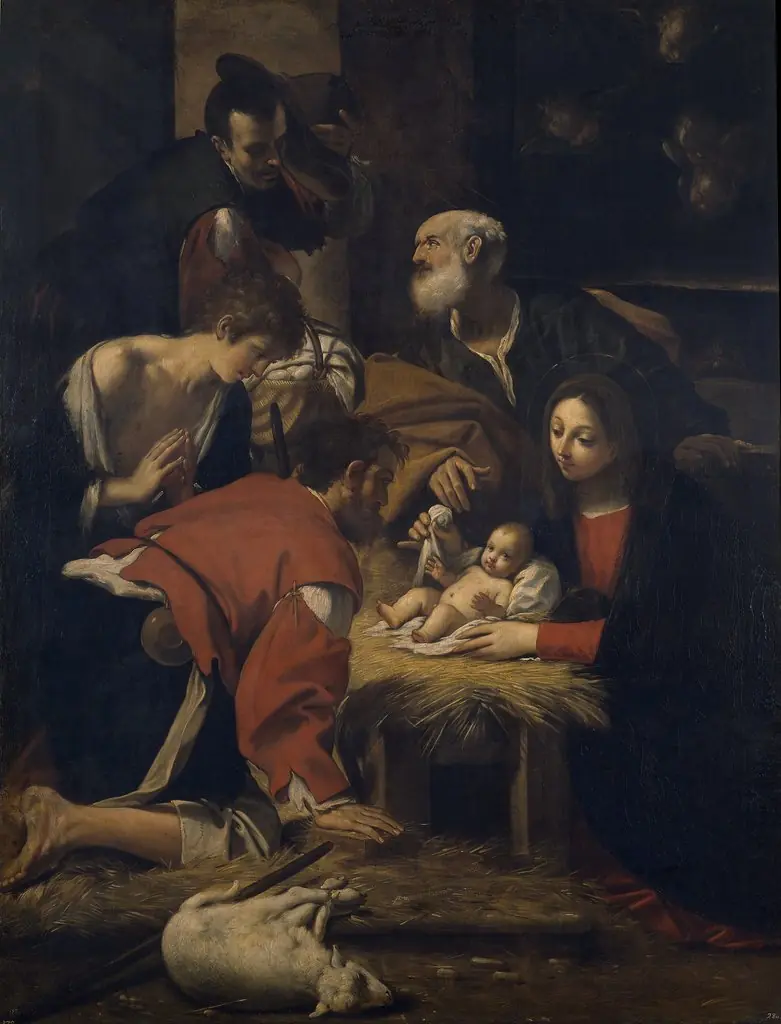 The Adoration of the Shepherds
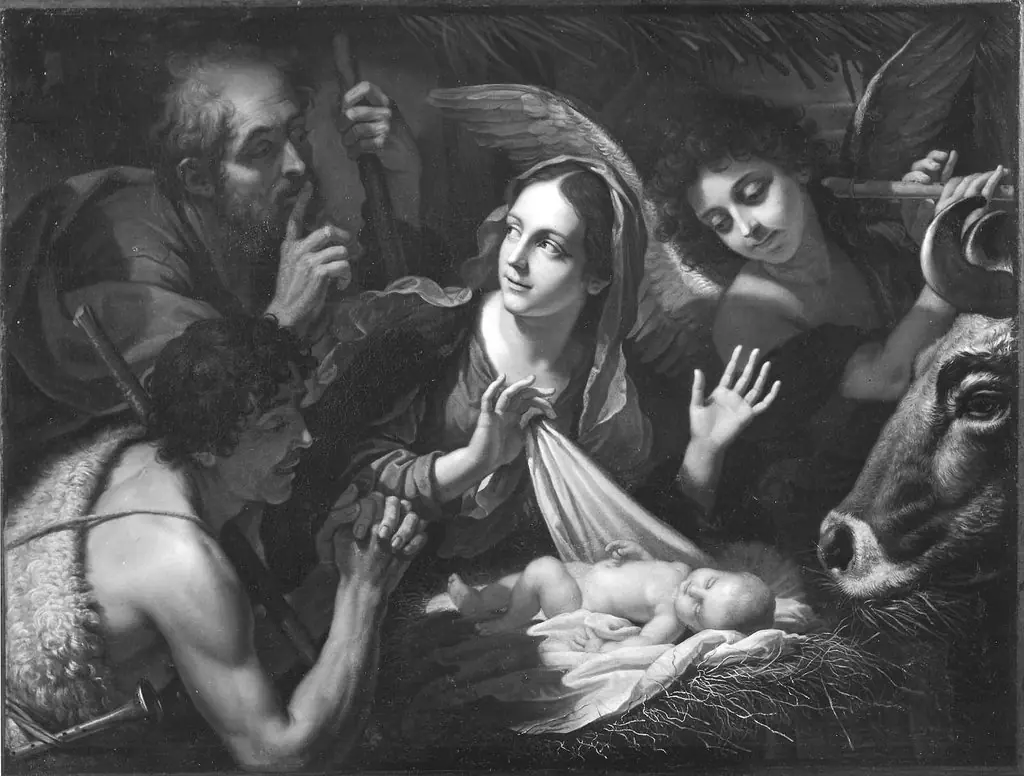 Adoration of the Shepherds
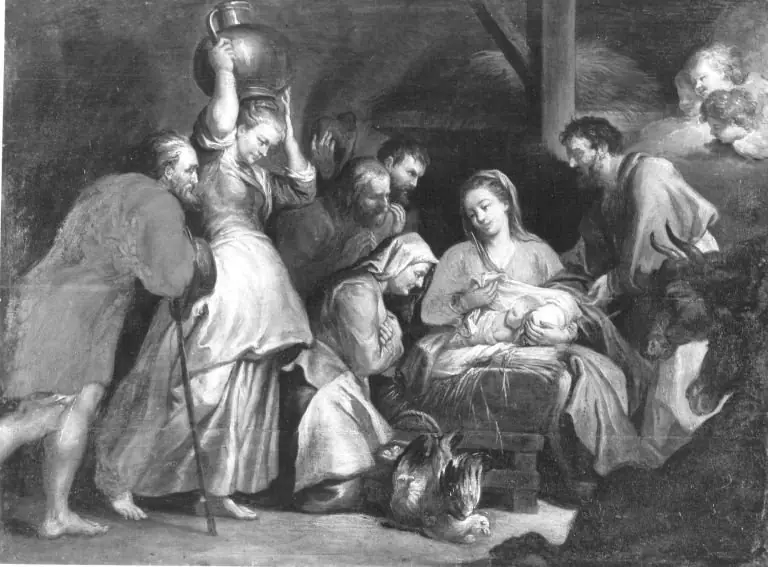 Anbetung der Hirten (nach dem Stich von Lucas Vorstermans d. Ä.)
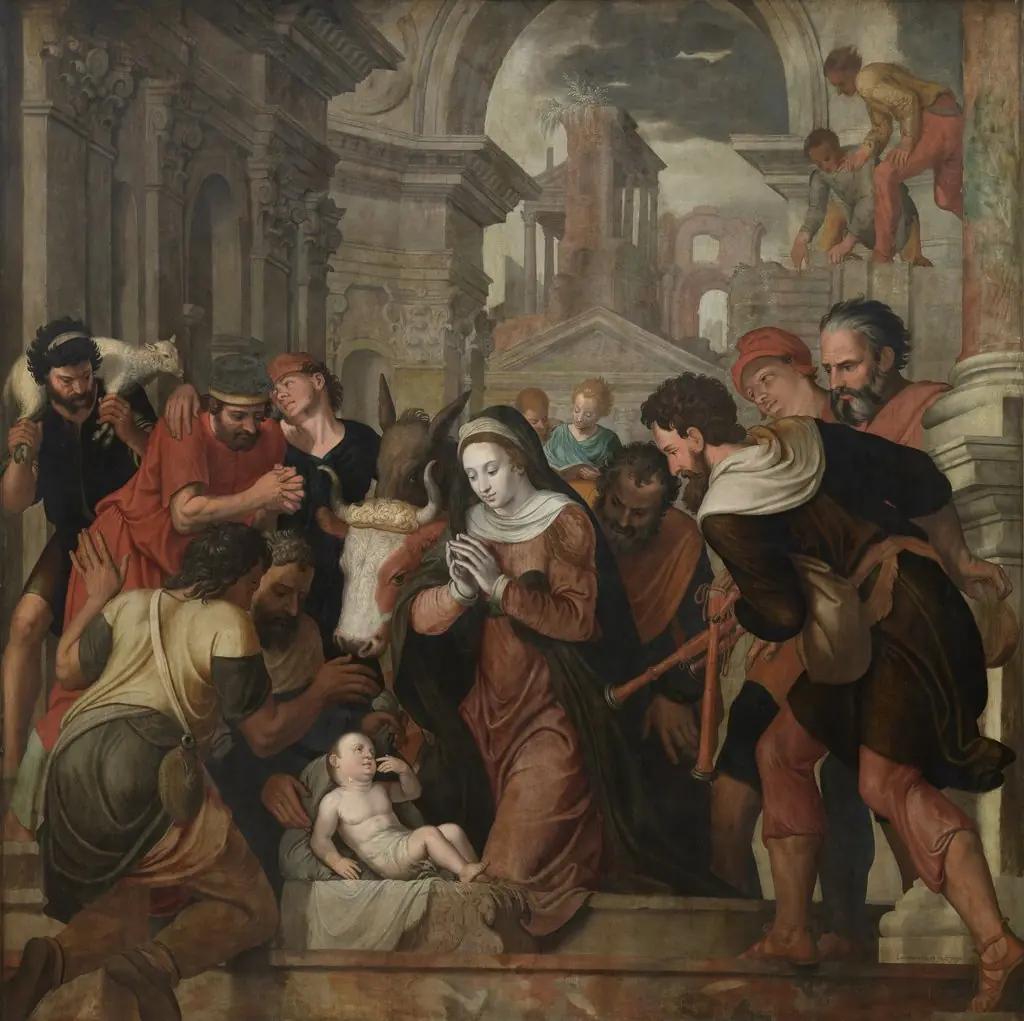 The Adoration of the Shepherds
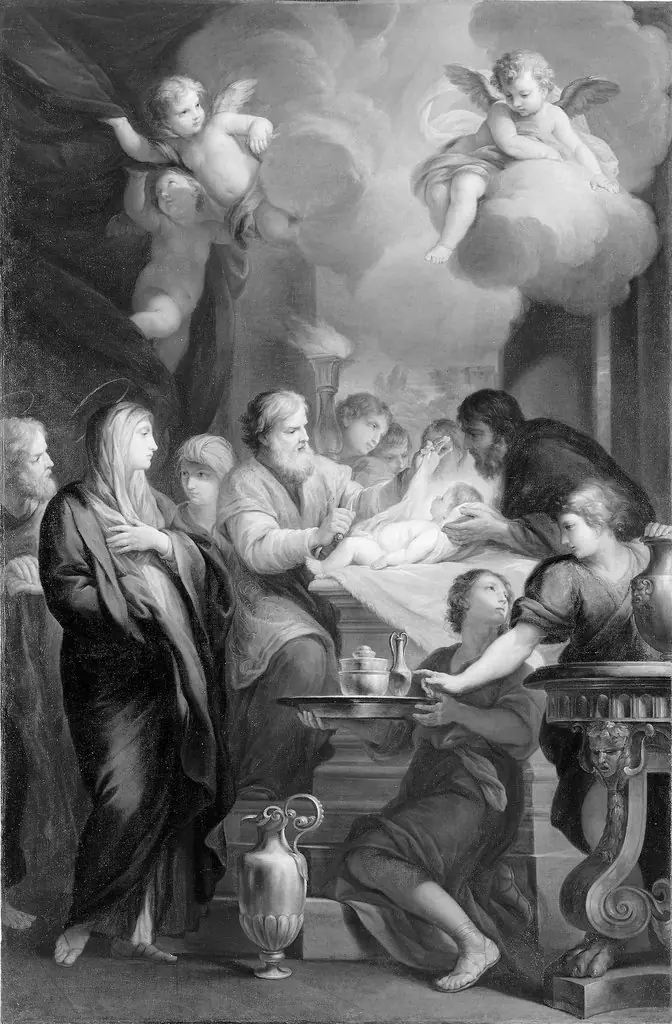 The Circumcision
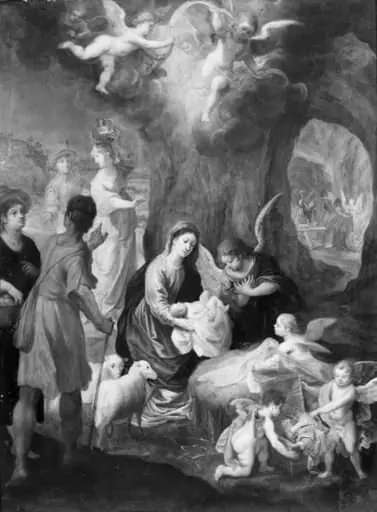 The Holy Family with Saints
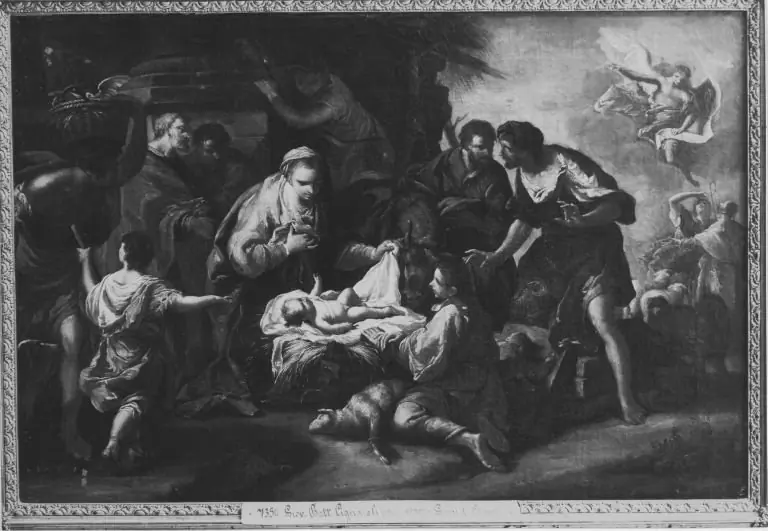 Die Anbetung der Hirten
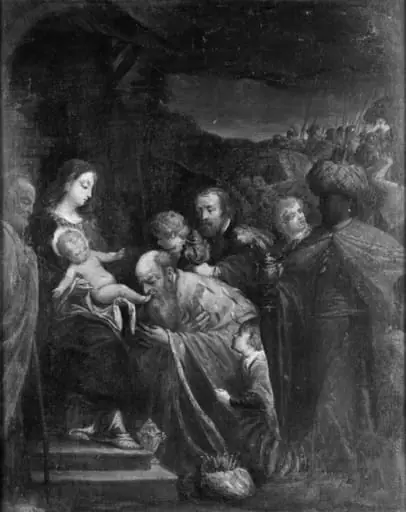 The Adoration of the Kings
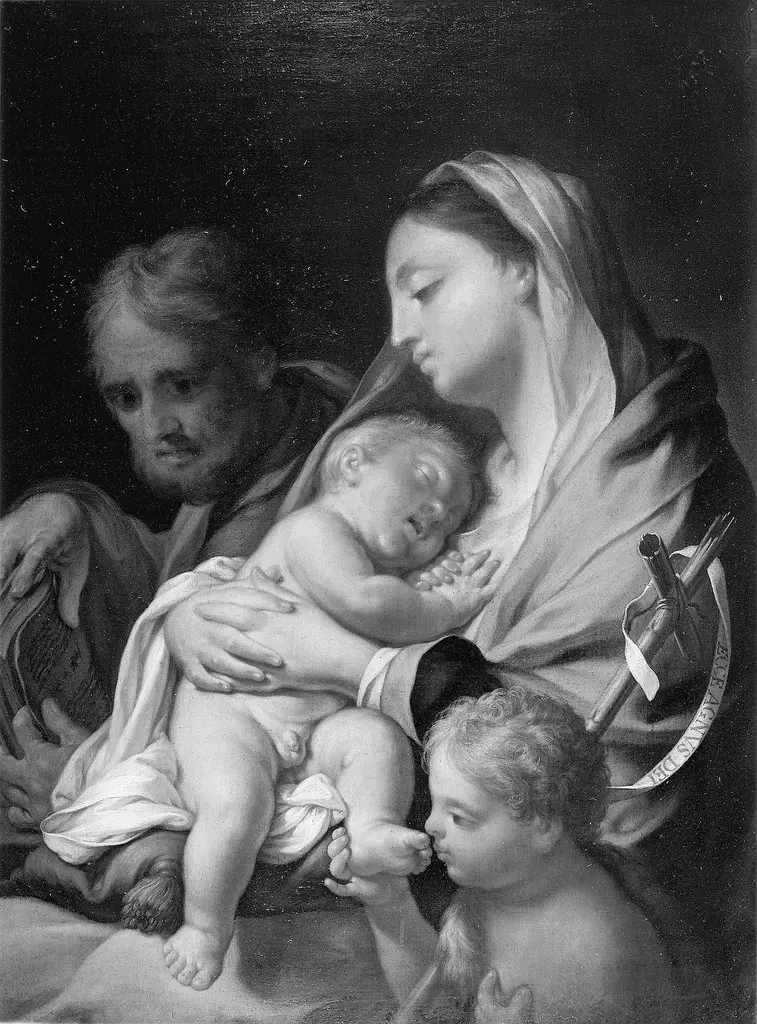 Holy Family with the Infant St. John
 The Holy Family