Artwork
The Circumcision
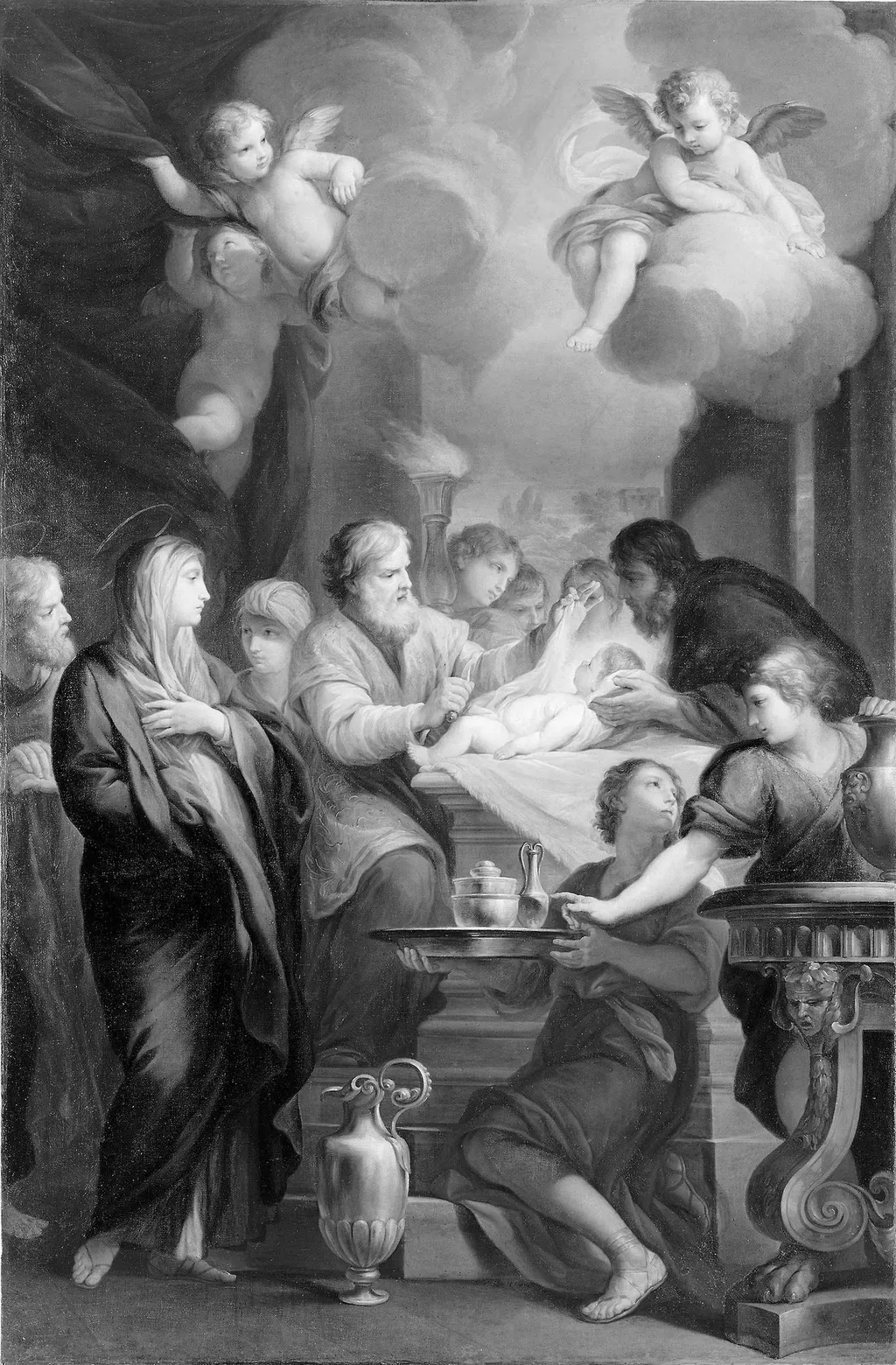
The Circumcision is an oil painting by the Rococo painting artist Stefano Pozzi. It dates from 1762 and is held in the collection of the Art Institute of Chicago.
About this work
Overview
Painted in 1762 by Stefano Pozzi, this oil-on-canvas work depicts the ritual circumcision of the infant Jesus, a moment described in the Gospel of Luke.
Painted in 1762 by Stefano Pozzi, this oil-on-canvas work depicts the ritual circumcision of the infant Jesus, a moment described in the Gospel of Luke. The painting is part of the permanent collection at the Art Institute of Chicago, where it has been held since the early 20th century. Its composition centers on a quiet, intimate domestic setting, contrasting with the solemnity of the religious rite.
Subject & Meaning
The scene illustrates the eighth-day Jewish tradition of circumcision, marking Jesus’s entry into the covenant. Figures surrounding the infant include Joseph, a priest, and witnesses, all rendered with restrained emotion. Above, angels hover with lit candles and linen cloths, symbolizing divine presence and ritual purity. The focus on the child underscores theological themes of obedience and fulfillment of sacred law.
Technique & Style
Pozzi employs chiaroscuro to model forms with soft, directional light, enhancing the three-dimensionality of faces and fabrics. The palette is muted, dominated by earth tones and pale linens, with subtle highlights on skin and metal objects. Brushwork is refined but not overly detailed, favoring atmospheric harmony over dramatic gesture, reflecting late Baroque sensibilities adapted to quiet devotion.
History & Provenance
Commissioned for a religious context, likely a chapel or private devotional space, the painting entered the Art Institute of Chicago’s collection in 1922. Its earlier provenance remains partially undocumented, though stylistic analysis suggests it was created in Rome during Pozzi’s mature period. The work was likely acquired through a European dealer or collector with ties to Italian ecclesiastical art.
Context
In mid-18th-century Rome, religious painting remained central to artistic production, even as Enlightenment ideals gained ground. Pozzi, trained in the Roman academic tradition, balanced classical composition with emotional restraint. This work aligns with contemporaneous devotional imagery that emphasized intimate human moments within sacred narratives, appealing to both clergy and lay patrons.
Legacy
Though not widely reproduced, the painting exemplifies the persistence of traditional religious iconography in late Baroque Italy. It reflects a transitional moment where emotional subtlety replaced theatricality in sacred art. Today, it serves as a quiet counterpoint to more flamboyant religious works, offering insight into how faith was visually mediated in private and communal devotion.
Own this work as a print
Artist & collection
Artist
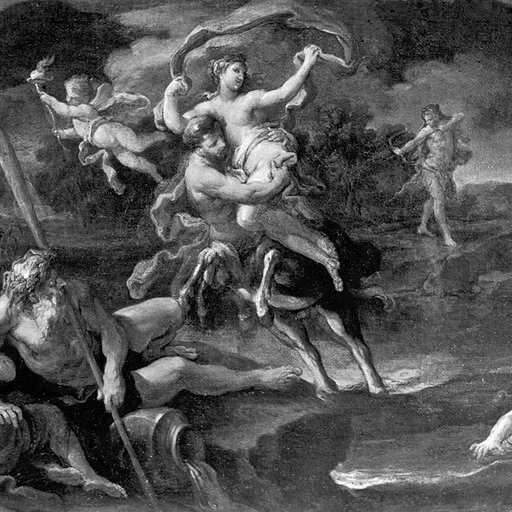
Stefano Pozzi was an Italian painter, designer, draughtsman, and decorator whose career was spent largely in Rome.


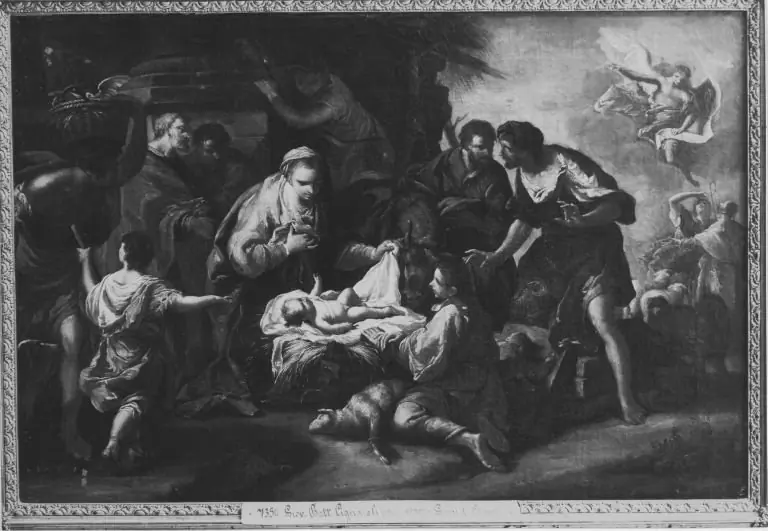 Die Anbetung der Hirten
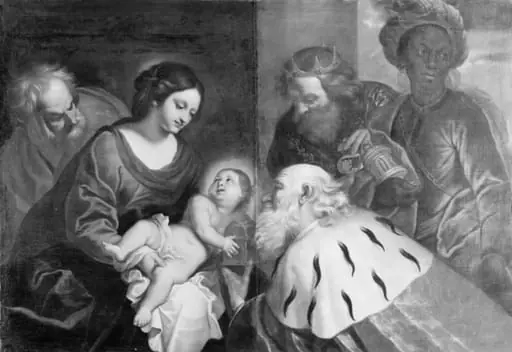 Kongernes tilbedelse
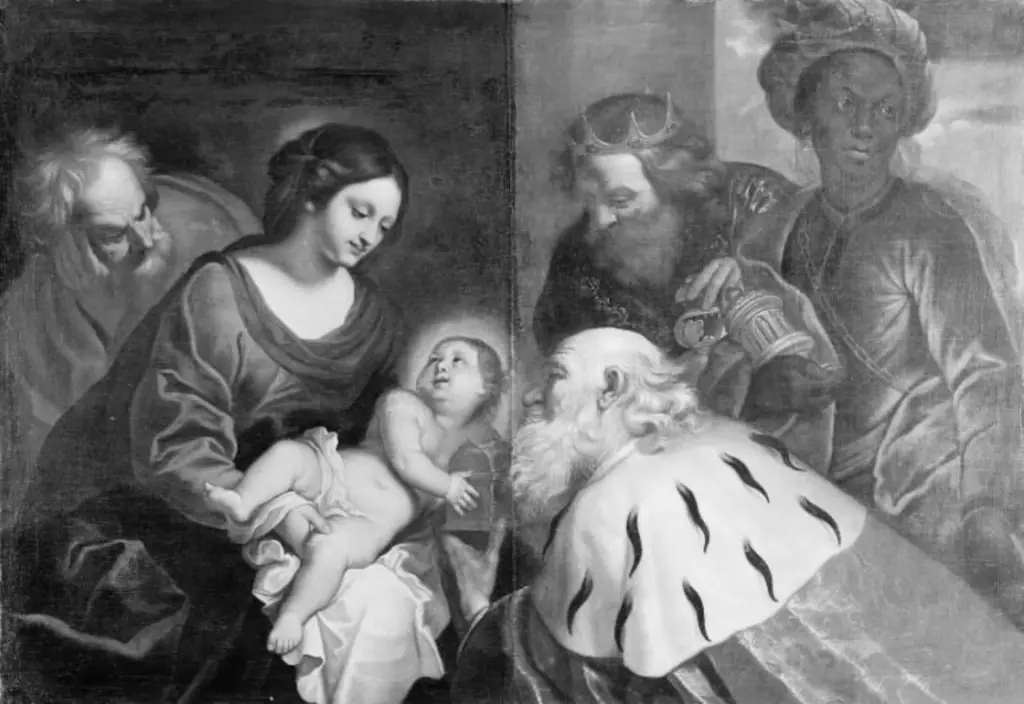 Kongernes tilbedelse
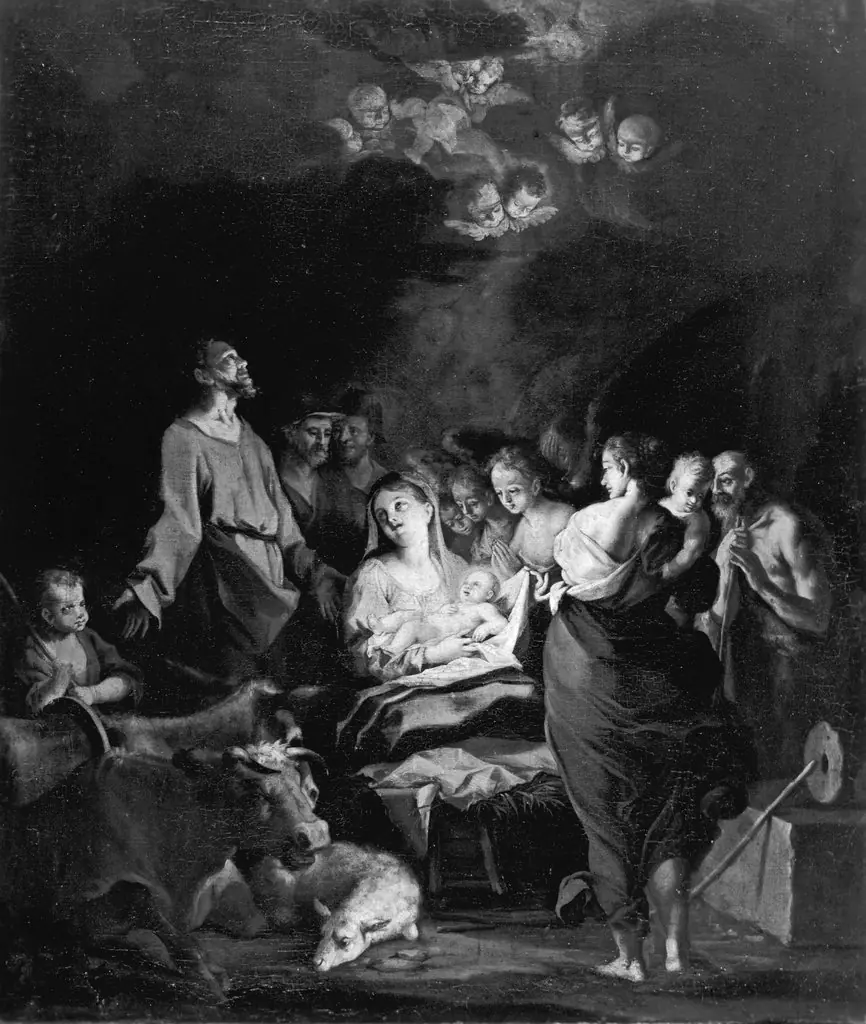 The Adoration of the Shepherds
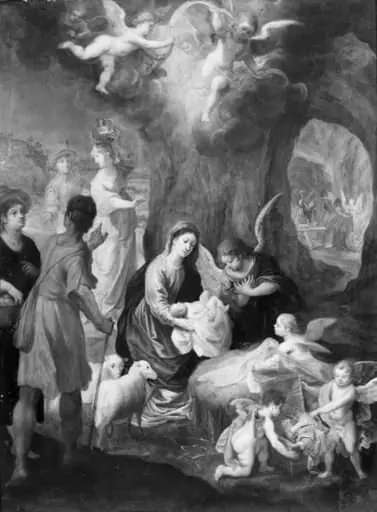 The Holy Family with Saints
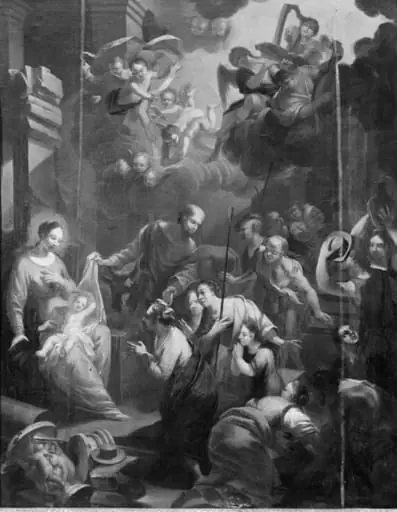 The Adoration of the Shepherds
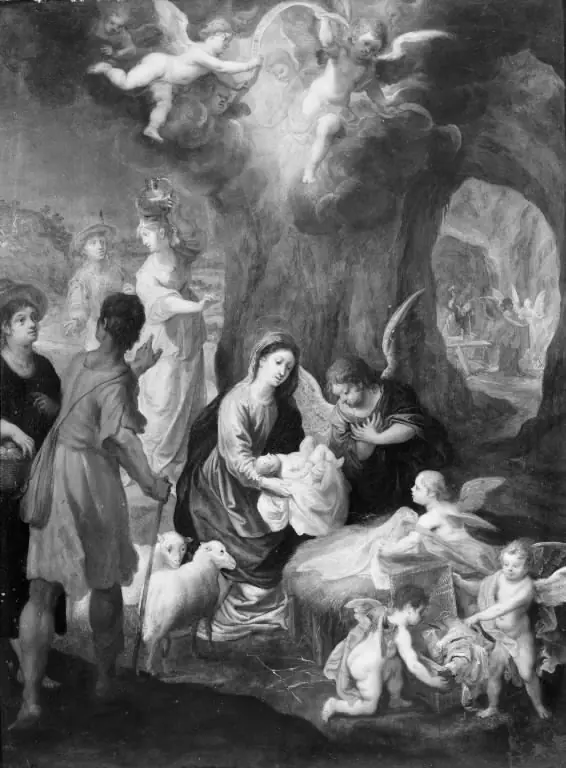 The Holy Family with Saints
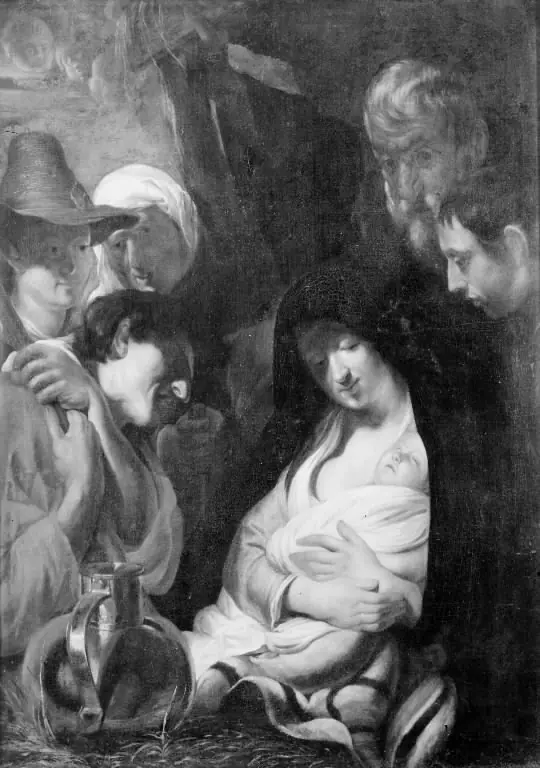 The Adoration of the Shepherds
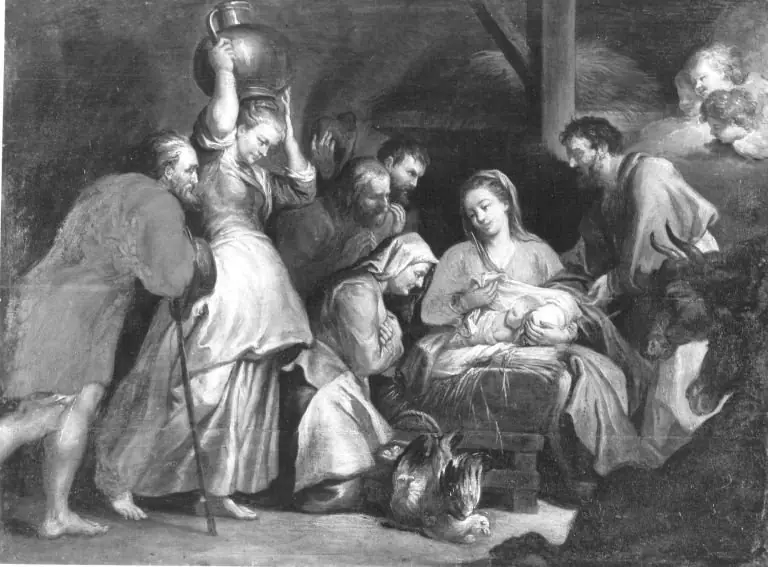 Anbetung der Hirten (nach dem Stich von Lucas Vorstermans d. Ä.)
 The Adoration of the Shepherds
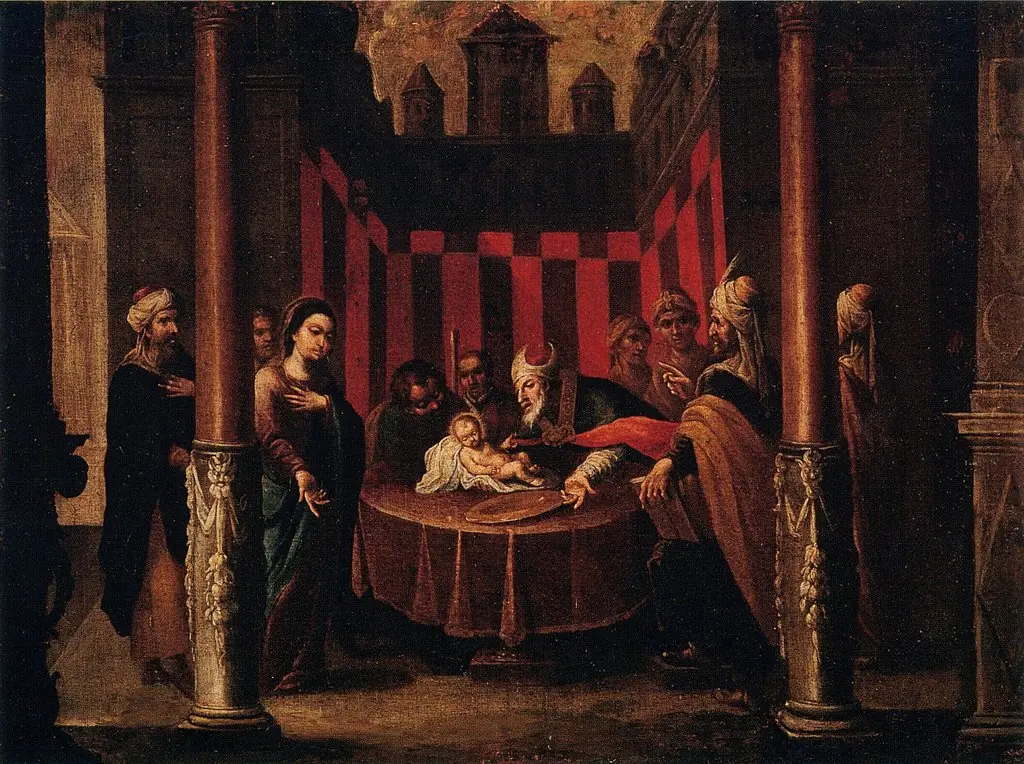 Circumcision (previous Adoration of the Magi)