Artwork
A Mediterranean Harbour
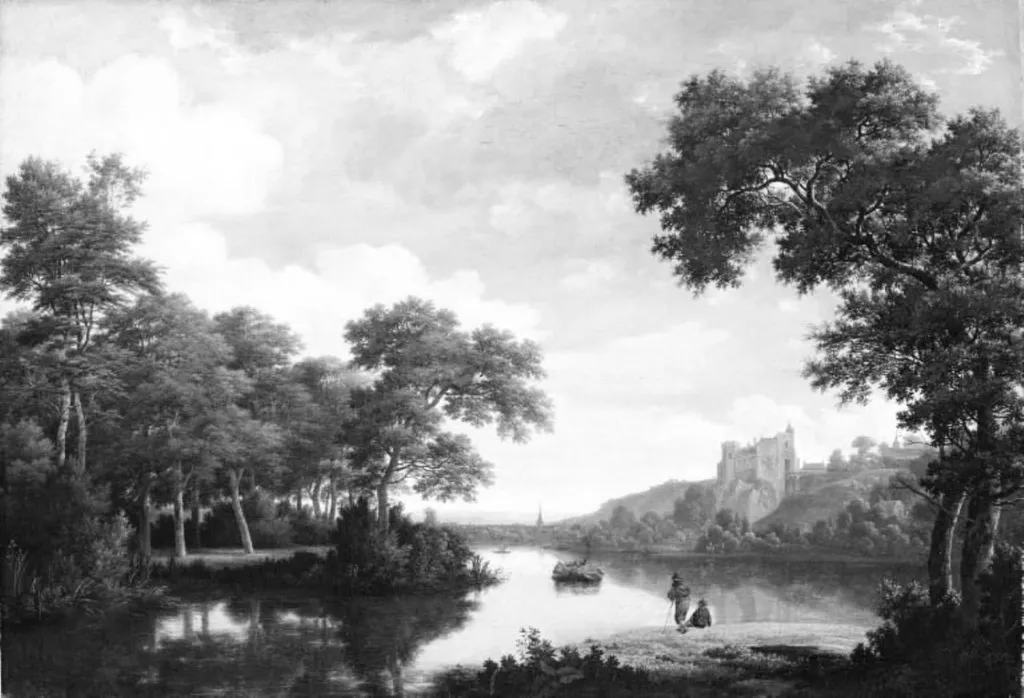
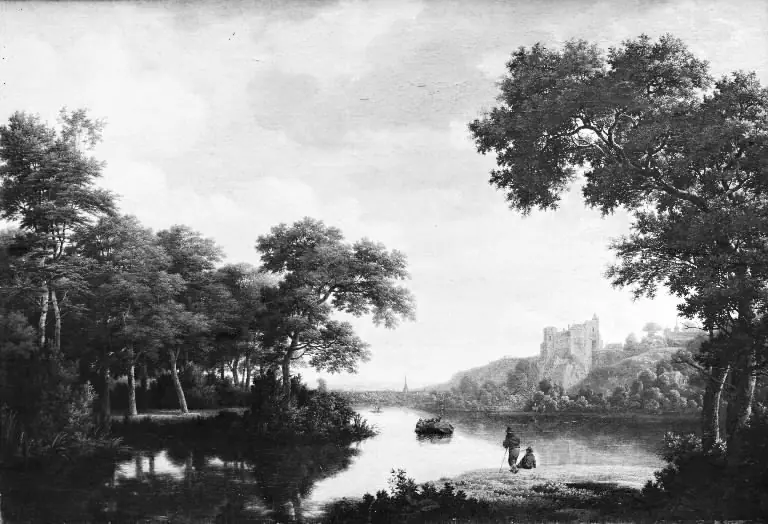
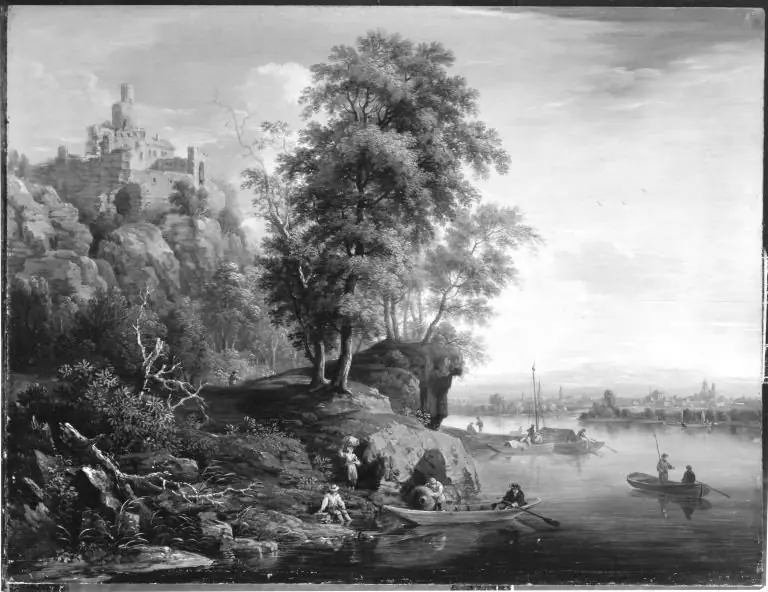
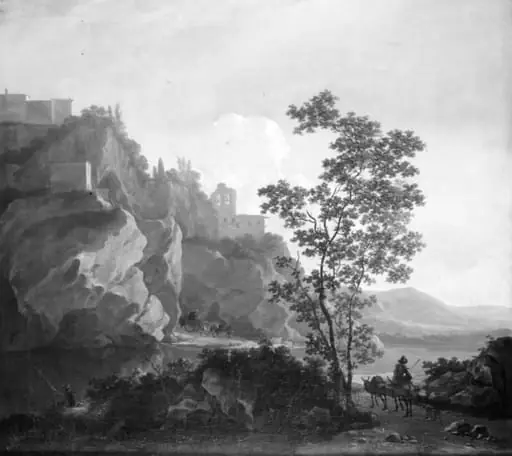
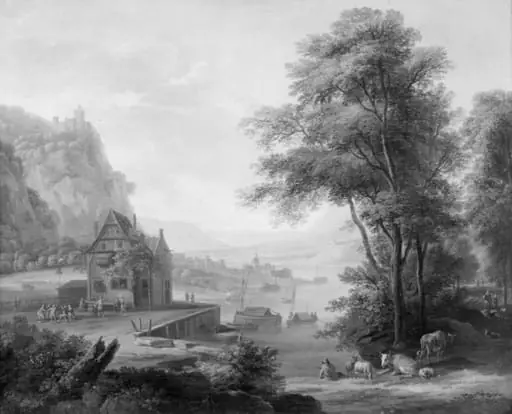
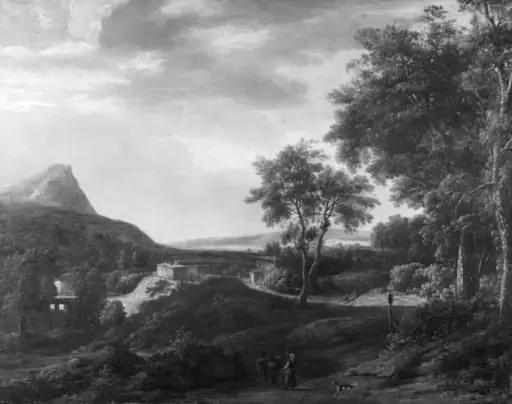
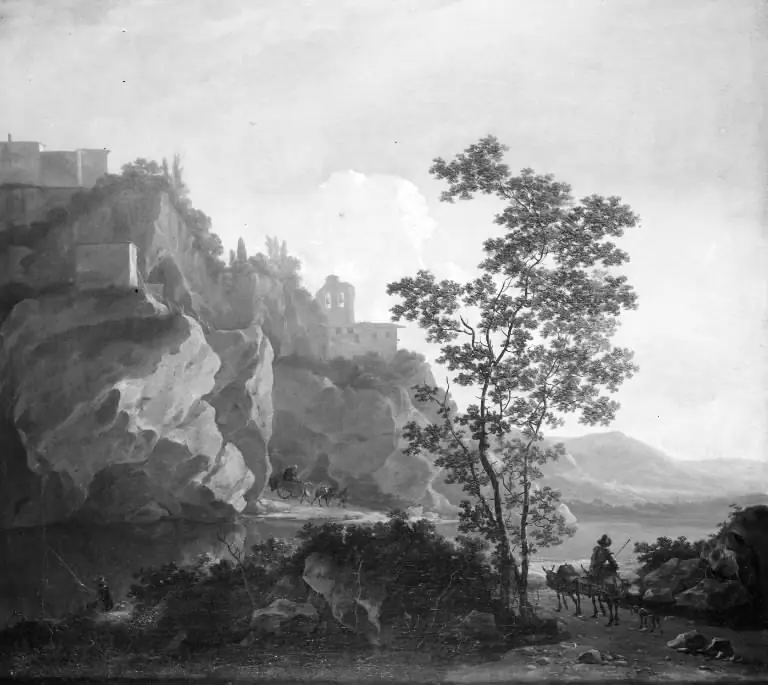
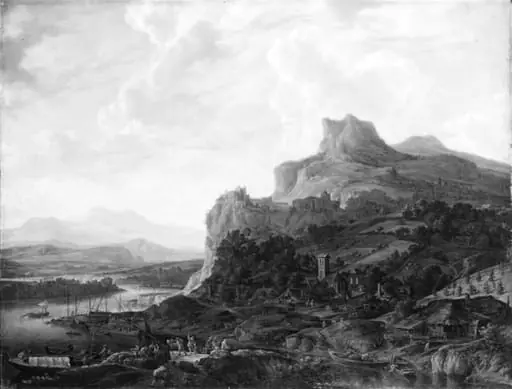
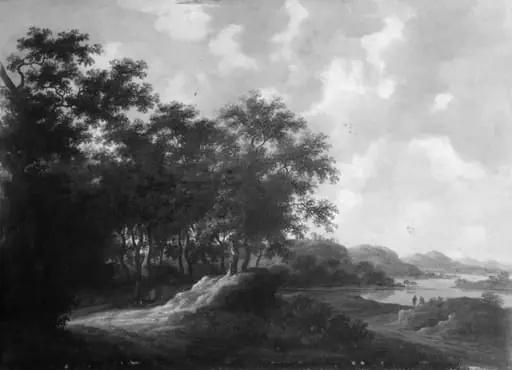
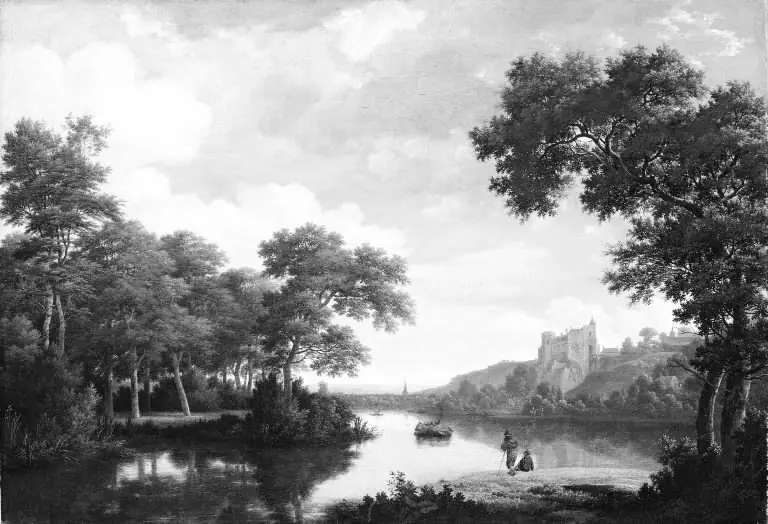
A Mediterranean Harbour is a photography by Unknown. It dates from 1650 and is held in the collection of the Statens Museum for Kunst. This black-and-white landscape, dated around 1650, portrays a quiet harbor along a Mediterranean coast.
About this work
Overview
This black-and-white landscape, dated around 1650, portrays a quiet harbor along a Mediterranean coast. Though labeled as a river scene, its tidal inlet and coastal architecture suggest a sea port. The work is held in the collection of the Museum of Ethnography, where it is cataloged as a single-image piece, likely intended as a study or preparatory sketch rather than a finished painting.
Subject & Meaning
The composition emphasizes stillness and isolation, possibly reflecting a contemplative view of coastal life rather than a depiction of commerce or activity.
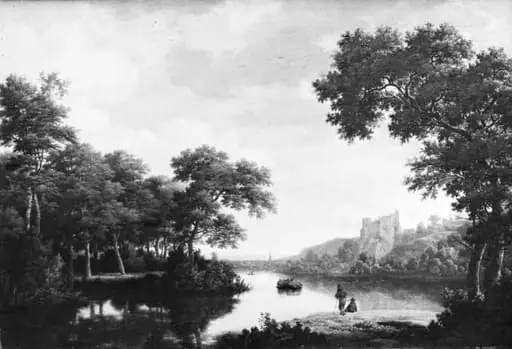
The scene centers on a tranquil harbor with a distant castle perched on a hill, suggesting a fortified settlement. A small boat drifts mid-river, while two figures stand quietly on the shore, their presence adding scale but no narrative action. The composition emphasizes stillness and isolation, possibly reflecting a contemplative view of coastal life rather than a depiction of commerce or activity.
Technique & Style
Rendered in monochrome, the work relies on tonal gradations to suggest depth and texture. Trees and foliage are indicated with loose, suggestive strokes, while the castle and shoreline are rendered with restrained detail. The cloudy sky occupies a large portion of the upper frame, enhancing the mood of calm. The absence of color and sharp definition points to a focus on atmosphere over realism.
History & Provenance
The artist’s identity remains unverified, with no documented records linking the work to a known painter of the period. It entered the Museum of Ethnography’s collection in the early 20th century, likely acquired as part of a broader ethnographic or topographical archive. Its origins and intended function are unclear, though its format suggests it may have been part of a travel journal or regional survey.
Context
In mid-17th-century Europe, coastal views were often produced for navigational, military, or commercial purposes. This work diverges from such utilitarian aims by emphasizing serenity over detail. Its monochrome execution and lack of identifiable landmarks suggest it may have been created by an amateur or as part of a personal record, rather than for public display or patronage.
Legacy
The piece remains an enigmatic artifact within its collection, valued for its quiet aesthetic rather than its historical significance. It contributes little to the known oeuvre of any named artist but offers insight into how ordinary observers recorded landscapes during a period when visual documentation was becoming more widespread, even outside formal artistic circles.
Artist & collection

 Domestic Scene
 Giacomo and Cardinal Marco, investing Andrea, Abbot of San Zeno, with his Benefice
 The Nymph of Fontainebleau
 Portrait of a Woman
 Madonna and Child with Saints in the Enclosed Garden
 Venus and Minerva
 Family Group of Four on Sofa
 Wall painting from Room H of the Villa of P. Fannius Synistor at Boscoreale