Artwork
Portrait of a Gentleman
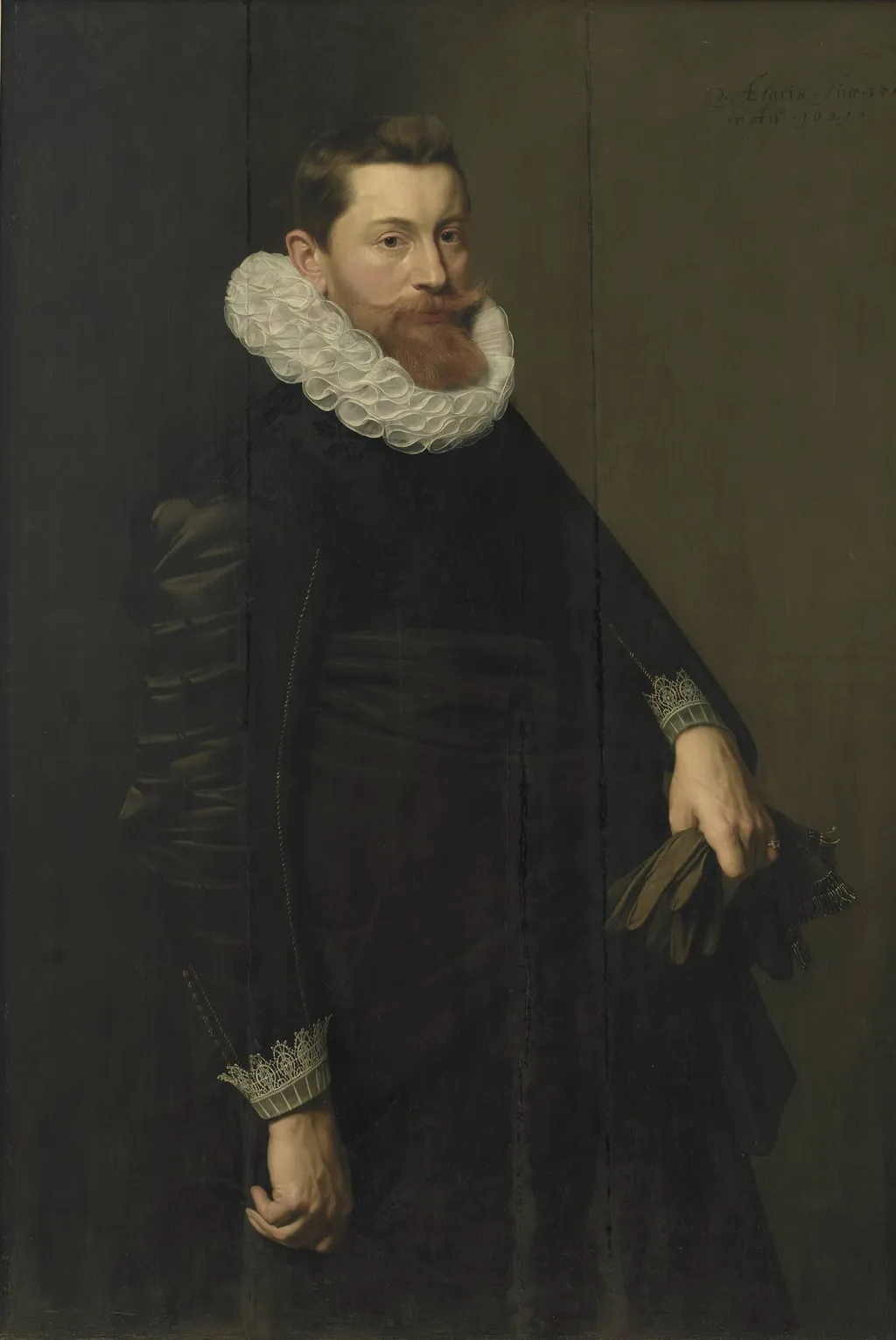
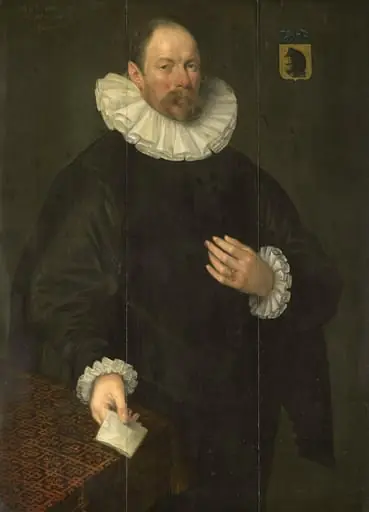
Portrait of a Gentleman is an unspecified painting by the Baroque artist Unknown. It dates from 1621 and is held in the collection of the Statens Museum for Kunst. This 1621 portrait depicts a man in formal attire, rendered with careful attention to texture and lighting.
About this work
To learn more about the artistic style and techniques used in this painting, explore the Baroque movement.
This painting depicts a man dressed in black, with a white ruffled collar and cuffs. He has a red beard and mustache, and his right hand holds a black object, possibly a hat or gloves. His left hand is at his side.
The man's attire and the style of the painting suggest a formal portrait from the 17th century. The dark background and the use of chiaroscuro create a sense of depth and contrast.
The painting's attention to detail and use of light and shadow create a sense of realism. To learn more about the artistic style and techniques used in this painting, explore the Baroque movement.
Overview
This 1621 portrait depicts a man in formal attire, rendered with careful attention to texture and lighting. Executed in oil on panel, the work belongs to the early Baroque period and is currently housed in the Museum of Ethnography. The subject’s poised stance and restrained expression reflect conventions of elite portraiture from northern Europe during the early 17th century.
Subject & Meaning
The man, identified only by his appearance, wears a black doublet with a high white lace collar and matching cuffs, signaling wealth and social standing. His red beard and mustache, along with the dark object in his right hand—likely a hat or pair of gloves—suggest a composed, dignified presence. The absence of symbols or background elements focuses attention on his individuality and self-possession.
Technique & Style
The artist employs chiaroscuro to model the face and clothing, enhancing three-dimensionality through sharp contrasts between light and shadow. Fine brushwork captures the sheen of silk, the texture of lace, and the grain of the beard. The dark, undefined background isolates the figure, a common Baroque strategy to heighten psychological presence and visual focus.
History & Provenance
The painting entered the Museum of Ethnography’s collection in the late 19th century, though its earlier ownership remains undocumented. Its attribution to the artist 30334_person is based on stylistic comparison with other works from the period. No inscriptions or signatures are visible, and its journey from creation to museum acquisition is not fully traceable.
Context
Created during a time when portraiture served both personal and social functions, this work aligns with trends in Dutch and Flemish painting where sitters were depicted with quiet dignity. The emphasis on material detail and naturalistic lighting reflects broader artistic developments in the Low Countries, where realism and individual identity gained prominence in visual culture.
Legacy
Though not widely exhibited or studied, the portrait contributes to the understanding of non-noble portraiture in the early Baroque era. Its preservation in an ethnographic museum, rather than a fine arts institution, invites questions about how cultural identity and artistic value were categorized in later collecting practices.
Artist & collection

 Domestic Scene
 Giacomo and Cardinal Marco, investing Andrea, Abbot of San Zeno, with his Benefice
 The Nymph of Fontainebleau
 Portrait of a Woman
 Madonna and Child with Saints in the Enclosed Garden
 Venus and Minerva
 Family Group of Four on Sofa
 Wall painting from Room H of the Villa of P. Fannius Synistor at Boscoreale
 Portrait of a Gentleman
 Portrait of a gentleman
 Portrait of Dirck Hasselaer (1581-1645)
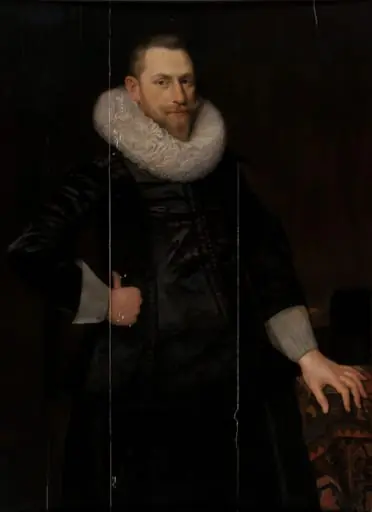 Untitled
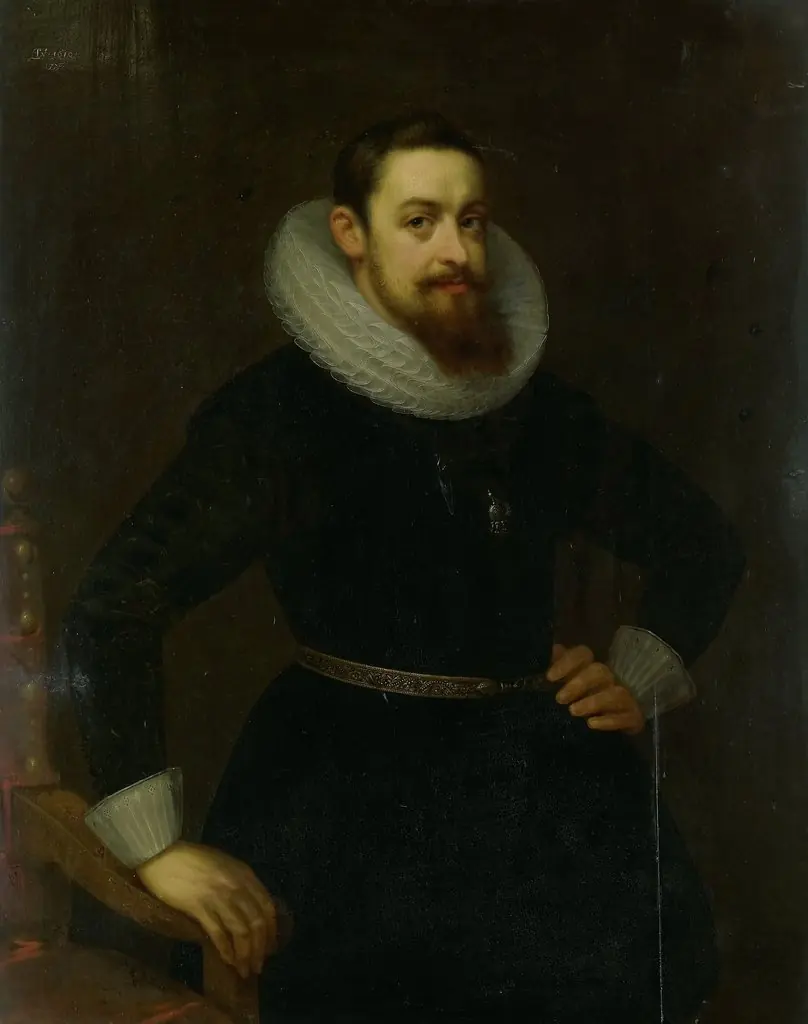 Portrait of Jeremias Boudinois
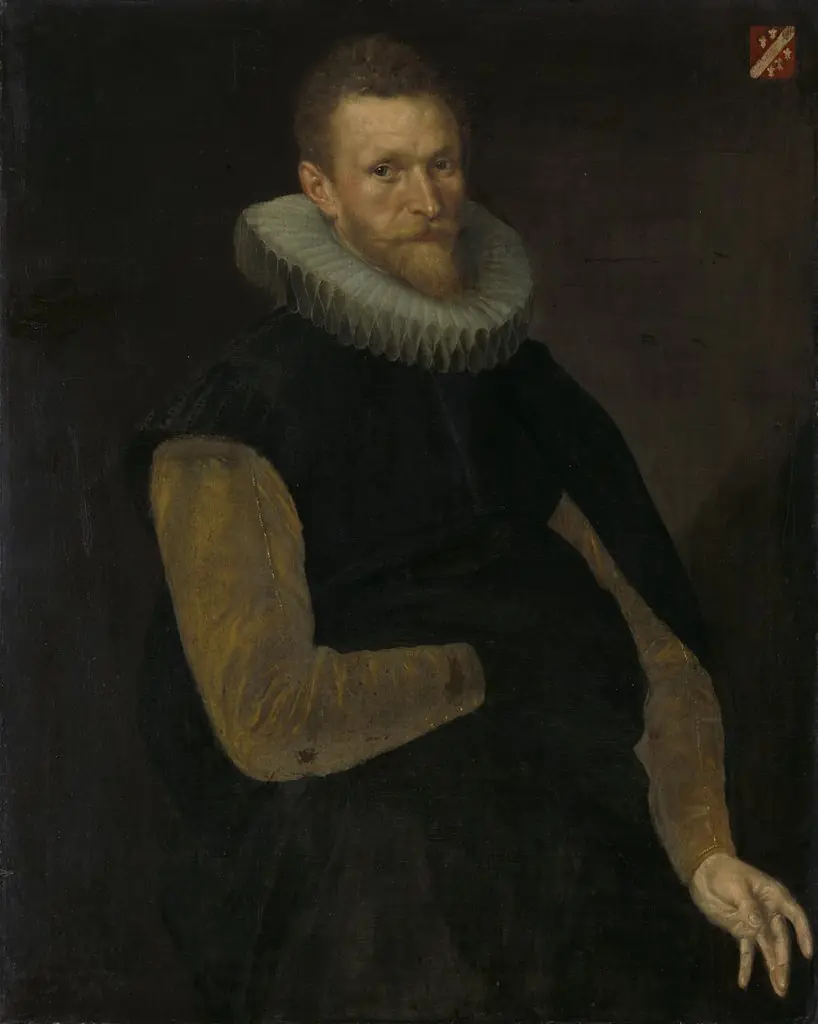 Portrait of Jacob Cornelisz Banjaert, called van Neck (1564-1638). Admiral & mayor of Amsterdam
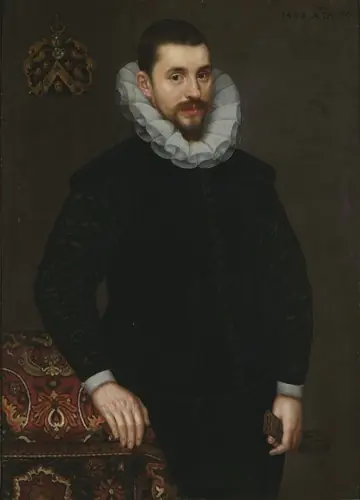 Portret van Jean Charles della Faille, heer van Rijmenam
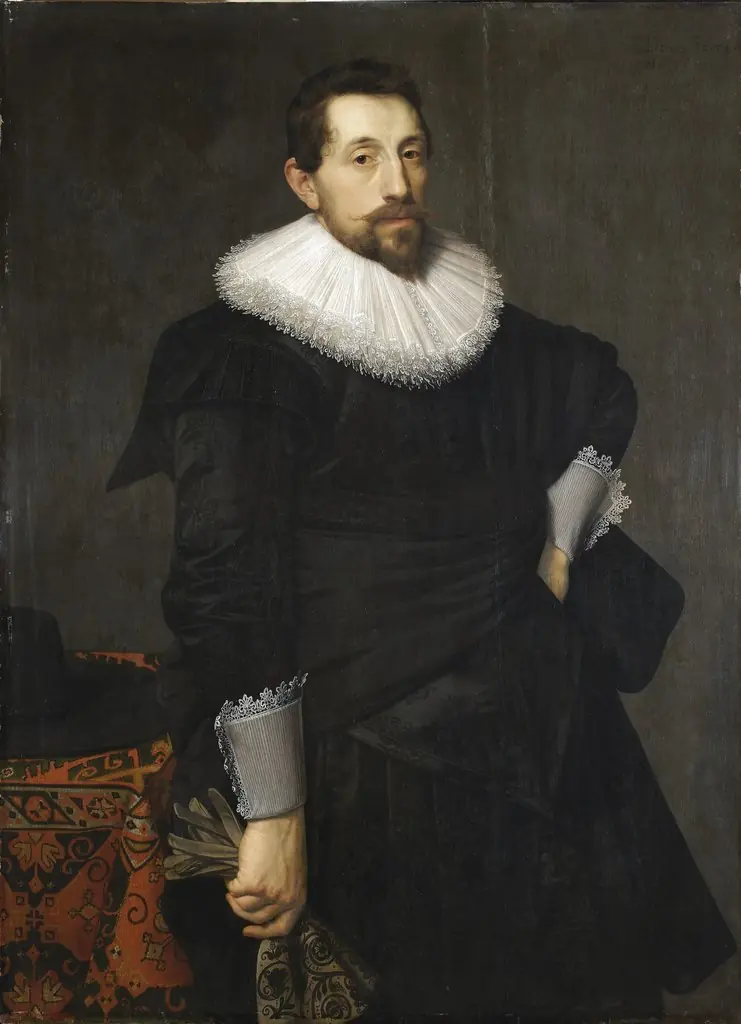 Portrait of a Man with Gloves
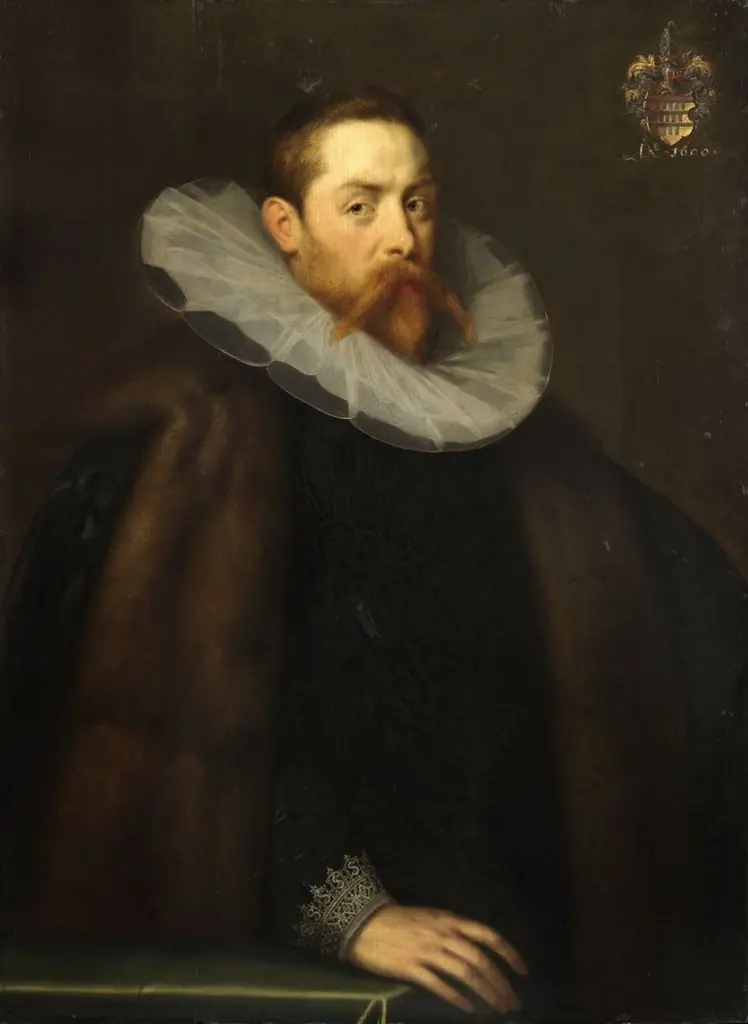 Portrait of a Member of the Lyskirchen Family
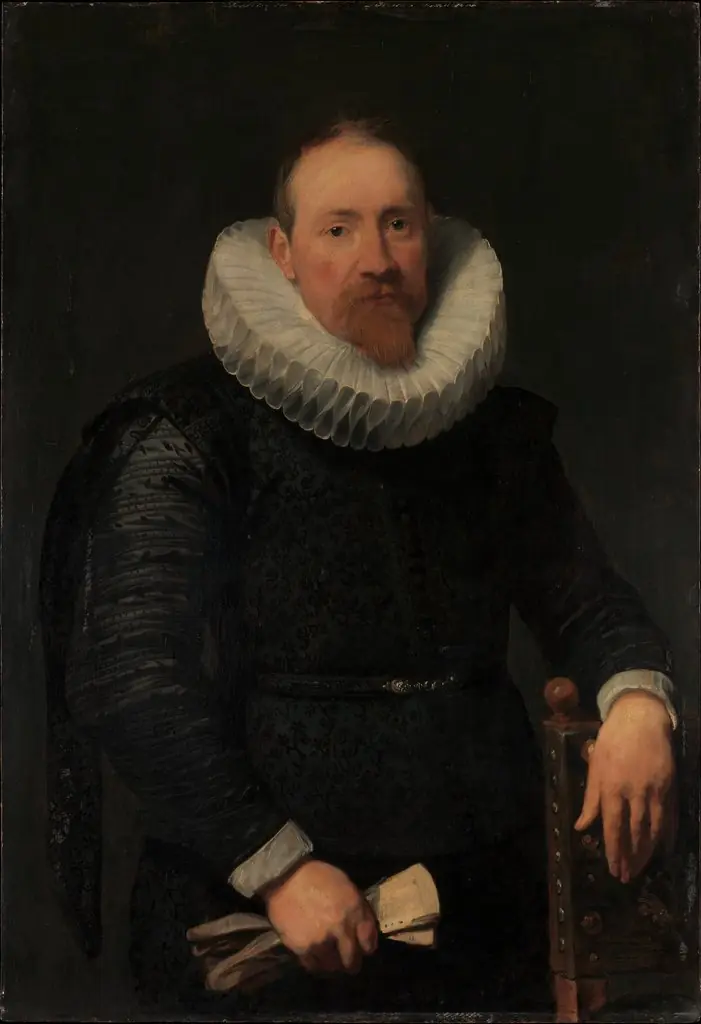 Portrait of a Man
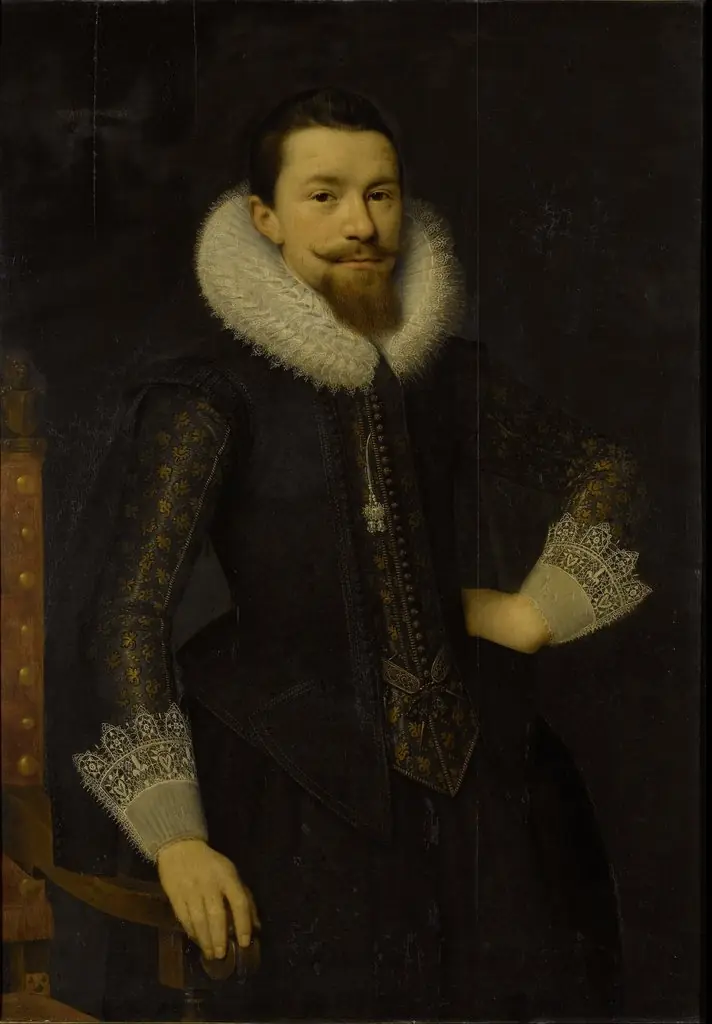 Portrait of Pieter Boudaen Courten (1594-1668)
 Portrait of Paulus Cornelisz van Beresteyn (1548-1625), Burgomaster of Delft