Artwork
Portrait of a Man with Gloves
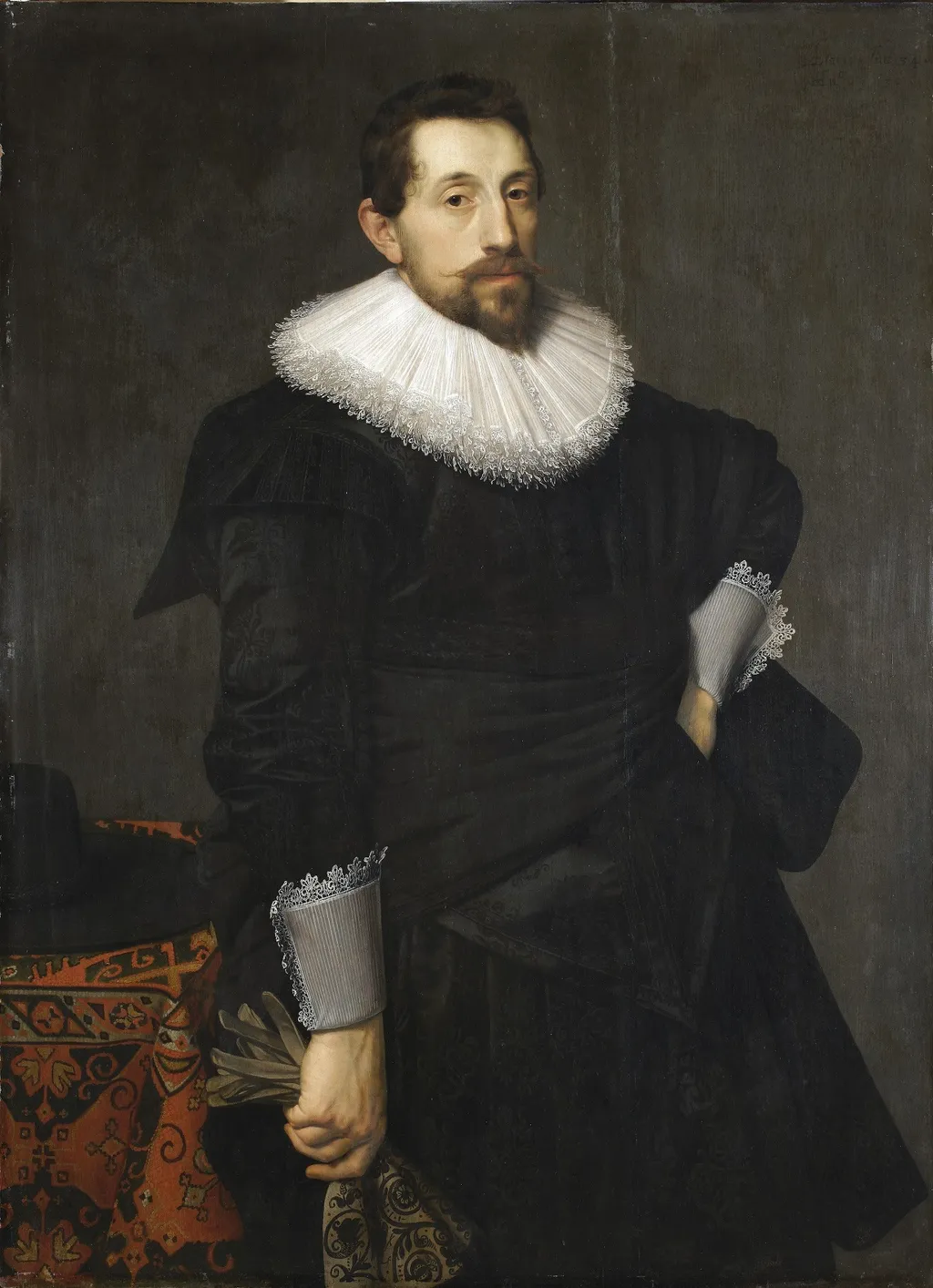
Portrait of a Man with Gloves is an oil painting by the Dutch Golden Age artist Nicolaes Eliaszoon Pickenoy. It dates from 1630 and is held in the collection of the Hermitage Museum.
About this work
Overview
Nicolaes Eliaszoon Pickenoy, a Dutch painter of Flemish descent active during the Golden Age, completed the oil painting *Portrait of a Man with Gloves* in 1630. The work is part of the collection of the State Hermitage Museum and exemplifies the portrait genre that dominated his output.
Subject & Meaning
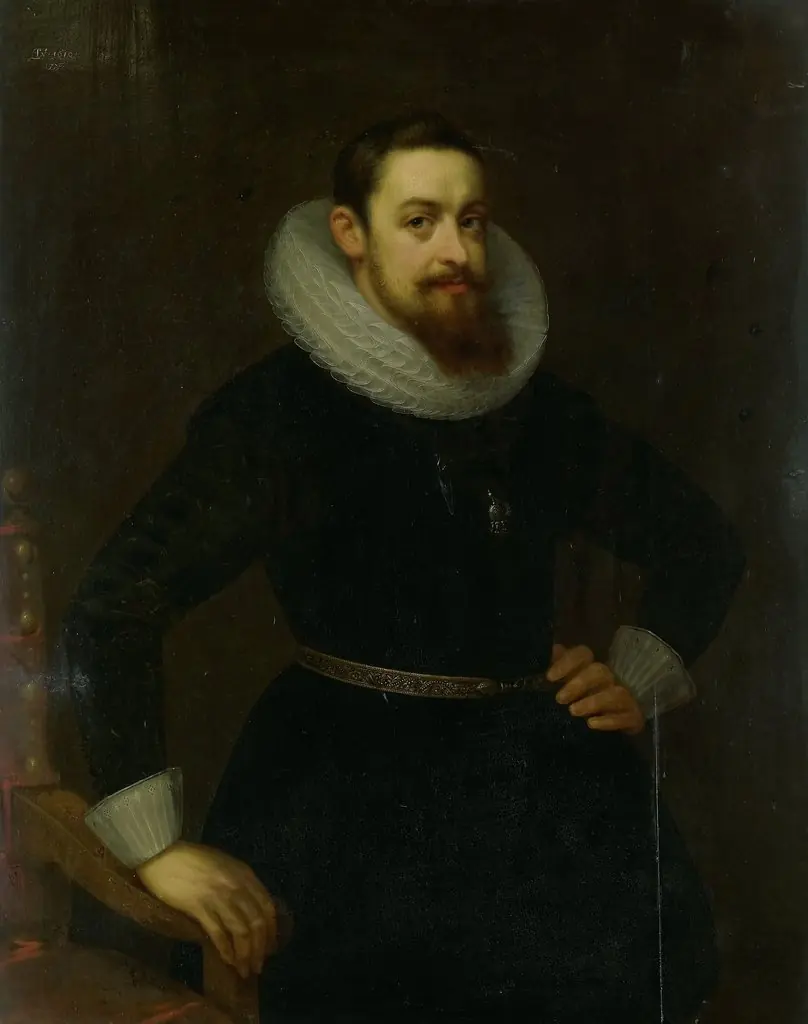
The canvas depicts a seated gentleman dressed in black, his hands resting on a red, patterned cushion. A crisp white lace collar frames his face, while his cuffs are threaded with silver. The subdued background isolates the figure, emphasizing his attire and bearing without narrative distraction.
Technique & Style
Pickenoy employs a restrained chiaroscuro, allowing light to illuminate the sitter’s face and hands while casting a gentle shadow on the right side. This handling of light creates a three‑dimensional effect, highlighting the texture of the lace, the sheen of the silver cuffs, and the richness of the black garments.
History & Provenance
Although details of the sitter remain unknown, the portrait entered the State Hermitage Museum’s holdings in the 20th century. Pickenoy’s possible apprenticeship with Cornelis van der Voort informs the work’s compositional balance and refined finish, characteristic of early‑17th‑century Dutch portraiture.
Context
Created at a time when Dutch society prized individual representation, the painting reflects contemporary fashions: black silk attire, lace collars, and ornamental gloves signaled status. Such portraits served both as personal commemoration and as visual affirmations of wealth and taste within the burgeoning merchant class.
Own this work as a print
Artist & collection
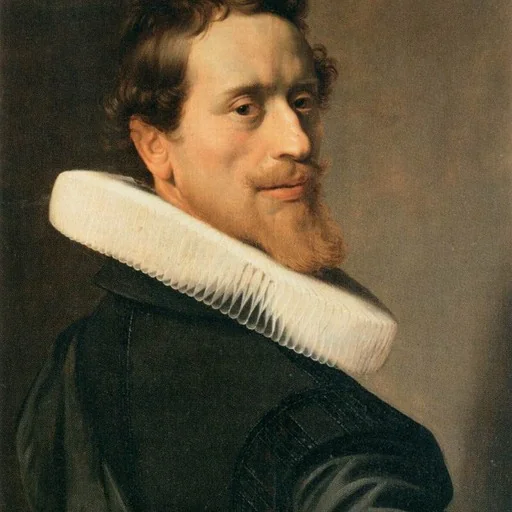
Artist
Nicolaes Eliaszoon Pickenoy (10 January 1588 – 1653/1656) was a Dutch painter of Flemish origin. Pickenoy was possibly a pupil of Cornelis van der Voort and presumably Bartholomeus van der Helst was his own pupil.

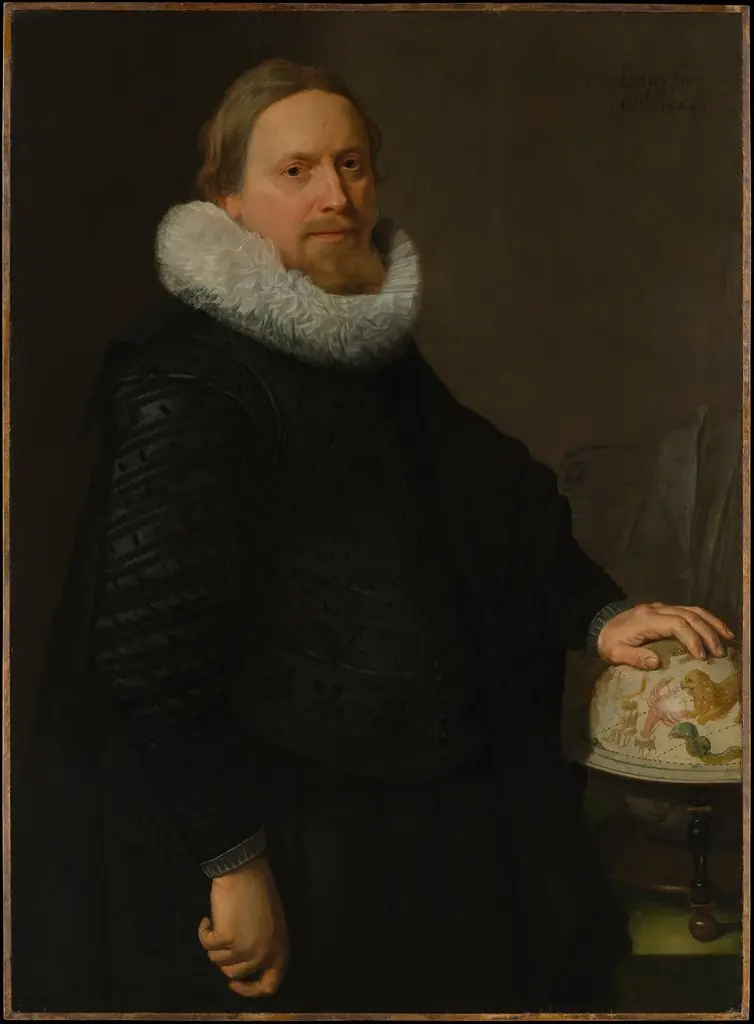 Man with a Celestial Globe
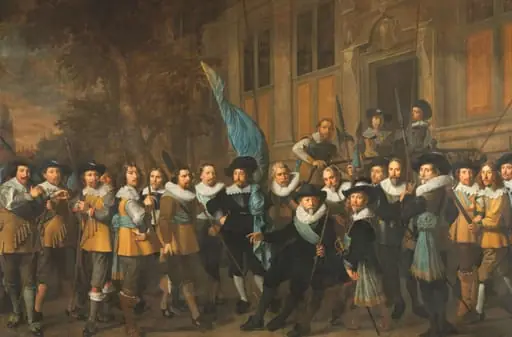 Officers and Other Civic Guardsmen of the IVth District of Amsterdam, under the Command of Captain Jan Claesz van Vlooswijck and Lieutenant Gerrit Hudde
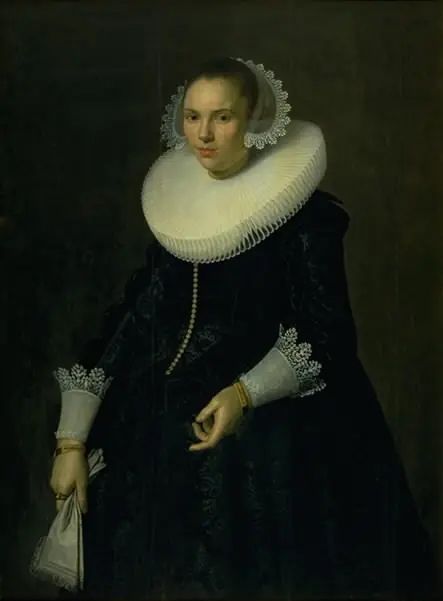 Portrait of a Lady
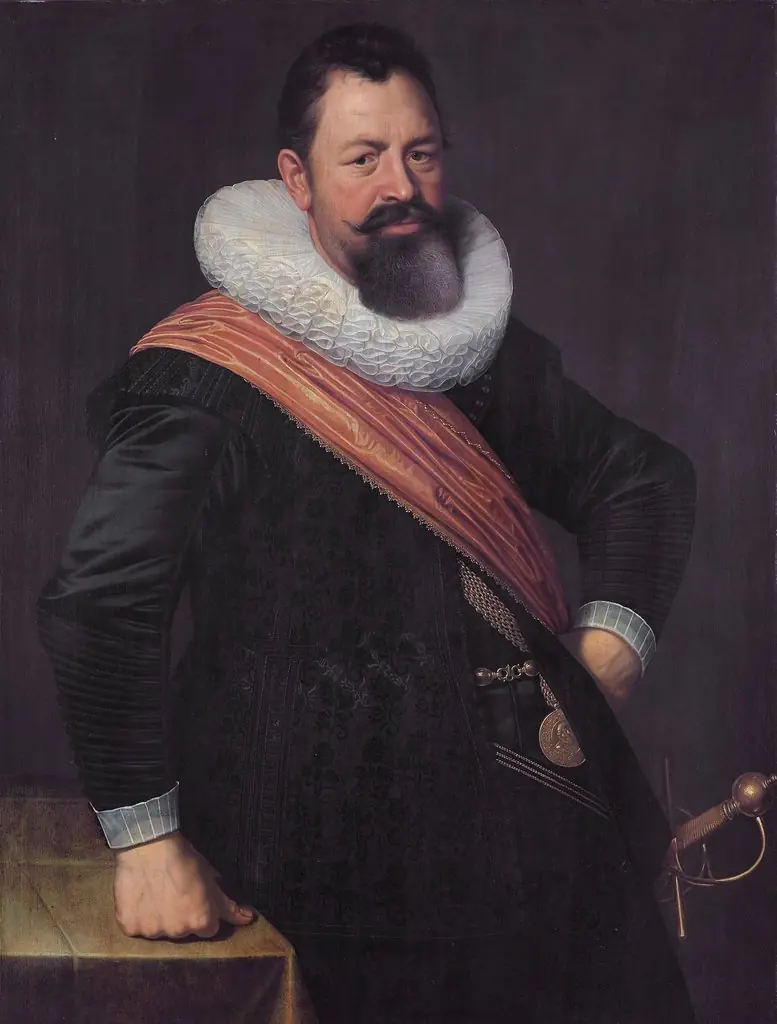 Portrait of Jochem Hendricksz Swartenhont (1566-1627)
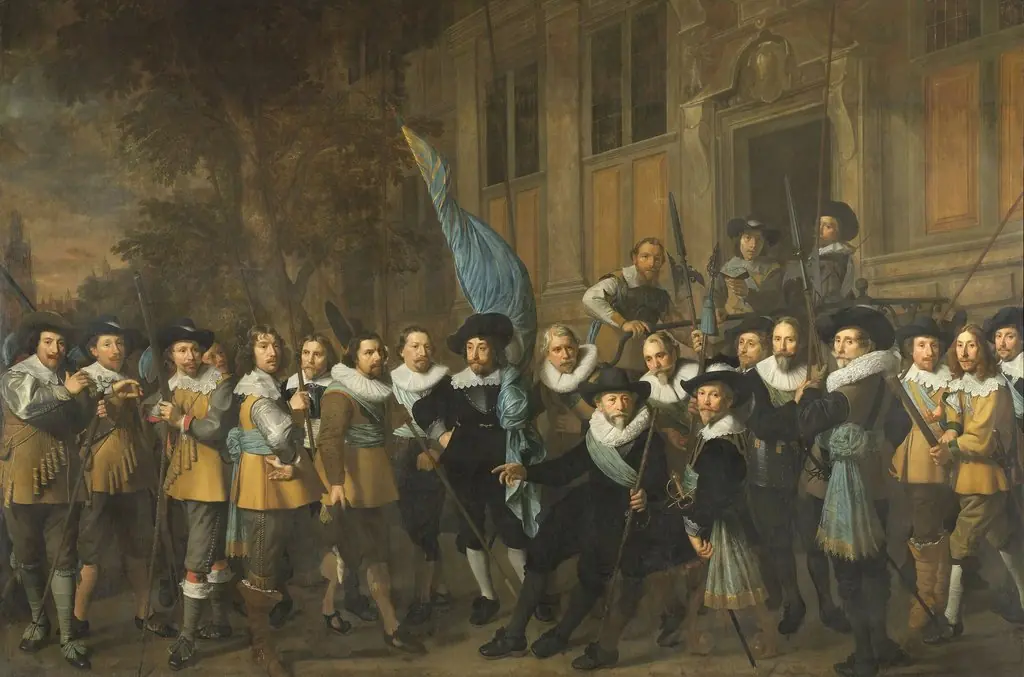 Officers and other civic guardsmen of the IVth District of Amsterdam, under the command of Captain Jan Claesz van Vlooswijck and Lieutenant Gerrit Hudde
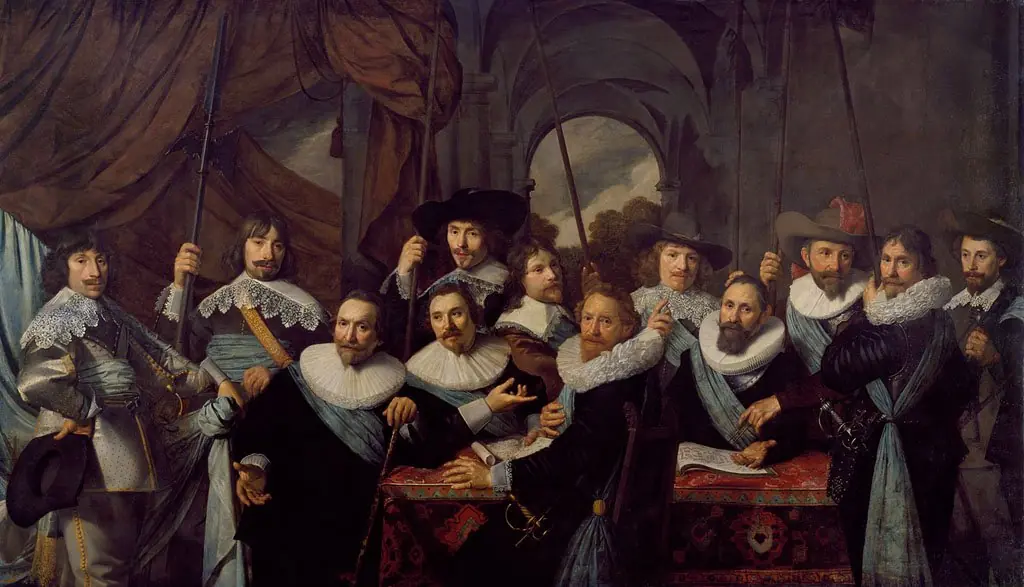 Members of the civic guard company of Captain Dirck Tholinx and Lieutenant Pieter Adriaenszn Raep
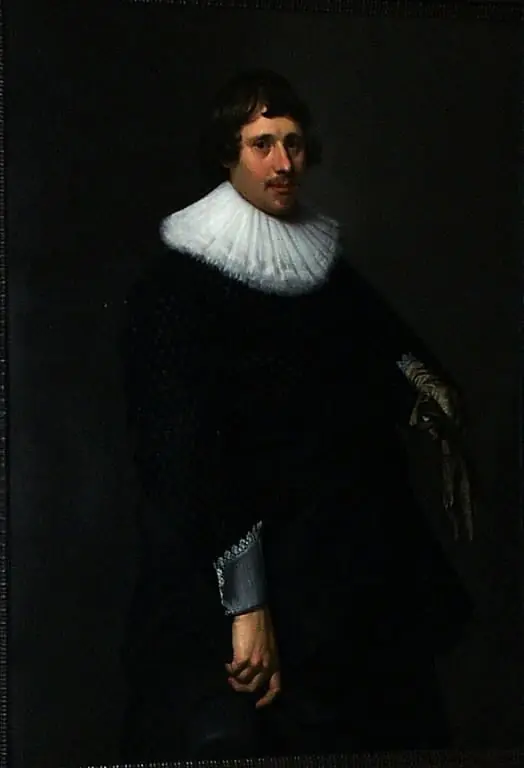 Portrait of a Man
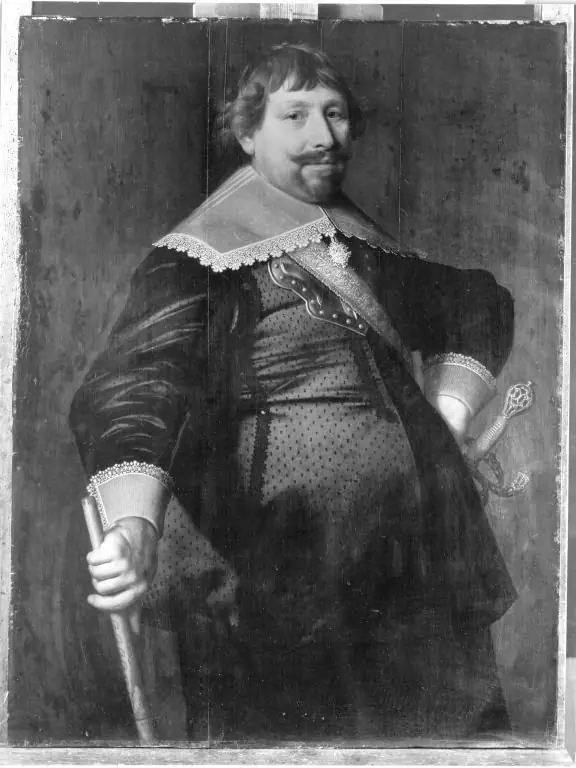 Portrait of a man
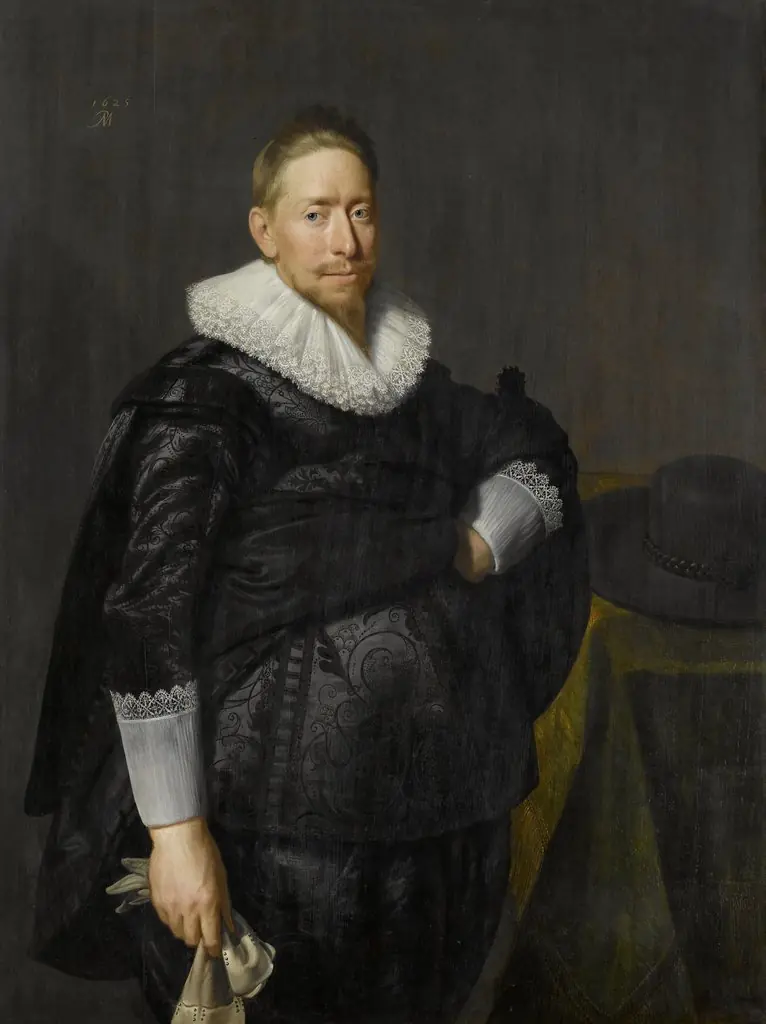 Portrait of a Man, Probably from the Pauw Family
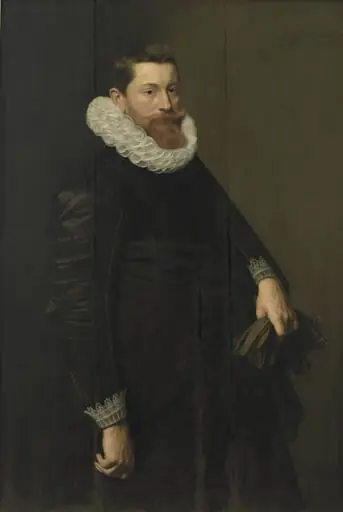 Portrait of a Gentleman
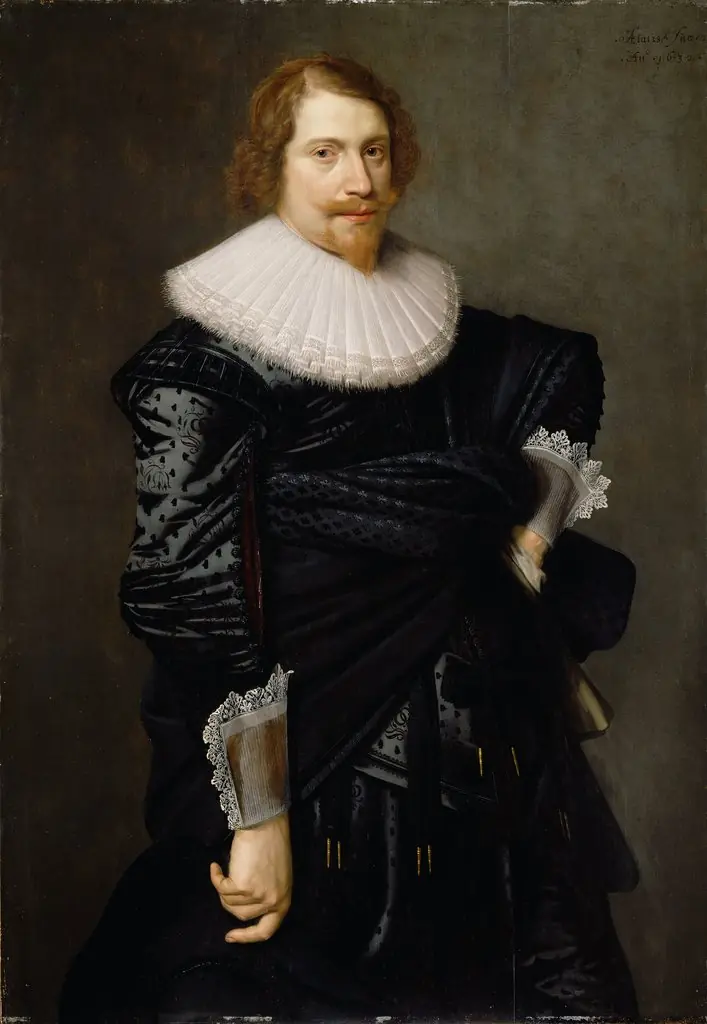 Portrait of a Man
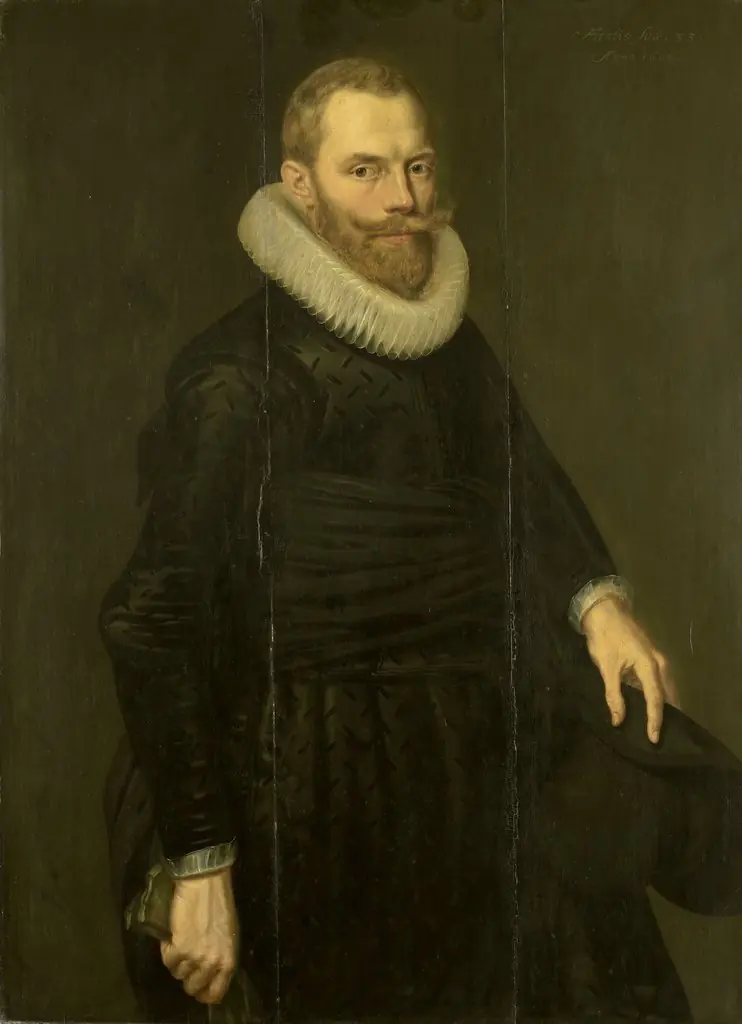 Portrait of Dirck Hasselaer (1581-1645)
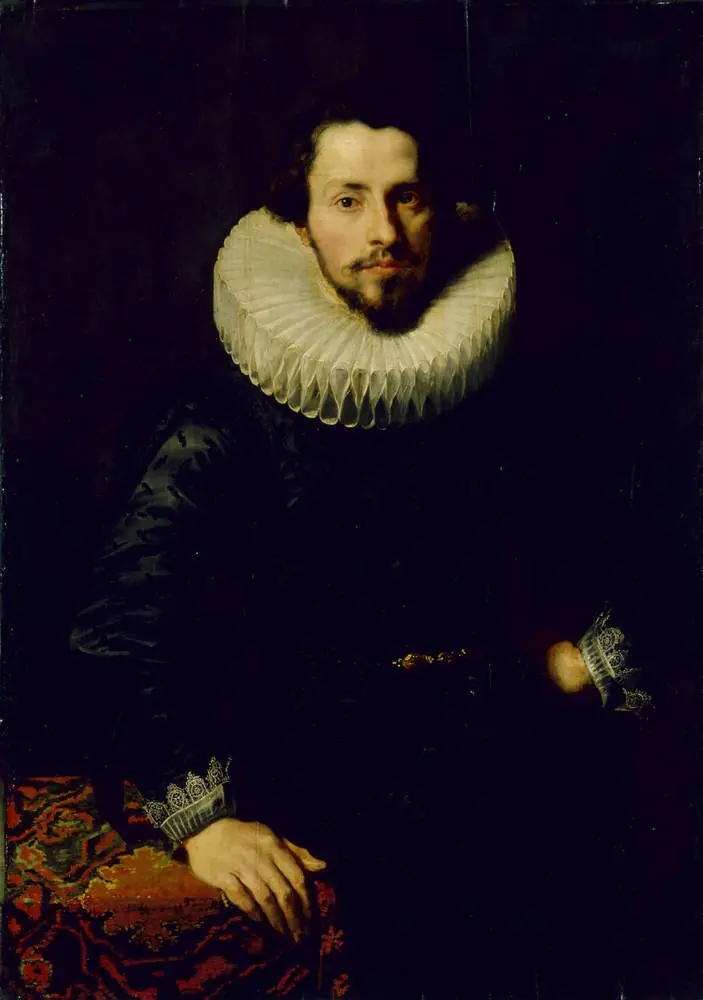 Portrait of a Man at a Table
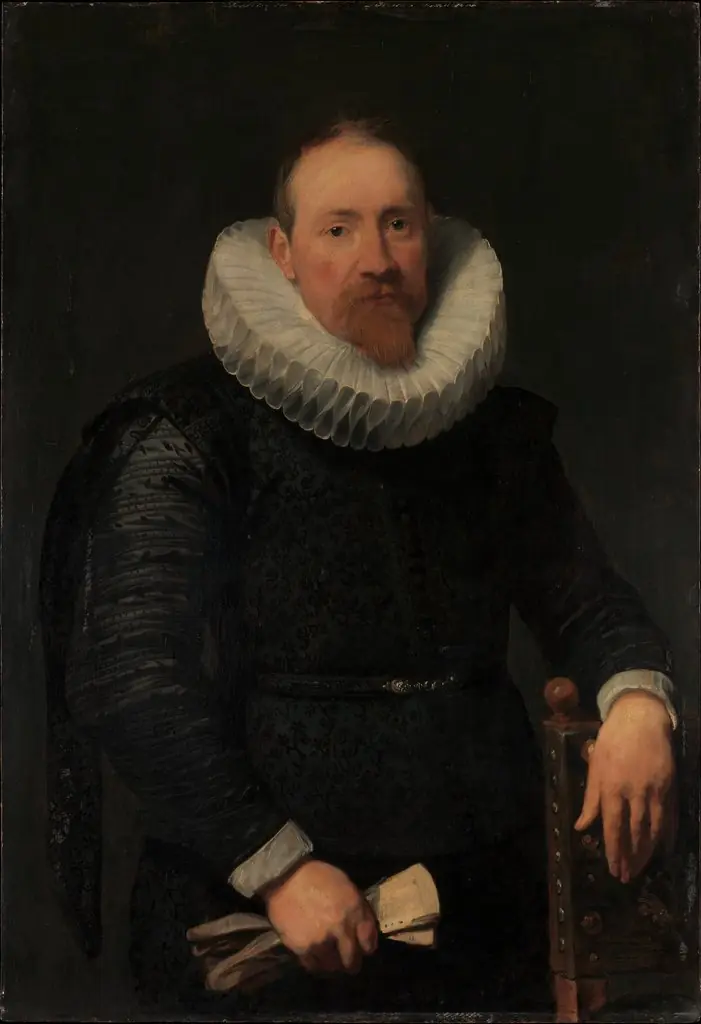 Portrait of a Man
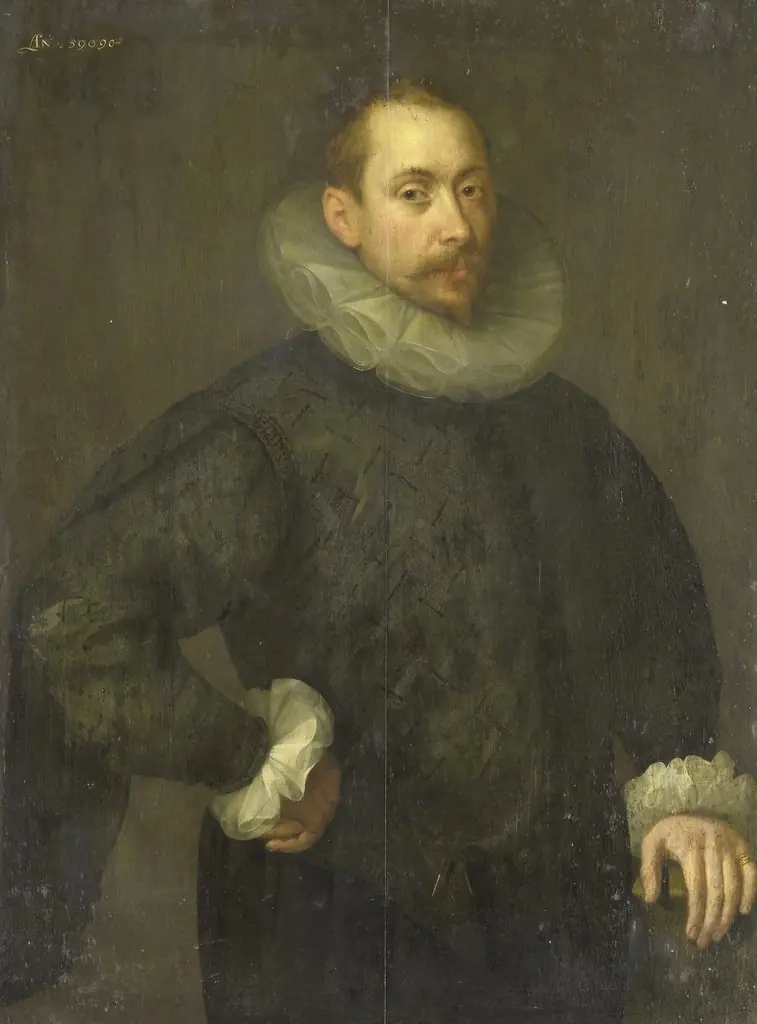 Portrait of Jean Fourmenois
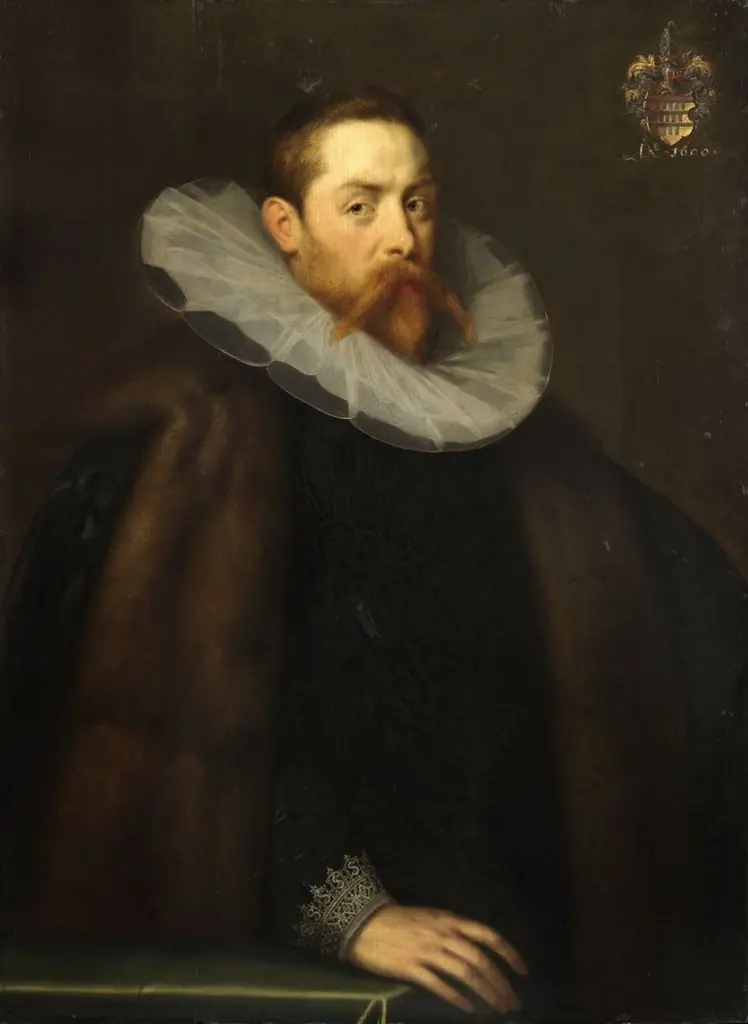 Portrait of a Member of the Lyskirchen Family
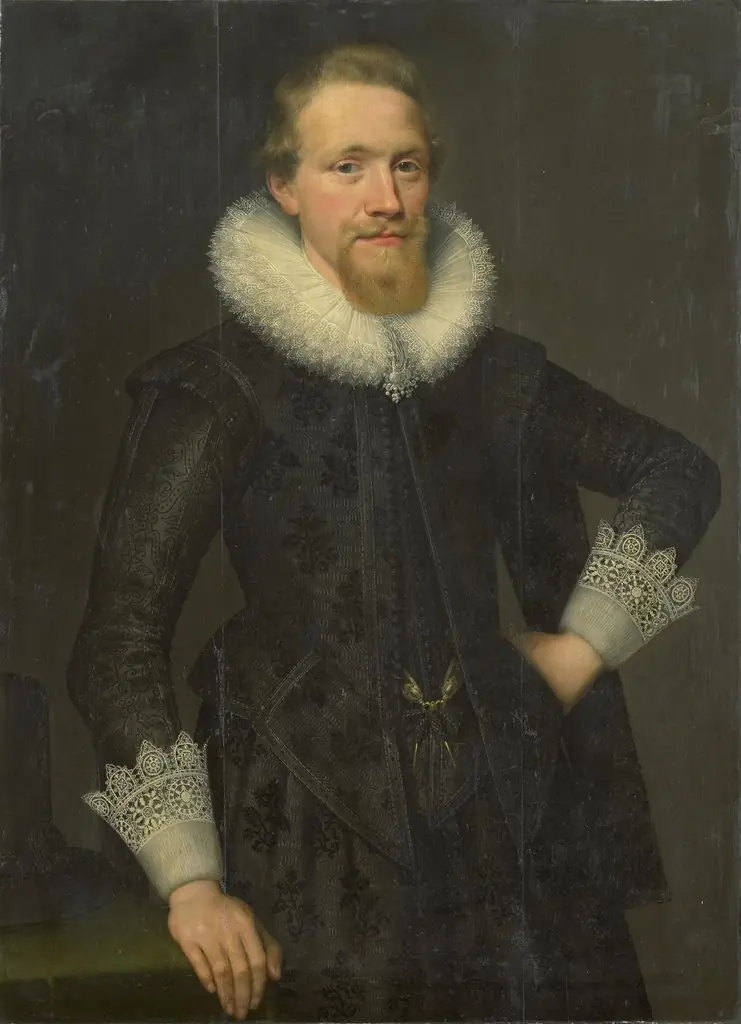 Portrait of Jacob Pergens (?-1681)
 Untitled
 Portrait of Jeremias Boudinois
 Portrait of a Man