Artwork
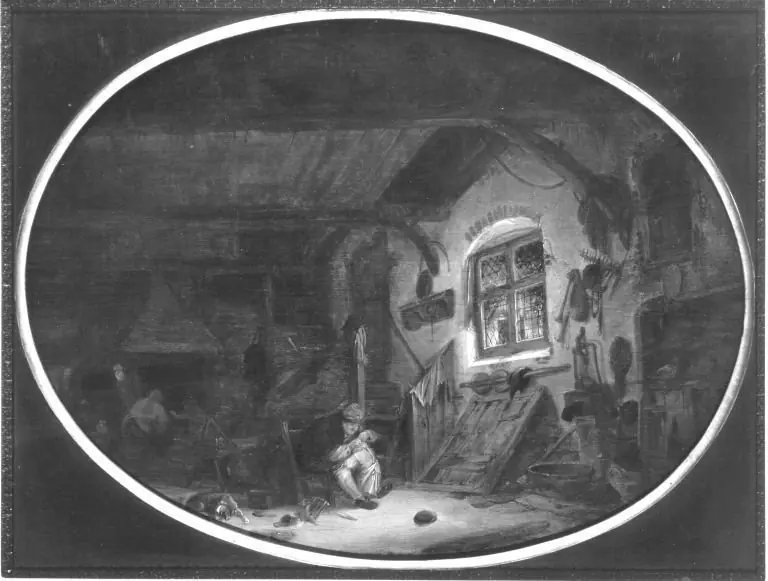
The Tinker
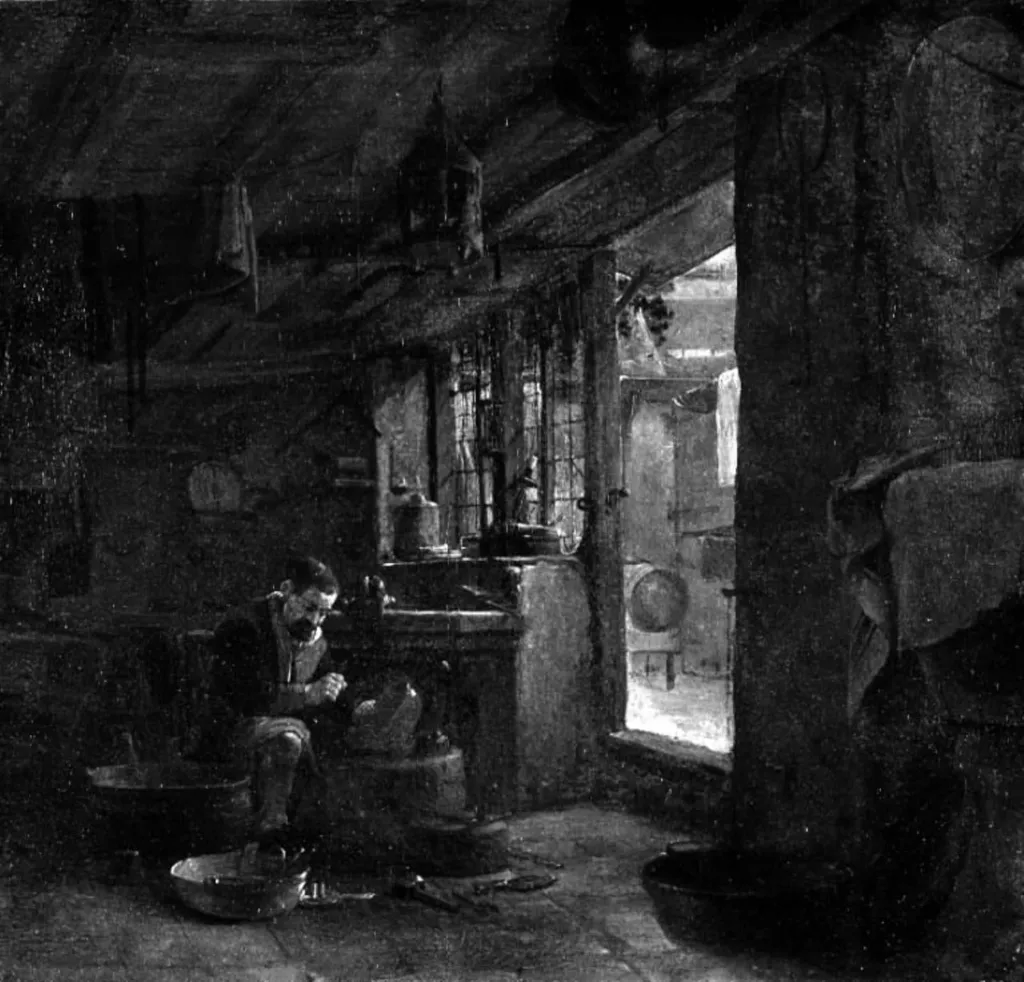
The Tinker is a photography by Unknown. It dates from 1650 and is held in the collection of the Statens Museum for Kunst.
About this work
Overview
A black-and-white photograph from around 1650 depicts a man engaged in quiet labor, preserved in the collection of the Museum of Ethnography.
A black-and-white photograph from around 1650 depicts a man engaged in quiet labor, preserved in the collection of the Museum of Ethnography. The image captures a solitary figure seated on a stone floor, surrounded by tools and objects, illuminated by a narrow beam of light. The composition emphasizes stillness and concentration, with no indication of context beyond the immediate environment. The photograph’s tonal contrast suggests an intentional focus on texture and form.
Subject & Meaning
The figure, a man with a mustache and dark attire, is absorbed in handling a small, intricate object, likely part of his craft. His posture and gaze suggest deep engagement with his work, possibly mending or assembling something functional. The absence of narrative cues leaves his identity and exact task ambiguous, but the scene conveys the dignity of manual labor. The setting implies a domestic or workshop space, grounded in everyday practice rather than ceremonial display.
Technique & Style
The photograph employs chiaroscuro to model form and space, using sharp contrasts between light and shadow to define the man’s features and the surrounding objects. The dim, directional light enhances the tactile quality of stone walls and metal surfaces, drawing attention to texture over detail. The composition is unadorned, with no framing or staging apparent, suggesting a documentary intent. The monochrome palette reinforces the image’s sense of timelessness and restraint.
History & Provenance
The photograph’s origin is undocumented beyond its approximate date and current location in the Museum of Ethnography. It was likely taken by an observer recording daily life, though no photographer is named. Its preservation suggests early ethnographic interest in artisanal practices. No records indicate prior ownership or exhibition history, and its transition into institutional care remains unclear.
Context
Created in the mid-17th century, the image reflects a period when artisanal trades were central to daily life across Europe. The tools and materials visible align with common repair or crafting activities of the time. The stone architecture and sparse furnishings point to a modest, possibly rural or urban working-class setting. Such images, rare for the era, offer a glimpse into the quiet routines of non-elite labor.
Legacy
The photograph endures as a quiet record of pre-industrial craftsmanship, valued for its unembellished depiction of manual work. It contributes to ethnographic archives that prioritize ordinary life over grand narratives. While not widely known, it serves as a reference for scholars studying historical labor practices and early photographic documentation of folk trades.
Artist & collection

 Domestic Scene
 Giacomo and Cardinal Marco, investing Andrea, Abbot of San Zeno, with his Benefice
 The Nymph of Fontainebleau
 Portrait of a Woman
 Madonna and Child with Saints in the Enclosed Garden
 Venus and Minerva
 Family Group of Four on Sofa
 Wall painting from Room H of the Villa of P. Fannius Synistor at Boscoreale
 The Spinner's Meal
 Room in a Dutch Peasant Cottage
 The Laboratory of A. d'Ailly near the Bulwark on the Zaagmolenpoort in Amsterdam
 An alchemist's workshop
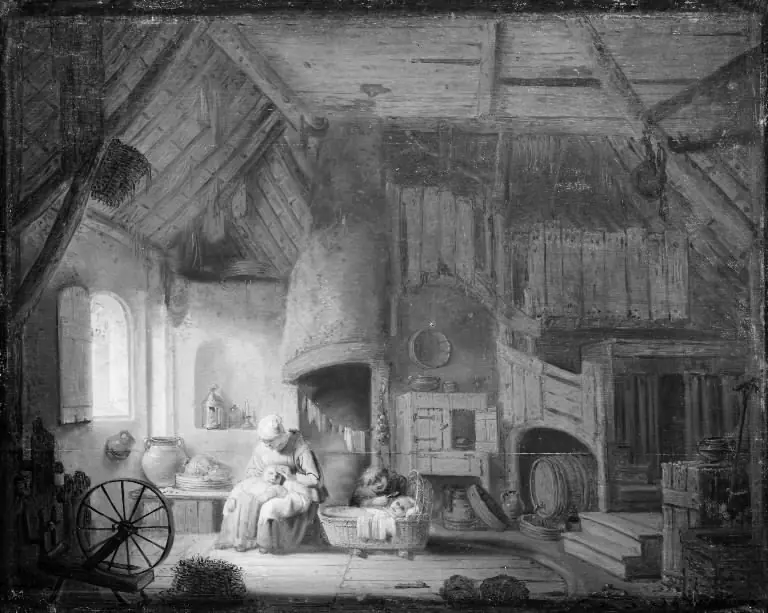 Room in a Dutch Peasant Cottage
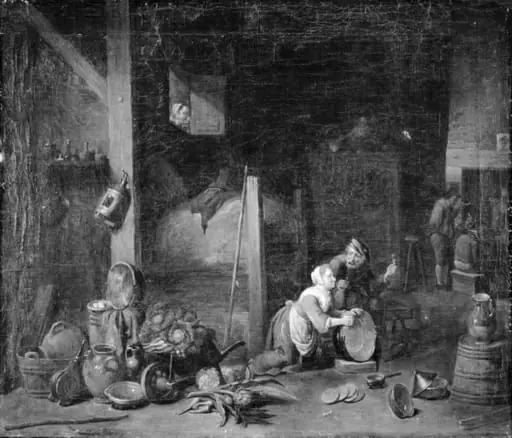 A Servant Girl Scrubbing a Brass Cauldron
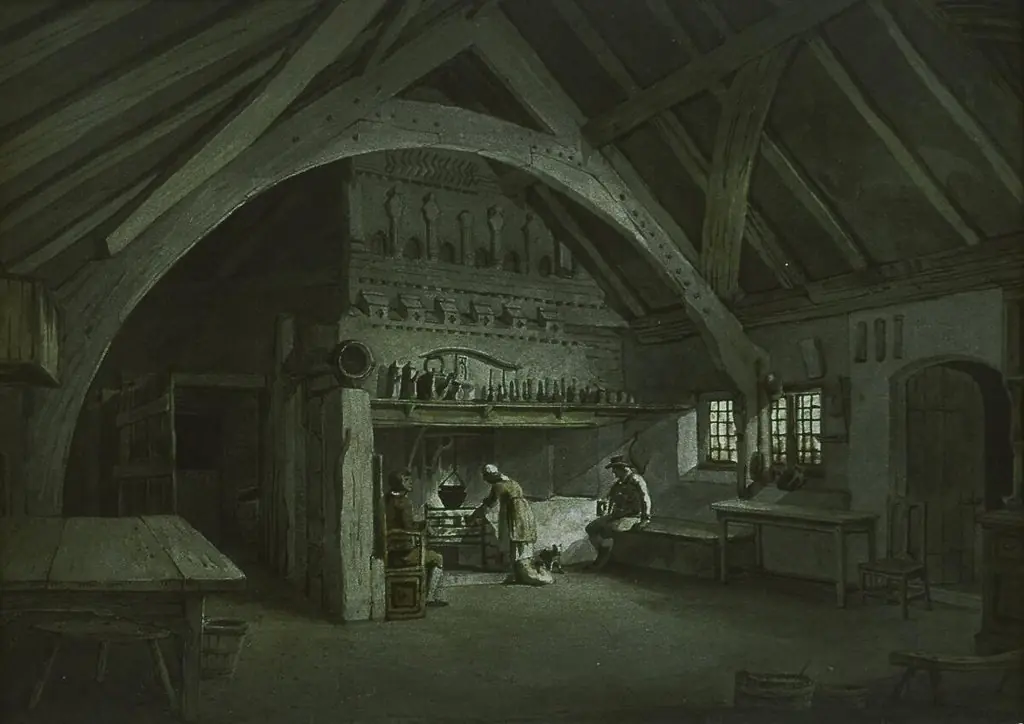 Blackmoor Head, near Rhuddlan
 Cottage Interior
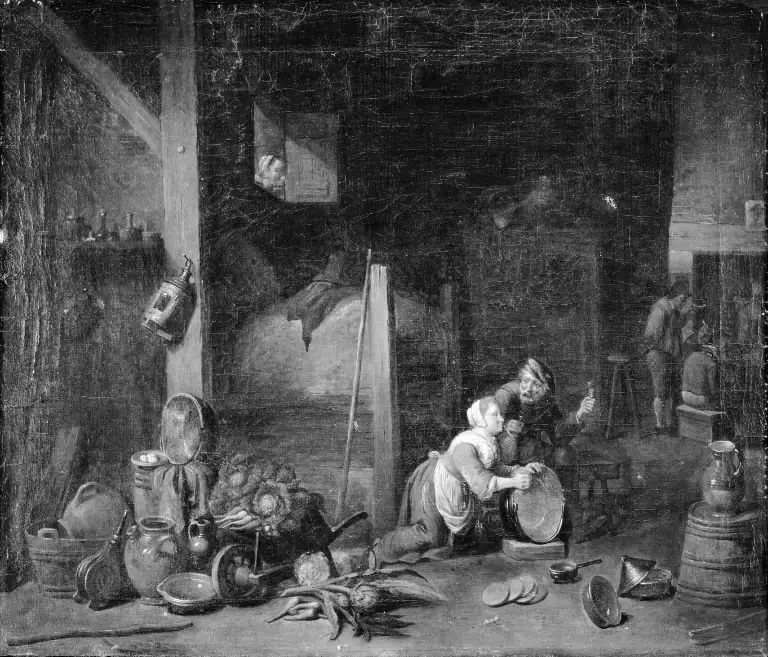 A Servant Girl Scrubbing a Brass Cauldron
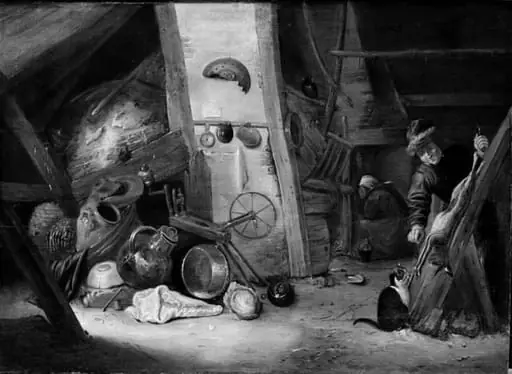 Interior of a Kitchen