Artwork
Rhine Landscape by Bingen
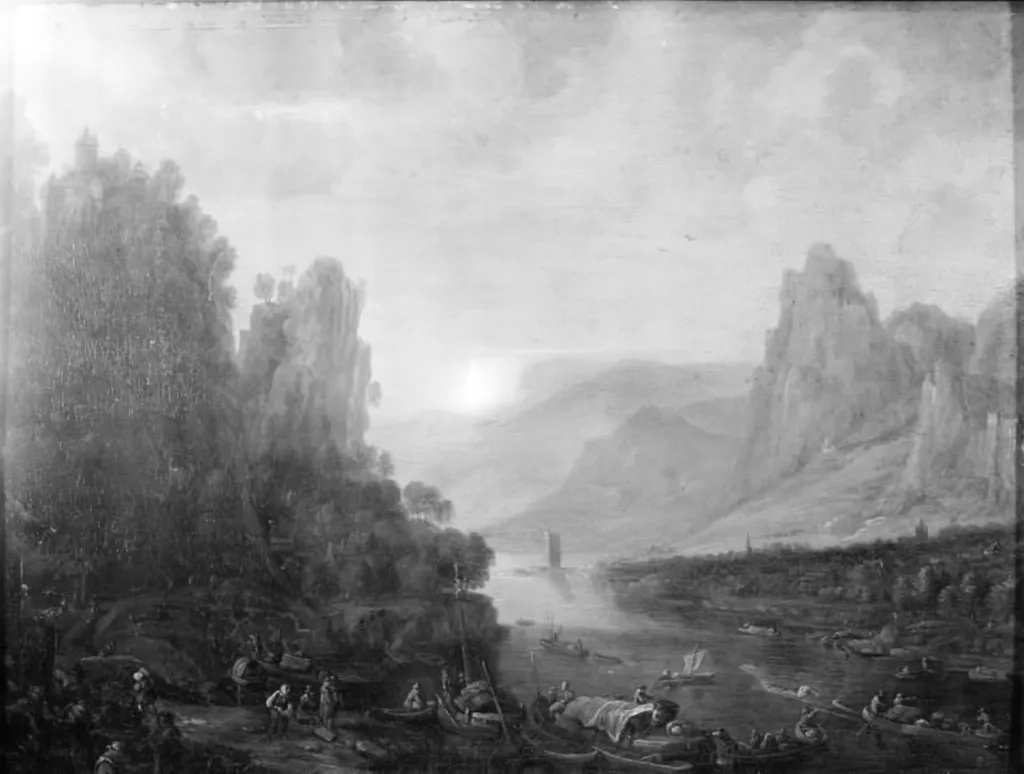
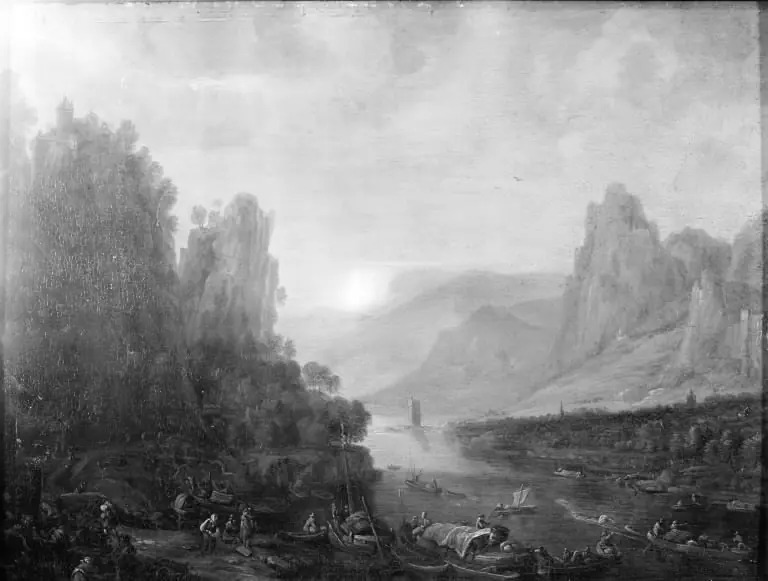
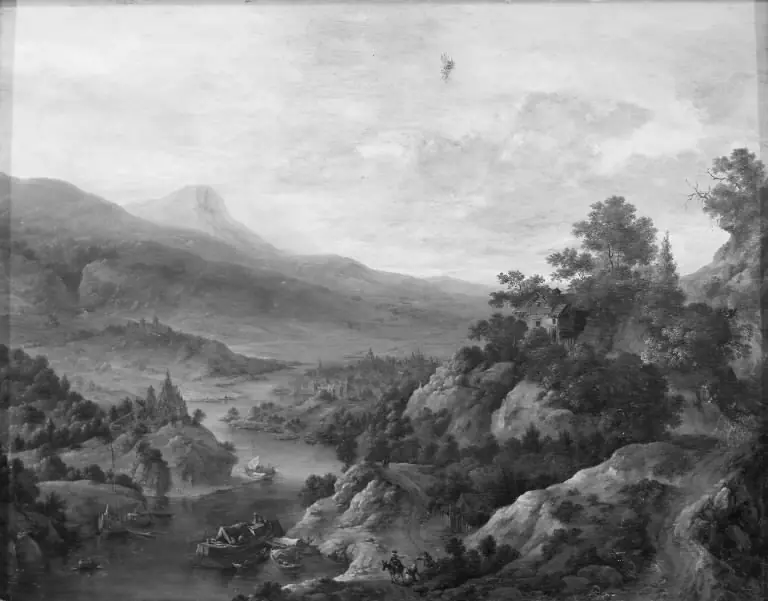
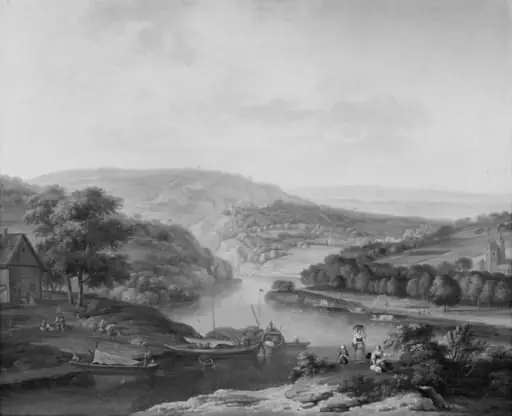
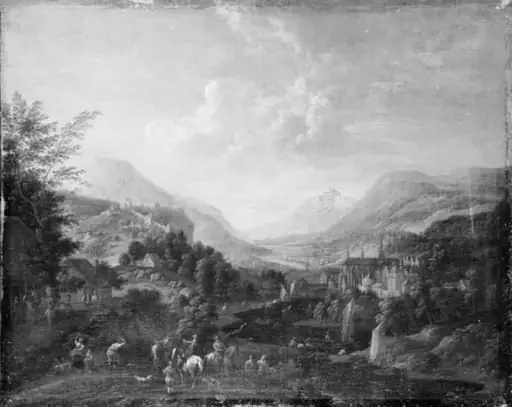
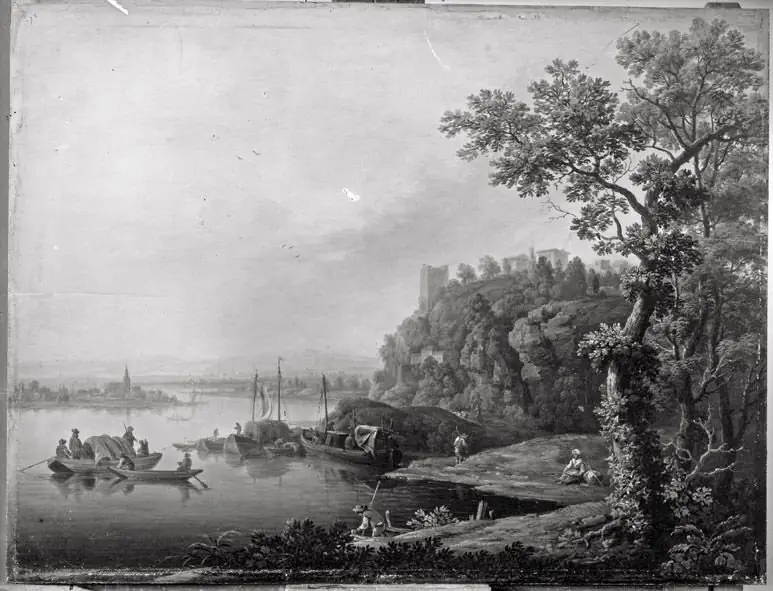
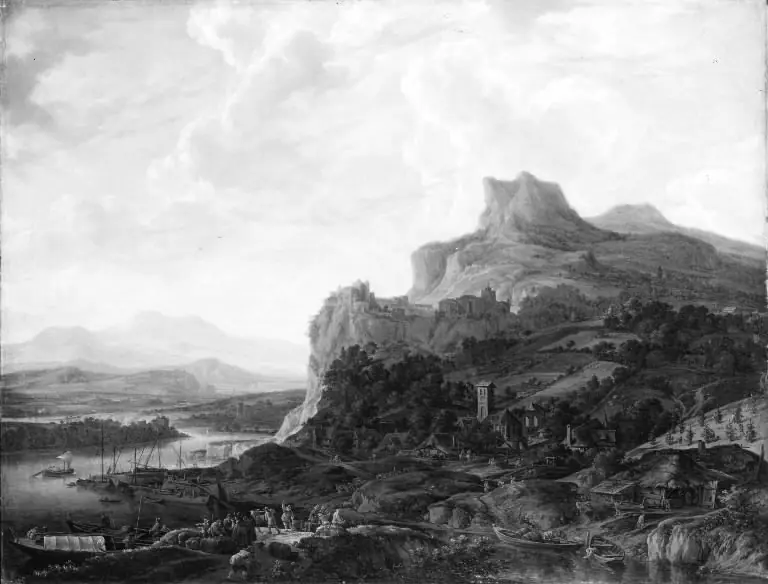
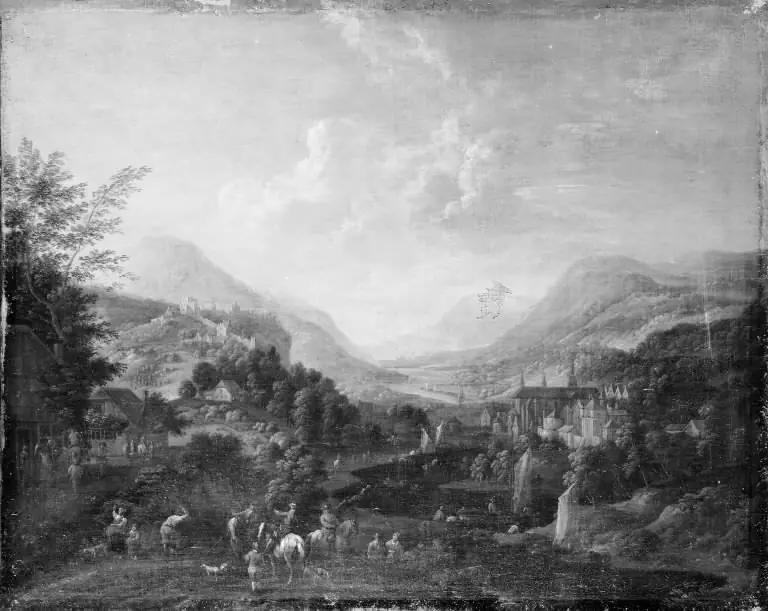
Rhine Landscape by Bingen is an unspecified painting by Unknown. It dates from 1654 and is held in the collection of the Statens Museum for Kunst. Painted around 1654, this landscape depicts a stretch of the Rhine River near Bingen.
About this work
Overview
Painted around 1654, this landscape depicts a stretch of the Rhine River near Bingen. The work is part of the collection at the Museum of Ethnography, though its attribution to a specific artist remains uncertain. The scene captures a quiet, early morning atmosphere, with natural elements dominating the composition and human activity rendered subtly within the environment.
Subject & Meaning
The painting portrays the Rhine Valley in a state of tranquil routine. Small boats drift near the shore, figures tend to livestock, and distant figures move along the riverbank. There is no grand narrative—instead, the focus lies in the quiet rhythm of daily life integrated with the landscape. The absence of dramatic events suggests an appreciation for ordinary, unremarkable moments in nature.
Technique & Style
The artist employs soft transitions between light and shadow to model form, particularly in the towering cliffs and dense foliage. Light originates from the right, casting gentle gradients that enhance depth without harsh contrast. The brushwork is restrained, favoring atmospheric blending over sharp detail, especially in the mist-laden air and distant bridge, creating a sense of quiet immersion.
History & Provenance
The painting entered the Museum of Ethnography’s holdings in the late 19th or early 20th century, though its earlier ownership is undocumented. Its attribution to a named artist has not been verified, and it may have been produced by an anonymous regional painter working within the Dutch or German landscape tradition of the mid-17th century.
Context
Created during a period when northern European artists increasingly turned to serene natural scenes, this work reflects a broader shift away from religious or mythological themes. The Rhine Valley, a familiar subject for regional painters, was valued for its distinctive topography and symbolic association with commerce and travel, rendered here with understated realism.
Legacy
Though not widely exhibited or studied, the painting contributes to the understanding of lesser-known landscape traditions in early modern Europe. Its quiet composition and subtle use of light offer insight into how everyday environments were observed and recorded outside the canon of major artistic centers, preserving a sense of place through restrained observation.
Artist & collection

 Domestic Scene
 Giacomo and Cardinal Marco, investing Andrea, Abbot of San Zeno, with his Benefice
 The Nymph of Fontainebleau
 Portrait of a Woman
 Madonna and Child with Saints in the Enclosed Garden
 Venus and Minerva
 Family Group of Four on Sofa
 Wall painting from Room H of the Villa of P. Fannius Synistor at Boscoreale