Artwork
View of the Rhine
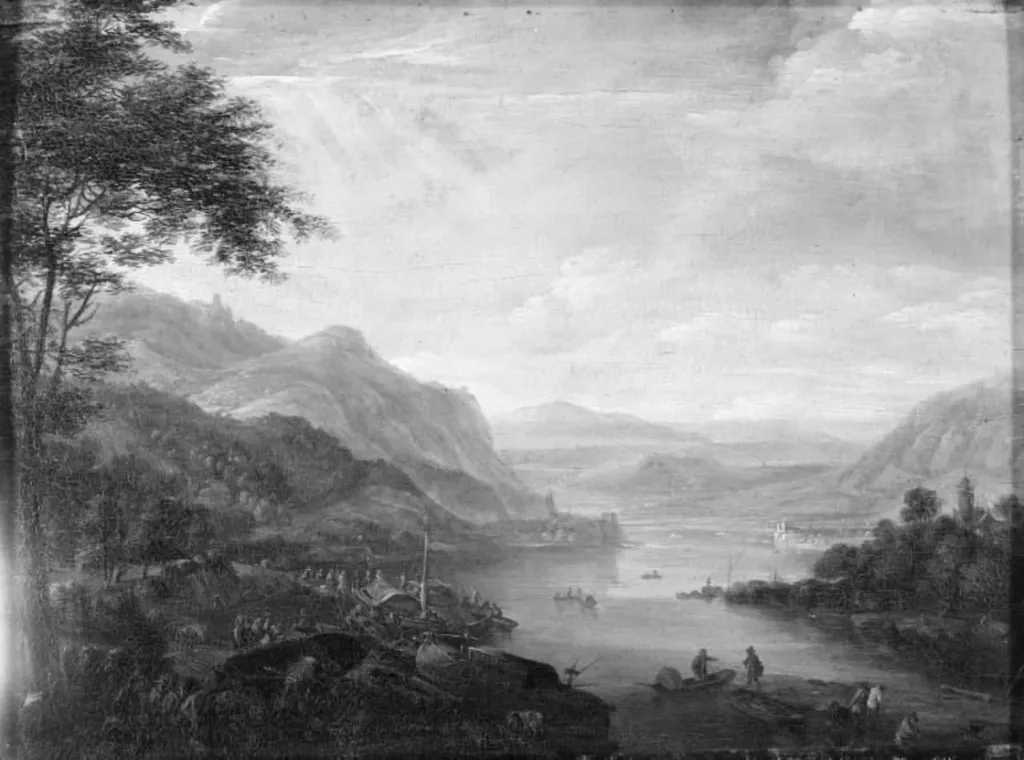
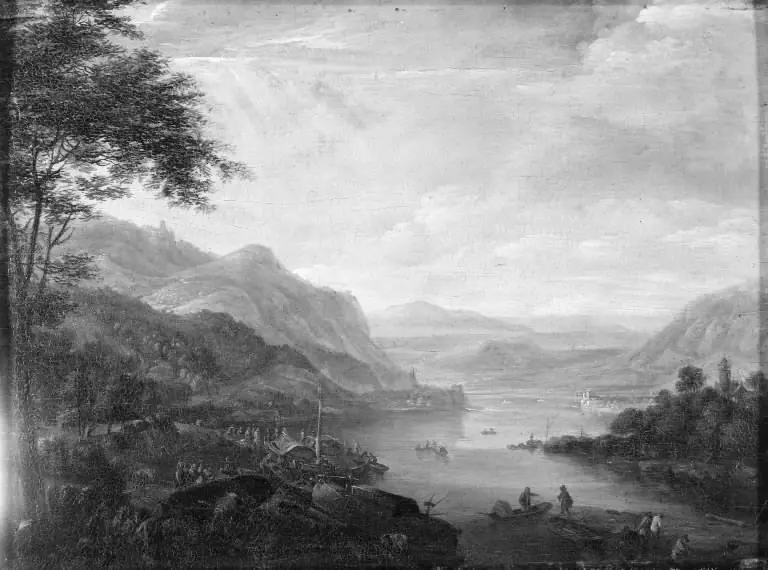
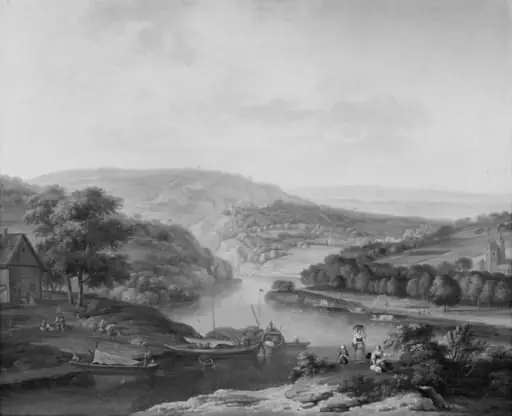
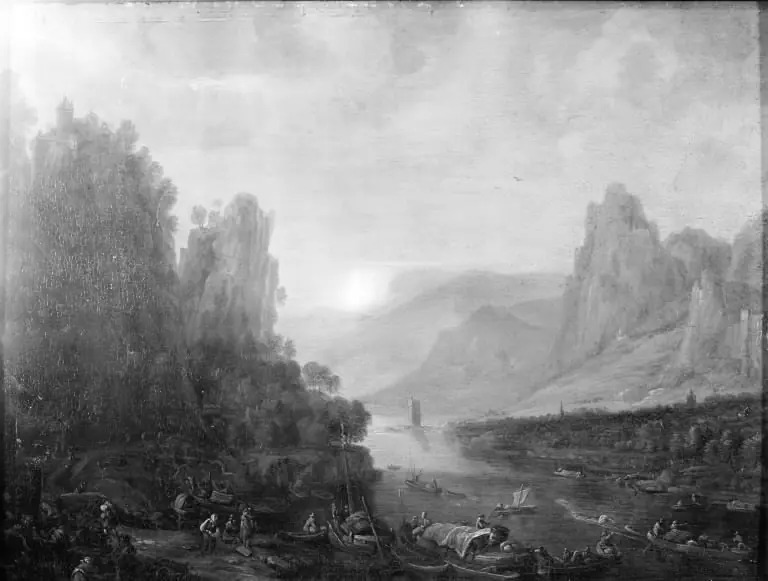
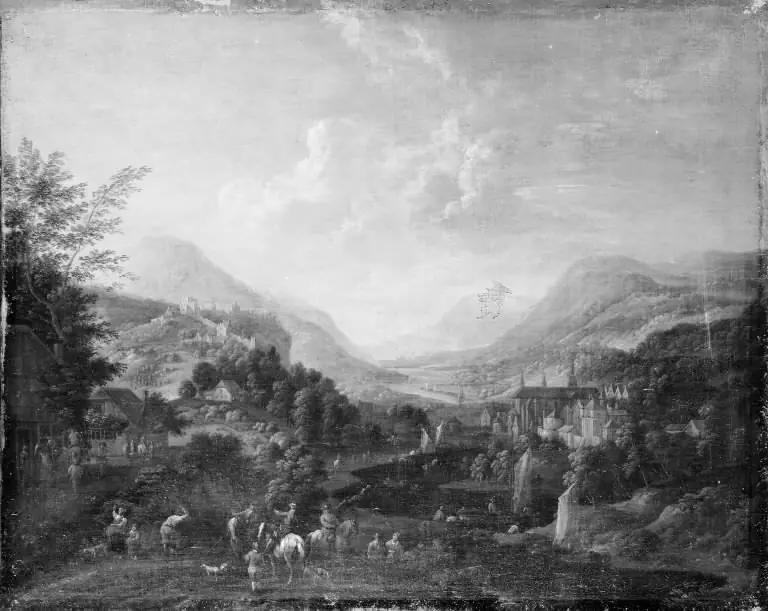
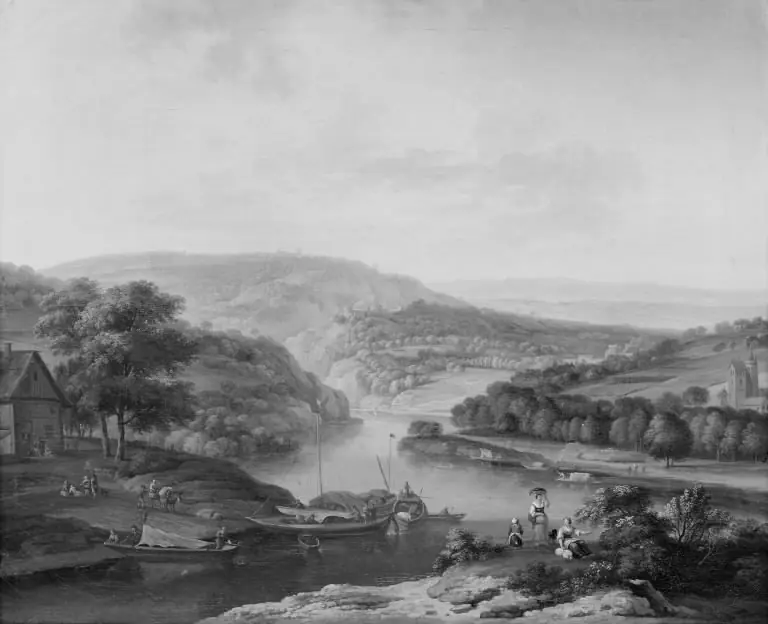
View of the Rhine is a photography by Unknown. It dates from 1654 and is held in the collection of the Statens Museum for Kunst. Created around 1654, this landscape depicts a tranquil stretch of the Rhine River.
About this work
Overview
The composition presents a broad, elevated perspective, capturing the river’s curve, distant hills, and scattered structures along its banks.
Created around 1654, this landscape depicts a tranquil stretch of the Rhine River. The composition presents a broad, elevated perspective, capturing the river’s curve, distant hills, and scattered structures along its banks. A modest number of figures and vessels suggest quiet human activity, while the natural setting dominates the scene. The work is held in the collection of the Museum of Ethnography, though its origins lie in early modern European topographical observation rather than ethnographic documentation.
Subject & Meaning
The scene portrays a serene, uneventful moment along the Rhine, emphasizing harmony between land and water. The presence of a distant tower—possibly a castle or ecclesiastical building—hints at human settlement without drawing focus. Two figures by the shore, along with anchored boats, imply daily life but do not narrate a specific event. The painting favors atmosphere over drama, reflecting a contemplative engagement with place rather than historical or symbolic intent.
Technique & Style
The artist employs soft, diffused lighting to unify the landscape, with subtle gradations of shadow blending into the rolling terrain. Brushwork is restrained, avoiding dramatic contrasts in favor of muted tones and gentle transitions. The high vantage point allows for a panoramic view, organizing elements into layered planes—foreground, midground, and distant horizon—creating depth without theatrical perspective. The style aligns with quiet northern European landscape traditions of the mid-seventeenth century.
History & Provenance
The work was likely produced in the Netherlands or a neighboring region during a period of growing interest in regional topography. Its current placement in the Museum of Ethnography suggests later reclassification, possibly due to its depiction of a non-urban, seemingly 'traditional' setting. The artist’s identity remains unconfirmed, and the painting’s early ownership history is undocumented, indicating it may have circulated privately before institutional acquisition.
Context
In the mid-1600s, Dutch and Flemish artists increasingly turned to landscapes as subjects worthy of independent study, moving beyond religious or mythological themes. This work reflects that shift, capturing a specific locale with observational precision rather than idealization. Though not part of a major artistic movement, it aligns with a broader trend of recording regional geography through quiet, intimate views of rivers and countryside.
Legacy
The painting contributes to a quiet but persistent tradition of European landscape observation, valued for its restraint and attention to natural light. While not widely reproduced or studied, its presence in a museum of ethnography underscores how cultural institutions have historically interpreted regional scenes as expressions of local life. Its enduring value lies in its unembellished record of a place at a particular moment in time.
Artist & collection

 Domestic Scene
 Giacomo and Cardinal Marco, investing Andrea, Abbot of San Zeno, with his Benefice
 The Nymph of Fontainebleau
 Portrait of a Woman
 Madonna and Child with Saints in the Enclosed Garden
 Venus and Minerva
 Family Group of Four on Sofa
 Wall painting from Room H of the Villa of P. Fannius Synistor at Boscoreale