Artwork
Landscape with Fauns and Nymphs
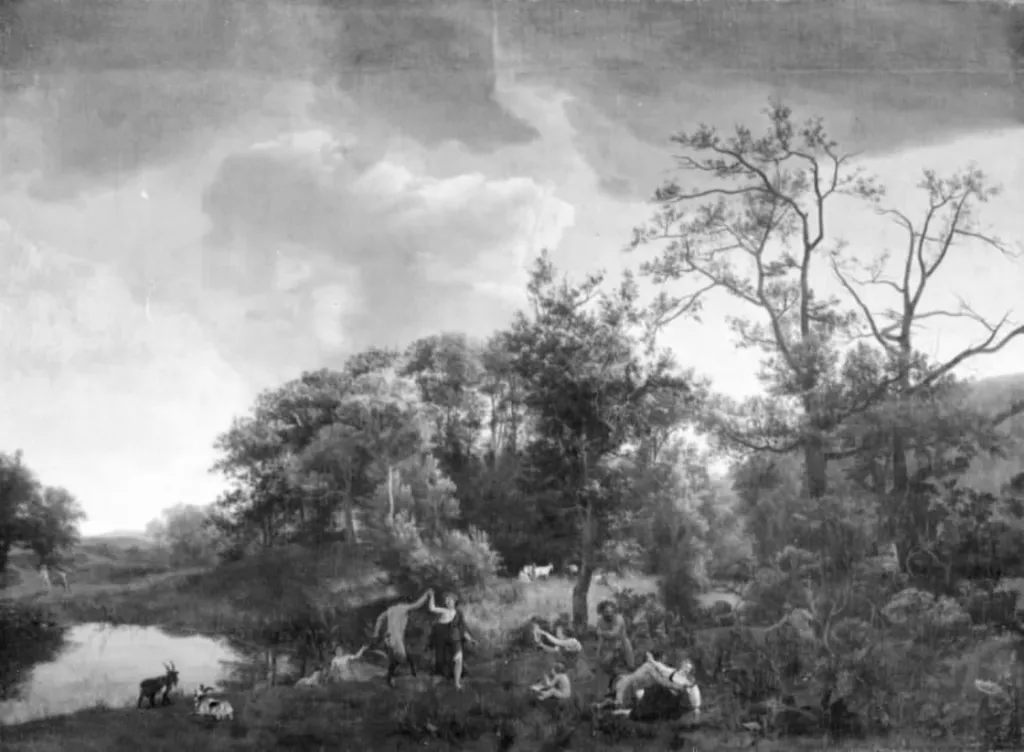
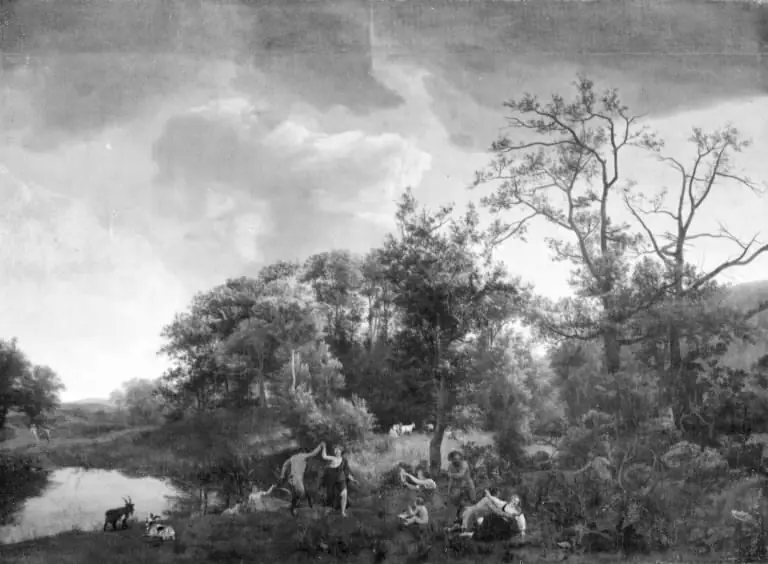
Landscape with Fauns and Nymphs is an unspecified painting by Unknown. It dates from 1650 and is held in the collection of the Statens Museum for Kunst. Painted around 1650, this landscape depicts a quiet woodland scene with subtle human and mythological presence.
About this work
Overview
Painted around 1650, this landscape depicts a quiet woodland scene with subtle human and mythological presence. The work is held in the Museum of Ethnography and is attributed to an artist whose full name is not recorded in surviving documentation. Its composition emphasizes naturalism through controlled lighting and a restrained palette, inviting contemplation rather than narrative drama.
Subject & Meaning
Two small figures, interpreted as fauns or nymphs, observe a herd of goats from the forest’s edge. Their stillness and integration into the environment suggest harmony between the mythic and the natural. The scene evokes an ancient pastoral ideal, where divine beings exist not as grand deities but as quiet, embedded presences within the rhythms of the wild.
Technique & Style
The artist employs chiaroscuro to model forms with soft gradations of light and shadow. Trees and foliage are rendered with loose, textured brushwork, while the goats’ fur and the stream’s surface catch delicate highlights. Background elements recede into near-obscurity, enhancing the sense of depth and atmospheric mystery without overt detail.
History & Provenance
The painting entered the Museum of Ethnography’s collection in the late 19th century, though its earlier ownership remains undocumented. Its attribution to an unnamed artist reflects the common practice of the period, where landscape works by lesser-known hands were often recorded without individual credit. No records of exhibition or commission survive.
Context
Created during a period when Northern European artists increasingly turned to intimate, non-narrative landscapes, this work aligns with a broader trend of nature as a contemplative space. Unlike grand mythological scenes, it avoids theatricality, instead favoring quiet observation—a shift reflecting changing tastes in private collecting and spiritual reflection.
Legacy
Though not widely reproduced or studied, the painting exemplifies a quiet strand of 17th-century landscape art that prioritized mood over narrative. Its restrained use of light and integration of mythic figures into natural settings influenced later artists seeking to evoke the unseen presence within wilderness, though it remains outside mainstream art historical narratives.
Artist & collection

 Domestic Scene
 Giacomo and Cardinal Marco, investing Andrea, Abbot of San Zeno, with his Benefice
 The Nymph of Fontainebleau
 Portrait of a Woman
 Madonna and Child with Saints in the Enclosed Garden
 Venus and Minerva
 Family Group of Four on Sofa
 Wall painting from Room H of the Villa of P. Fannius Synistor at Boscoreale
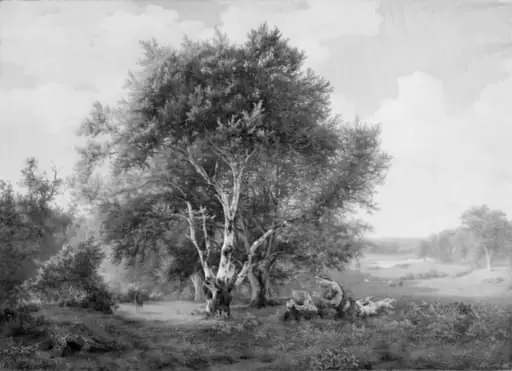 A Landscape near Frederiksborg Castle
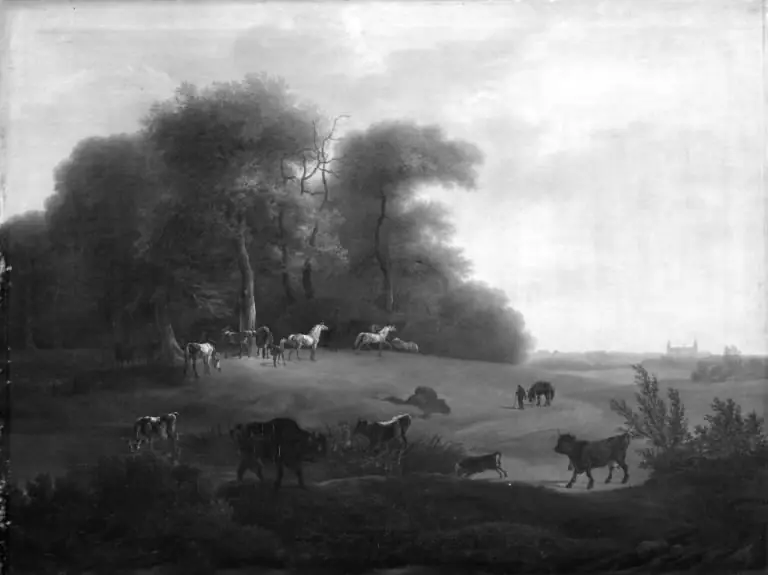 Keld Skov ved Frederiksborg med en del af det kongelige stutteri. I forgrunden schweizer- og tyrolerkvæg
 Keld Skov ved Frederiksborg med en del af det kongelige stutteri. I forgrunden schweizer- og tyrolerkvæg
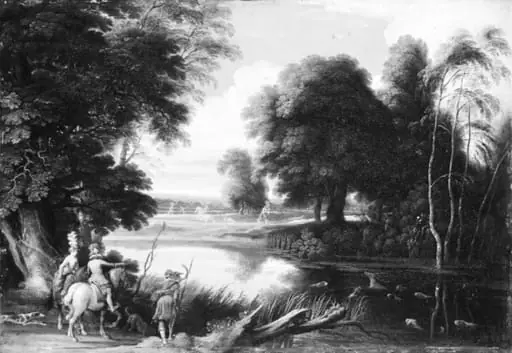 Landscape with Hunters
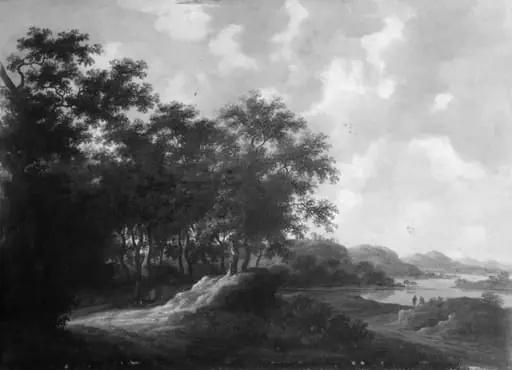 Wooded Landscape with a River
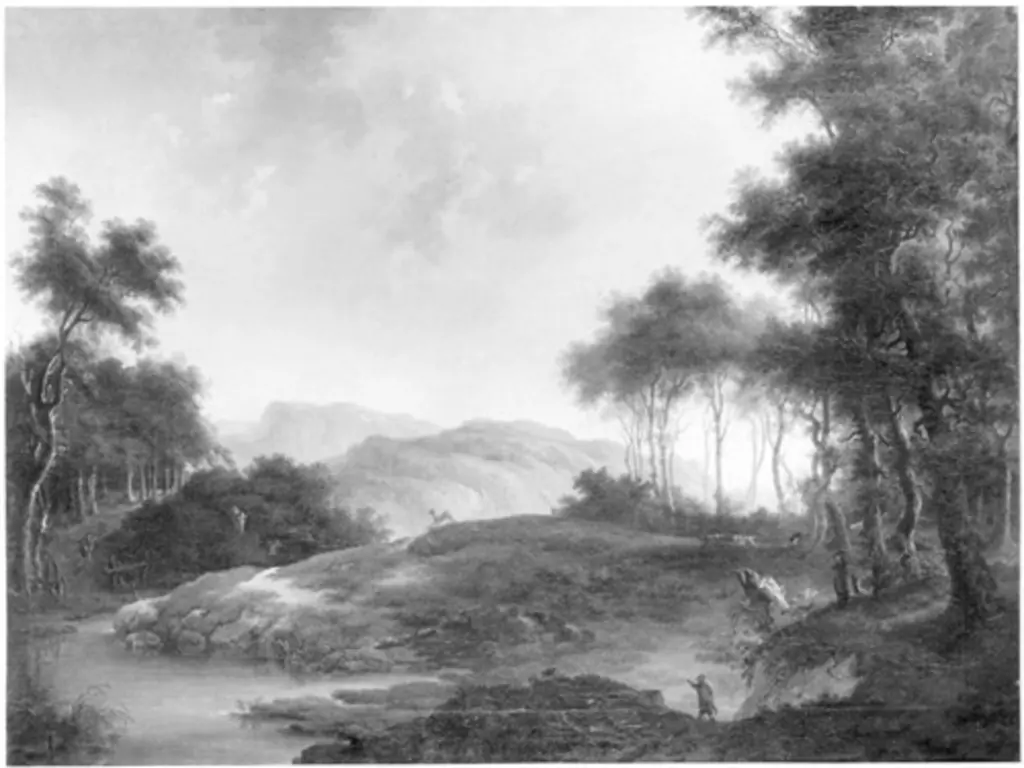 Komponierte Landschaft mit Jägern
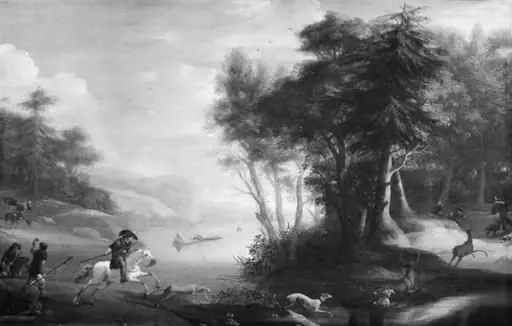 Game Piece
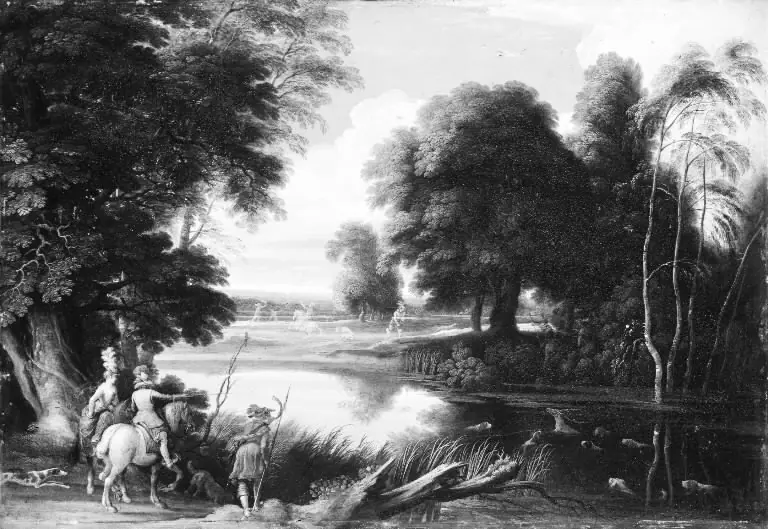 Landscape with Hunters
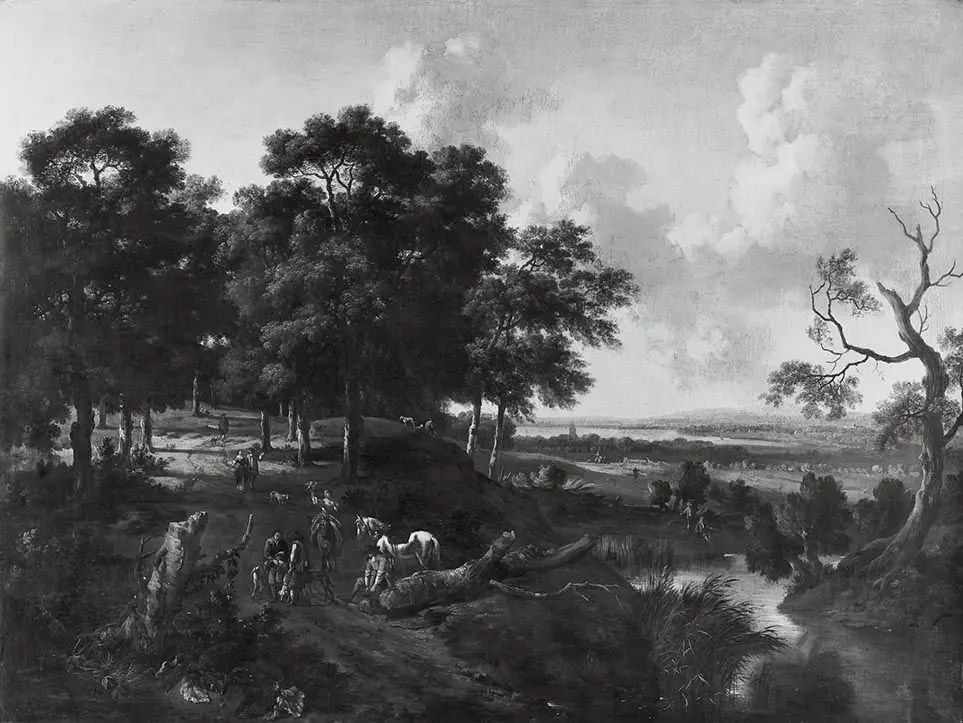 Landschaft mit Falkner
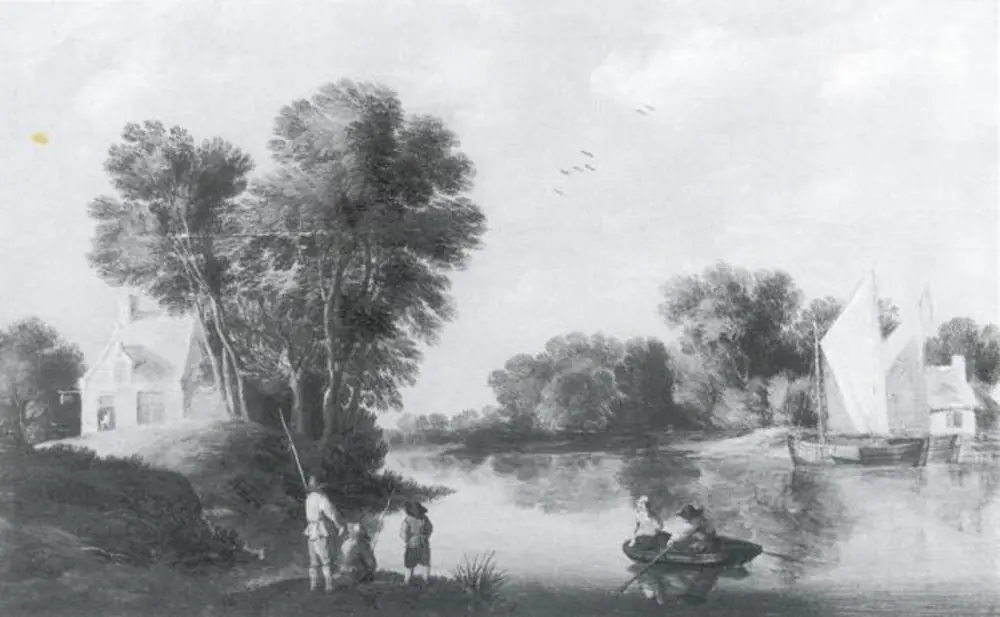 River Landscape
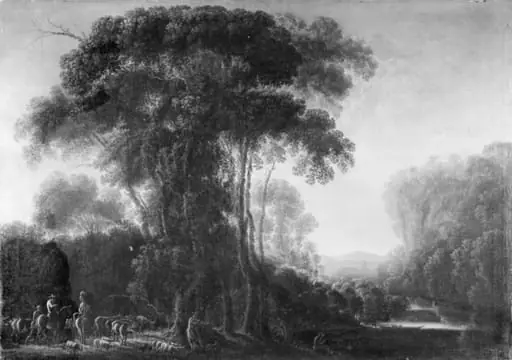 Landscape by Sunset
 Landscape with Fauns and Nymphs