Artwork
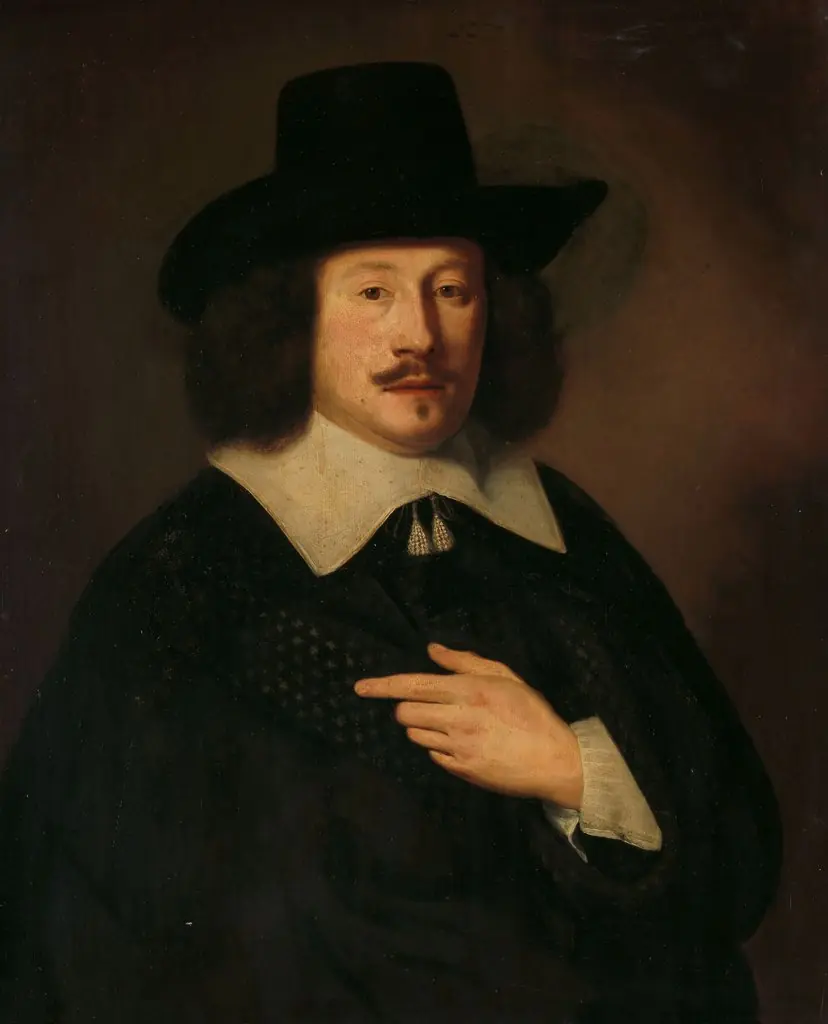
Portrait of a man
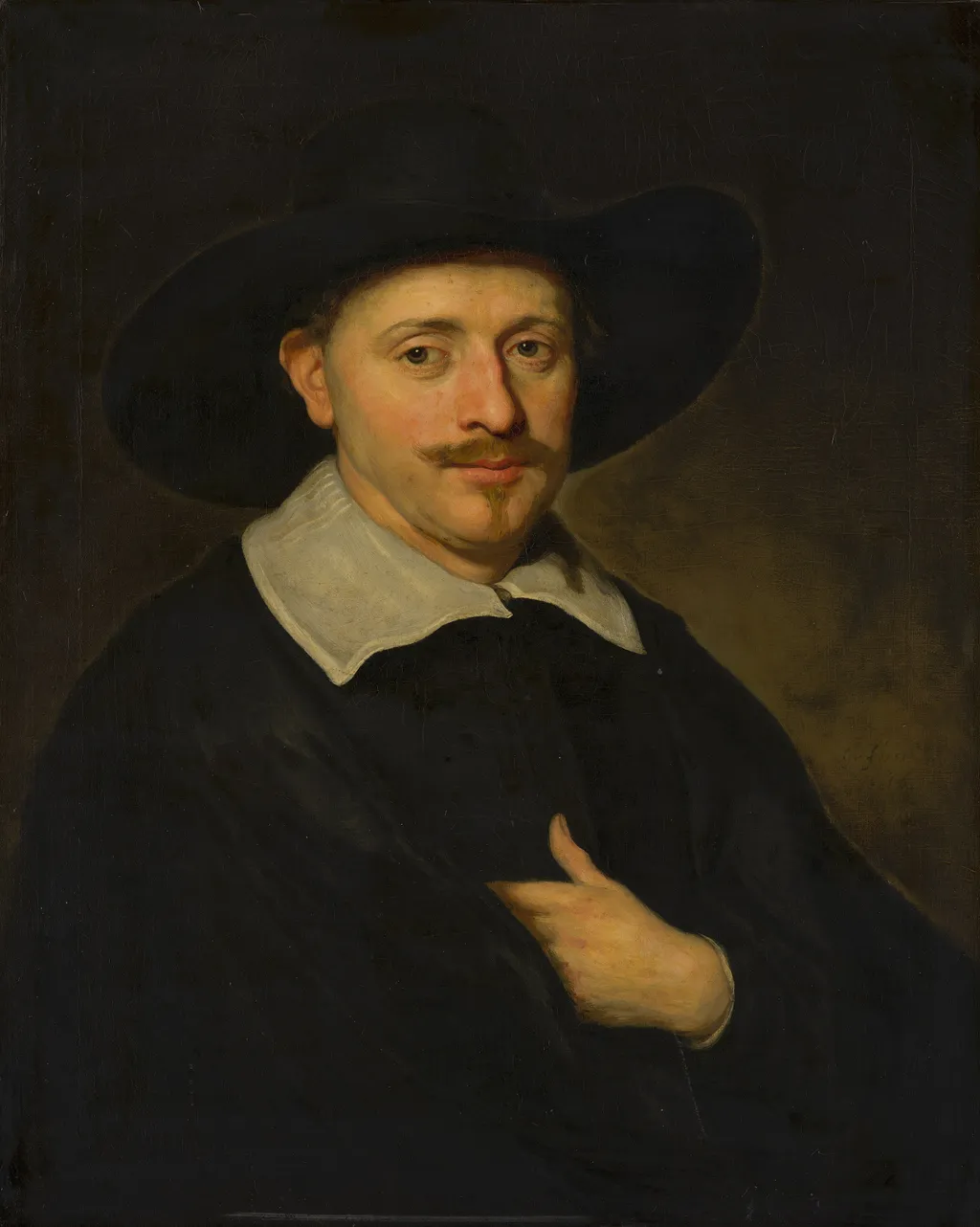
Portrait of a man is an oil painting by the Dutch Golden Age artist Govert Flinck. It dates from 1635 and is held in the collection of the Mauritshuis.
About this work
Overview
Painted in 1635 by Govert Flinck, this oil portrait presents a man in formal dark attire against a deep, unmodulated background. The composition focuses tightly on the figure, eliminating distractions to emphasize presence and character. The work resides in the Mauritshuis collection in The Hague, where it is recognized for its restrained elegance and psychological depth.
Subject & Meaning
The sitter, dressed in a black coat and hat with a crisp white collar, holds his right hand over his chest in a gesture of quiet composure. His direct gaze and solemn expression suggest introspection or moral gravity. Though his identity remains unknown, the portrait conveys a sense of dignity and inner resolve, typical of Dutch burgher portraiture of the period.
Technique & Style
Flinck employs chiaroscuro to model the face and hands with subtle gradations of light and shadow, lending volume and realism. The dark background isolates the figure, enhancing the three-dimensionality of his form. Brushwork is precise yet unobtrusive, favoring clarity over ornamentation. The restrained palette and controlled lighting reflect the influence of Rembrandt’s early style.
History & Provenance
The painting entered the Mauritshuis collection in the 19th century, having previously belonged to Dutch private collectors. Its attribution to Flinck has been consistently supported by stylistic analysis and archival records. No significant alterations or restorations are documented, preserving its original condition and tonal harmony.
Context
Created during the Dutch Golden Age, this portrait reflects the era’s emphasis on individual character and moral seriousness. Unlike grand aristocratic depictions, it aligns with the rising middle class’s preference for understated, truthful representation. Flinck, a pupil of Rembrandt, adapted his master’s techniques to suit the tastes of Amsterdam’s prosperous citizens.
Legacy
Though not among Flinck’s most widely known works, this portrait exemplifies his skill in capturing psychological nuance through minimal means. It remains a representative example of mid-17th-century Dutch portraiture, valued for its quiet intensity and technical discipline rather than flamboyance or spectacle.
Own this work as a print
Artist & collection

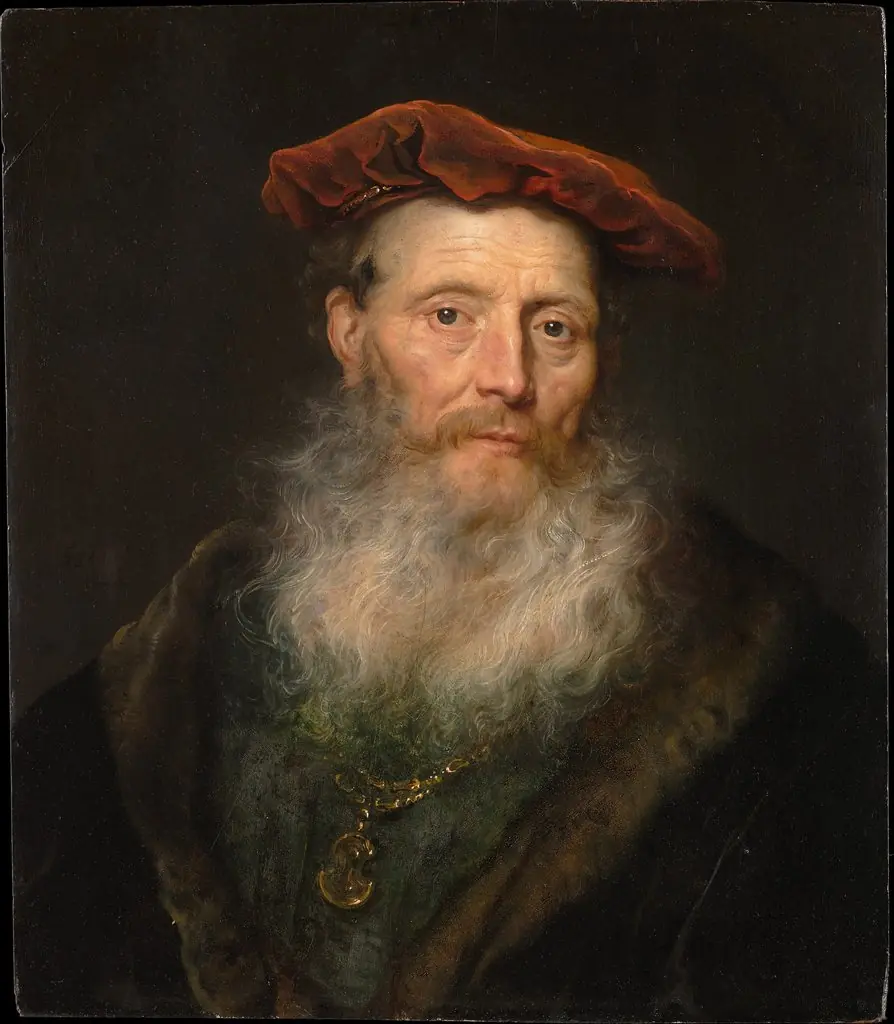 Bearded Man with a Velvet Cap
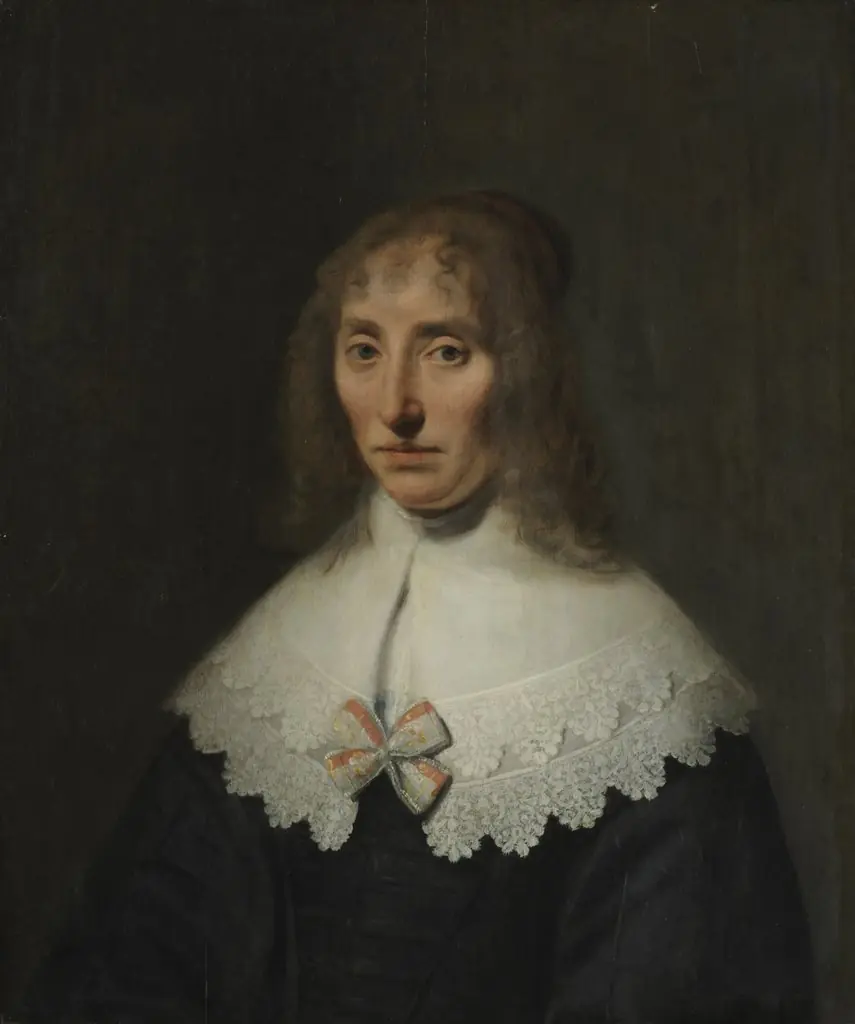 Portrait of a Woman
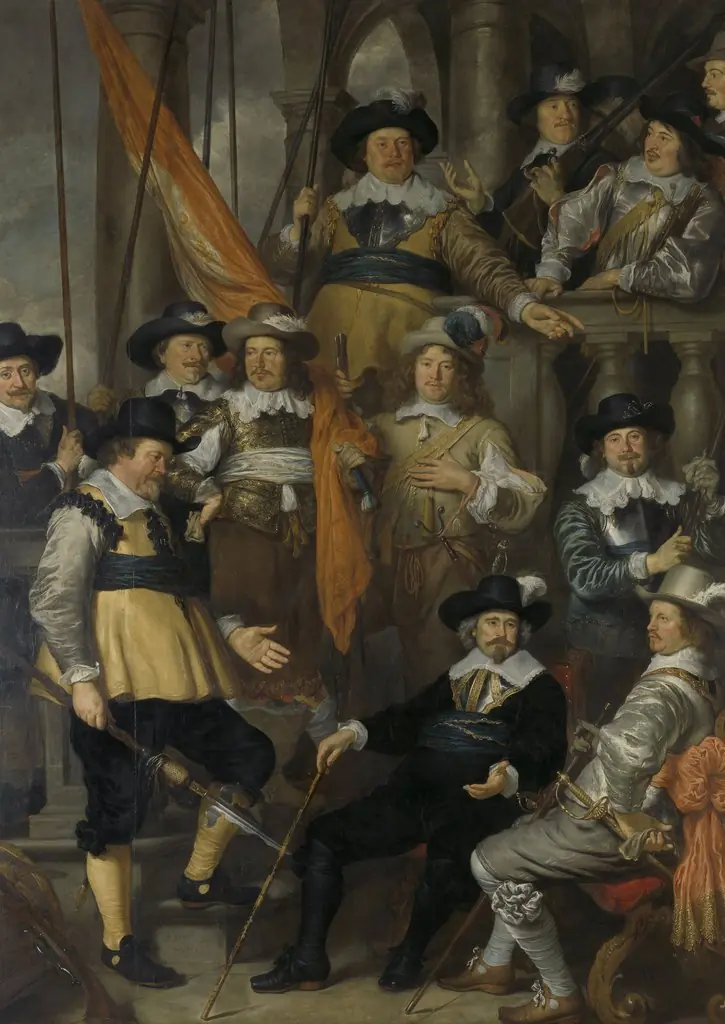 The Company of Captain Albert Bas and Lieutenant Lucas Conijn
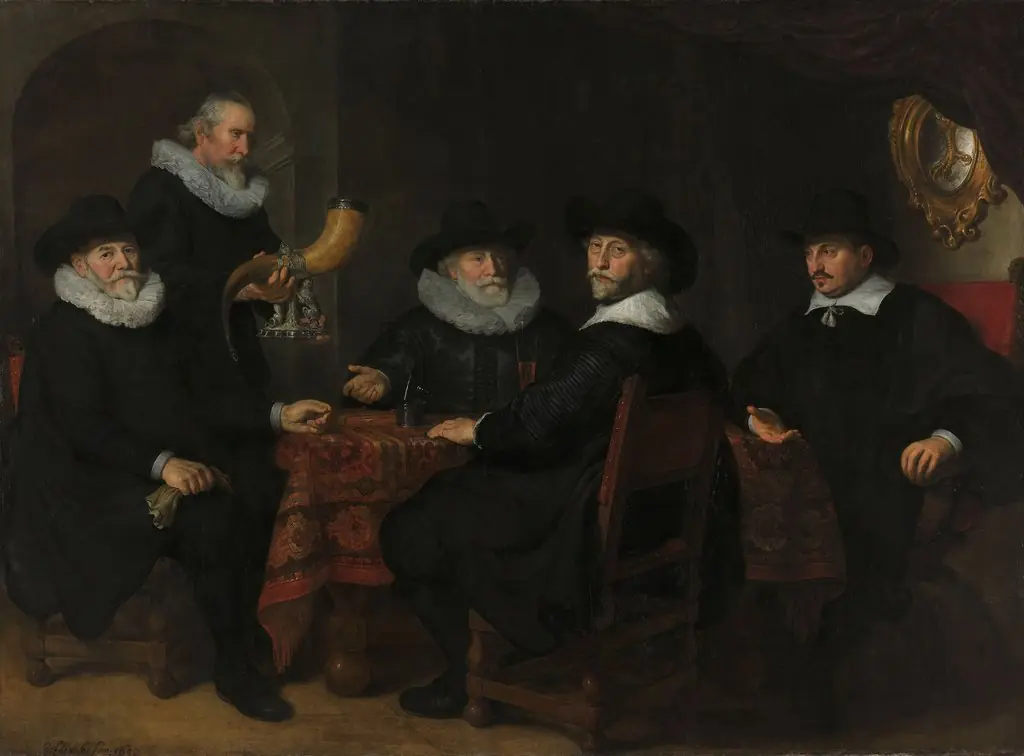 Four directors of the arquebusier's guild, Amsterdam, 1642
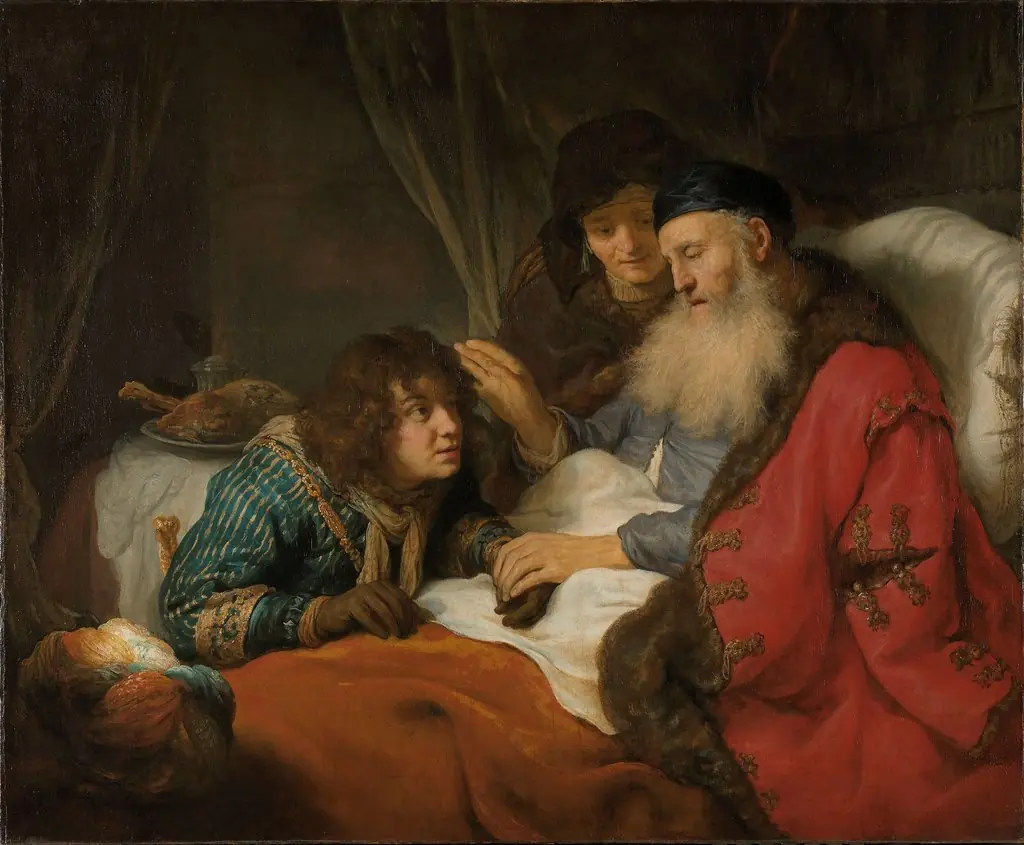 Isaac Blessing Jacob
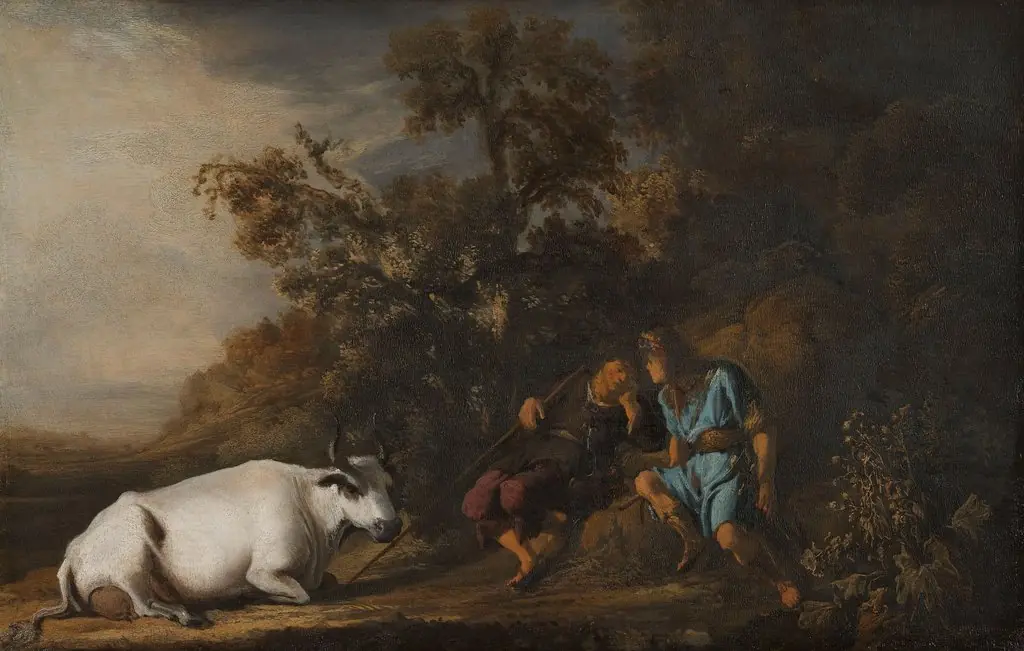 Mercury, Argus and Io
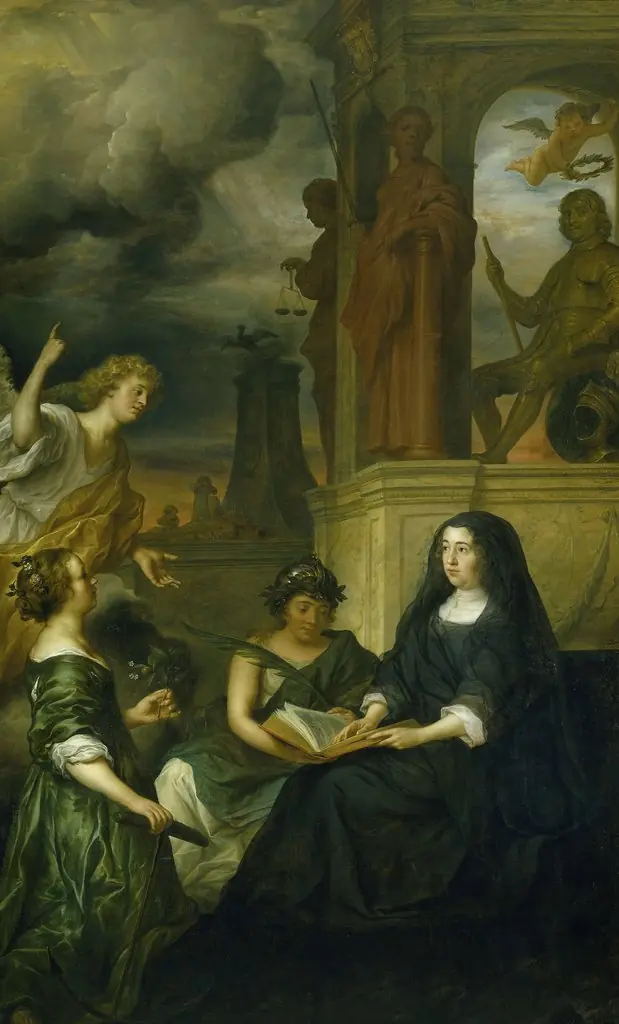 Allegory on the memory of Frederik Hendrik (1584-1647), prince of Orange, with the portrait of his widow Amalia van Solms
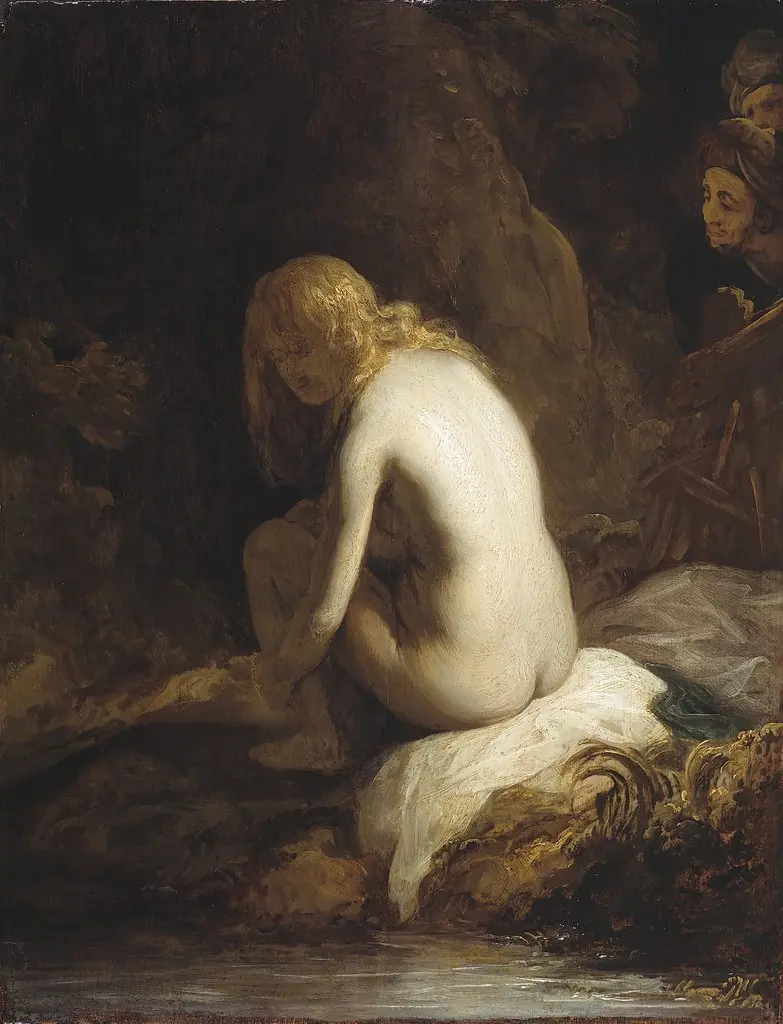 Susanna and the Elders
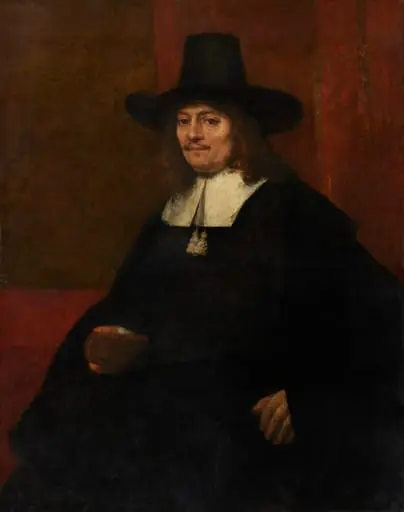 Portrait of a Man in a Tall Hat
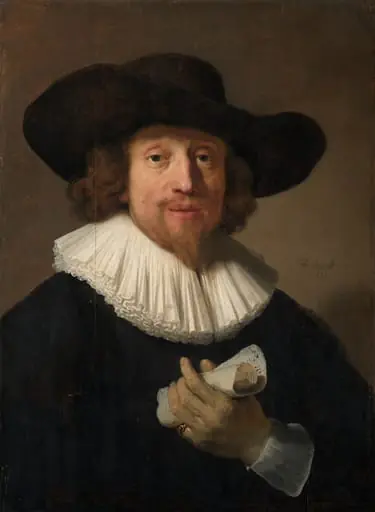 Man with a Sheet of Music
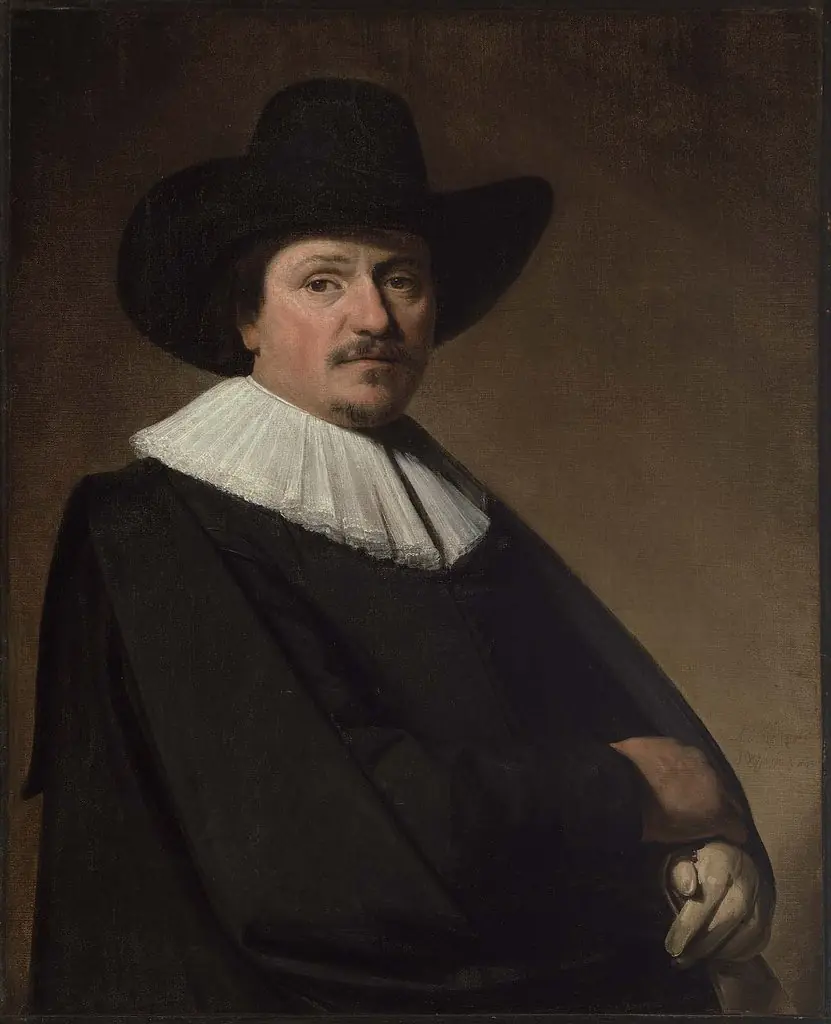 Portrait of a Man in Black
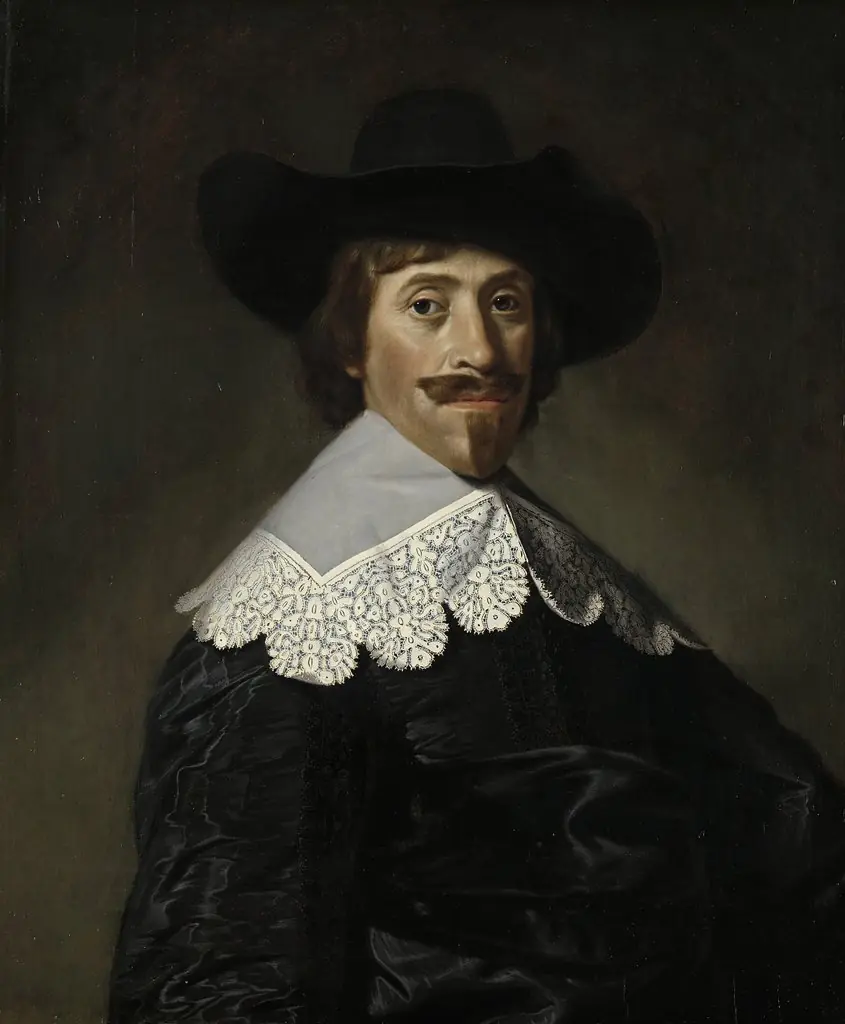 Frederik Dircksz Alewijn (1603-65). Alderman and councillor of Amsterdam
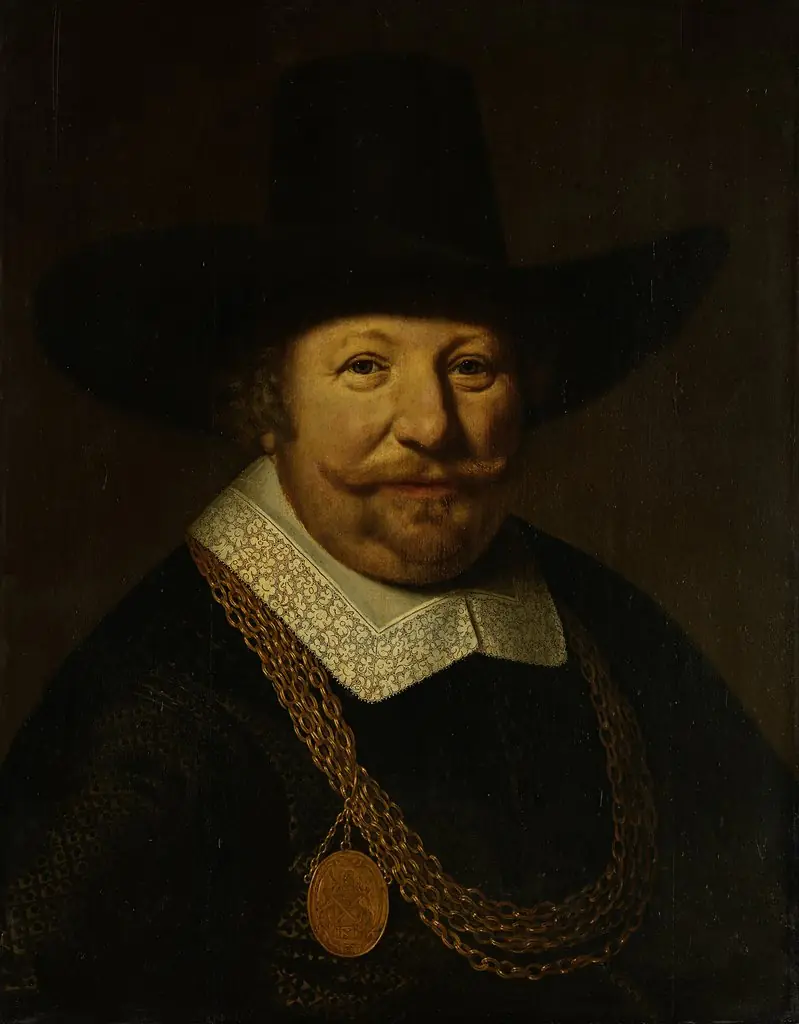 Portrait of Joos van Trappen, called Banckert, Vice-Admiral of Zeeland
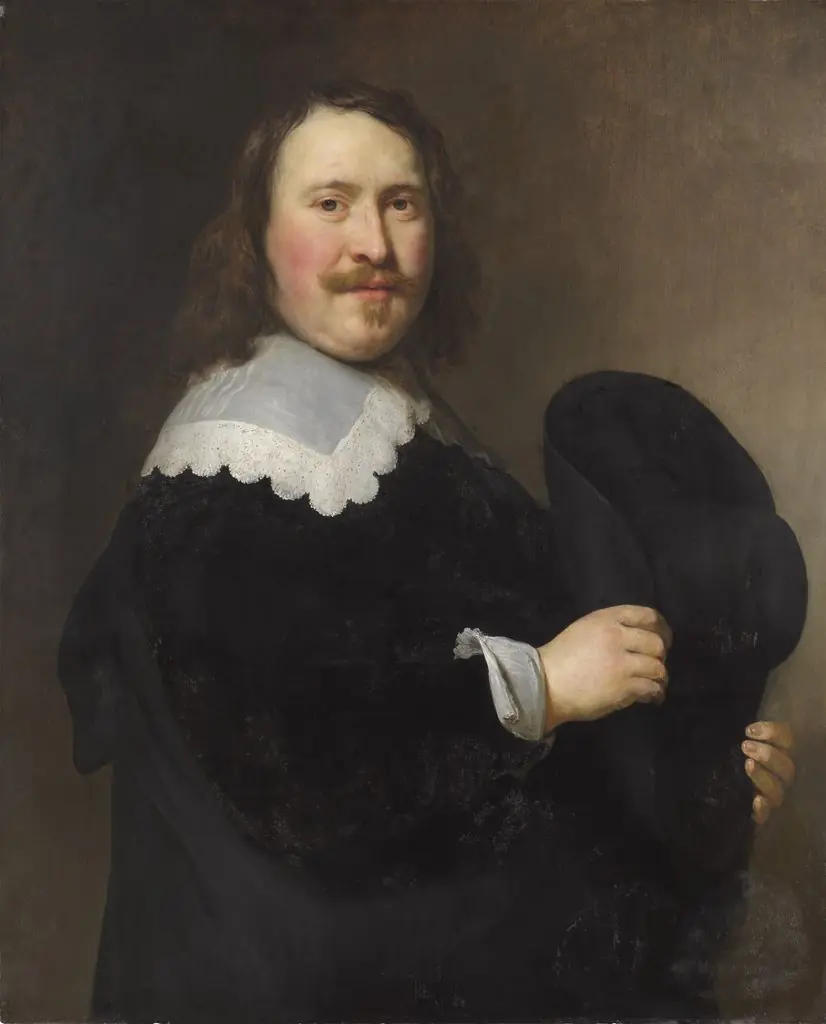 Portrait of a Man with a Hat
 Portrait of a man, known as Gozen Centen (1611/12-77)
 Portrait of a man
 Portrait of a Man Wearing a Black Hat
 Portrait of a man