Artwork
Portrait of René Descartes (1596-1650)
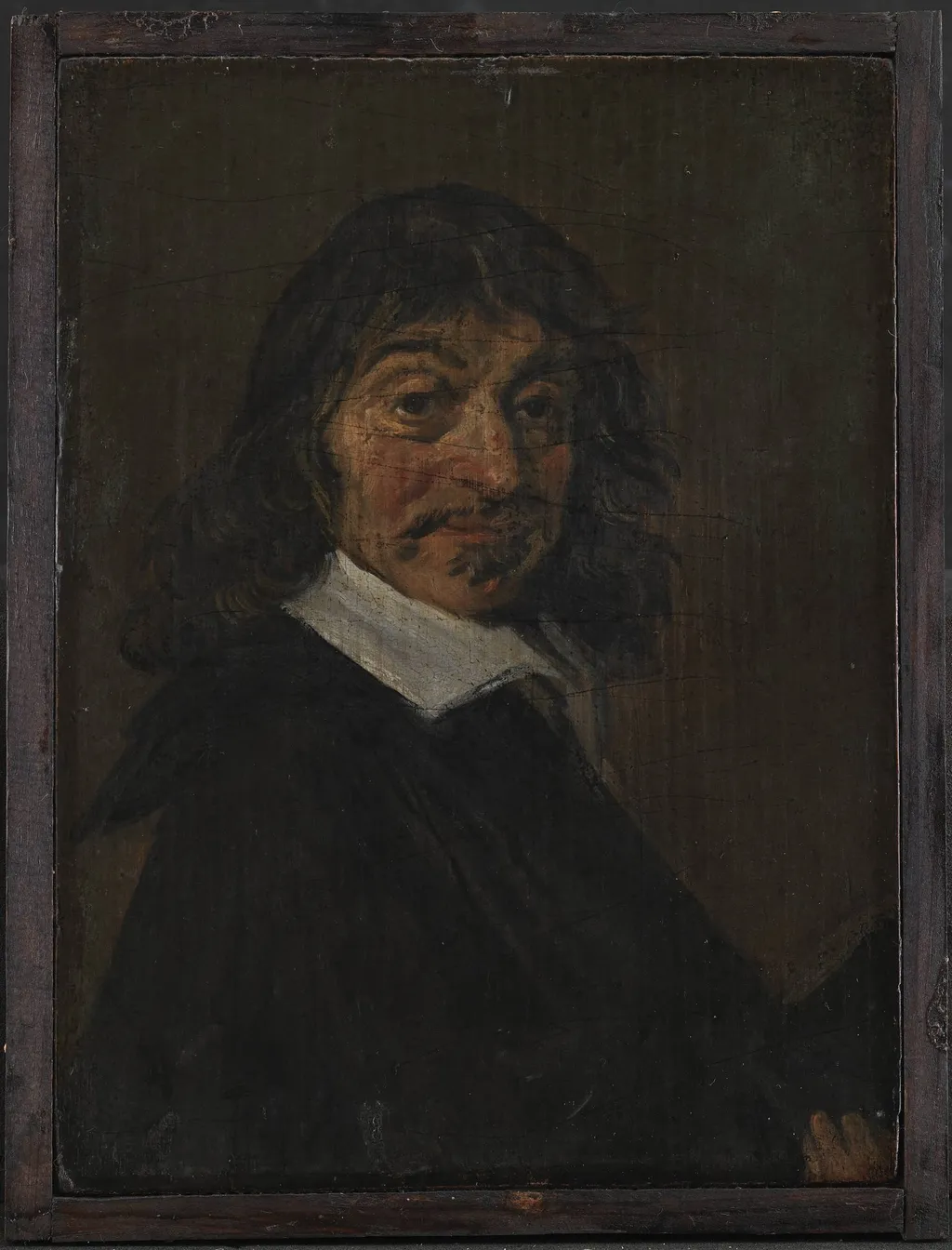
Portrait of René Descartes (1596-1650) is an unspecified painting by Unknown. It dates from 1650 and is held in the collection of the Statens Museum for Kunst. This portrait depicts the French philosopher René Descartes, likely painted around 1650, near the end of his life.
About this work
Overview
The image presents a straightforward, unadorned representation, emphasizing the subject’s intellectual presence over decorative flourish.
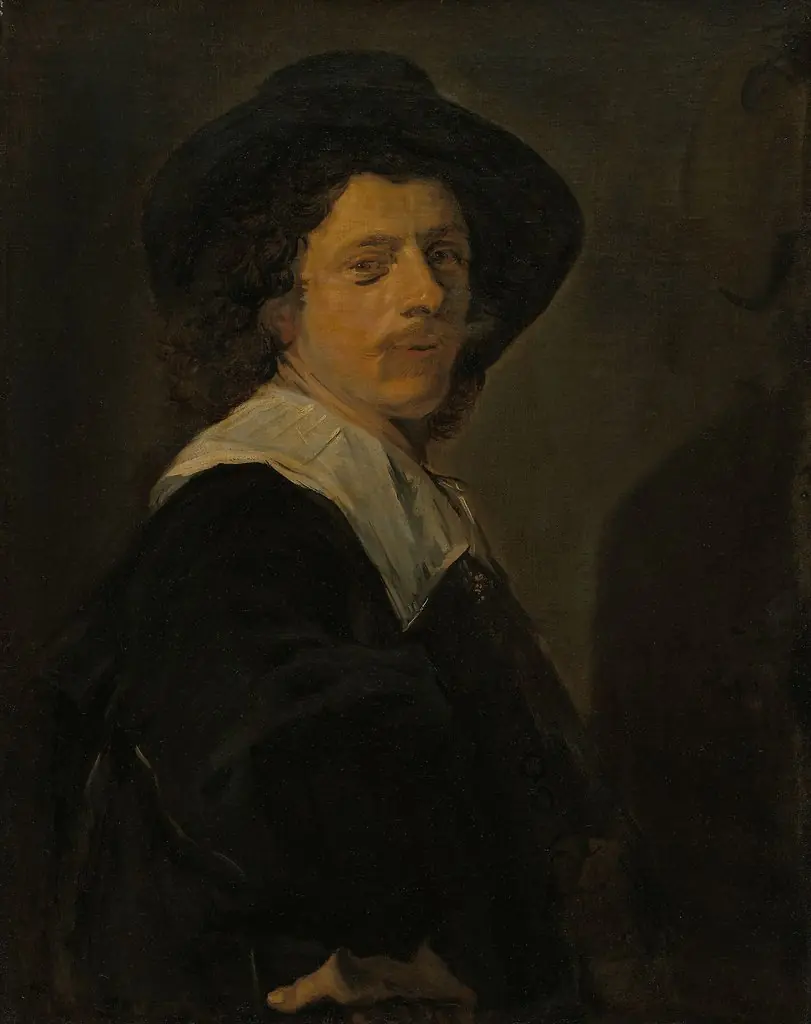
This portrait depicts the French philosopher René Descartes, likely painted around 1650, near the end of his life. It is held in the collection of the Museum of Ethnography. The image presents a straightforward, unadorned representation, emphasizing the subject’s intellectual presence over decorative flourish. The composition is restrained, with minimal background detail and a focus on the figure’s face and upper torso.
Subject & Meaning
Descartes is rendered with a solemn, introspective gaze, reflecting his reputation as a rigorous thinker. His dark clothing and plain white collar suggest modesty and scholarly discipline, aligning with the values of early modern intellectual life. The absence of symbols or props reinforces the portrait’s focus on the individual’s inner life rather than social status or achievement.
Technique & Style
The artist employs chiaroscuro to model the face with strong contrasts between light and shadow, drawing attention to Descartes’ features. Brushwork is visibly loose, particularly around the hands and hair, suggesting a rapid execution or limited attention to detail in non-facial areas. The dark, flat background isolates the figure, a conventional strategy in 17th-century portraiture to enhance psychological presence.
History & Provenance
The painting’s origin and artist remain undocumented. It entered the Museum of Ethnography’s collection without clear provenance, and no contemporary records confirm its commission or early ownership. Its attribution to a specific painter is uncertain, and it may have been produced by a lesser-known artist working in Descartes’ circle or from a written description.
Context
Created during Descartes’ later years in Sweden, the portrait reflects the growing demand for images of leading intellectuals in 17th-century Europe. Unlike formal court portraits, this image avoids grandeur, aligning with Descartes’ own emphasis on reason over spectacle. Similar portraits of philosophers from this era prioritize expression over ornament, signaling a shift toward intellectual identity as a subject of visual representation.
Legacy
Though not widely reproduced in academic texts, this portrait remains one of the few visual records of Descartes’ appearance. Its unpolished execution and lack of embellishment contribute to its authenticity in the eyes of historians. It serves as a quiet testament to the era’s evolving conception of the thinker as a figure worthy of representation, not through power, but through thought.
Artist & collection

 Domestic Scene
 Giacomo and Cardinal Marco, investing Andrea, Abbot of San Zeno, with his Benefice
 The Nymph of Fontainebleau
 Portrait of a Woman
 Madonna and Child with Saints in the Enclosed Garden
 Venus and Minerva
 Family Group of Four on Sofa
 Wall painting from Room H of the Villa of P. Fannius Synistor at Boscoreale
 Portrait of the Artist
 Portrait of Tyman Oosdorp
 Frans Hals (1582/83–1666)
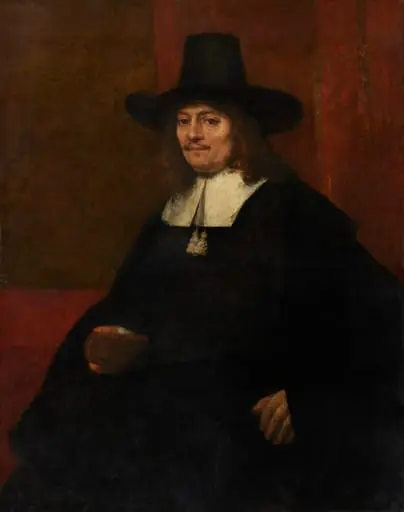 Portrait of a Man in a Tall Hat
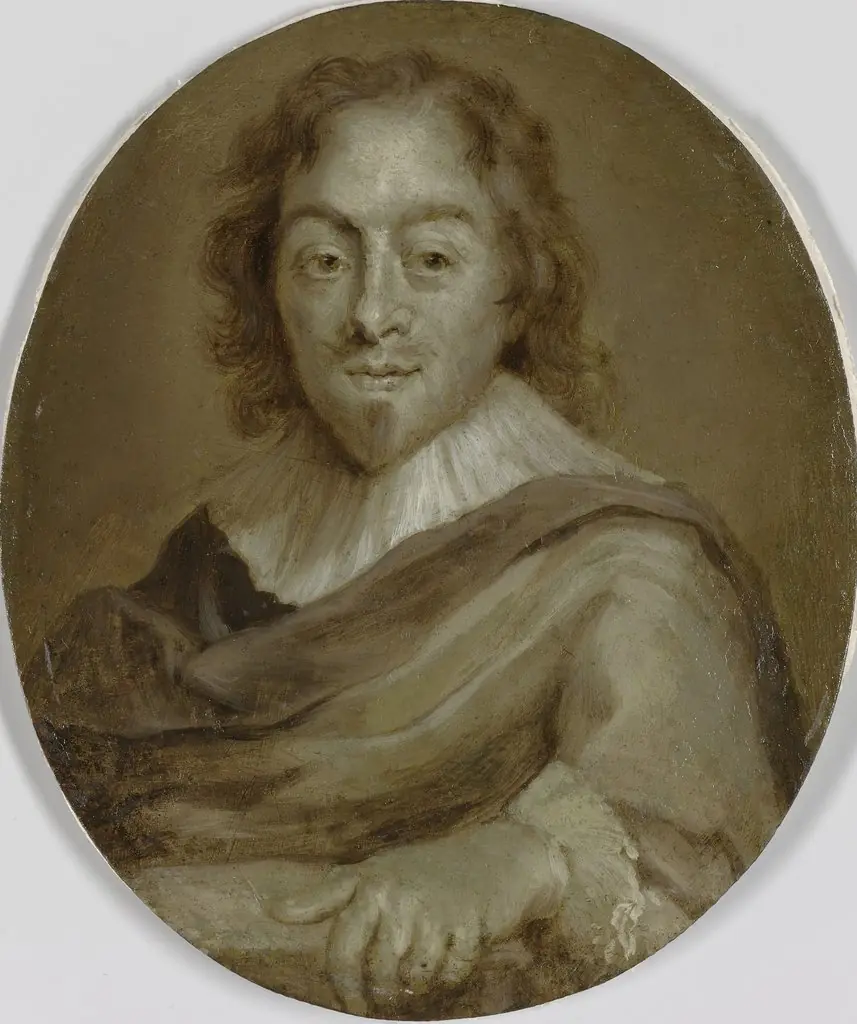 Portrait of Constantijn Huygens, Poet, Secretary to Prince Frederick Henry and Prince William II and First Councilor and Exchequer to William III
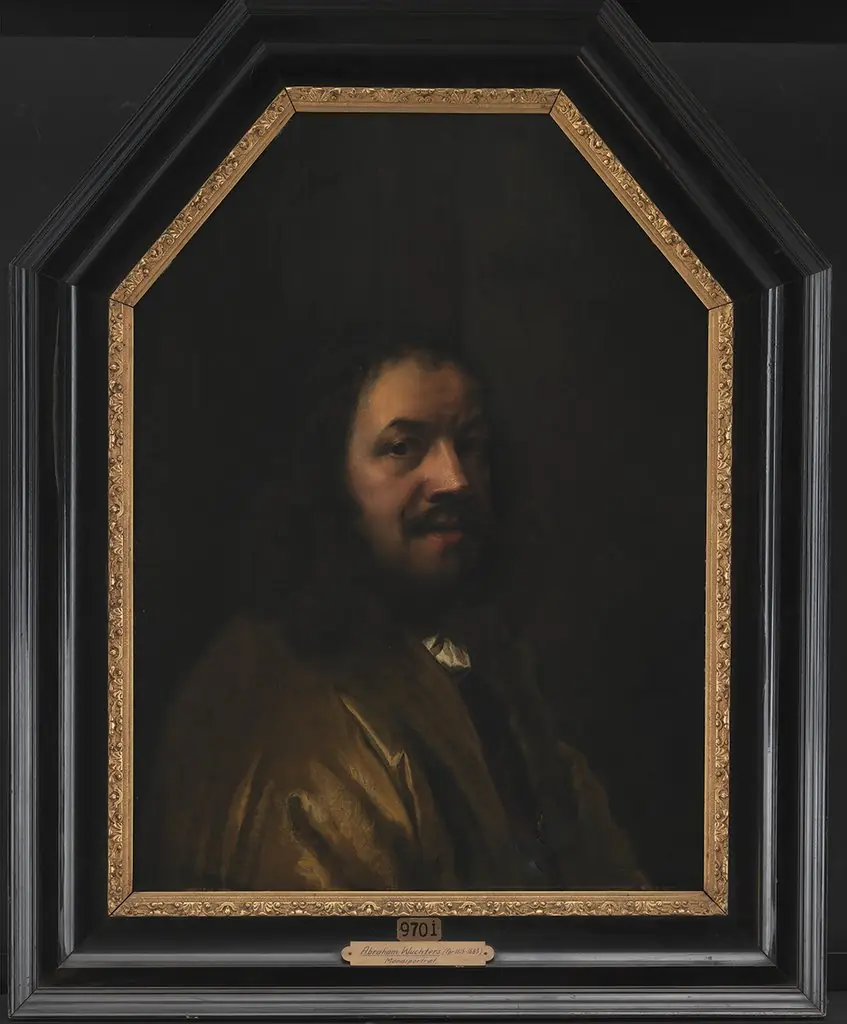 Portrait of the Artist
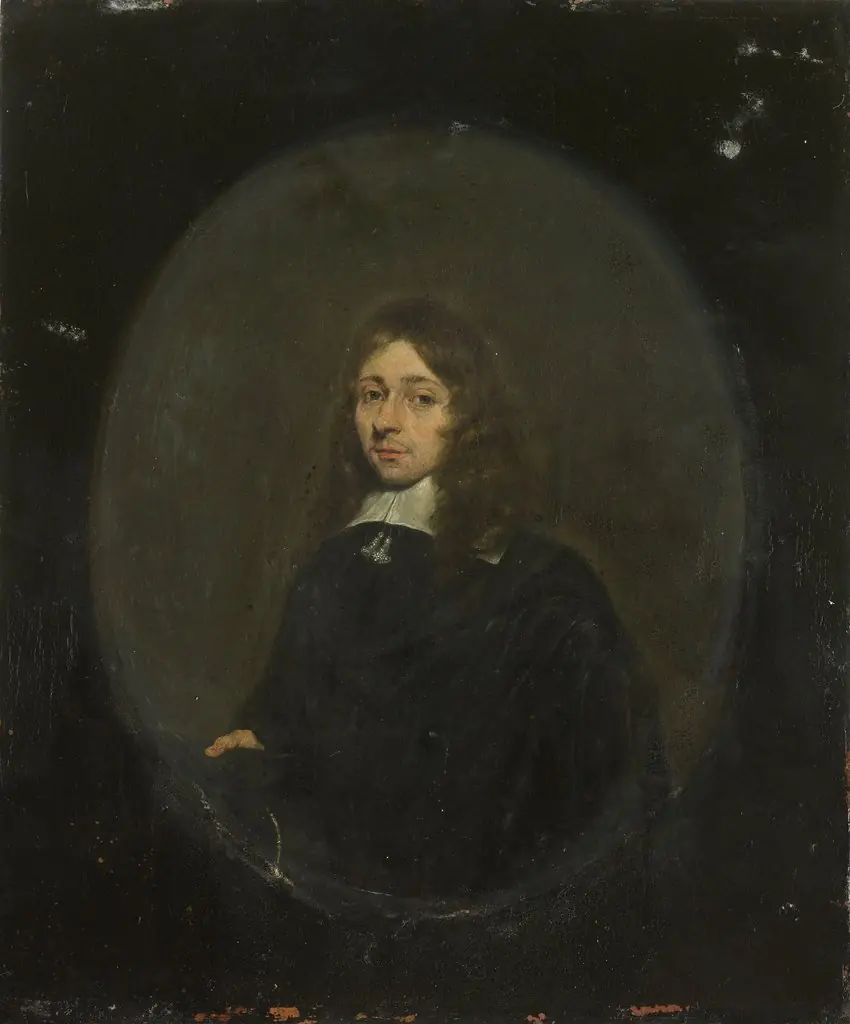 Portrait of a man
 Portrait of an artist
 Portrait of Johan van Nijenborgh, Poet in Groningen
 Self-Portrait