Artwork
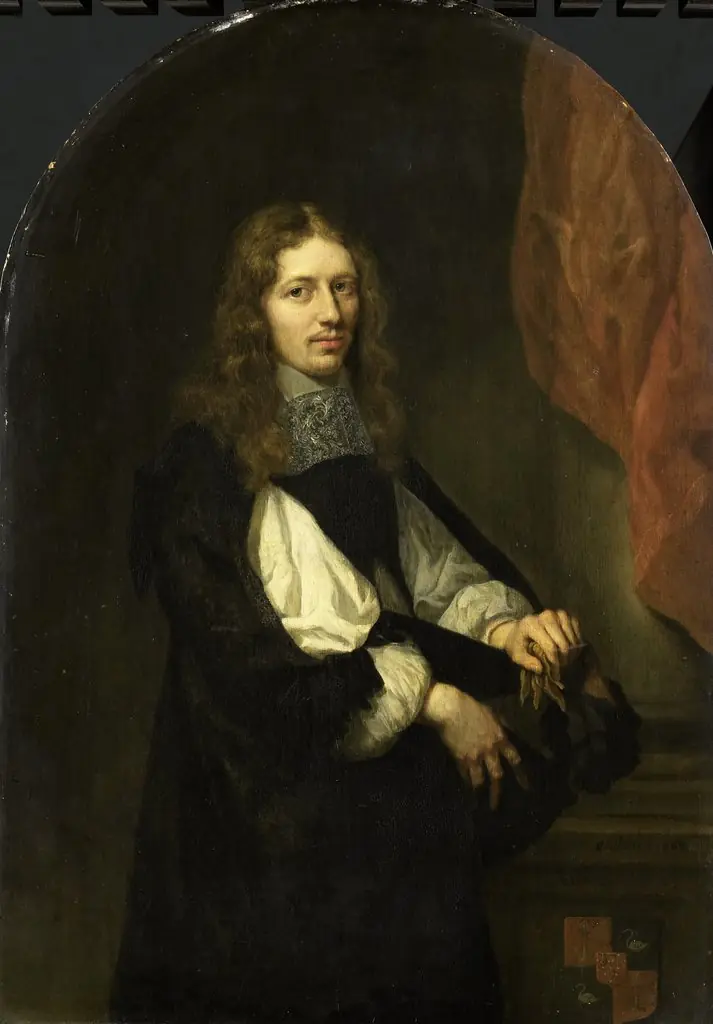
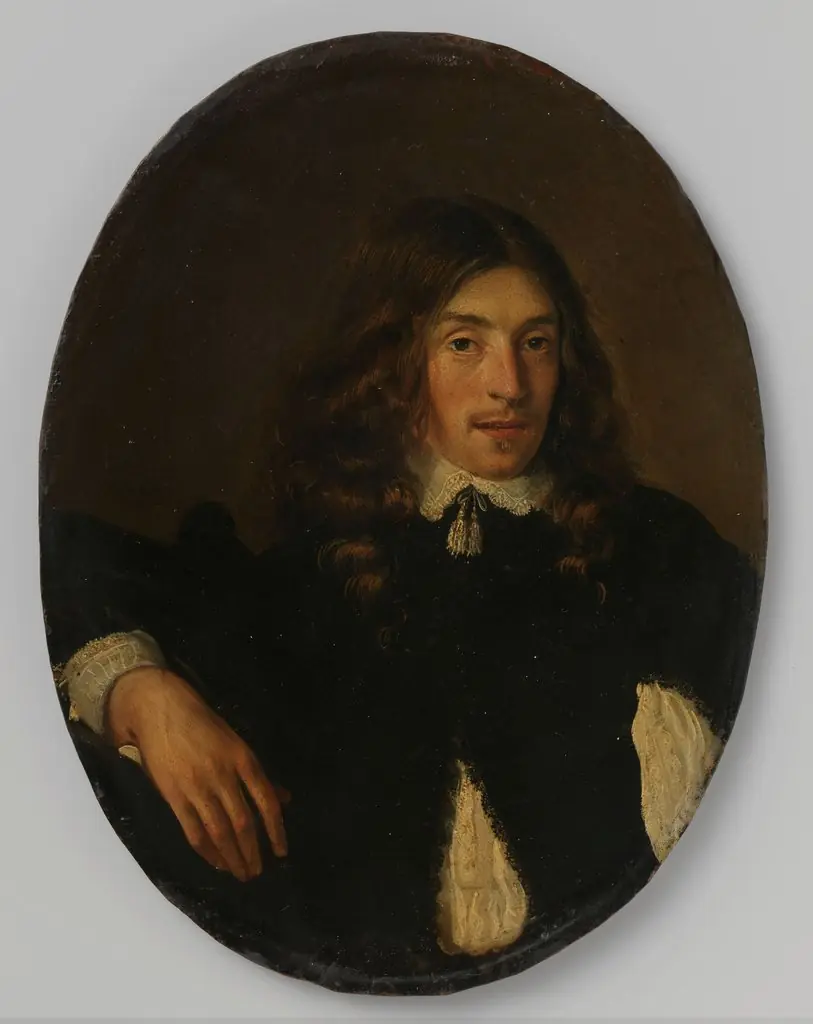
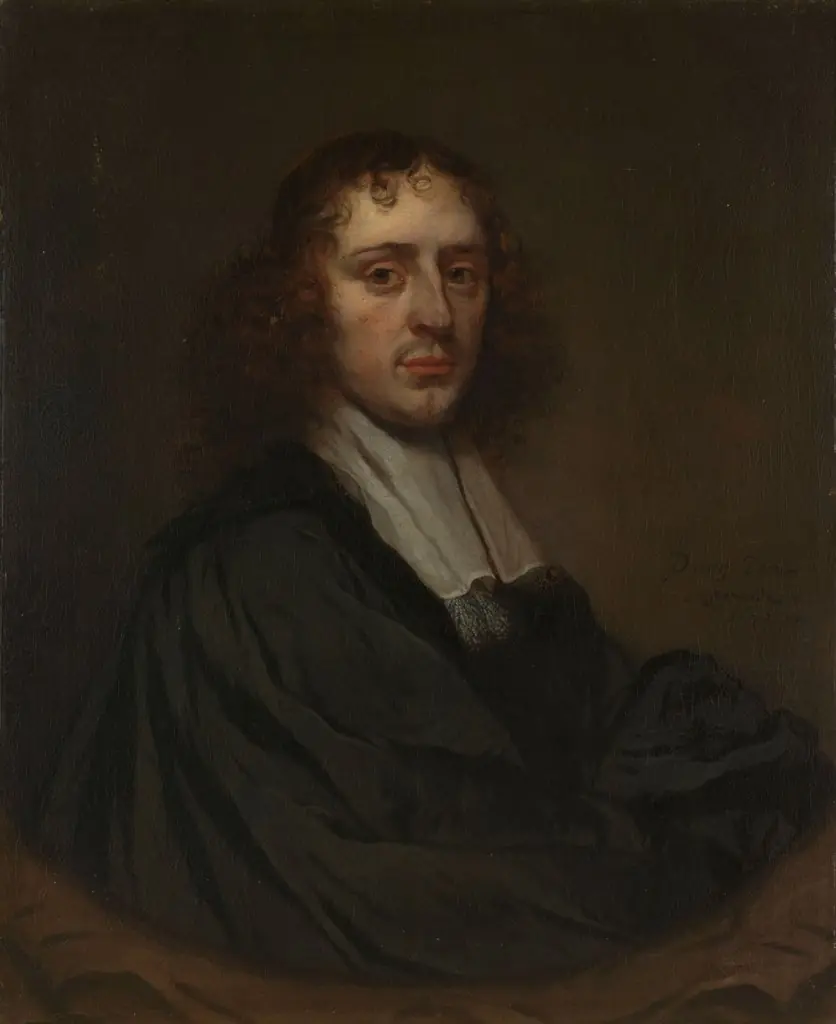
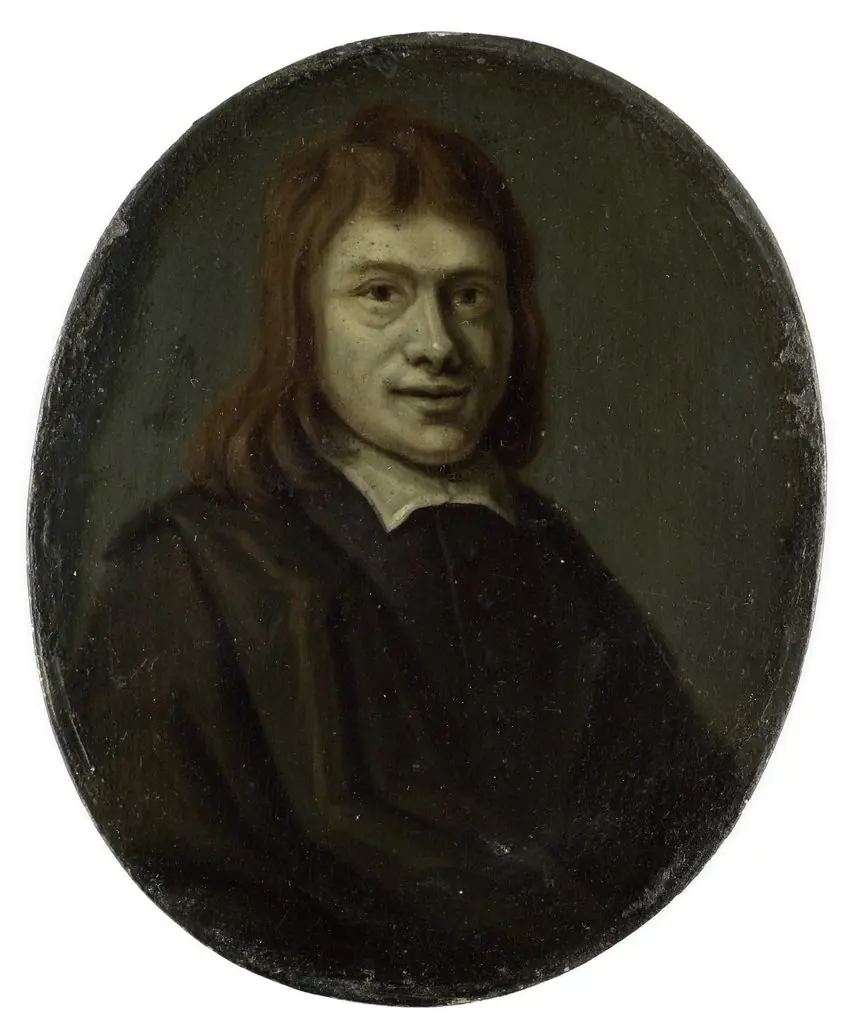
Portrait of a man
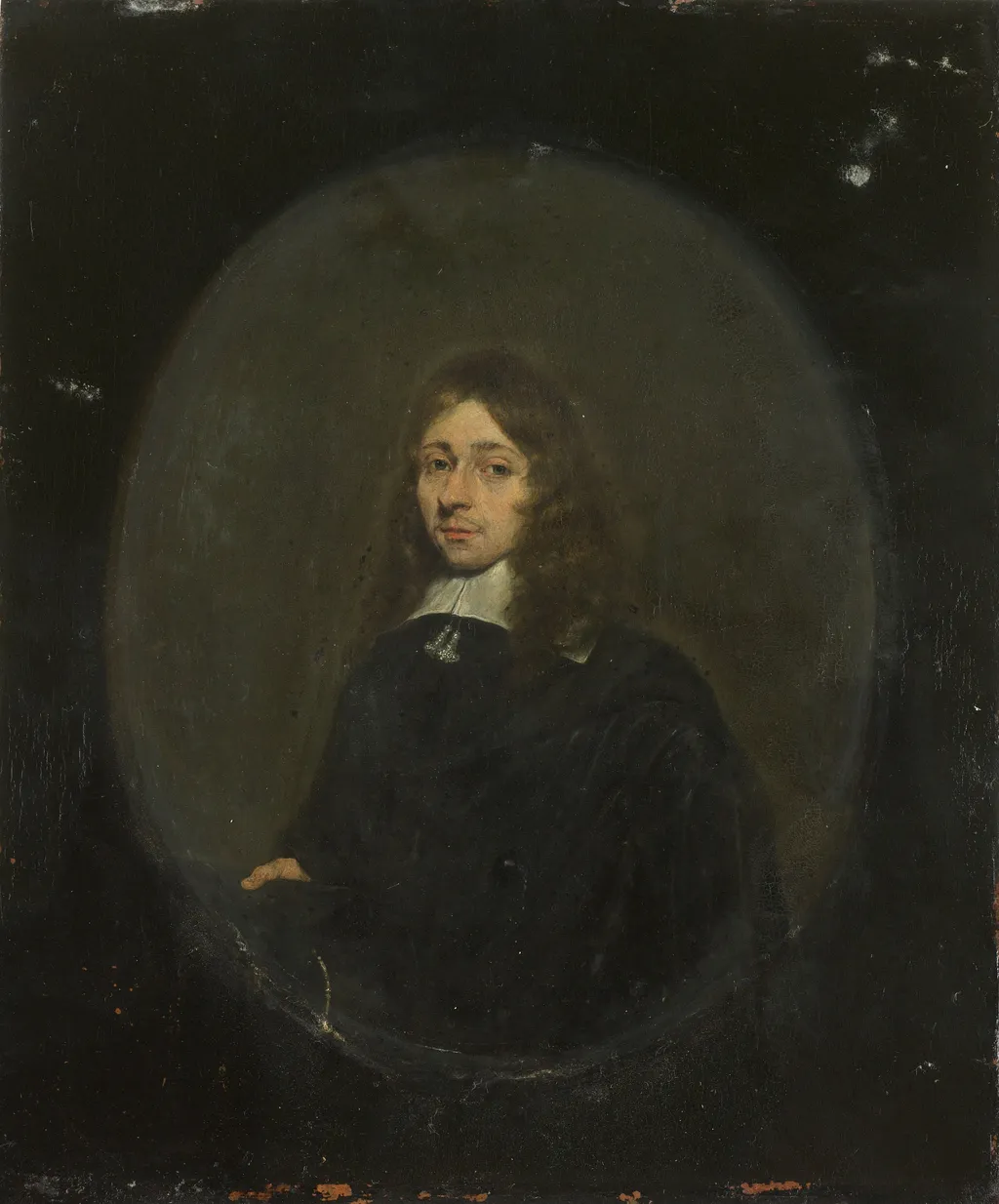
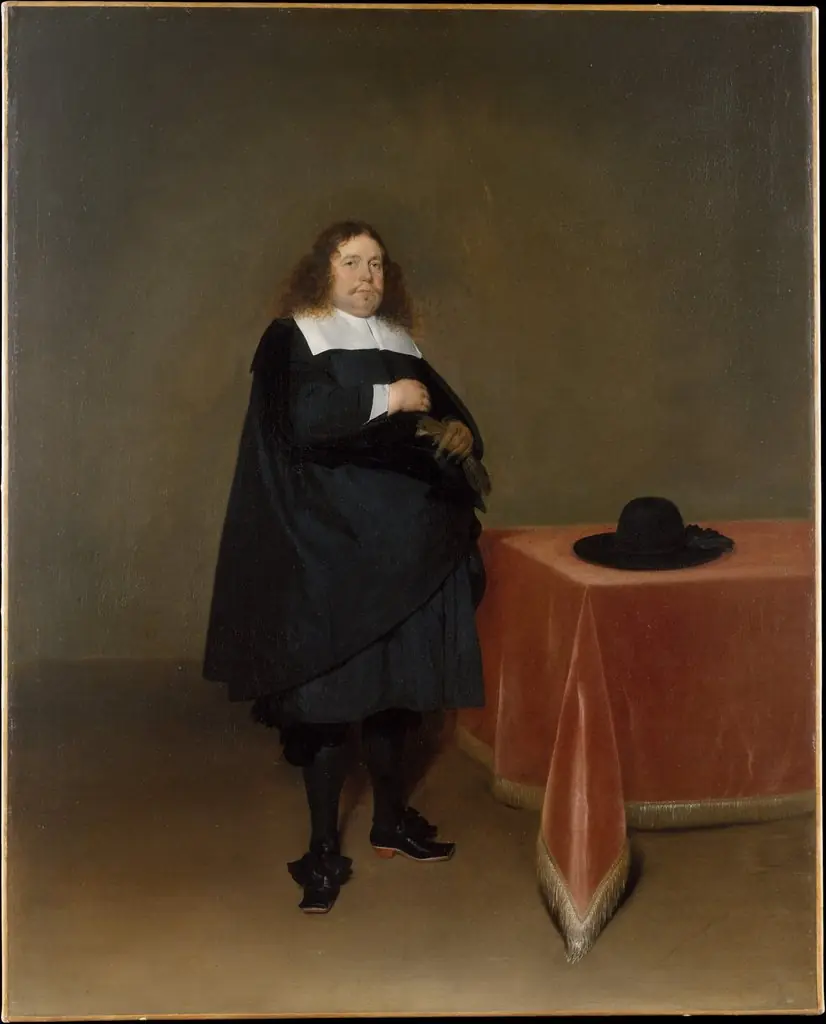
Portrait of a man is an oil painting by the Dutch Golden Age artist Gerard ter Borch. It dates from 1650 and is held in the collection of the Rijksmuseum.
About this work
Overview
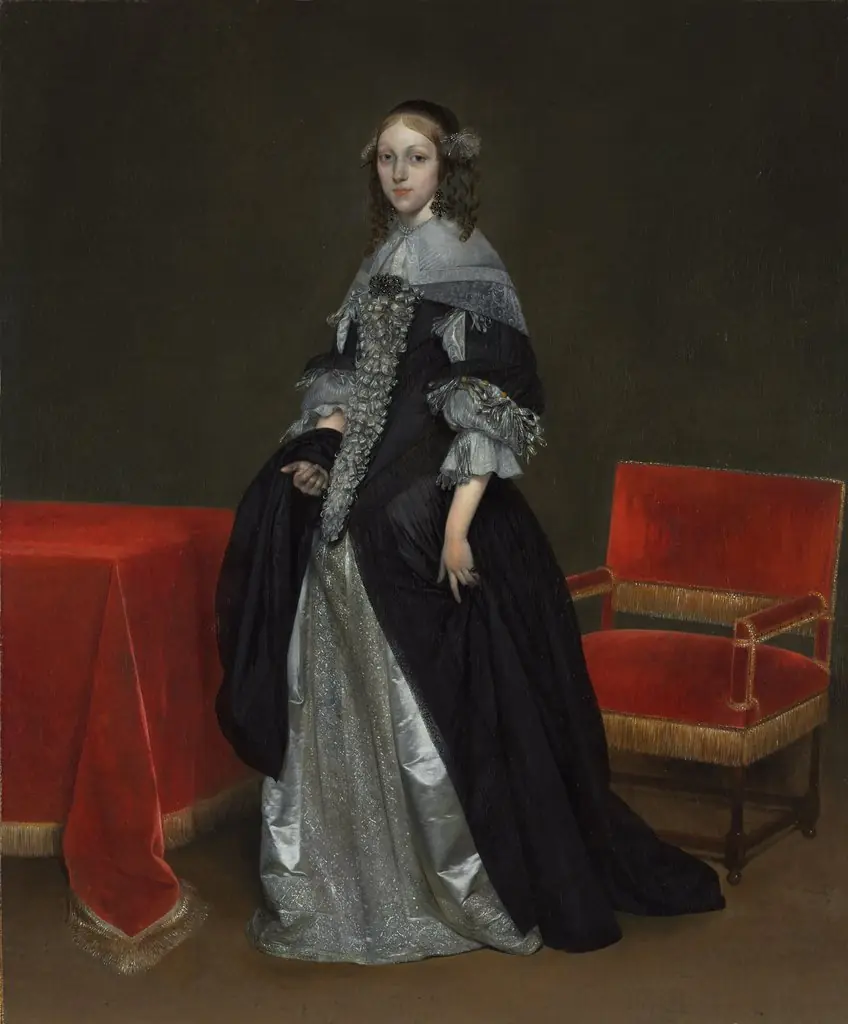
Gerard ter Borch, a Dutch painter active in the mid‑17th century, executed a portrait of an unidentified gentleman around 1650 on a copper support. The work belongs to the Rijksmuseum’s collection and exemplifies the artist’s interest in quiet, domestic representation combined with careful observation of character.
Subject & Meaning
The sitter appears solemn, his curly hair and dark, high‑collared coat framing a composed expression. His hands rest calmly in his lap, suggesting restraint and introspection. The plain, oval‑shaped dark backdrop isolates the figure, directing attention to his facial features and the psychological nuance typical of ter Borch’s portraiture.
Technique & Style
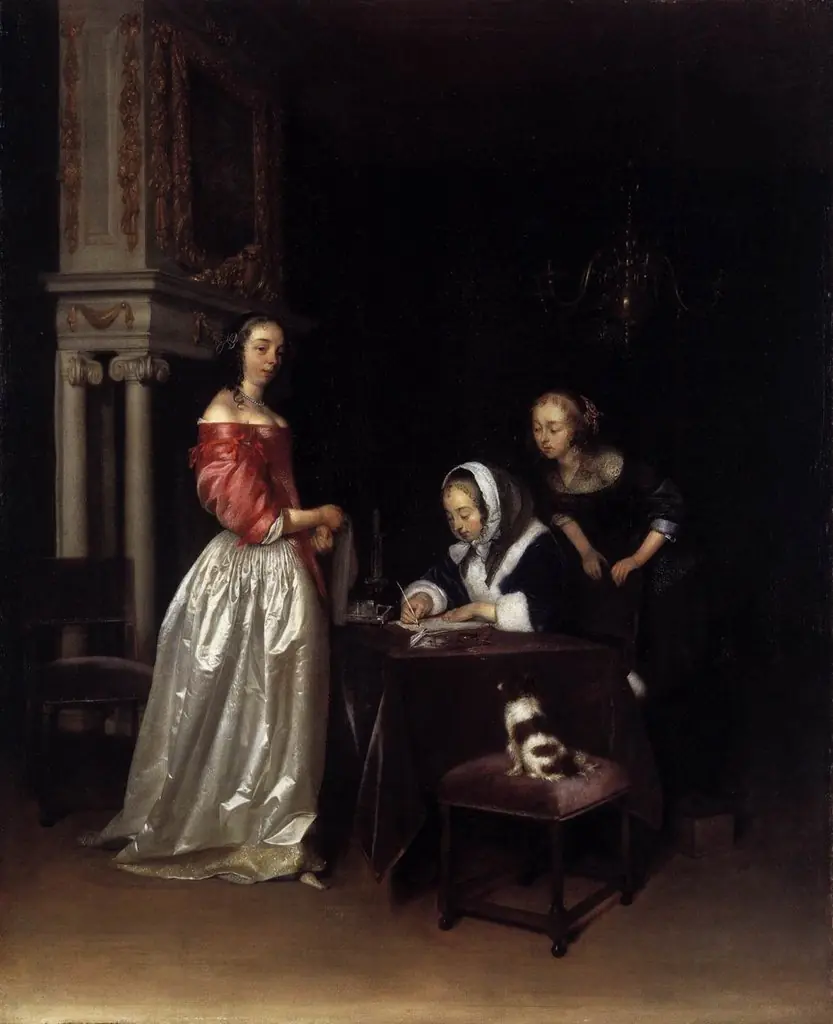
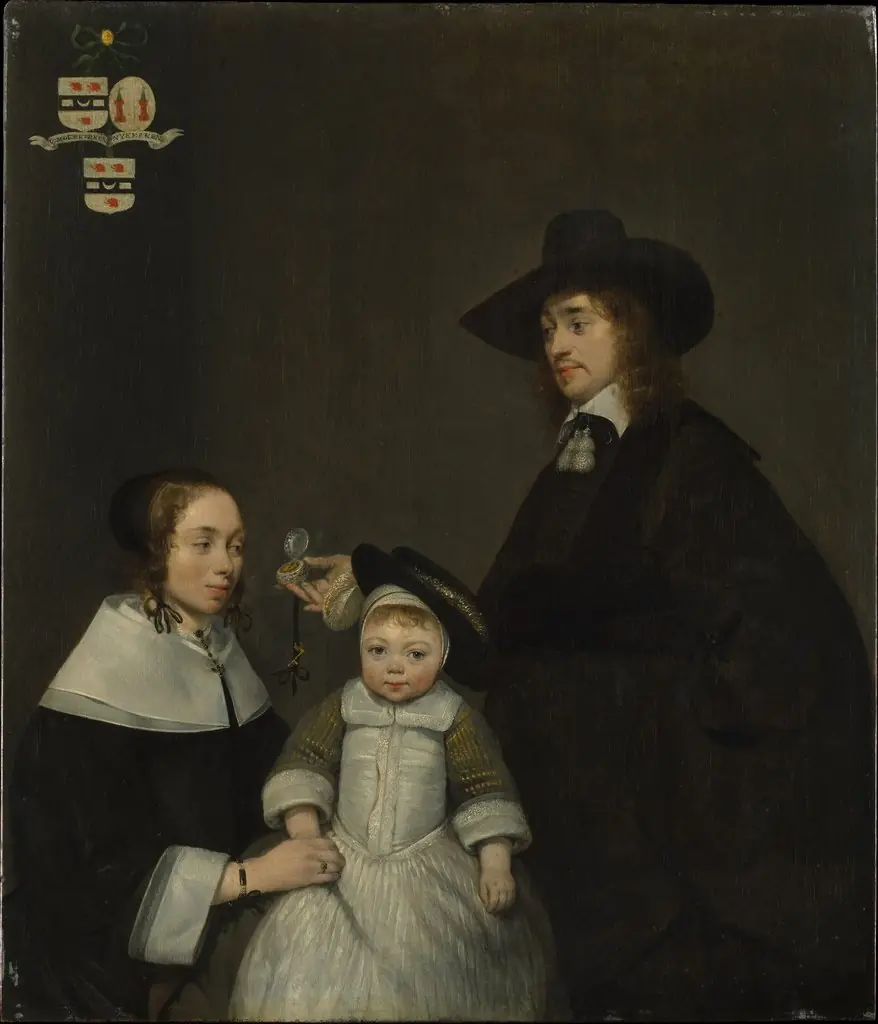
Ter Borch employed a pronounced chiaroscuro effect, using a deep, unlit background to heighten the illumination on the face. The copper medium allowed for fine detail and a luminous surface, while the restrained palette and soft modeling convey a subtle three‑dimensionality without overt dramatization.
History & Provenance
Created circa 1650, the painting entered the Rijksmuseum’s holdings as part of its Dutch Golden Age assemblage. Its attribution to ter Borch rests on stylistic analysis and documentation linking the work to his known copper portraits from the period.
Context
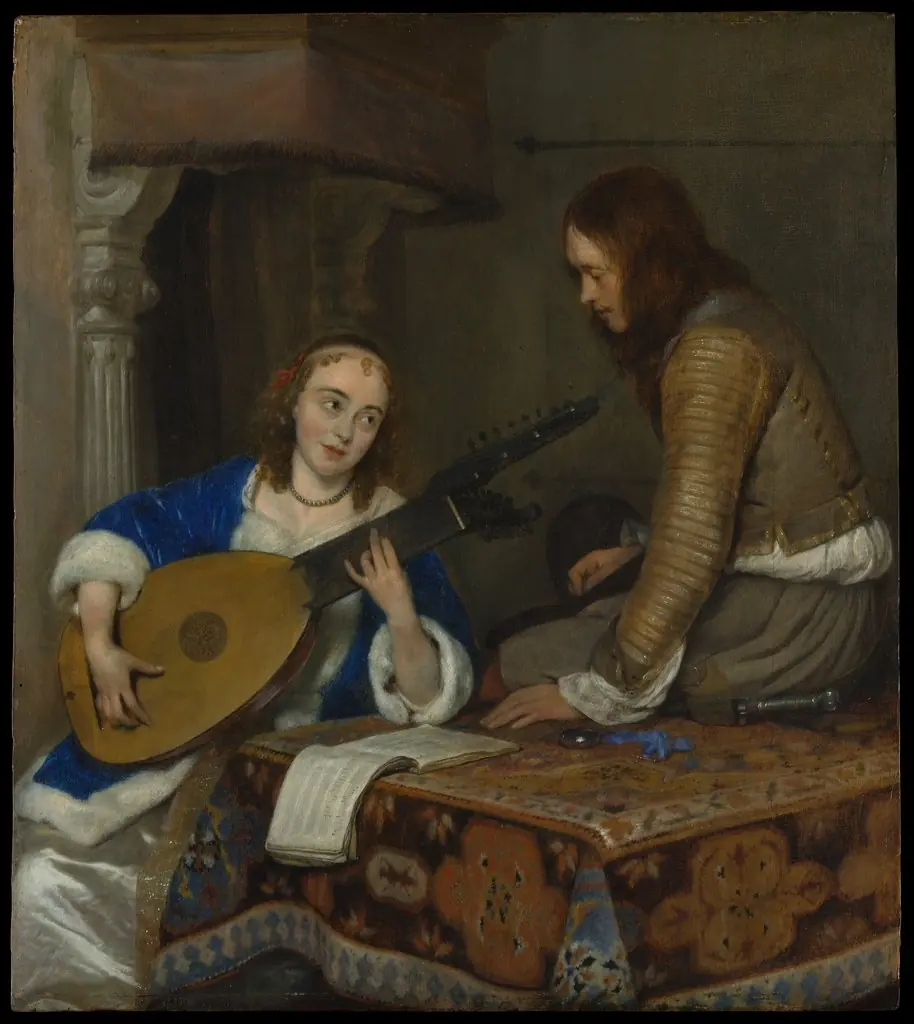
During the 1650s, ter Borch’s focus on intimate domestic scenes and nuanced character studies influenced peers, notably Johannes Vermeer, who adopted similar compositional restraint and light treatment. This portrait reflects the broader Dutch interest in realistic, psychologically attuned representation.
Artist & collection
Artist
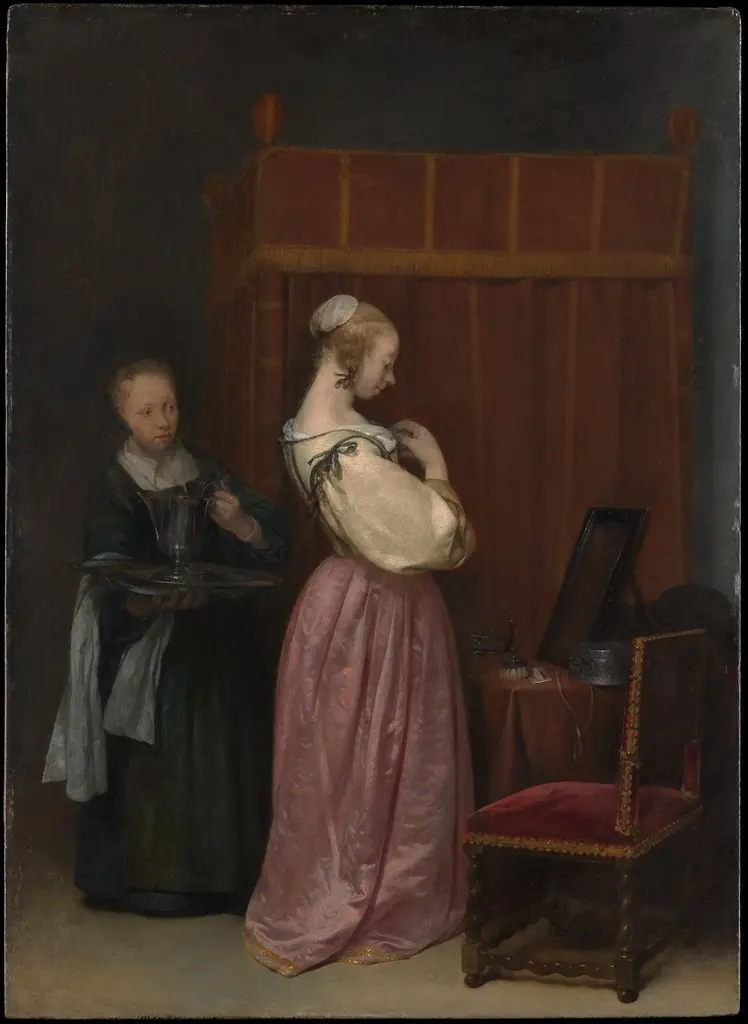
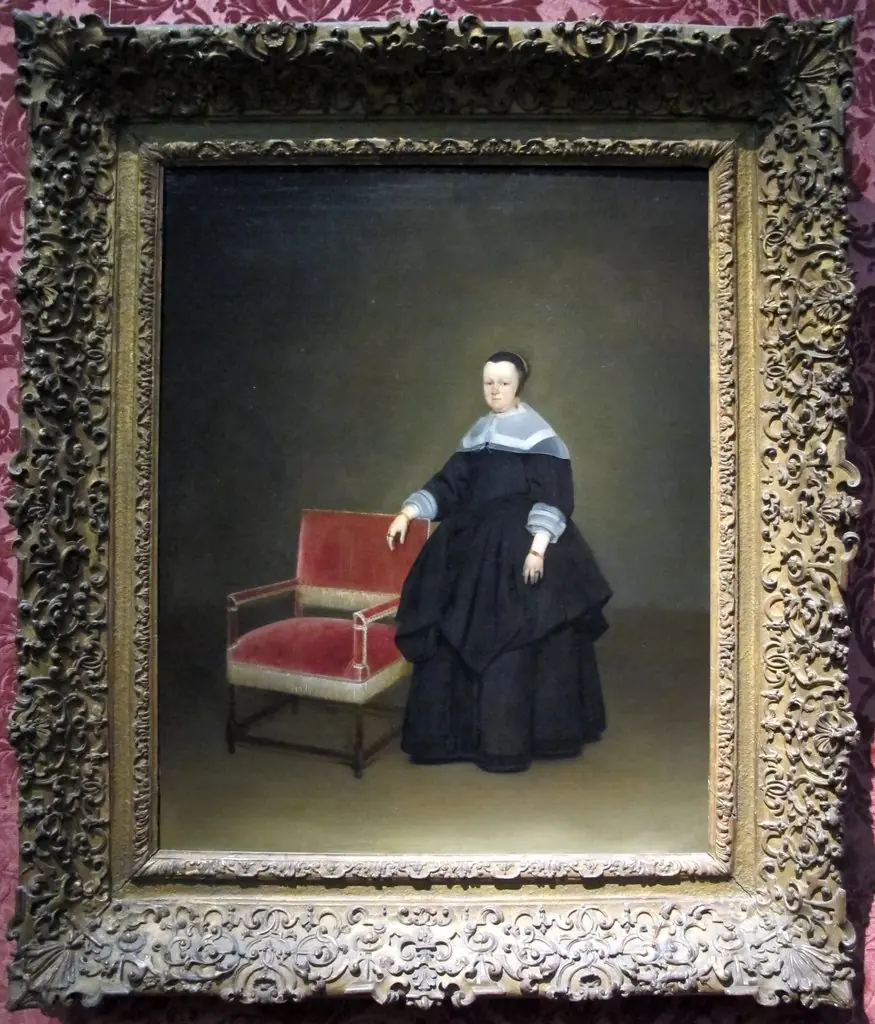
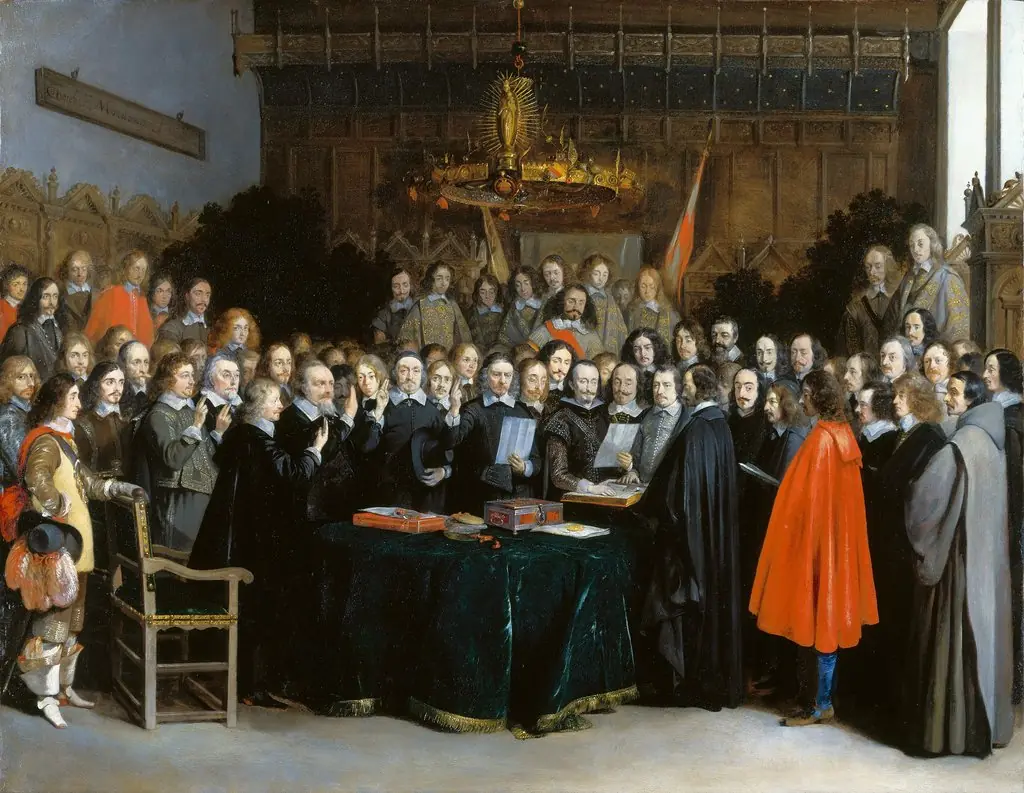
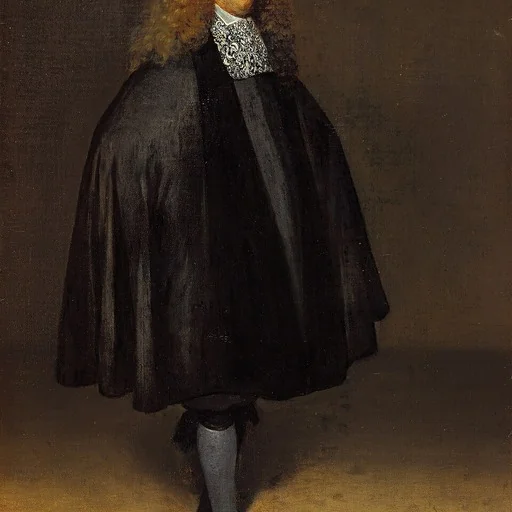
Gerard ter Borch (Dutch: ; December 1617 – 8 December 1681), also known as Gerard Terburg (Dutch: ), was a Dutch Golden Age painter mainly of genre subjects.